
AI-powered customer experience marketing (CXM) platform that helps local businesses win.


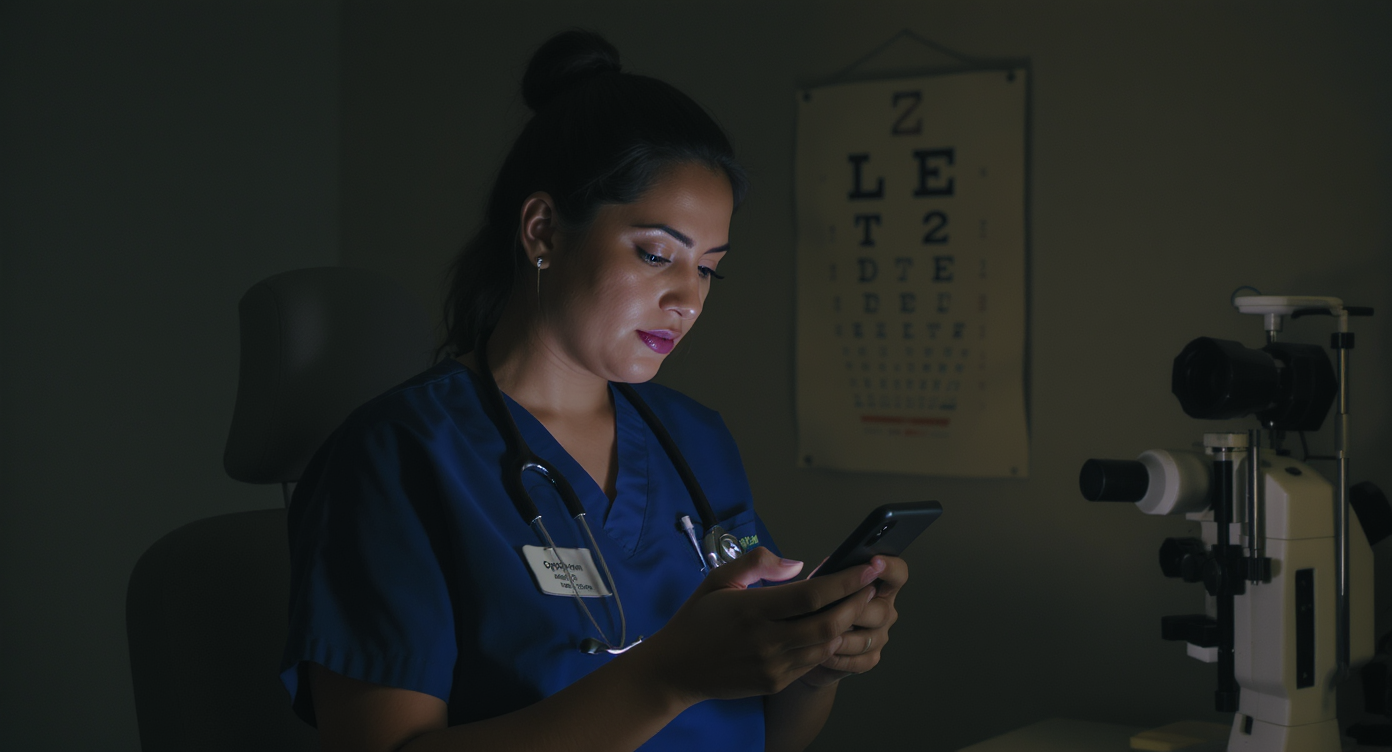
A patient calls your optometry practice at 7:15 PM with a scratched corneal lens and real anxiety. Nobody picks up. By morning, they’ve already booked with another provider. That missed call didn’t just cost you a single exam fee. It cost you years of follow-ups, frames, and referrals. If you’re wondering how to handle after hours calls for optometry practices, you’re asking exactly the right question, because the answer directly affects your revenue and patient trust.Handling after hours calls for optometry practices means having a system to capture, respond to, and triage calls outside business hours. eye emergencies don’t wait for office hours, so practices use answering services, voicemail systems, or automated callbacks to maintain patient care and prevent losing revenue from missed appointments and patient switching.
Quick Answer
Route after-hours calls through a dedicated voicemail system or virtual answering service that captures patient information and urgent details. Ensure callers can select options for emergencies versus routine inquiries, and have a protocol to alert an on-call optometrist for genuine emergencies. Provide clear callback timeframes and ensure messages include next-day appointment availability to recapture interested patients before they contact competitors.
Free weekly newsletter
Growth tips for dental & medical practices
Every Tuesday — actionable ideas to get more leads, reviews, and repeat customers. No fluff.
What Are After Hours Calls in Optometry?
After hours calls are any inbound calls your optometry practice receives outside your regular business hours. For most practices, that means evenings, weekends, holidays, and lunch breaks. These calls range from urgent eye care concerns to routine appointment requests, insurance questions, and prescription refill inquiries.Here’s what makes these calls so critical for optometry specifically: eye emergencies don’t follow a schedule. A patient with sudden vision changes or a foreign body in their eye won’t wait until 9 AM Monday. And non-urgent callers, like someone wanting to schedule a comprehensive eye exam, won’t call back either. Research on missed call revenue loss shows that most callers who reach voicemail simply move on to the next provider. Your after hours call strategy isn’t a nice-to-have. It’s a revenue protection system.Why After Hours Calls Matter More Than Most Practices Think
The Financial Impact of Missed Calls
Every missed call carries a dollar value. Consider an average patient lifetime value in optometry. That includes annual exams, prescription lenses, frames, contact lens fittings, and specialty services. Losing even one new patient per week to a missed after hours call adds up to tens of thousands in lost revenue annually. According to small business missed call data, a significant percentage of callers won’t leave a voicemail and won’t try calling again.That’s compounded by the referral effect. Patients who feel taken care of—even after hours—refer family and friends. Patients who can’t reach you? They tell people about that too.Patient Expectations Have Shifted
Your patients compare your responsiveness not just to other optometrists, but to every business they interact with. They order groceries at midnight and get confirmation texts in seconds. So when they call your office at 6:30 PM and hear a generic voicemail, there’s a real disconnect. The American Optometric Association has long emphasized the importance of patient communication and accessibility as core practice management principles. Modern patients expect immediate acknowledgment. Even if the full response comes during business hours.📺 Watch: After-Hours Call Routing Setup: Never Miss a Lead
Best Practices for Handling After Hours Optometry Calls
Audit Your Current Call Flow First
Before changing anything, you need to know what’s actually happening with your calls right now. Pull your phone records for the last 90 days. How many calls come in after 5 PM? How many on weekends? What percentage go to voicemail versus getting answered? You can’t fix what you don’t measure.Look specifically for these patterns:- Peak after hours windows, such as 5 PM to 7 PM on weekdays, when patients call right after their own workday ends
- Weekend morning spikes, when patients notice eye issues they’ve been ignoring all week
- Monday morning voicemail backlog, which reveals how many weekend callers your team needs to chase down
- Repeat callers, people who called after hours and then called back the next morning, proving they needed you but couldn’t reach you
Build Standardized Call Scripts and Routing
Every after hours call should follow a consistent path. Patients calling about genuine emergencies—like chemical exposure, sudden vision loss, or severe eye pain—need different routing than someone asking about your Saturday hours. A well-built call flow separates these scenarios automatically.Your scripts should cover these core scenarios:- True emergencies: Direct the caller to the nearest ER or your on-call provider’s line with clear, calm instructions
- Urgent but non-emergency: Capture detailed information (symptoms, duration, contact number) and promise a callback within a specific timeframe
- Appointment requests: Book directly into your scheduling system or capture the request for morning follow-up
- Insurance and billing questions: Acknowledge the question, capture details, and set expectations for when they’ll hear back
- Prescription refills: Collect the patient name, date of birth, prescription details, and preferred pharmacy
Choose the Right After Hours Solution
Optometry practices typically consider four options for after hours coverage. Each has meaningful tradeoffs.Traditional answering services use live operators who follow basic scripts. They’re reliable but expensive, usually charging per call or per minute. The operators aren’t trained in eye care terminology, which means they sometimes misroute urgent calls or capture incomplete information. For a multi-doctor practice, monthly costs can climb quickly.On-call doctor rotation works for emergencies but burns out your providers. If your optometrists are fielding routine scheduling calls at 9 PM, that’s a morale problem. Reserve on-call for true clinical emergencies only.Voicemail with next-day callback is the cheapest option. But it’s also the least effective. According to missed call statistics, the vast majority of callers who reach voicemail don’t leave one. You’re essentially telling patients to go elsewhere.AI-powered phone and text agents represent the newest option. These systems answer every call instantly, 24/7, using natural-sounding voice AI. They can book appointments, answer common questions, triage urgency levels, and send follow-up texts—all without a human being involved. For practices that want comprehensive coverage without per-call costs spiraling upward, this approach is gaining traction fast. Comparisons of AI receptionist platforms show a wide range of capabilities, so it’s worth evaluating what each solution actually handles.Don’t Forget the Text-Back
One of the simplest and most effective tactics is automated missed-call text-back. When a patient calls and doesn’t reach anyone, they instantly receive a text message: “Hi, thanks for calling [Practice Name]. We’re currently closed but want to help. Reply here to book an appointment or describe your concern.”This does two things. First, it shows the patient you’re responsive even when you’re closed. Second, it moves the conversation to text. Many patients actually prefer texting anyway. A text thread is easier to manage than a stack of voicemails. Your front desk team can prioritize responses in the morning based on urgency. Research on the hidden cost of missed calls confirms that quick follow-up, even automated, dramatically improves patient retention.Scaling After Hours Coverage for Multi-Location Practices
If you operate two or more optometry offices, after hours call management gets exponentially more complex. Each location may have different hours, different providers on call, and different scheduling systems. Patients don’t care about your operational complexity. They just want someone to answer.For multi-location practices, the key principles are:- Centralized call routing with location-specific branching, so a patient calling your downtown office after hours doesn’t accidentally get routed to your suburban location’s voicemail
- Unified visibility across all locations, meaning one inbox or dashboard where your team sees every after hours interaction regardless of which number was called
- Consistent branding and scripting so the patient experience is identical at every location
- Per-location reporting to identify which offices have the highest after hours call volume and may need adjusted hours
How SalesCaptain Helps
SalesCaptain was built for exactly this kind of challenge. Its AI Phone Agent answers every after hours call with a natural-sounding voice, 24/7, without needing a human on the line. For optometry practices, that means patients calling about appointment availability get booked on the spot. Callers with urgent eye concerns hear a clear triage script that routes true emergencies appropriately while capturing detailed information for your clinical team.What makes SalesCaptain different is the integration between voice and text. When a call goes unanswered, the missed-call text-back feature instantly opens a text conversation with the patient. AI Chat Agents can continue that conversation across SMS, webchat, or social media. They answer FAQs and book appointments without any staff involvement.Everything flows into a single Unified Inbox. Your front desk team arrives each morning with a clear, organized view of every after hours interaction across calls, texts, and messages. No hunting through voicemails or sticky notes. The drag-and-drop Call Flow builder lets you customize exactly how calls are routed after hours. You can set up IVR menus, hold music, emergency forwarding, and automated follow-ups. For multi-location optometry groups, per-location pricing starts at $159/month, with a free plan available for single locations wanting to test the platform.Key Takeaways
Handling after hours calls for optometry practices isn’t optional. It’s a direct line to revenue, patient loyalty, and competitive advantage. Every unanswered call is a patient choosing someone else.The most effective practices combine standardized call scripts, intelligent routing, automated text-back, and 24/7 AI-powered coverage. They audit their call data regularly. They build flows for every common scenario and make sure multi-location operations stay consistent. And they choose solutions that fit their practice size without ballooning costs.Stop letting after hours calls fall into a voicemail void. Build a system that captures every patient opportunity, whether it’s 2 PM or 2 AM.Frequently Asked Questions
How many after hours calls does a typical optometry practice miss per week?
It varies by practice size and location, but most single-location optometry offices miss between 15 and 40 calls per week outside business hours. Peak times tend to be weekday evenings between 5 PM and 7 PM and Saturday mornings. Pulling your own call records for 90 days gives you the most accurate picture of your specific volume.Should I hire a traditional answering service or use AI for after hours calls?
Traditional answering services work but come with per-call or per-minute costs that add up quickly. Operators typically aren’t trained in optometry-specific terminology. AI phone agents offer 24/7 coverage at a predictable monthly cost. They can book appointments directly into your scheduling system and handle both calls and texts. For most optometry practices, AI provides better coverage at lower cost.What should an after hours greeting include for an optometry office?
Your greeting should clearly state your practice name and confirm that you’re currently closed. Provide your regular business hours and give instructions for true eye emergencies. Typically, that means directing to the nearest ER or an on-call number. Most importantly, offer an immediate next step—like texting back to book an appointment—rather than just asking the patient to call again tomorrow.Can AI agents really handle optometry-specific questions after hours?
Yes, modern AI phone agents can be trained on your specific FAQs. That includes insurance acceptance, appointment types (comprehensive exams, contact lens fittings, pediatric eye care), location details, and preparation instructions. They won’t provide clinical advice, but they can handle the vast majority of questions that would otherwise go to voicemail.How do I handle true eye emergencies that come in after hours?
Build a dedicated emergency path in your call flow. When a caller indicates an emergency—chemical exposure, sudden vision loss, severe pain, eye trauma—your system should immediately provide clear instructions. Direct them to visit the nearest emergency room and, if applicable, transfer to your on-call provider’s direct line. This triage step should happen before any scheduling or FAQ options.Ready to see it in action?
See how optometry practices use SalesCaptain to capture every after-hours call and book appointments.
Book a Free Demo →