
AI-powered customer experience marketing (CXM) platform that helps local businesses win.



Best answering service for Law Firms: How to Choose the Right Solution in 2025
The best answering service for law firms is a professional call management system that captures incoming calls 24/7, screens clients, takes detailed messages, and schedules appointments. Law firms use these services to ensure no potential client goes unanswered, reducing lost revenue and improving client satisfaction when staff isn’t available.
A potential client calls your law firm at 6:15 PM on a Tuesday. They’ve just been served divorce papers. They need an attorney now, not tomorrow morning. Your staff left at 5:00, so the call goes to voicemail. By the time you check that message the next day, they’ve already hired someone else. This scenario plays out at law firms across the country every single day, and it’s costing practices thousands of dollars in lost revenue each year. Sound familiar? Finding the best answering service for law firms isn’t just about convenience, it’s about capturing every client opportunity before your competitors do.
The legal industry is evolving fast. Client expectations have shifted dramatically. According to Clio’s 2024 Legal Trends Report for solo and small law firms, responsiveness is one of the top factors clients weigh when choosing legal representation. If you’re a solo practitioner or run a small firm, every missed call is a missed case and a missed paycheck. But here’s the good news: modern answering services, especially AI-powered ones, have made it affordable and practical for firms of any size to deliver 24/7 responsiveness without hiring additional staff.
Free weekly newsletter
Growth tips for law firms & legal practices
Every Tuesday — actionable ideas to get more leads, reviews, and repeat customers. No fluff.
Quick Answer
Law firms need answering services that capture detailed case information, route calls to the right attorney, and operate 24/7 with legal expertise. Top services offer customizable call handling, message delivery within minutes, bilingual support, and integration with practice management software. Key differentiators include call screening capabilities, emergency escalation protocols, and compliance with legal confidentiality requirements. Pricing typically ranges from $100-500 monthly depending on call volume and features needed.
What Is a Law Firm Answering Service?
A law firm answering service is a third-party solution that handles incoming phone calls on behalf of your practice. It’s either staffed by live operators or powered by AI. These services answer calls using your firm’s name and protocols, take messages, qualify potential clients through intake questions, and in many cases book consultations directly onto your calendar. The goal is simple: ensure that no call goes unanswered, whether it comes in during business hours when your team is in court or at 2 AM when a prospective client is searching for representation after an arrest.
Traditional answering services rely on human receptionists working from a call center. These operators follow scripts you provide, answer basic questions, and forward urgent matters to the appropriate attorney. They’ve been the industry standard for decades, and many firms still rely on them. But here’s the catch: human operators can only handle one call at a time, quality varies by shift, and pricing per minute can escalate quickly during busy periods.
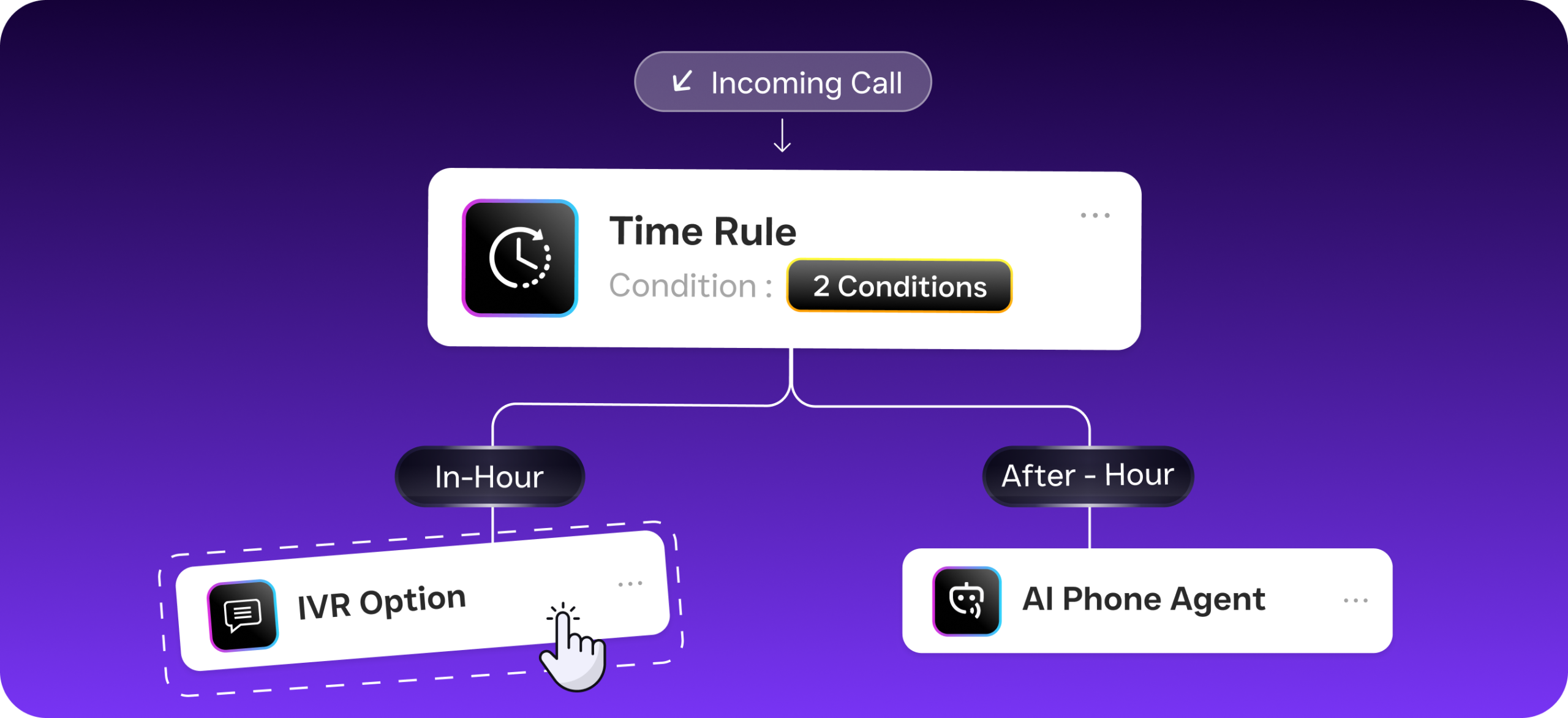
AI-powered answering services represent the newer category in this space. Instead of routing your calls to a call center, these platforms use conversational AI to handle calls automatically. The AI answers the phone, follows your custom scripts and call flows, collects caller information for intake, schedules consultations, and even qualifies whether a caller’s case fits your firm’s focus. Modern AI voice agents sound natural and can handle multi-turn conversations without the robotic feel that plagued earlier systems. According to a review of AI receptionist solutions for small businesses, the accuracy and natural language capabilities of these tools now rival human receptionists for routine call handling.
Why Law Firms Lose Clients Without an Answering Service
The legal industry has a unique problem. Clients often call during moments of crisis. Someone involved in a car accident, facing criminal charges, or going through a custody battle isn’t calmly comparison-shopping, they’re calling the first few firms they find and hiring whoever picks up. This urgency means that the speed of your response directly determines whether you win or lose the case. A voicemail greeting, no matter how professional, signals that you’re unavailable. The caller moves on to the next number in their search results. What does that actually look like? It looks like lost revenue.
The Financial Cost of Missed Calls
The revenue impact of missed calls is substantial and well-documented. Research from Aira’s analysis of missed business call statistics shows that small businesses across industries lose significant revenue to unanswered calls, with professional services firms being among the hardest hit. For a law firm where a single new client might represent $3,000 to $50,000 or more in fees depending on the practice area, even one or two missed calls per week can add up to devastating annual losses. Factor in the lifetime value of a client, referrals they send, and repeat business for other legal matters, and the true cost multiplies further.
The problem isn’t limited to after-hours calls, either. During business hours, your staff may be on another line, in a meeting, assisting a walk-in client, or simply overwhelmed during a high-volume period. Data on the true cost of missed calls consistently shows that small businesses miss a surprising percentage of incoming calls even during operating hours. For a law firm with one or two support staff members, it only takes a couple of simultaneous calls to create a bottleneck. That bottleneck sends potential clients straight to your competitors.
Client Expectations Have Changed
The 2024 Legal Trends Report highlights that clients increasingly expect immediate responsiveness from their attorneys. The days when a client would patiently leave a voicemail and wait for a callback? They’re fading fast. Today’s legal consumers, shaped by the same instant-gratification culture that drives Amazon same-day delivery and on-demand everything, expect to reach a live voice or get an immediate text response when they call. Firms that meet this expectation capture more clients. Firms that don’t lose them silently, often without ever knowing the call came in.
Law Firm Answering Service vs. Traditional Receptionists vs. AI Agents
Choosing the best answering service for law firms means understanding the three main options available: hiring a full-time in-house receptionist, contracting with a traditional answering service, or deploying an AI-powered phone agent. Each approach has clear advantages and trade-offs. The right choice depends on your firm’s size, call volume, budget, and growth goals. Let’s break down each option so you can make an informed decision.
In-House Receptionist
Hiring a dedicated receptionist gives you maximum control. Your receptionist knows your firm, your attorneys, and your clients personally. They can handle complex caller situations with empathy and nuance that technology still struggles to replicate, like calming down a distraught client or navigating a sensitive family law inquiry. According to the Bureau of Labor Statistics, the median salary for receptionists in the United States is approximately $36,000 per year. Add in benefits, payroll taxes, and overhead, and the true cost typically exceeds $45,000 annually.
The major downside? Coverage gaps. A single receptionist works roughly 40 hours per week out of the 168 hours in a week. That leaves 128 hours when calls go unanswered: evenings, weekends, holidays, lunch breaks, sick days, and vacations. You also face the problem of call overflow. When your receptionist is already on a call and a second one comes in, it rolls to voicemail. For a busy firm, this happens more often than most attorneys realize. Hiring a second receptionist doubles your costs but still doesn’t solve for after-hours or weekend coverage.
Traditional Answering Service
Traditional answering services solve the coverage problem. They provide live human operators around the clock. These services typically charge per minute of call time, with rates ranging from $1 to $3 per minute depending on the provider and plan tier. Popular legal-specific providers like Answering Legal, LEX Reception, Ruby, and Smith.ai have built their businesses specifically around law firm needs, offering bilingual receptionists, legal intake scripting, and CRM integrations with tools like Clio and MyCase.
The advantages are clear: 24/7 human coverage, professional call handling, and no hiring or management headaches. But the disadvantages are equally clear. Costs scale with call volume, quality can vary between operators, and you’re still dependent on human availability. During peak periods, Monday mornings, for example, or after a major local event that generates legal inquiries, hold times can increase and intake quality may drop as operators rush through calls. There’s also the confidentiality consideration: you’re trusting a third-party call center with sensitive client communications, which requires careful vetting of the provider’s security practices and ethical compliance.
AI-Powered Phone Agents
AI answering services represent the newest category. These platforms use conversational AI to handle calls automatically. The AI answers the phone in a natural-sounding voice, follows your custom scripts and call flows, collects intake information, answers frequently asked questions about your practice, and books appointments directly onto your calendar. All without human involvement. The cost structure is fundamentally different from traditional services. Instead of $1-3 per minute with a human service, AI phone agents typically cost a fraction of that per minute, making them dramatically more affordable at scale.
AI agents eliminate the variability problem entirely. Every caller gets the same consistent experience, whether they call at 9 AM on a Monday or 3 AM on a Saturday. There are no hold times because the AI can handle multiple simultaneous calls. And unlike a new call center operator who needs to learn your firm’s protocols, the AI follows your configured instructions perfectly from the very first call. The trade-off? AI currently handles complex emotional situations or highly unusual caller requests with less finesse than an experienced human receptionist. That said, this gap continues to narrow rapidly.
How to Choose the Best Answering Service for Law Firms
Selecting the right answering service requires evaluating several factors specific to your firm’s situation. The “best” option for a solo personal injury attorney handling 20 calls per day is very different from the best option for a three-location family law practice that needs bilingual support and after-hours coverage. Here’s a framework for making the right decision.
Evaluate Your Call Volume and Patterns
Start by auditing your current call data. How many calls does your firm receive per day, per week, and per month? What percentage come in after hours or on weekends? How many go to voicemail? If you don’t have this data readily available, most phone systems can generate call reports. Alternatively, you can simply track it manually for two weeks. This baseline tells you how big the problem actually is and helps you project costs accurately for different service types. A firm that misses five calls per week after hours has a different cost-benefit equation than one missing 30.
Also pay attention to the nature of your calls. What percentage are new client inquiries versus existing client questions versus spam and solicitations? If a large portion of your calls are routine, asking about your hours, location, practice areas, or consultation fees, an AI agent can handle those easily. If most calls require nuanced legal discussion or emotional support, you may need a human touch for at least a portion of them. Many firms find that a hybrid approach works best: AI handles the initial screening and routing, and human staff take over for complex situations that require attorney judgment.
Prioritize Legal-Specific Features
Not every answering service understands the legal industry’s unique requirements. When evaluating providers, look for features that matter specifically to law firms: conflict-of-interest screening questions built into the intake flow, practice-area-specific scripts that gather the right information for your case type, and integration with legal practice management software like Clio, MyCase, or PracticePanther. The service should also understand attorney-client privilege implications and handle caller information with appropriate confidentiality safeguards.
Appointment scheduling capabilities are critical for most law firms. The best answering service should be able to check your calendar availability in real time and book consultations without any back-and-forth. This eliminates the phone tag problem where a prospective client calls, leaves a message, you call back, they miss it, they call again, and by the third round, they’ve given up. Direct scheduling during the initial call dramatically improves your conversion rate from inquiry to consultation.
Compare Pricing Models Carefully
Answering services use several different pricing models. The cheapest advertised rate isn’t always the best value. Per-minute pricing, common with traditional services, can be unpredictable. A chatty caller or a complex intake can eat through your minutes quickly. Per-call pricing gives more predictability but may incentivize the service to keep calls short, potentially hurting caller experience. Monthly flat-rate plans offer budget certainty but may include limits you’ll exceed during busy months. AI-powered services often charge per minute of AI usage at much lower rates, making them the most cost-effective option for high-volume firms.
When comparing costs, always calculate the total monthly expense at your actual call volume, not just the base plan price. A service that costs $200 per month but charges $2.50 per minute overage could easily hit $800 in a busy month. Also factor in the revenue you’ll capture by answering calls you’re currently missing. If your average new client is worth $5,000 and an answering service helps you capture even two additional clients per month, the ROI is substantial regardless of which service type you choose.
Tips for Getting the Most Out of Your Legal Answering Service
Once you’ve selected and implemented an answering service, how you configure and manage it determines whether it becomes a revenue driver or just another expense line. The firms that see the strongest results treat their answering service as a core business system, not an afterthought. Here’s what separates high-performing implementations from mediocre ones.
Build Detailed Intake Scripts
The quality of your intake scripts directly determines the quality of leads your answering service delivers. Invest time upfront to create scripts that ask the right qualifying questions for each practice area. For a personal injury firm, this might include the date of the incident, type of injury, whether there’s insurance involved, and the statute of limitations timeline. For a family law practice, it might cover the type of matter (divorce, custody, adoption), whether it’s contested, and the county of filing. The more specific your scripts, the more prepared your attorneys are when they follow up, and the more professional the caller’s experience feels.
Review and refine your scripts regularly based on actual call outcomes. If you notice that callers frequently ask questions your script doesn’t address, add those answers. If certain qualifying questions consistently confuse callers or produce unhelpful responses, rewrite them. The best firms treat their intake process as a living system that improves over time rather than a static document they created once and forgot about. This continuous improvement pays compounding dividends in lead quality and conversion rates.
Set Clear Escalation Rules
Not every call should be handled the same way. Define clear rules for what constitutes an urgent call that requires immediate attorney notification versus a routine inquiry that can wait for a callback during business hours. A criminal defense firm might want immediate alerts for anyone calling about a recent arrest, while a real estate law practice might only escalate calls involving imminent closing deadlines. These escalation rules ensure that high-value, time-sensitive opportunities get the rapid response they deserve while lower-priority calls are handled efficiently without interrupting attorney productivity.
How SalesCaptain Helps Law Firms Answer Every Call
SalesCaptain’s AI Phone Agent is built to address exactly the challenges law firms face with missed calls and slow response times. The AI agent answers every incoming call 24/7 with a natural-sounding voice, follows your custom intake scripts to qualify potential clients, and books consultations directly onto your calendar. All without
Ready to see it in action?
See how law firms use SalesCaptain to capture every client lead without hiring expensive staff.
Book a Free Demo →Frequently Asked Questions
What is an answering service for law firms?
A law firm answering service is a third-party solution that handles incoming phone calls on behalf of your practice using either live operators or AI technology. These services answer calls using your firm’s name and protocols, take messages, qualify potential clients through intake questions, and can book consultations directly onto your calendar to ensure no call goes unanswered.
Why do law firms need an answering service in 2025?
According to Clio’s 2024 Legal Trends Report, responsiveness is one of the top factors clients consider when choosing legal representation, making missed calls costly for solo practitioners and small firms. Modern answering services enable firms of any size to deliver 24/7 responsiveness without hiring additional staff, ensuring potential clients don’t hire competitors while waiting for a callback.
What’s the difference between traditional and AI-powered answering services?
Traditional answering services rely on human receptionists working from call centers who follow scripts and handle one call at a time, while quality can vary by shift and costs per minute may escalate during busy periods. AI-powered answering services represent a newer, more scalable alternative that can handle multiple calls simultaneously and typically offer more consistent service.
Can an answering service book client consultations for my law firm?
Yes, many modern answering services have the capability to book consultations directly onto your calendar after qualifying potential clients through intake questions. This automation eliminates the back-and-forth communication delays and ensures interested prospects are scheduled before they contact your competitors.
How does a law firm answering service handle after-hours calls?
Law firm answering services are designed to handle calls 24/7, including after business hours, evenings, and weekends when your staff is unavailable or in court. This ensures that urgent matters like clients who’ve been served divorce papers or arrested can reach representation immediately rather than getting voicemail and potentially hiring another attorney.