
AI-powered customer experience marketing (CXM) platform that helps local businesses win.


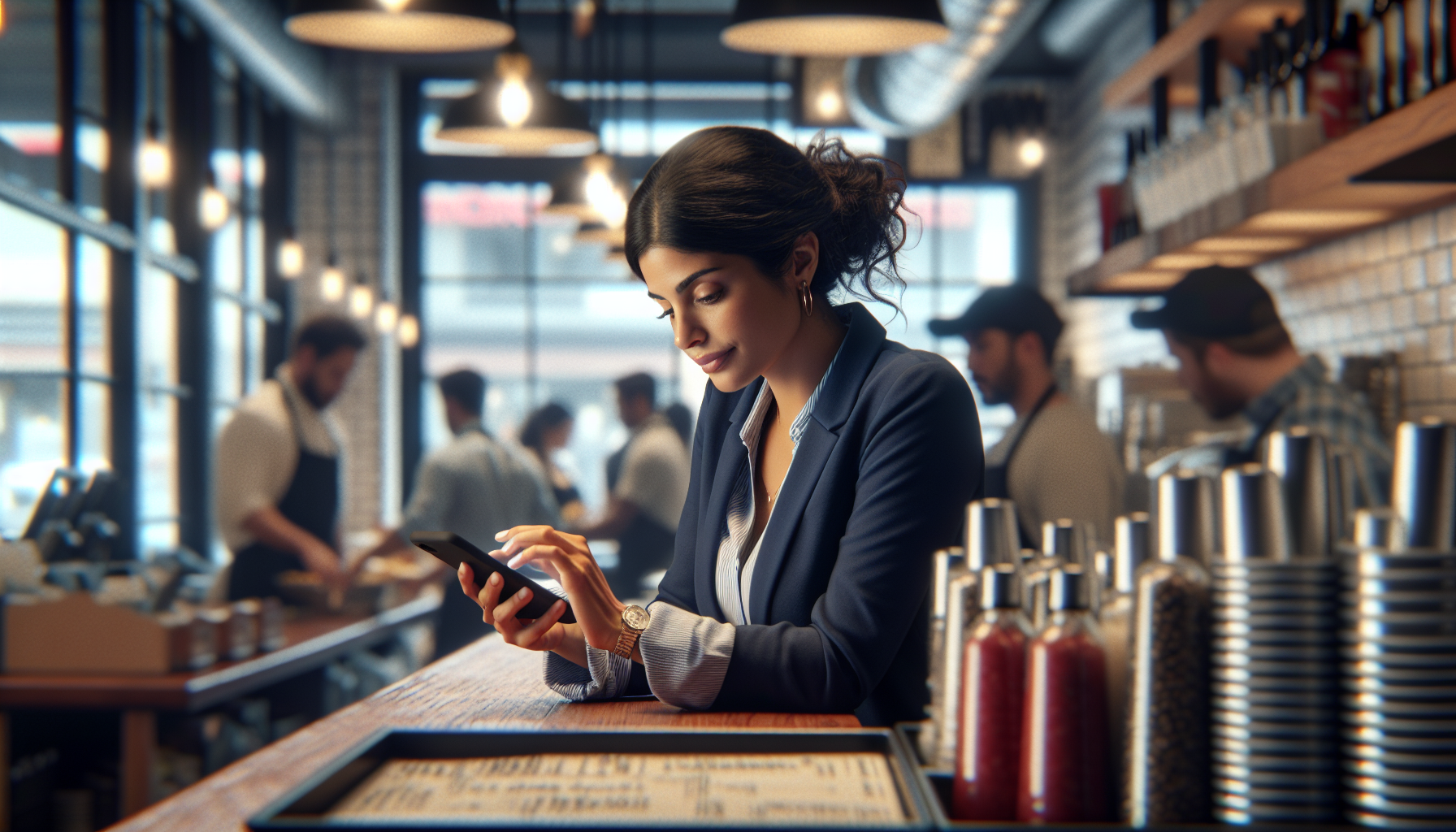
A customer walks past your restaurant, smells something amazing, and keeps walking. They meant to come back later but forgot. Meanwhile, your weekend brunch promo sits unseen in their email inbox, buried under 47 other messages. That’s the reality for most food and beverage brands relying on email alone. Text message marketing for food and beverage brands solves this problem by putting your offer directly on the one screen people actually check, their phone.
Text message marketing for food and beverage brands sends promotional offers, order updates, and loyalty rewards directly to customers’ phones via SMS. Unlike email, text messages reach customers on the screen they check most, delivering time-sensitive deals like flash sales and menu announcements with higher open and engagement rates.
Quick Answer
Text message marketing works for food brands because customers check texts immediately—98% open rates versus 20% for email. Send flash sales, limited-time offers, loyalty rewards, and personalized promotions directly to phones. SMS drives urgency, encourages repeat orders, and builds customer relationships at scale. Food brands see significant order increases by timing messages around meal hours and promoting exclusive deals to opted-in subscribers.
What Is Text Message Marketing for Food and Beverage Brands?
Text message marketing (often called SMS marketing) is the practice of sending promotional messages, order updates, loyalty rewards, and time-sensitive offers directly to customers’ phones via text. For food and beverage brands specifically, this includes everything from flash sale alerts and limited-time menu announcements to reorder reminders and shipping notifications for DTC (direct-to-consumer) products.
Related guide: auto reply text message.
Free weekly newsletter
Growth tips for service businesses
Every Tuesday — actionable ideas to get more leads, reviews, and repeat customers. No fluff.
What makes it different from other marketing channels? Speed and visibility. According to Route Mobile’s 2024 SMS marketing statistics, text messages have open rates above 90%, compared to roughly 20% for email. For a food brand where timing is everything, whether it’s a lunch special expiring at 2 PM or a flash sale on a new product drop, that immediacy isn’t just nice to have. It’s the difference between a sale and a missed opportunity.
Why SMS Outperforms Other Channels for Food and Beverage
Food and beverage is one of the most time-sensitive industries in retail. Your product is perishable, your offers are fleeting, and your customers make buying decisions fast. Email campaigns take hours to draft and days to generate results. Social media posts compete with thousands of other brands in an algorithmic feed. SMS cuts through all of that noise.
The Timing Advantage
Think about how food purchases actually happen. Someone decides they want lunch around 11:30 AM. A well-timed text at 11:15 with a special offer can redirect that decision in your favor. According to PowerTextor’s 2024 SMS statistics, most text messages are read within three minutes of delivery. No other channel offers that kind of response window, and for food brands, three minutes is all you need.
Higher Conversion, Lower Cost
SMS campaigns for food and beverage brands consistently outperform email on conversion rate. The reason is simple: fewer distractions. A text message doesn’t compete with banner ads, sidebar content, or spam filters. Your customer sees your offer, taps a link, and orders. That directness translates to stronger ROI per message sent, especially when you’re promoting limited-quantity items or time-bound deals.
Plus, the cost per message is dramatically lower than paid social ads or even email platforms at scale. For a small brewery, a regional restaurant chain, or a DTC snack brand, SMS marketing delivers outsized results relative to what you spend.
📺 Watch: How to Create an SMS Campaign
Five High-Impact SMS Strategies for Food and Beverage Brands
Not all text campaigns are created equal. The brands seeing real revenue from SMS aren’t just blasting coupons. They’re building systems that turn one-time buyers into repeat customers. Here are the strategies that actually move the needle.
1. Flash Sales and Limited-Time Offers
Urgency drives action. A text that says “Today only: Buy one entrée, get one free before 6 PM” creates a reason to act right now. Food and beverage brands have a natural advantage here because their products are inherently time-sensitive. Use SMS to promote daily specials, happy hour deals, or limited-batch product drops that won’t last.
2. Reorder and Subscription Reminders
If you sell consumable products, whether it’s coffee beans, hot sauce, or meal kits, reorder reminders are pure gold. Most customers intend to reorder but simply forget. A well-timed text (“Running low on your favorite cold brew? Reorder now and save 10%”) eliminates that friction. According to SimpleTexting’s small business marketing research, SMS is one of the top channels small businesses use to drive repeat purchases.
3. Loyalty Program Integration
Your loyalty program is only as effective as the engagement it generates. Sending points updates, reward notifications, and exclusive member-only offers via text keeps your program top of mind. Consider these loyalty-focused SMS tactics:
- Points balance updates after each purchase to encourage the next visit
- Birthday and anniversary offers with a direct redemption link
- Early access texts for new menu items or product launches, exclusively for loyalty members
- Tier upgrade notifications that celebrate the customer and incentivize continued spending
This approach turns your SMS list into a VIP channel, which increases opt-in rates because customers feel they’re getting something genuinely exclusive.
4. Shipping and Order Notifications
For DTC food and beverage brands, transactional texts aren’t just operational, they’re marketing opportunities. Every shipping notification is a touchpoint. Every delivery confirmation is a chance to ask for a review or suggest a complementary product. Brands that treat these messages as part of their marketing funnel see higher repeat purchase rates than those that rely on generic carrier updates.
5. Two-Way Conversations That Build Relationships
One-way blasts have their place, but the real power of SMS lies in conversation. Letting customers reply to your texts, ask questions about ingredients, modify orders, or give feedback, creates a relationship that no email newsletter can match. However, managing inbound messages at scale requires either dedicated staff or automation smart enough to handle it. Most small food brands can’t afford the former, which makes the latter essential.
Common Mistakes That Undermine Your SMS Campaigns
Plenty of food and beverage brands launch SMS programs and see initial excitement, only to watch engagement crater within a few months. The problem usually isn’t the channel itself. It’s how they’re using it.
- Over-messaging: Sending more than 4-6 texts per month leads to opt-outs. Respect the inbox. Every message should deliver clear value.
- Generic content: “Check out our menu!” isn’t a reason to pick up the phone. Personalize by purchase history, location, or loyalty tier.
- No clear CTA: Each text needs one specific action. Order now. Book a table. Claim your reward. Don’t give three options when one will do.
- Ignoring compliance: The FCC’s TCPA regulations require explicit opt-in consent before sending marketing texts. Violations carry fines up to $1,500 per message. Build your list properly from day one.
- Slow response to inbound messages: If a customer replies to your promo text with a question and doesn’t hear back for hours, you’ve wasted the entire interaction. Research on missed business communications shows that slow response times directly correlate with lost revenue for small businesses.
The brands that succeed long-term treat SMS as a relationship channel, not a megaphone. That means segmenting audiences, testing send times, and actually responding when customers write back.
How SalesCaptain Helps
Running SMS marketing effectively requires more than just a texting tool. You need a system that handles inbound replies, automates follow-ups, and connects text conversations to your broader customer communication. SalesCaptain was built for exactly this kind of workflow.
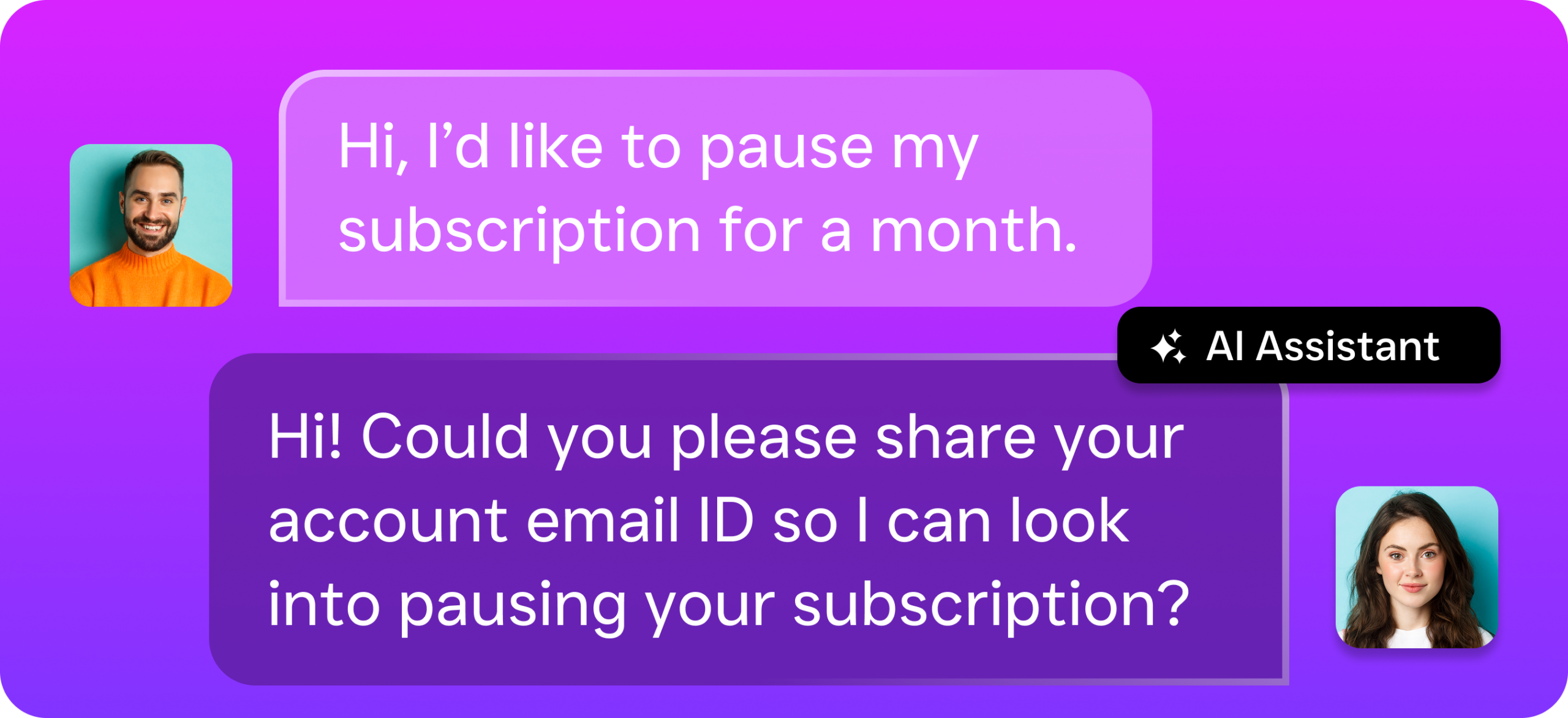
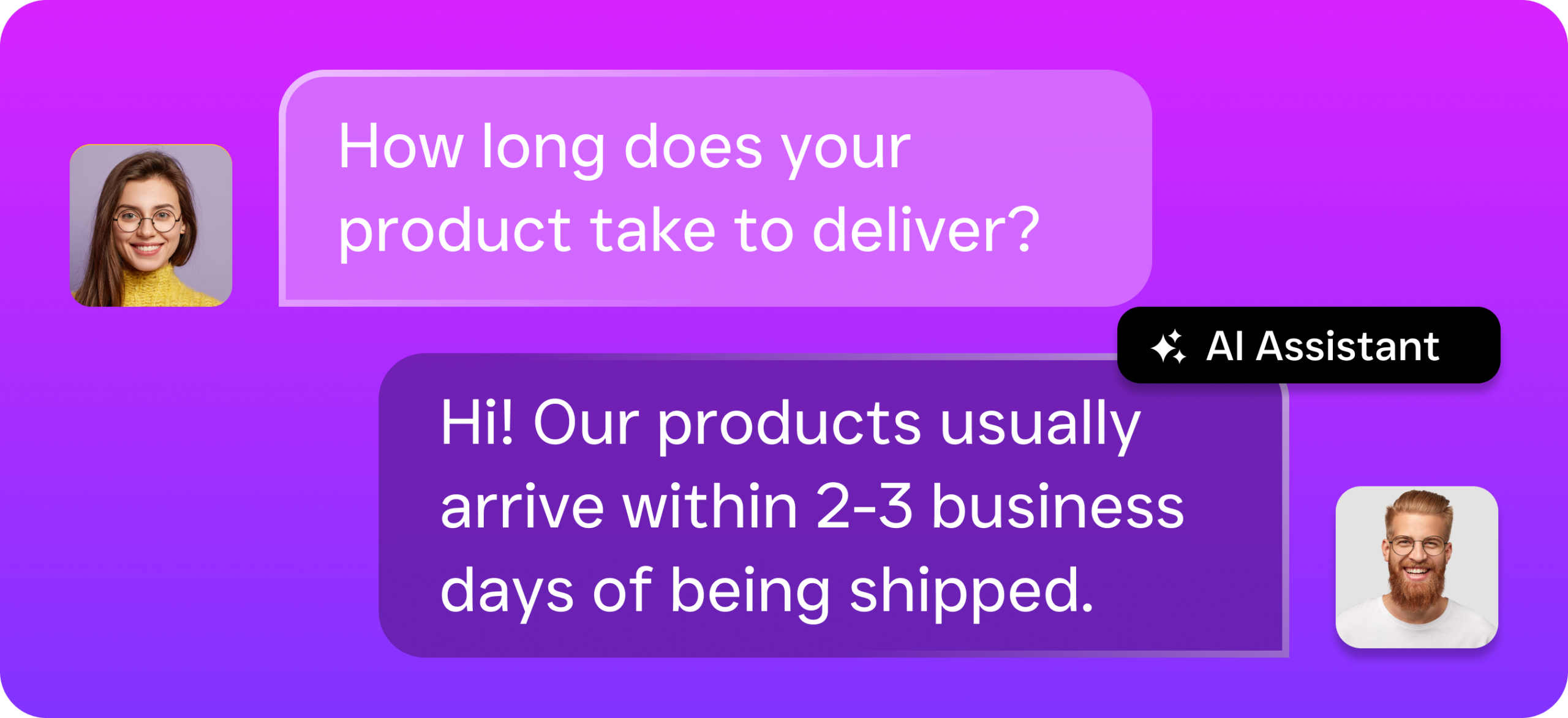
With SalesCaptain’s AI Chat Agents, your food or beverage brand can respond instantly to customer texts 24/7. When someone replies to your promotion asking about allergen information, store hours, or order status, the AI agent handles it automatically. No lag time, no missed messages, no need to hire extra staff during a campaign push.
The platform’s capabilities go well beyond basic texting:
- Missed call text-back: When a customer calls during your lunch rush and nobody answers, SalesCaptain automatically sends a text so you don’t lose that lead
- Unified Inbox: Every SMS conversation, webchat, Instagram DM, Facebook message, and phone call appears in one place, so your team isn’t jumping between apps
- Workflow Automation: Set up trigger-based sequences for reorder reminders, post-purchase review requests, and loyalty reward notifications using a drag-and-drop builder
- Payments via Text: Let customers pay directly through a text link, perfect for catering deposits, pre-orders, or DTC product sales
- High-volume SMS: Run large-scale campaigns to your full subscriber list without deliverability issues
For multi-location restaurants or beverage brands, SalesCaptain’s per-location pricing ($159/month per location, with a free plan for single locations) keeps costs predictable as you grow. Compare that to platforms like Podium or Birdeye, which don’t offer transparent pricing and lack features like workflow automation and payments via text. SalesCaptain also integrates natively with tools food businesses already use, including Shopify for DTC orders, QuickBooks for accounting, and HubSpot for CRM.
The result? Your SMS marketing doesn’t exist in a silo. It’s connected to your phone system, your customer history, and your automation workflows, all managed from one dashboard your team can actually use without technical expertise.
Key Takeaways
Text message marketing for food and beverage brands isn’t optional anymore. It’s the fastest, most direct path to reaching customers at the moment they’re making buying decisions. The channel’s open rates, response speed, and conversion potential make it far superior to email or social media for time-sensitive food promotions.
Success requires more than just sending blasts. You need personalized messaging, compliance with TCPA regulations, fast response handling for inbound replies, and automation that connects SMS to your broader customer communication. The brands winning with SMS are those treating it as a two-way relationship channel backed by smart automation.
Whether you’re a single-location café or a multi-location restaurant group, the fundamentals are the same: send fewer, better messages, respond to every reply quickly, and connect your texting to the rest of your customer experience. That’s what turns subscribers into loyal, repeat customers.
Common SMS Mistakes Food Brands Make (And How to Avoid Them)
The most costly mistake is message frequency. Brands eager to boost sales often text too frequently, triggering opt-outs faster than a failed loyalty program. The sweet spot is typically 2-4 messages per week, reserved for genuinely time-sensitive offers, order updates, or loyalty rewards. Test your cadence ruthlessly. If unsubscribe rates spike after a campaign, you’re texting too much. Remember: one lost customer costs more than one unsent promotion.
Timing matters as much as frequency. Sending lunch specials at 9 PM or breakfast deals at 4 PM wastes your message on people who can’t act. Segment your list by location, daypart preference, or purchase history, then schedule messages for when customers are most likely to visit. A coffee shop’s morning rush crowd needs different timing than a dinner-only restaurant. Platforms like SalesCaptain allow you to automate these sequences based on customer behavior, ensuring your 2 PM flash sale hits at 1:55 PM, not midnight.
Generic messages kill conversion rates. “We have a sale” doesn’t work. “Your favorite burger is $3 off today only” does. Personalization doesn’t require data science—reference past orders, local store details, or preference-based segments. Include a clear, single call-to-action with a promo code or link, never three competing offers. Finally, always honor opt-in preferences. Customers who texted “PIZZA” want pizza deals, not general promotions. Mismatched messaging erodes trust permanently.
The final pitfall is neglecting compliance. Texting without clear opt-in consent, failing to honor opt-outs, or missing TCPA regulations risks legal liability and brand damage. Include “Reply STOP to unsubscribe” in every message and process opt-outs within 24 hours. When done correctly, SMS becomes your most reliable channel. When done wrong, it becomes your most expensive mistake.
Frequently Asked Questions
How often should a food or beverage brand send marketing texts?
Most successful food brands send between 4 and 8 texts per month. Going beyond that risks opt-outs. The key is making every message valuable, whether it’s an exclusive offer, a restock alert, or a loyalty reward. If you’re running a daily special, consider limiting SMS promotion to your highest-margin days rather than texting every single day.
What’s the best way to build an SMS subscriber list for a restaurant?
Start with your existing customers. Add SMS opt-in to your checkout process, loyalty signup, online ordering flow, and WiFi login page. QR codes on table tents and receipts also work well. According to Panacea Mobile’s research on SMS marketing trends, offering an immediate incentive (like 10% off the next order) significantly increases opt-in rates.
Is text message marketing effective for DTC food and beverage brands?
Extremely effective. DTC brands see some of the highest SMS ROI because they can tie text campaigns directly to online purchases. Reorder reminders, subscription renewal nudges, and new product launch announcements all perform well over text. The ability to include a direct purchase link makes conversion tracking straightforward.
Do I need separate tools for SMS marketing and customer communication?
You shouldn’t. Using one tool for outbound SMS campaigns and another for handling inbound replies creates gaps where messages get lost. A unified platform that combines marketing texts, customer responses, and other channels like calls and webchat gives your team complete visibility into every customer interaction.
What compliance rules apply to SMS marketing for food businesses?
All commercial SMS marketing in the United States falls under the Telephone Consumer Protection Act (TCPA). You must get explicit written consent before texting customers, include opt-out instructions in every message, and honor unsubscribe requests immediately. Penalties for violations are steep, so don’t cut corners on compliance regardless of your business size.
Ready to see it in action?
See how food and beverage brands use SalesCaptain to convert text messages into repeat orders.
Book a Free Demo →See How SalesCaptain Can Help
SalesCaptain gives food and beverage brands everything they need to run high-converting SMS campaigns, handle inbound customer replies with AI, and manage every conversation from one unified inbox. With a free plan for single locations and transparent per-location pricing as you scale, there’s no barrier to getting started.
Visit SalesCaptain.com to set up your first AI-powered text campaign today.