
AI-powered customer experience marketing (CXM) platform that helps local businesses win.



A guest walks in, loves the food, compliments the server, and never comes back. That’s not a rare event for most restaurants. It’s the default. Understanding how to get more repeat customers for restaurants is the difference between a business that grows steadily and one that’s stuck spending every dollar chasing new faces who may never return.
Quick Answer
Build repeat business by delivering consistent quality, personalizing service to recognize returning guests, implementing a loyalty program with meaningful rewards, and actively requesting feedback to show you value their opinions. Regular promotions, special events for regulars, and excellent follow-up communication through email or text also significantly increase visit frequency and customer lifetime value.
What Does Restaurant Customer Retention Actually Mean?
Restaurant customer retention is the practice of turning first-time diners into regulars. It’s not just about having good food, though that’s table stakes. Retention covers every interaction a guest has with your restaurant, from the moment they find you online to the follow-up text after their meal. A retained customer is someone who chooses your restaurant again, and then again, without being re-acquired through expensive advertising.
Why does this matter so much financially? According to Harvard Business Review, increasing customer retention rates by just 5% can increase profits by 25% to 95%. For restaurants operating on razor-thin margins, that math is impossible to ignore. New customer acquisition through ads, promotions, and delivery app commissions can cost five to seven times more than keeping someone who’s already eaten at your place. Yet most independent restaurants spend the bulk of their marketing budget on acquisition and almost nothing on retention.
Free weekly newsletter
Growth tips for restaurants & cafes
Every Tuesday — actionable ideas to get more leads, reviews, and repeat customers. No fluff.
Why Restaurants Lose Repeat Business (and Don’t Realize It)
Before diving into strategies, it’s worth understanding why customers don’t come back. The reasons are rarely about bad food. They’re usually about friction, forgetting, and feeling unimportant.
The Invisible Revenue Leak
Most restaurant owners track new customers through reservations, online orders, and foot traffic. But almost nobody tracks who didn’t come back. There’s no alert that says “Sarah who loved your pasta last month hasn’t returned.” Without that visibility, you can’t fix what you don’t see. According to data from the U.S. Chamber of Commerce Small Business Index, a significant portion of small businesses cite customer engagement as a top operational challenge.
Missed Communication Kills Loyalty
Here’s a scenario that plays out constantly. A potential repeat customer calls to ask about weekend hours or place a takeout order. Nobody answers because the staff is busy during a rush. That caller doesn’t leave a voicemail. They just call the next restaurant on their list. According to OnceHub’s research on missed calls, 85% of people whose calls go unanswered won’t try calling back. For restaurants, every missed call during a dinner rush is potentially a lost regular.
The same problem shows up in digital channels. A customer sends an Instagram DM asking if you can accommodate a food allergy. No one responds for six hours. By then, they’ve already booked somewhere else. These micro-failures in communication erode loyalty quietly, one missed interaction at a time.
Five Proven Strategies to Build a Base of Repeat Restaurant Customers
Getting guests to return isn’t about gimmicks. It’s about building systems that make every customer feel valued, remembered, and well-served. Here are five strategies that actually work for independent and multi-location restaurants.
1. Build a Loyalty Program That People Actually Use
Loyalty programs work, but only if they’re simple. The programs that fail are the ones that require downloading a dedicated app, carrying a punch card, or remembering an account number. The ones that succeed use SMS or the customer’s phone number as the identifier.
What makes a restaurant loyalty program effective:
- Low friction enrollment. Capture a phone number at checkout, and you’re done. No app downloads.
- Meaningful rewards. A free appetizer after five visits beats a confusing points system.
- Automated reminders. Send a text when someone is one visit away from their reward.
- Birthday and anniversary perks. Personal touches that cost little but create emotional connection.
According to the NerdWallet small business data hub, small businesses that invest in customer relationship tools tend to see measurably higher repeat purchase rates. A simple text-based loyalty program costs almost nothing to run but can shift your repeat customer rate significantly.
2. Respond to Every Customer Inquiry Instantly
Speed matters more than perfection in restaurant communication. When someone texts asking about gluten-free options, a response in 30 seconds beats a beautifully crafted response two hours later. The same applies to phone calls, Instagram messages, Facebook inquiries, and website chat.
Most restaurants struggle here because their staff is already stretched thin. Hosts are seating guests, servers are taking orders, and managers are putting out fires. Nobody’s monitoring the five different channels where customers are reaching out. As a result, small businesses lose an estimated $26,000 or more per year from missed calls alone.
The fix isn’t hiring more people. It’s automating the initial response. An instant “Thanks for reaching out! We’ll have an answer for you shortly” text or chat reply buys time and keeps the customer engaged. Even better, automated systems can handle the most common questions, like hours, menu availability, reservation status, and takeout ETAs, without any staff involvement.
3. Personalize the Experience Beyond the Table
Personalization doesn’t require a Michelin-star budget. It requires data and follow-through. When you know a customer’s order history, dietary preferences, or visit frequency, you can create experiences that feel tailored.
Practical ways to personalize without adding staff workload:
- Send a “We miss you” text to customers who haven’t visited in 30 days, with a specific offer based on what they’ve ordered before.
- Follow up after a first visit with a thank-you message and a reason to return.
- Remember and accommodate known allergies or preferences when regulars book.
- Use order data to suggest new menu items that match a customer’s taste profile.
This kind of personalization depends on having customer data in one place. If your phone orders live in one system, online orders in another, and reservations in a third, you’ll never build a complete picture of who your customers are.
4. Collect Feedback and Act on It Visibly
Asking for feedback is easy. Acting on it in a way customers can see is where most restaurants fall short. The goal isn’t just to collect data. It’s to close the loop so customers feel heard.
After a visit, a short text asking “How was everything tonight?” can surface problems before they hit Yelp. When a customer flags an issue, responding quickly and making it right turns a potential detractor into a vocal advocate. Research from the Forbes Advisor small business statistics roundup shows that small businesses prioritizing customer experience consistently outperform those focused solely on acquisition.
Consider posting “You asked, we listened” updates on your social media or in-store signage when you make changes based on feedback. Added a new vegetarian option because customers asked? Say so. Extended weekend hours? Tell people why. Visible responsiveness builds trust, and trust builds repeat visits.
5. Stay Present Between Visits
The biggest enemy of repeat business isn’t a bad experience. It’s being forgotten. Between visits, your customers see hundreds of restaurant ads, posts, and recommendations. If you’re not staying in their awareness, someone else will.
Effective between-visit engagement looks like:
- SMS campaigns with limited-time specials, new menu launches, or event announcements. Keep them short and infrequent (once or twice a month max).
- Social media interaction that goes beyond posting food photos. Reply to comments, share user-generated content, and respond to every DM.
- Email newsletters with behind-the-scenes content, chef stories, or seasonal menu previews.
- Automated reminders for upcoming reservations, with an easy way to modify or cancel.
Each of these touchpoints reinforces your restaurant’s presence in a customer’s mind. However, they only work if the communication feels personal and timely, not spammy and generic.
New Customer Acquisition vs. Customer Retention for Restaurants
Understanding the cost dynamics helps explain why retention deserves more of your budget than it probably gets right now. Here’s how the two strategies compare:
| Factor | New Customer Acquisition | Customer Retention |
|---|---|---|
| Cost per customer | 5-7x higher | Significantly lower |
| Average order value | Lower (first-time caution) | Higher (trust and familiarity) |
| Referral likelihood | Low | High (regulars recommend) |
| Feedback value | Minimal | Actionable and specific |
| Revenue predictability | Volatile | Stable and forecastable |
| Communication channel | Paid ads, delivery apps | SMS, email, direct contact |
The takeaway isn’t that acquisition doesn’t matter. You need new customers. But the balance for most restaurants is way off. Shifting even 20% of your marketing spend toward retention activities typically yields a better return.
How SalesCaptain Helps Restaurants Build Repeat Business
Every strategy above depends on one thing: consistent, fast, personalized communication across every channel where customers reach you. That’s exactly what SalesCaptain is built for.
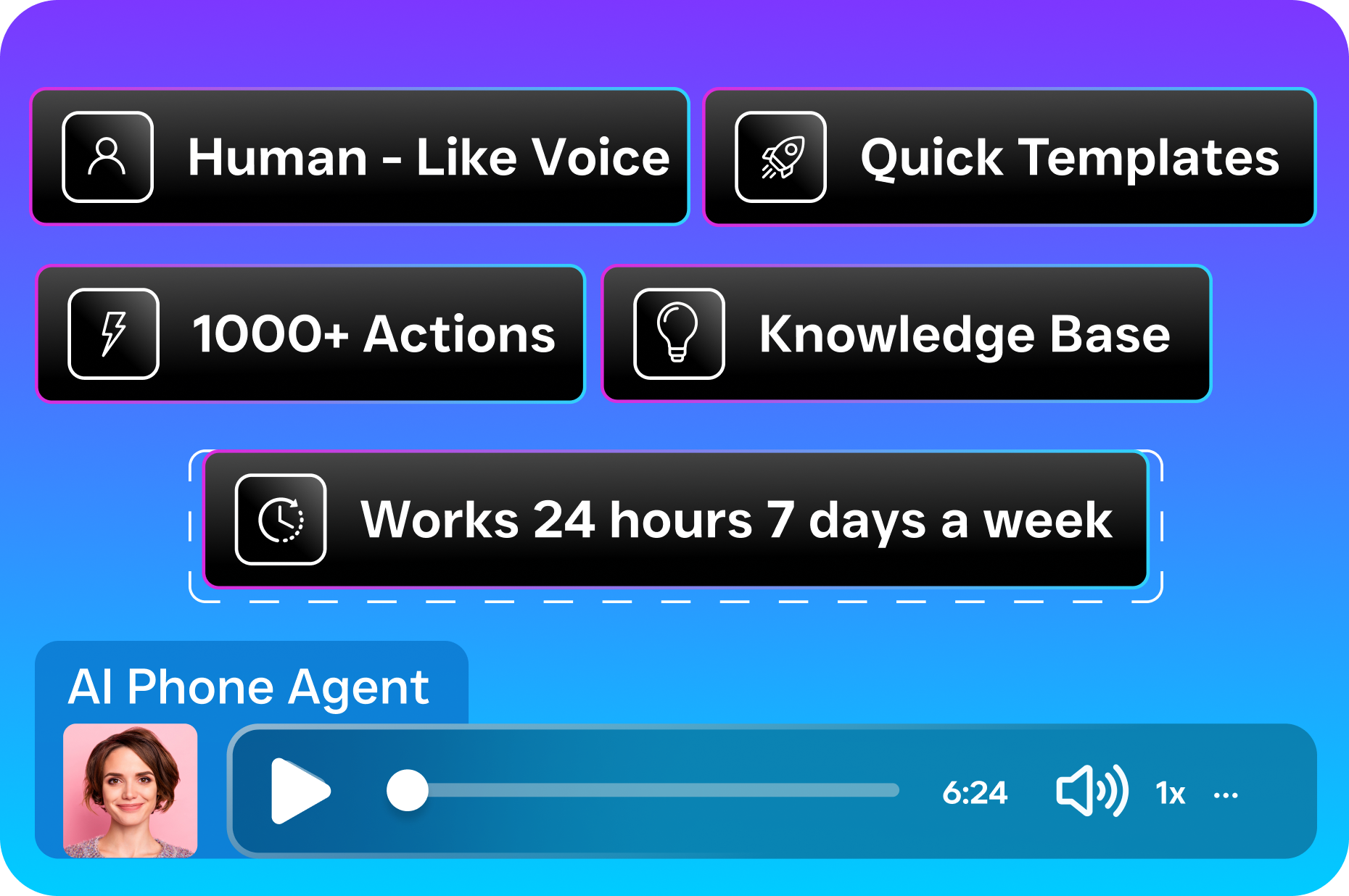
SalesCaptain’s AI Phone Agent answers every call 24/7, even during your busiest dinner rush. It handles reservation inquiries, answers menu questions, takes takeout orders, and blocks spam calls. No more losing potential regulars because the phone rang six times and went to voicemail. Plus, the missed call text-back feature automatically sends a text to any caller you can’t pick up, keeping the conversation alive.
On the digital side, AI Chat Agents respond instantly across SMS, webchat, Instagram DMs, and Facebook Messenger. When a customer asks about your weekend brunch special at 11 PM, they get an immediate, helpful response rather than silence. All of these conversations flow into a single Unified Inbox, so your team sees every customer interaction in one place, regardless of channel.
For retention-specific workflows, SalesCaptain’s drag-and-drop automation builder lets you set up sequences without any technical knowledge:
- Automated post-visit follow-ups asking for feedback
- Loyalty program reminders triggered by visit count
- “We miss you” messages for customers inactive for 30+ days
- Birthday and anniversary texts with personalized offers
- Appointment and reservation reminders with easy modification options
With integrations for tools like HubSpot, Salesforce, Zoho, and Zapier, your customer data stays synced across systems. And because SalesCaptain offers a free Startup plan, you can test these capabilities at a single location before scaling to others at $159/month per location.
Key Takeaways
Learning how to get more repeat customers for restaurants comes down to building systems, not just hoping people come back. The food matters, but so does every interaction before, during, and after the meal.
- Retention is dramatically cheaper and more profitable than constantly chasing new customers.
- Most repeat business is lost through communication failures, not food quality issues.
- Simple, SMS-based loyalty programs outperform complex app-driven ones.
- Instant responses across all channels prevent customers from drifting to competitors.
- Personalization and visible feedback loops build the emotional connection that turns diners into regulars.
- Staying present between visits through targeted, infrequent messaging keeps your restaurant top-of-mind.
Restaurants that treat communication as a core part of their retention strategy don’t just survive. They build the kind of loyal customer base that sustains growth year after year.
Frequently Asked Questions
How often should a restaurant send promotional texts to customers?
Once or twice a month is the sweet spot for most restaurants. Any more than that and you risk opt-outs. Each message should offer genuine value, whether that’s a limited-time special, a new menu item, or an event invite. Automated sequences for birthdays or loyalty milestones can supplement your regular campaigns without feeling excessive.
Do loyalty programs actually work for small, independent restaurants?
Yes, particularly text-based ones with low enrollment friction. You don’t need a custom app or an expensive platform. A system that tracks visits by phone number and automatically sends rewards at thresholds (like a free dessert after every fifth visit) is simple to run and genuinely effective. The key is making the reward feel meaningful and the process effortless for the guest.
What’s the biggest reason first-time restaurant customers don’t return?
In most cases, it’s not a bad experience. It’s simply forgetting. Without a follow-up touchpoint after the first visit, your restaurant fades into the background noise of every other dining option. A simple thank-you text within 24 hours of a first visit, paired with a small incentive to return, addresses this directly.
How can restaurants handle customer communication during peak hours?
Automation is the most practical answer. AI-powered phone and chat agents can handle common inquiries like hours, menu questions, and reservation requests without pulling staff away from in-person guests. Even a basic missed-call text-back system ensures no customer inquiry goes completely unanswered during a rush.
Should restaurants focus on online ordering customers differently for retention?
Absolutely. Online-only customers don’t get the in-person experience that naturally builds connection, so you’ve to compensate through digital touchpoints. Include a personal note or small extra item in delivery orders. Follow up via text to ask about the experience. And make reordering as easy as possible, ideally with one-click access to their previous orders. These small gestures bridge the gap between a transaction and a relationship.
Ready to see it in action?
See how restaurants use SalesCaptain to turn repeat customers into loyal regulars automatically.
Book a Free Demo →See How SalesCaptain Can Help Your Restaurant Build Repeat Business
SalesCaptain gives restaurants AI-powered phone and chat agents, a unified inbox for every customer channel, and automated follow-up workflows, all starting with a free plan. Stop losing regulars to missed calls and slow responses.
Start your free SalesCaptain account today and turn more first-time diners into lifelong customers.