
AI-powered customer experience marketing (CXM) platform that helps local businesses win.


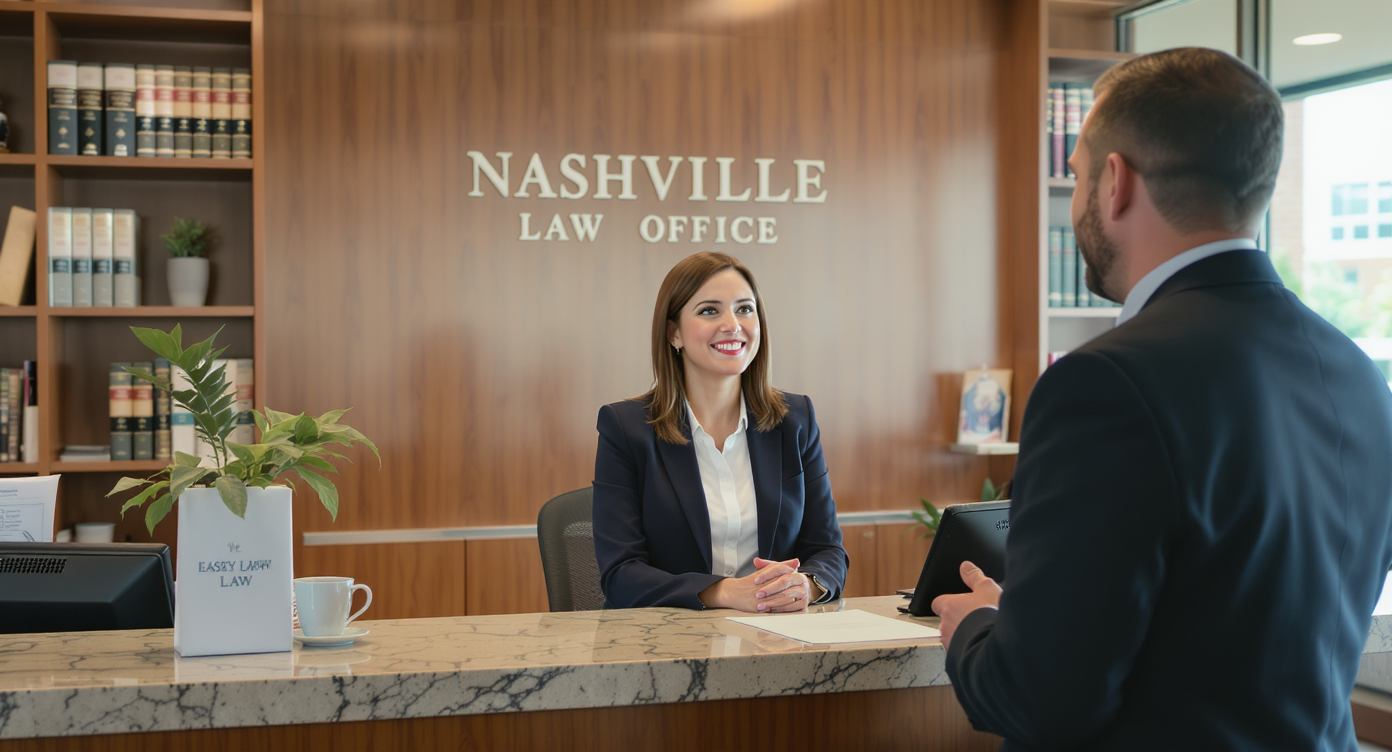
A potential client calls your Nashville law firm at 6:15 PM. Nobody picks up. They hang up, search for the next attorney on Google, and call someone else. That lost call didn’t just cost you a consultation fee—it cost you a case worth thousands. For law firms across Nashville, this scenario plays out every single day. Most attorneys don’t even realize how much revenue is slipping through the cracks.
A virtual receptionist for law firms in Nashville is a 24/7 answering service that captures incoming calls, qualifies potential clients, and routes urgent matters to attorneys. Unlike traditional receptionists, virtual systems never miss calls, ensuring no leads slip away during evenings, weekends, or holidays.
What Is a Virtual Receptionist for Law Firms?
A virtual receptionist for law firms in Nashville is a system that answers incoming calls, qualifies potential clients, captures intake information, and routes urgent matters to the right attorney. No human sitting at a front desk needed. Unlike a traditional receptionist who works fixed hours, a virtual receptionist operates around the clock. No call goes unanswered regardless of when it comes in.
There are two main approaches. The first is a human-staffed answering service, where remote operators handle your calls using scripts you provide. The second is an AI-powered virtual receptionist that uses natural language processing to hold real conversations, ask qualifying questions, and book consultations automatically. According to recent industry data on AI receptionist adoption, the shift toward AI-driven solutions has accelerated rapidly. The technology has matured enough to handle nuanced professional conversations.
Why Nashville Law Firms Are Losing Clients to Missed Calls
Nashville’s legal market is competitive. The city’s population growth over the past decade has brought a surge of new residents who need attorneys for everything from real estate closings to family law matters. Yet many Nashville law firms still rely on a single front-desk receptionist or, worse, voicemail. The math doesn’t work.
The After-Hours Revenue Gap
People don’t schedule their legal problems around business hours. A parent facing a custody dispute might finally have time to research attorneys at 9 PM after putting kids to bed. A small business owner dealing with a contract issue might call during their lunch break, only to reach your voicemail during your team’s lunch break too.
What does that look like in practice?
According to research on missed call patterns for local businesses, a significant percentage of inbound calls to service businesses occur outside standard working hours. Every one of those missed calls is a prospective client who’ll likely call your competitor next.
The 2024 Legal Trends Report from Clio paints a clear picture. Solo and small firms struggle with client responsiveness. Firms that respond faster consistently win more business. Yet most small practices lack the infrastructure to do it quickly.
Staff Cost and the Turnover Problem
Hiring a full-time receptionist in Nashville means paying a competitive salary in a tight labor market. Add benefits, training time, and dealing with inevitable turnover. According to the Bureau of Labor Statistics, receptionist roles experience high turnover rates nationally. You’re not just paying for one hire. You’re paying to hire, train, and replace that position repeatedly. And even your best receptionist can’t answer two calls at once or work evenings and weekends without overtime costs.
What a Great Virtual Receptionist Actually Does for a Law Firm
Not all virtual receptionist solutions are created equal. For a law firm, the stakes are much higher. Callers are often stressed. They’re dealing with sensitive situations. And they’re forming their first impression of your practice based entirely on that initial interaction. Here’s what separates a capable legal virtual receptionist from a basic answering service.
Intelligent Legal Intake
A good virtual receptionist doesn’t just take a message. It conducts a structured intake conversation. That means asking what type of legal matter they’re dealing with. Collecting their contact information. Noting any time-sensitive deadlines like court dates or statute of limitations concerns. And determining whether the matter falls within your practice areas. This pre-qualification saves attorneys from spending billable time on calls that aren’t a fit.
Professional Tone That Matches Your Brand
Legal callers expect professionalism. Your virtual receptionist needs to sound competent, empathetic, and composed. It shouldn’t sound like a generic customer service bot or a bored call center agent reading from a script. The best AI-powered systems today maintain a natural, professional conversational tone. They adapt their responses based on what the caller says. Think of it as the difference between a well-trained paralegal and someone reading off a laminated card.
Features Worth Prioritizing
When evaluating options, Nashville law firms should focus on capabilities that directly affect client conversion and operational efficiency:
- 24/7 live answering with no voicemail fallback during off-hours
- Appointment scheduling that syncs with your calendar in real time
- Lead qualification based on practice area, case type, and urgency
- Call summaries and transcriptions so attorneys can review conversations without listening to full recordings
- Spam filtering to keep robocalls and solicitors from wasting your team’s time
- Integration with legal software like Clio for seamless case management
- Multi-channel coverage across phone, text, webchat, and social media messages
Comparing Your Options: AI vs. Human vs. Hybrid
Nashville law firms generally have three paths when choosing a virtual receptionist setup. Each has real trade-offs. Understanding them helps you make a decision that fits your practice size and budget.
Human Receptionist Services
Companies like Smith.ai and Ruby provide live human operators who answer your calls. The upside is obvious: a real person on the line. But the downsides are significant. Pricing typically runs per call or per minute, and costs add up fast for firms with meaningful call volume. Smith.ai charges on a per-call basis that gets expensive at scale. Ruby’s per-minute rates can surprise you at month-end. Neither offers meaningful AI automation. No unified messaging across channels. And no ability to handle texts and social media inquiries alongside calls. You’re paying premium prices for a single channel.
AI-Powered Virtual Receptionists
AI solutions handle calls using natural language processing. They operate 24/7 without fatigue, sick days, or overtime. They can process multiple calls simultaneously, something no human receptionist can do. Modern AI voice agents have moved well beyond the clunky phone trees of a few years ago. They hold genuine conversations, understand context, and respond appropriately. According to independent testing of AI answering services, the top platforms now handle routine business calls with a level of quality that callers frequently can’t distinguish from a human.
The trade-off? Highly emotional or unusually complex calls sometimes benefit from human empathy. But most initial intake calls follow predictable patterns. AI handles those well.
What to Watch Out For
Some platforms market themselves as complete communication solutions but fall short. Birdeye lacks call routing, IVR, hold music, and any AI for calls. It’s primarily reputation management, not a communication platform. OpenPhone offers minimal AI capabilities and only seven integrations. That’s a basic phone app, not a legal intake solution. Grasshopper provides voice-only service with no AI, no texting automation, and no unified inbox. Before committing, verify that your chosen platform actually covers the channels and features your firm needs.
Why Nashville Law Firms Choose SalesCaptain
Nashville’s legal community ranges from solo practitioners in Germantown to mid-size firms in the Gulch. Each faces the same core challenge: handling client communication professionally without overstaffing. SalesCaptain addresses this by combining an AI Phone Agent, AI Chat Agents, and a Unified Inbox. All built specifically for service businesses.
Here’s what makes it particularly well-suited for legal practices:
- AI Phone Agent answers every call with a natural-sounding voice, qualifies leads by practice area, books consultations, answers common questions about your firm, and blocks spam. It works 24/7, including holidays and weekends.
- AI Summaries and Transcriptions convert every call into a searchable text record with speaker distinction and key takeaway summaries. Attorneys can scan a two-paragraph summary instead of listening to a 12-minute recording. That’s invaluable for follow-ups and conflict checks.
- Clio integration means intake data flows directly into your case management system without manual entry or duplicate records.
- Unified Inbox consolidates calls, texts, webchat messages, Facebook Messenger, Instagram DMs, and email into one view. Your team sees every client touchpoint in a single thread. That matters when a prospective client texts after an initial call.
- Missed call text-back automatically sends a text to any caller you can’t answer, keeping the conversation alive instead of losing it to a competitor.
- Call Flows let you build custom routing with a drag-and-drop builder. Urgent calls reach the right attorney while routine inquiries get handled by the AI agent.
Pricing starts with a free plan for a single location. The Business tier runs $159/month per location. AI calls are billed at $0.12 per minute, which is a fraction of what human answering services charge. For Nashville firms managing multiple offices, the per-location pricing model keeps costs predictable as you grow.
Frequently Asked Questions
Can an AI virtual receptionist handle sensitive legal calls professionally?
Yes. Modern AI voice agents like SalesCaptain’s AI Phone Agent are designed to maintain a professional, composed tone throughout conversations. They follow your custom scripts and call flows. They ask appropriate intake questions. And they avoid giving legal advice. For calls that require human judgment, the system can route them to an attorney in real time using warm or cold transfers.
Does a virtual receptionist integrate with Clio and other legal software?
SalesCaptain integrates natively with Clio and over 50 other business tools including HubSpot, Salesforce, Zoho, and QuickBooks. Intake data captured by the AI agent flows directly into your case management system. There’s no need for manual re-entry. You can also connect additional tools through Zapier if you use niche legal software.
How much does an AI virtual receptionist cost compared to a human answering service?
Human answering services like Smith.ai and Ruby typically charge per call or per minute. Costs increase as your volume grows. SalesCaptain’s AI calls cost $0.12 per minute. The platform subscription starts free for one location or $159/month for the full Business plan. For most firms, this represents a significant cost reduction compared to human services. Plus you get 24/7 coverage.
Will callers know they’re speaking to an AI and not a real person?
SalesCaptain’s AI Phone Agent uses natural-sounding voice technology. It holds genuine, context-aware conversations. Callers frequently can’t tell the difference. However, you can choose to disclose AI use at the start of calls if your firm’s ethics policies or state bar guidelines require it. The system is flexible enough to accommodate either approach.
Can the virtual receptionist handle calls and text messages at the same time?
Absolutely. SalesCaptain isn’t just a phone solution. Its AI Chat Agents handle SMS, webchat, Instagram DMs, and Facebook Messenger simultaneously. The AI Phone Agent manages calls. Everything appears in a single Unified Inbox. Your team sees the full picture of every client interaction across all channels without switching between apps.
See How SalesCaptain Helps Nashville Law Firms Capture Every Client
Join Nashville businesses already using SalesCaptain to answer every call, qualify every lead, and book more consultations. All without hiring additional staff. Start your free account at SalesCaptain.com and see the difference 24/7 AI-powered client intake makes for your practice.