
AI-powered customer experience marketing (CXM) platform that helps local businesses win.


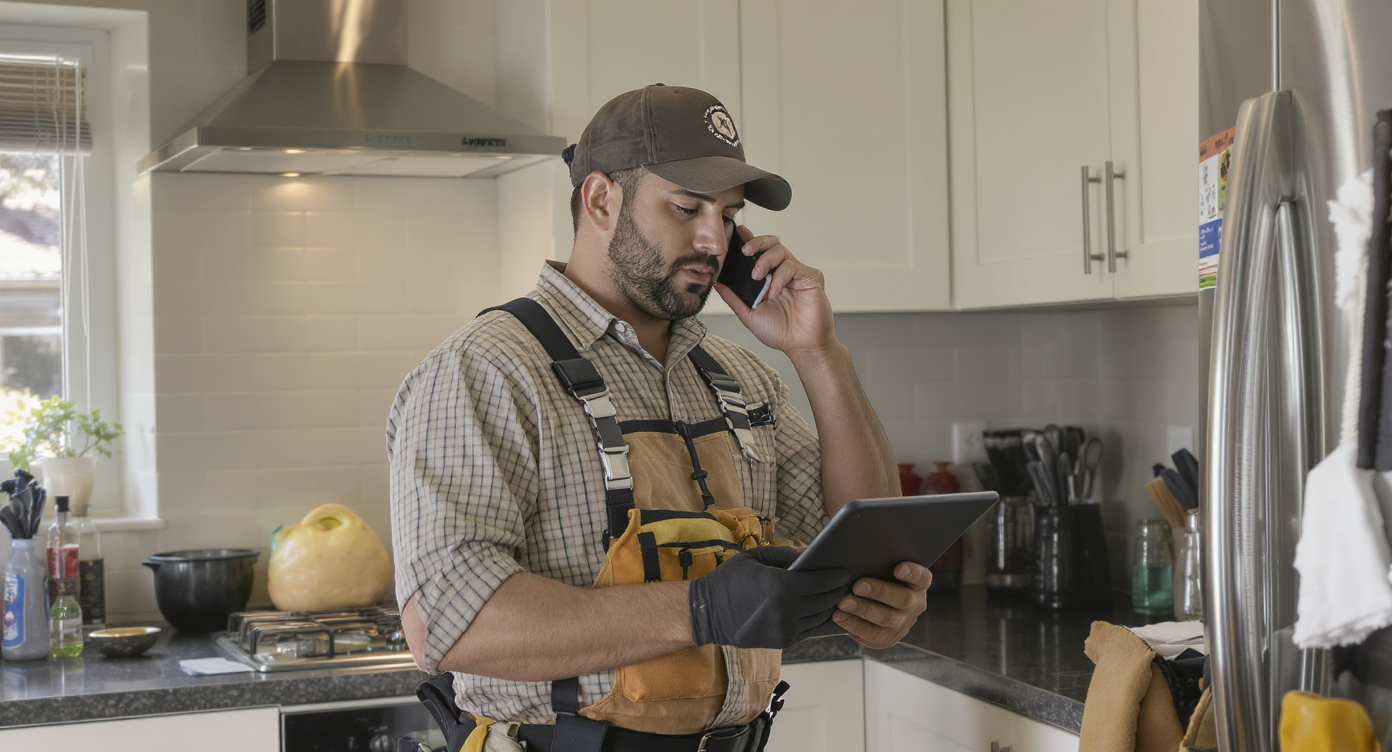
A homeowner spots termites in her garage. She calls three pest control companies. Two don’t pick up. The third answers on the first ring and books a same-day inspection. That’s a customer you just lost. And she’s never calling back. Learning how to reduce missed calls for pest control companies isn’t just about phone etiquette. It’s about protecting revenue that walks out the door every time a call goes unanswered.Reducing missed calls for pest control companies means capturing inbound calls through multiple channels and responding quickly to customers with urgent problems. Most callers won’t leave voicemail or retry, so answering promptly or using automated response systems like call routing and text-back services is essential to prevent losing revenue and customers to competitors.
Quick Answer
Pest control companies reduce missed calls by implementing dedicated phone lines, call routing systems, and hiring dedicated staff or outsourcing to answering services. Setting up voicemail with callbacks, using scheduling software to track calls, and training staff on call protocols ensures no opportunity slips through. Many also utilize text message confirmations and online booking options to capture leads missed by phone.
Free weekly newsletter
Growth tips for home service businesses
Every Tuesday — actionable ideas to get more leads, reviews, and repeat customers. No fluff.
What Are Missed Calls and Why Do They Matter for Pest Control?
A missed call is any inbound call your business doesn’t answer. Whether it rings out, hits a generic voicemail, or gets dropped by a busy signal. For pest control companies, these calls carry outsized importance because most customers are dealing with urgent problems. Nobody schedules a “convenient time” to discover a wasp nest above their back door.According to recent missed call research, the majority of callers who reach voicemail won’t leave a message. They won’t try again either. They just call the next company on the list. The pest control industry runs on speed. Rodent infestations, bed bugs, and wildlife intrusions all create emotional urgency. And the company that picks up first usually wins the job. That’s what makes missed calls so expensive in this vertical.The Real Cost of Every Unanswered Call
Most pest control business owners underestimate how much revenue disappears through missed calls. It’s easy to track the jobs you completed this month. It’s nearly impossible to measure the ones that never made it past your phone system.Revenue That Vanishes Quietly
Consider a typical pest control company charging $250 per treatment. If your office misses just five calls per week and even half of those were potential customers, that’s $625 in lost revenue every single week. Over a year, you’re looking at more than $30,000 in business. That’s money that went to competitors simply because nobody answered. According to a small business missed call revenue study, the compounding effect of lost repeat business and referrals makes the true cost significantly higher.Reputation Damage You Can’t See
Missed calls don’t just cost you one job. They cost you reviews, referrals, and long-term customer relationships. A frustrated caller who couldn’t reach you might leave a negative review about your responsiveness. Even though your technicians do excellent work. Meanwhile, the SCORE small business data consistently shows that customer retention and responsiveness are among the top factors separating businesses that survive from those that don’t.📺 Watch: Missed Call Text Back Setup in 5 Minutes
Why Pest Control Companies Miss So Many Calls
Before you can fix the problem, you need to understand where the breakdown happens. Pest control businesses face a unique combination of operational challenges that make call handling harder than it looks.- Seasonal volume spikes: Spring and summer bring massive call surges. Your two-person office team might handle January volume fine but buckle under a 300% increase in May when ant and mosquito season hits.
- Technicians in the field: Your most knowledgeable people are crawling under houses, not sitting at desks. When a customer calls with a technical question, the front desk may not have answers, and callbacks get lost in the shuffle.
- After-hours emergencies: Pest problems don’t follow business hours. A raccoon in someone’s attic at 9 PM generates a call whether your office is open or not. Without coverage, that caller moves on immediately.
- Multi-channel chaos: Customers now reach out through phone, text, Facebook messages, website chat, and email. If your team only monitors the phone line, you’re missing inquiries on every other channel.
- Small staff, big workload: According to SBA data on small business profiles, most service businesses operate with fewer than 20 employees. Pest control companies typically run even leaner. One sick day or one lunch break sends calls straight to voicemail.
Proven Strategies to Reduce Missed Calls
Reducing missed calls requires a layered approach. No single tactic solves the problem entirely. But combining several creates a phone system that captures nearly every opportunity. What does that look like in practice?Set Up Automated Text-Back for Every Missed Call
When you can’t answer, the next best thing is an instant text message. A simple “Thanks for calling [Your Company]. We missed your call but want to help. Can you describe the pest issue you’re dealing with?” keeps the conversation alive. Most callers will respond to a text. Even if they won’t leave a voicemail. This one tactic alone can recover a significant percentage of otherwise lost leads.Build Structured Call Flows
Instead of letting every call ring the same desk phone until someone picks up, create intelligent routing. A well-designed call flow greets callers with a professional message. It offers menu options like “Press 1 for scheduling, Press 2 for billing.” Then it routes calls to available team members or backup numbers in sequence. If nobody’s available, the system captures the caller’s information and triggers an automatic follow-up.Use Appointment Reminders to Prevent No-Shows
Missed appointments are the flip side of missed calls. Every no-show wastes a technician’s time. It also creates a gap in your schedule. Automated SMS and email reminders sent 24 hours and 2 hours before a scheduled visit dramatically reduce no-show rates. Include a one-tap option to confirm or reschedule. So customers don’t have to call back just to move their appointment.Extend Your Coverage Beyond Business Hours
Pest emergencies peak in the evening and on weekends. If your phone shuts off at 5 PM, you’re invisible during some of the highest-intent calling hours. After-hours call handling ensures every caller gets a response. Whether through an AI agent or a forwarding system. Even capturing their name and issue for a first-thing-in-the-morning callback puts you ahead of competitors. Because they’re letting calls die on voicemail.Consolidate All Communication Channels
Your customers reach out wherever they’re comfortable. Some call. Some text. In fact, some send a Facebook message at midnight. If each channel has a separate inbox (or worse, no inbox at all), messages slip through the cracks constantly. Pulling calls, texts, webchat, and social media DMs into a single view means nothing gets missed. And your team doesn’t waste time switching between apps to check for messages.Track and Measure Your Call Performance
You can’t improve what you don’t measure. Start tracking these metrics weekly:- Total inbound calls vs. answered calls
- Average time to answer
- Calls that went to voicemail
- Missed call text-back response rate
- Booked appointments per inbound call
How SalesCaptain Helps Pest Control Companies Capture Every Call
SalesCaptain was built for exactly this type of challenge. Service businesses with small teams, high call volumes, and customers who need fast answers. Here’s what makes it particularly well-suited for pest control operations.The AI Phone Agent answers every call 24/7 with a natural-sounding voice. It doesn’t just take messages. It qualifies leads by asking about the type of pest, property size, and urgency. Then it books appointments directly onto your calendar. During peak season, it handles overflow calls that your office team can’t get to. After hours, it captures every emergency inquiry. So your morning starts with a full list of ready-to-book customers instead of a pile of voicemails.Beyond voice calls, AI Chat Agents handle SMS conversations, website chat, Instagram DMs, and Facebook Messenger automatically. When a homeowner texts “do you handle fire ants?” at 10 PM, they get an instant, helpful response. Not silence. Built-in missed call text-back ensures that any call your team can’t pick up immediately triggers an automated text. It keeps that lead warm.Everything flows into a single Unified Inbox where your office staff sees calls, texts, social messages, and notes in one place. No more toggling between platforms or wondering if someone already responded to a Facebook inquiry. The Workflow Automation builder handles appointment reminders, follow-up sequences, and CRM updates without manual effort. And with AI answering services becoming the standard for service businesses, SalesCaptain’s approach stands out. It combines voice AI, chat AI, and a full phone system in one platform. You don’t need to stitch together three separate tools.Pricing starts with a free plan for a single location. Paid plans run $159/month per location. For pest control companies running multiple branches, that per-location model scales without the per-user cost explosion you’d get from platforms like Aircall at $30 per license.Key Takeaways
Missed calls are the single largest source of invisible revenue loss for pest control companies. Every unanswered call during peak season represents a customer who’s already dialing your competitor. Here’s what matters most:- Most callers won’t leave voicemail or call back. You get one shot to answer.
- After-hours coverage is essential because pest emergencies don’t follow a 9-to-5 schedule.
- Automated text-back recovers leads that would otherwise disappear permanently.
- Structured call flows, appointment reminders, and consolidated communication channels create a system that catches what humans alone can’t.
- Tracking call metrics weekly is the fastest way to identify and close gaps in your coverage.
Frequently Asked Questions
How many calls does the average pest control company miss per week?
It varies by season and staff size. Most small pest control operations miss between 20% and 40% of inbound calls during busy months. According to data on missed call costs for service businesses, after-hours and lunch-hour calls account for the largest share of misses. Even companies with dedicated office staff see spikes during spring and summer. Those spikes overwhelm their capacity.Will customers actually respond to an automated text after a missed call?
Yes, and at rates much higher than voicemail. Text messages have open rates above 90%. Most people respond within minutes. A missed call text-back converts significantly better than hoping someone listens to your voicemail greeting and decides to leave a message. The key is sending the text immediately. Not hours later.Can an AI phone agent really handle pest control calls?
Modern AI voice agents handle routine pest control inquiries well. They can ask about the type of pest, schedule inspections, provide basic pricing ranges, answer FAQs about treatment methods, and route complex calls to a human. They won’t replace your senior technician’s expertise on a complicated wildlife removal. But they’ll capture and qualify 80% or more of your inbound calls without any staff involvement.What’s the best time to focus on reducing missed calls?
Before peak season starts. If your busy months are April through September, get your call handling systems in place by March. Testing and refining your call flows, text-back messages, and AI agents during slower months means you’re ready when volume spikes. Trying to fix call handling in the middle of your busiest month is like changing a tire while driving.How much does it cost to set up better call handling for a pest control business?
Costs range widely depending on your approach. Hiring an additional office staff member runs $30,000 to $45,000 per year. Traditional answering services charge $1 to $3 per call. AI-powered platforms like SalesCaptain start with a free plan. They scale to $159/month per location, which covers not just call handling but also texting, chat, and workflow automation. According to small business cost data, the ROI on communication tools typically pays for itself within the first month. Just factor in recovered leads.Ready to see it in action?
See how pest control companies use SalesCaptain to capture every missed call and book more jobs.
Book a Free Demo →