
AI-powered customer experience marketing (CXM) platform that helps local businesses win.


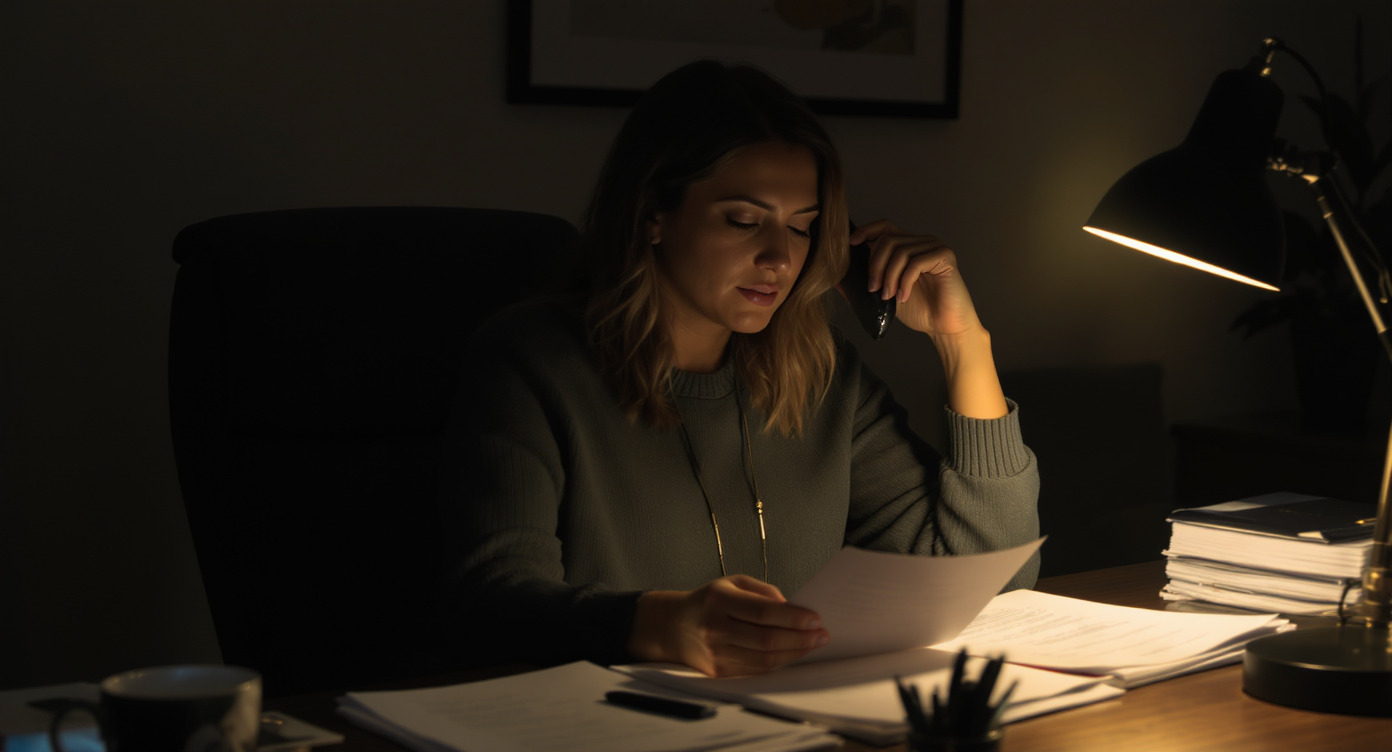
A client in crisis calls your practice at 9 PM. Nobody answers. They hear a generic voicemail greeting and hang up. Sound familiar? That scenario plays out every single night across thousands of mental health practices, and the consequences go far beyond a missed appointment. It’s not just about scheduling. Knowing how to handle after hours calls for mental health practices matters ethically, clinically, and financially too.
Handling after hours calls for mental health practices means having a system to respond to clients outside business hours—whether through an answering service, crisis line referral, or automated callback. Proper protocols protect client safety, reduce liability, and ensure emergencies get appropriate care immediately rather than being missed entirely.
Quick Answer
Mental health practices should establish a tiered after-hours protocol: use an automated system to triage calls by urgency, provide crisis hotline numbers for emergencies, route non-urgent messages to on-call clinicians with documented response times, and ensure staff rotate coverage fairly. Document all interactions and follow up the next business day. This balances client safety with staff wellbeing while maintaining compliance with licensing requirements.
What Are After Hours Calls in Mental Health Practices?
After hours calls are any incoming phone calls that arrive outside your practice’s regular business hours. For most therapy and counseling offices, that means evenings, weekends, holidays, and early mornings. These calls range widely. Some clients want to reschedule a Tuesday appointment. Others are experiencing a psychiatric emergency at 2 AM.
Free weekly newsletter
Growth tips for dental & medical practices
Every Tuesday — actionable ideas to get more leads, reviews, and repeat customers. No fluff.
What makes mental health practices different from, say, a plumbing company is the clinical and legal weight these calls carry. A missed call from a client in acute distress can escalate quickly. The 988 Suicide and Crisis Lifeline exists for exactly this reason, but many clients still call their own therapist first. Your after hours system needs to account for that reality while also handling the routine calls that make up most after hours volume.
Why After Hours Call Handling Matters More Than You Think
The Clinical and Ethical Dimension
Mental health emergencies don’t follow business hours. The American Psychological Association’s ethics code and most state licensing boards require practitioners to have a plan for client emergencies outside of session. That plan has to be more than “call 911.” Clients need clear guidance on what to do, who to contact, and what your practice considers a crisis versus a non-urgent matter.
Beyond emergencies, there’s a therapeutic relationship component. When a client calls and reaches nothing but dead silence or a clunky voicemail tree, it sends a message. It says you’re not accessible. Practices that handle after hours communication well tend to see better client retention and stronger therapeutic alliances. Practices that don’t address this? They lose clients to competitors who simply pick up the phone.
The Financial Reality
According to research on the cost of missed calls, businesses lose significant revenue every time a call goes unanswered. For mental health practices, each new client inquiry represents hundreds or thousands of dollars in potential session fees. A prospective client who calls at 6:30 PM won’t leave a voicemail. They’ll call the next name on the list.
Data on missed business calls shows that a staggering percentage of callers never try again after reaching voicemail. For solo practitioners and small group practices? That’s revenue walking out the door every evening and weekend.
📺 Watch: After-Hours Call Routing Setup: Never Miss a Lead
Proven Strategies for Managing After Hours Calls
Build a Clear Emergency Contact Protocol
Every mental health practice needs a documented protocol that clients receive during intake and that your phone system communicates after hours. This protocol should distinguish between three tiers of urgency. Your voicemail or automated system should walk callers through them clearly.
- Life-threatening emergencies: Direct callers to call 911 or go to the nearest emergency room. Also reference the 988 Suicide and Crisis Lifeline.
- Urgent but not life-threatening: Provide a path to reach an on-call clinician, a crisis line staffed by your practice, or a local crisis center number.
- Non-urgent matters: Let callers know their message will be returned the next business day, and give them an option to book or reschedule via text or online.
Documenting this protocol in your policies and procedures manual protects you clinically and legally. It also gives your staff a clear framework. Nobody’s guessing what to do when a concerning voicemail comes in Monday morning.
Go Beyond the Generic Voicemail
A standard voicemail greeting doesn’t cut it for mental health practices. Your after hours message should be warm, specific, and action-oriented. Include your practice name, confirm the caller has reached the right place, and walk through the tiered response options above. Keep it under 60 seconds. Callers in distress won’t listen to a three-minute menu.
But here’s the thing. Even a well-crafted voicemail has limits. Most callers, especially new client inquiries, won’t leave a message at all. That’s where more active solutions become essential.
Consider an Answering Service or AI Agent
Traditional answering services have been the go-to solution for decades. A live human answers your phone, takes a message, and contacts you if something’s urgent. They work, but they’re expensive. Services like Smith.ai and Ruby charge per call or per minute. Costs add up fast for practices that receive even moderate call volume after hours.
AI-powered phone agents represent a newer approach. Instead of paying per call for a human receptionist, an AI voice agent answers every call with natural-sounding conversation. It can triage callers, provide crisis resources, book appointments, and send you a summary of each interaction. According to a recent overview of AI virtual receptionists, this category has matured rapidly.
Use Missed Call Text-Back as a Safety Net
One of the most effective tactics for non-emergency after hours calls is missed call text-back. When a call goes unanswered, the system automatically sends a text message to the caller within seconds. For a mental health practice, that text can include crisis resources, a link to book an appointment online, or a simple “We received your call and will respond by [time].”
This approach solves two problems at once. It provides immediate acknowledgment, which matters psychologically for a client reaching out to a therapist. And it captures the lead in a channel (text) where response rates are dramatically higher than voicemail callbacks.
Creating Policies That Protect Clients and Clinicians
Strategy alone isn’t enough without clear internal policies. Your after hours call handling plan should be documented, shared with every team member, and reviewed at least annually. Here’s what a solid policy covers:
- On-call rotation: If clinicians take turns being available after hours, define the schedule, expected response times, and compensation clearly.
- Scope of after hours response: Specify what types of calls warrant an immediate callback versus next-business-day follow-up.
- Documentation requirements: Any after hours interaction with a client should be documented in their clinical record, whether it was a crisis call or a scheduling request.
- Personal phone number boundaries: Establish whether clinicians give personal numbers to clients and, if so, under what circumstances. Most practices benefit from using a business phone system that keeps personal numbers private while still enabling after hours access.
- HIPAA compliance: Every channel you use after hours, including voicemail, text, and AI agents, must meet HIPAA requirements for protected health information.
The HHS HIPAA Security Rule applies to all electronic communications. So any technology you adopt needs to comply. Don’t assume a consumer-grade texting app or voicemail system meets these standards without verification.
How SalesCaptain Helps
SalesCaptain’s AI Phone Agent is built for exactly this use case. It answers calls 24/7 with natural-sounding conversation. You design custom call flows with a drag-and-drop builder. The agent triages callers based on urgency. For a mental health practice, that means crisis callers hear immediate guidance to call 911 or 988. Routine callers can book their next appointment or get answers to common questions without anyone picking up.
Every call gets an AI-generated summary and full transcription. Your clinical team can review after hours interactions the next morning without listening to recordings. The unified inbox pulls calls, texts, webchat messages, and social media DMs into one place. Nothing slips through the cracks. And because missed call text-back is built in, callers who don’t reach a live person still get an instant response with the information they need.
Pricing starts with a free plan for a single location. That makes it accessible for solo practitioners. Group practices with multiple offices pay $159 per location per month on the Business plan. AI call minutes run $0.12 each. Compare that to human answering services that charge $1 to $3 per call. The math gets clear quickly. You’re able to handle more volume without hiring additional front desk staff. And you don’t sacrifice the personal touch that mental health clients expect. SalesCaptain also integrates with tools like scheduling platforms and CRMs through 50+ native integrations and Zapier. It fits into your existing workflow rather than replacing it.
Key Takeaways
Handling after hours calls for mental health practices requires balancing clinical responsibility with operational efficiency. You need a tiered protocol that separates emergencies from routine inquiries. Your voicemail or automated system must communicate that protocol clearly and warmly. And if you’re relying on voicemail alone, you’re losing both clients and revenue every week.
AI phone agents and missed call text-back have changed what’s possible for small practices. You can offer 24/7 responsiveness without burning out your clinicians. Document your policies, choose secure tools, and test your system regularly. The practice that answers, even when nobody’s in the office, is the practice that grows.
Frequently Asked Questions
Are mental health practices legally required to have an after hours phone system?
Requirements vary by state and licensing board. But most ethics codes mandate that practitioners have a plan for client emergencies outside business hours. While there’s no universal law requiring a specific phone system, having no plan at all puts you at risk. You could face both ethical complaints and malpractice claims. At minimum, your after hours greeting should direct callers to 911 and the 988 Suicide and Crisis Lifeline.
How do I make sure my after hours system is secure?
Any technology that handles patient information must comply with the HIPAA Security Rule. That includes voicemail, texting, and AI agents. Look for platforms that offer encryption, access controls, and a signed Business Associate Agreement (BAA). Consumer-grade tools like standard SMS or personal voicemail typically don’t meet these standards without additional safeguards.
Should therapists give their personal phone numbers to clients for emergencies?
Most practice management experts advise against it. Giving out personal numbers blurs boundaries and leads to clinician burnout. Instead, use a business phone system that routes after hours calls through a dedicated number. Keep your personal life separate while still ensuring clients can reach help when they need it.
What’s the difference between a traditional answering service and an AI phone agent?
A traditional answering service staffs human operators who answer calls, take messages, and escalate emergencies. They’re effective but expensive. Often they charge $1 to $3 per call. An AI phone agent uses conversational AI to handle calls automatically. It can book appointments, answer FAQs, route emergencies, and send transcriptions. All at a fraction of the per-minute cost. According to analysis of missed call costs, the financial gap between these two approaches widens significantly as call volume grows.
How quickly should a mental health practice respond to after hours messages?
For true emergencies, the answer is immediately. That’s why your system should direct those callers to 911 or a crisis line rather than relying on a callback. For urgent but non-emergency calls, best practice is a response within one to two hours if you’ve got on-call coverage. Non-urgent messages should be returned by the start of the next business day. Setting these expectations clearly in your voicemail or automated greeting prevents confusion and frustration.
Ready to see it in action?
See how mental health practices use SalesCaptain to capture and respond to after-hours calls instantly.
Book a Free Demo →See How SalesCaptain Can Help
SalesCaptain gives mental health practices a 24/7 AI Phone Agent, missed call text-back, and a unified inbox for every channel. All starting with a free plan. Stop losing clients to voicemail and start covering after hours calls the right way.