
AI-powered customer experience marketing (CXM) platform that helps local businesses win.


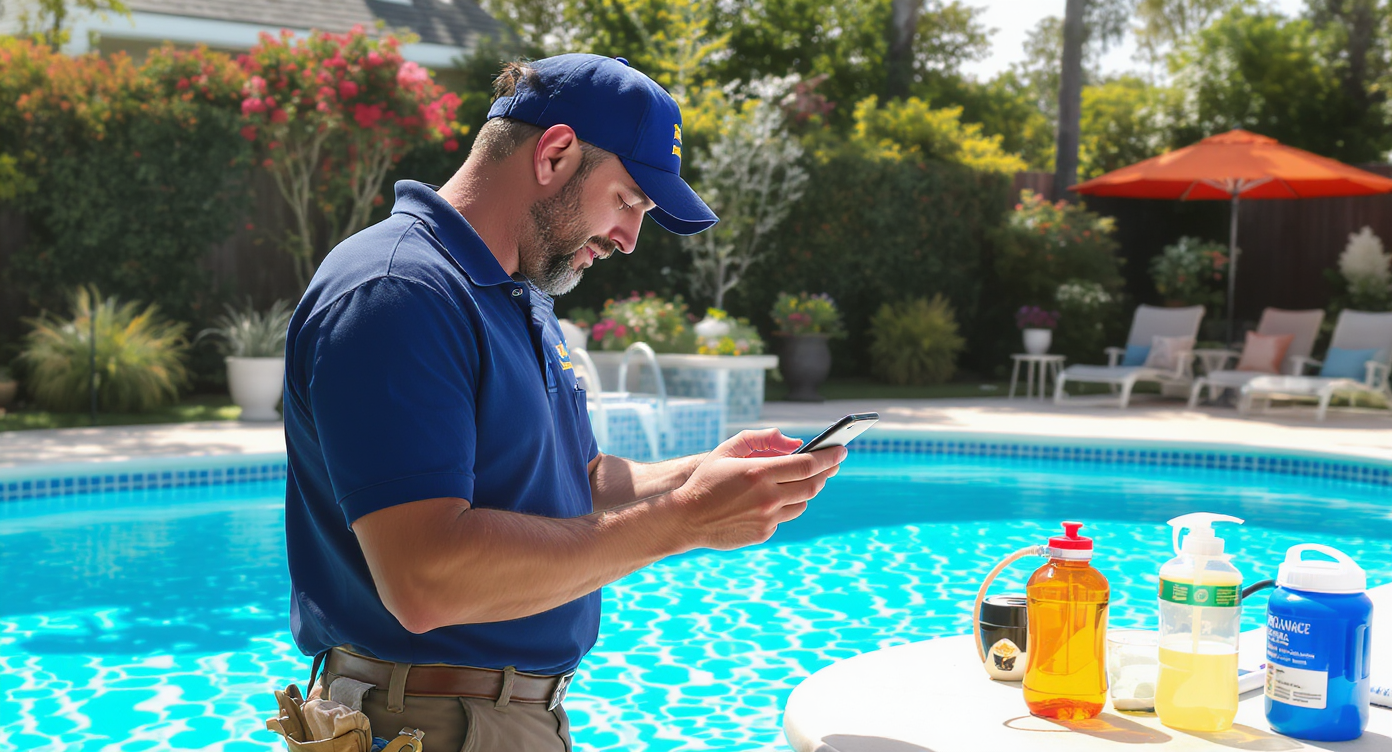
A homeowner fills out a quote request on your pool service website at 8:47 PM on a Tuesday. By 8 AM the next morning, they’ve already booked with a competitor who texted back in under a minute. That lost job? Probably worth $3,000 or more. Sound familiar? Lead response automation for pool service companies stops this from happening, turning every inquiry into an instant conversation no matter when it comes in.
Lead response automation for pool service companies uses software to instantly respond to customer inquiries across all channels—website forms, calls, texts, and social media—24/7 without manual effort. This eliminates delays that cost jobs to competitors, automatically qualifying leads and booking appointments while you sleep.
What Is Lead Response Automation?
Lead response automation means using software to instantly acknowledge, qualify, and follow up with potential customers the moment they reach out. Instead of having a receptionist or office manager manually check form submissions, voicemails, and DMs throughout the day, automated systems handle the initial response within seconds. For pool service companies, this means capturing leads from website forms, phone calls, social media messages, and Google Business Profile inquiries without any human involvement required at that first point of contact.
But here’s the thing: it goes way beyond a simple autoresponder that says “Thanks, we’ll get back to you.” True lead response automation qualifies the prospect—what type of service they need, their location, their timeline—books appointments directly onto your calendar, and routes high-priority leads to the right person on your team. It’s the difference between just acknowledging a lead and actually moving them toward becoming a paying customer.
Why Speed to Lead Matters More for Pool Service Companies
Pool service sits in a unique spot. Most markets have dozens of companies offering similar services at similar prices. When a homeowner needs a pool opening, equipment repair, or weekly maintenance, they’re not loyal to a brand. They’re loyal to whoever responds first. According to speed-to-lead research compiled by GreetNow, the odds of qualifying a lead drop dramatically after the first five minutes. For a pool company fielding 20-30 inquiries per week during peak season, even a 30-minute delay can cost thousands in lost revenue.
The Seasonal Pressure Problem
Pool companies face brutal seasonality. Spring and early summer bring a flood of inquiries for openings, cleanings, and equipment upgrades. Your team gets stretched thin. Technicians are in the field. The office phone rings nonstop. Research from Aira’s analysis of missed business calls found that a significant percentage of small business calls go unanswered, costing companies substantial revenue each year. During your busiest months, you can’t afford to miss a single call, yet that’s exactly when you’re most likely to miss them.
After-Hours Inquiries Are the Biggest Leak
Homeowners browse and request quotes in the evening. They’re sitting by their pool after dinner, noticing the water’s turning green, and pulling out their phone to search for help. If your response comes the next morning, you’re already competing against two or three companies that replied instantly. According to CallJolt’s analysis of missed call costs, the financial impact on small service businesses is significant—often thousands of dollars annually. Yet most pool companies have zero after-hours response capability beyond a voicemail box.
How Lead Response Automation Works in Practice
Understanding the concept is one thing. But seeing how it actually works in a real pool service operation brings everything into focus. That’s where the value becomes obvious.
Instant Multi-Channel Response
Modern lead response automation covers every channel a prospect might use to reach you. Phone calls, website chat, SMS, Facebook Messenger, Instagram DMs, and form submissions. When a lead comes through any of these, the system triggers an immediate, personalized response. For pool companies, this means a homeowner who texts “Do you do pool openings in Scottsdale?” gets an instant reply asking about their pool size, type, and preferred scheduling window.
Automated Lead Qualification
Not every inquiry deserves the same attention. A request for a $15,000 pool renovation should get flagged differently than someone asking about a one-time chemical balance check. Automated qualification sequences ask the right questions upfront so your team knows exactly which leads to prioritize. Here’s what a typical qualification flow captures for pool service:
- Service type requested: opening, closing, weekly maintenance, repair, renovation, or new installation
- Property details: pool type (in-ground vs. above-ground), approximate size, and equipment age
- Location verification: confirming the address falls within your service area before a technician’s time gets committed
- Timeline and urgency: whether they need service this week or are planning ahead for next season
- Budget indicators: for larger projects, gauging whether the prospect’s expectations align with your pricing
All of this happens through a conversational exchange. The prospect doesn’t feel like they’re filling out a long form. They feel like they’re texting with a real team member. And that matters.
Self-Service Appointment Booking
Once a lead is qualified, the next step should be frictionless. Automated systems can present available time slots and let the homeowner book directly, without a single phone call to your office. Calendar integrations ensure there’s no double-booking, and confirmation texts go out automatically. According to CRM adoption research from Fit Small Business, businesses that connect their lead capture to calendar and CRM tools see measurable improvements in conversion rates. For pool companies running tight daily routes, this integration also helps optimize technician schedules by geography.
Building an Effective Lead Response System for Your Pool Business
Knowing you need lead response automation is step one. Setting it up correctly so it actually works requires attention to a few specific areas. What does that look like in practice?
Map Every Lead Source
Before automating responses, you need a clear picture of where your leads come from. Most pool companies underestimate the number of channels prospects use. Start by auditing these common sources:
- Google Business Profile messages and calls
- Website contact forms and chat widgets
- Facebook page messages and ad responses
- Instagram DMs (especially if you post pool transformation photos)
- Direct phone calls from yard signs, truck wraps, and referrals
- Review site inquiries from Yelp and Angi
Research from Leadferno’s study on website contact forms found that many businesses make costly mistakes in how they handle web form submissions, including slow responses and missing leads entirely. Each source needs its own response flow. Better yet, all sources should funnel into one system where responses trigger automatically.
Craft Responses That Sound Human
Generic autoresponders kill trust fast. “Thank you for your inquiry. A representative will contact you shortly” tells the homeowner nothing useful. Effective automated responses for pool companies should feel natural and specific. Compare these two approaches:
Weak: “Thanks for reaching out! We’ll get back to you soon.”
Strong: “Hey! Thanks for reaching out about pool service. A couple of quick questions so we can get you an accurate quote: What type of pool do you’ve, and what service are you looking for?”
The second version engages the prospect immediately. It asks qualifying questions. It sets the expectation that this conversation is going somewhere. It doesn’t feel robotic because it mirrors how a real employee would text back.
Set Up Follow-Up Sequences
First response matters most, but follow-up determines your close rate. Many leads won’t respond right away. Maybe they got distracted. Maybe they’re still gathering quotes. A well-designed follow-up sequence might look like this:
- Immediate: Qualification questions via text or chat
- 1 hour later: If no response, a friendly nudge: “Still interested in getting a pool service quote? Happy to help whenever you’re ready.”
- Next day: A value-add message with a tip or seasonal reminder
- Day 3: Final follow-up with a direct booking link
According to AI lead generation benchmark data from The Starr Conspiracy, businesses using AI-driven follow-up sequences see notably higher engagement rates compared to those relying on manual outreach alone. Each message in the sequence should add value. Don’t just keep asking “Are you still interested?”
How SalesCaptain Helps Pool Service Companies Automate Lead Response
SalesCaptain brings together the specific capabilities pool service companies need for lead response automation in a single platform. No technical expertise required.
The AI Phone Agent answers every call 24/7 with a natural-sounding voice, qualifying callers by asking about their service needs, pool type, and location. It books appointments directly onto your calendar, answers common questions about pricing and service areas, and blocks spam calls so your team’s time isn’t wasted. For after-hours calls—which represent a massive leak for most pool companies—the AI agent captures every detail and can text the caller a booking link immediately.
On the digital side, AI Chat Agents handle SMS, webchat, Instagram DMs, and Facebook Messenger simultaneously. When a homeowner sends a message at 9 PM asking about weekly maintenance plans, the AI agent responds instantly, qualifies the lead, and offers available time slots. The missed-call text-back feature ensures that even if a call slips through, the prospect immediately receives a text to keep the conversation alive.
Everything flows into the Unified Inbox, where your team sees calls, texts, chats, and social messages in one place. No switching between apps. No leads falling through the cracks. And with the Workflow Automation builder, you can set up trigger-based follow-up sequences, CRM updates, and appointment reminders using a drag-and-drop interface. SalesCaptain integrates with tools pool companies already use, including HousecallPro, ServiceFusion, and QuickBooks, so your lead data stays connected to your operations.
Pricing starts with a free plan for single-location businesses, with paid plans at $159/month per location. AI call minutes run $0.12/minute. That’s far less expensive than hiring additional office staff or paying per-call rates to traditional answering services like Smith.ai or Ruby, which rely on human receptionists and can’t scale without adding significant cost.
Key Takeaways
Lead response automation for pool service companies isn’t a luxury feature. It’s become a baseline requirement for any pool business that wants to capture its fair share of seasonal demand. The core principles are straightforward: respond instantly across every channel, qualify leads through conversational AI, book appointments without human bottlenecks, and follow up persistently until the prospect converts or opts out.
Speed wins in pool service. The companies that respond in seconds consistently beat the companies that respond in hours, regardless of who offers the better price or more experienced technicians. Automating that first response removes the biggest variable from your sales process and gives your team time to focus on delivering great service instead of chasing leads.
FAQ
How fast should a pool service company respond to a new lead?
Under 60 seconds is the gold standard. Research consistently shows that lead qualification rates drop sharply after the first five minutes. With automation, you can respond in seconds regardless of the time of day or how busy your team is.
Can lead response automation handle different types of pool service inquiries?
Absolutely. Modern AI agents can distinguish between maintenance requests, repair emergencies, pool opening and closing inquiries, and renovation consultations. They ask different qualifying questions based on the service type, routing urgent repair calls differently than routine maintenance inquiries.
Will automated responses feel impersonal to my customers?
Not if they’re set up correctly. Today’s AI-powered text and voice agents use natural language that mirrors how a real team member would communicate. Most prospects won’t even realize they’re interacting with automation, especially over text. The key is crafting responses that are specific, conversational, and move the interaction forward rather than delivering generic acknowledgments.
How does lead response automation work during peak pool season?
Peak season is exactly when automation provides the most value. While your technicians are in the field and your office phone rings off the hook, AI agents handle unlimited simultaneous conversations across calls, texts, and social media. There’s no queue. No hold time. No voicemail. Every lead gets the same fast, thorough response whether you’re fielding 5 inquiries or 50 in a single day.
What’s the cost difference between hiring staff and using lead response automation?
A full-time receptionist costs $30,000-$40,000 annually in salary alone, according to Bureau of Labor Statistics data. And they only work 40 hours a week. AI-powered lead response runs 24/7 for a fraction of that cost, typically under $200/month plus per-minute calling fees. You also eliminate training time, sick days, and turnover.
See How SalesCaptain Can Help Your Pool Service Business
Stop losing leads to slow response times. SalesCaptain’s AI Phone Agent and AI Chat Agents respond to every inquiry instantly, qualify prospects, and book appointments around the clock. With a free plan available and setup that takes minutes, there’s no reason to let another lead slip away.
Visit SalesCaptain.com to start automating your lead response today.