
AI-powered customer experience marketing (CXM) platform that helps local businesses win.


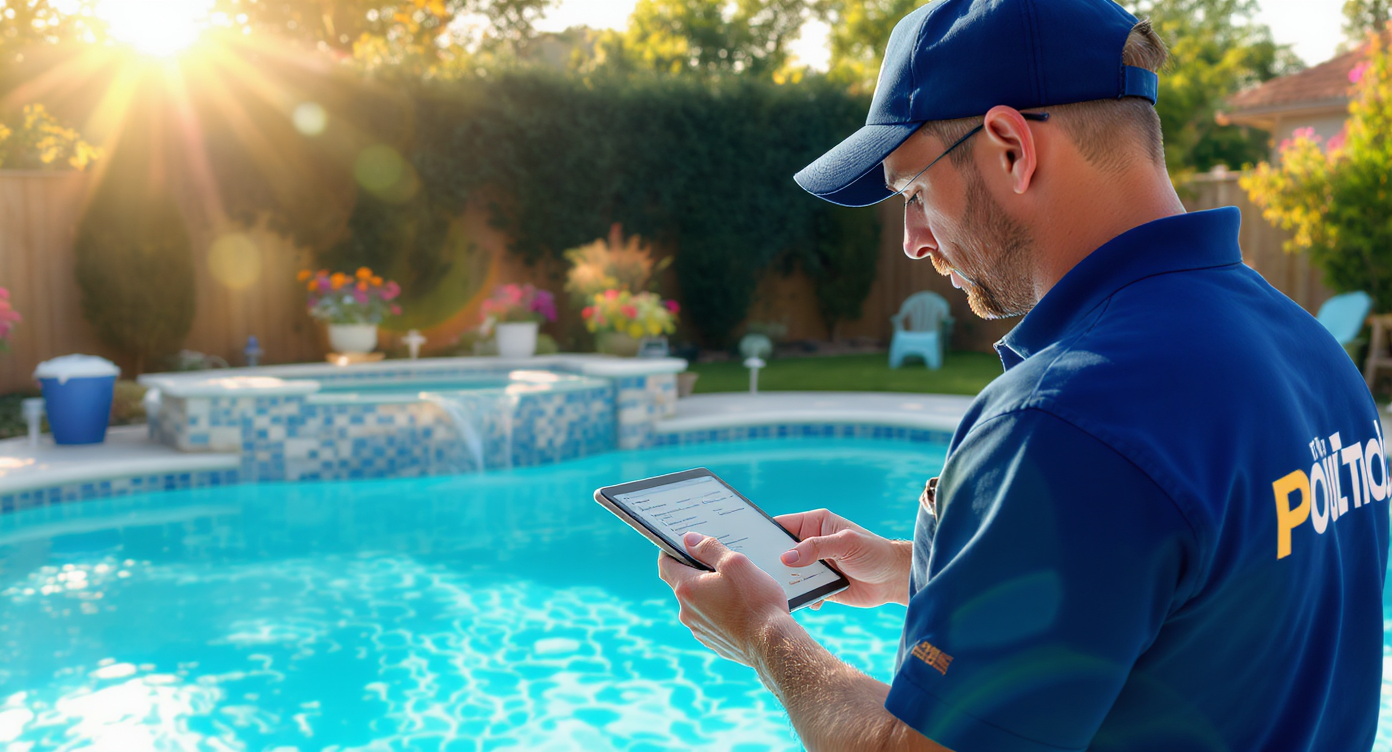
A homeowner calls about a green pool on a Friday afternoon. Your tech is elbow-deep in a filter repair, so the call goes to voicemail. By Monday morning, that homeowner has already booked with a competitor who texted back in two minutes. Sound familiar? For pool service companies, the difference between winning and losing a customer often comes down to follow-up speed, and automated follow up software for pool service companies is quickly becoming the tool that closes that gap.
Automated follow-up software for pool service companies sends text, email, and phone messages to leads and customers automatically based on triggers or schedules. It eliminates missed follow-ups by handling customer contact instantly, helping pool companies respond faster than competitors and close more sales without manual effort.
What Is Automated Follow-Up Software?
Automated follow-up software is a system that sends pre-scheduled or trigger-based messages to leads and customers without anyone on your team lifting a finger. No more relying on a technician or office manager to remember to call back. The software handles it across text, email, phone, or chat. It just works.
For pool service companies, this means the software can follow up after a missed call, remind a customer about their weekly service appointment, nudge a prospect who requested a quote but hasn’t responded, or re-engage a seasonal customer before pool-opening season. It’s not just about convenience either. According to FitSmallBusiness research on follow-up statistics, the majority of sales require five or more follow-up touches, yet most businesses stop after one or two. Automated software ensures those touches actually happen.
Why Pool Service Companies Can’t Afford Slow Follow-Up
Pool service is a relationship-driven, repeat-revenue business. But it’s also fiercely local and competitive. When a homeowner’s pump fails or their water turns cloudy, they’re calling multiple companies and going with whoever responds first. A slow follow-up doesn’t just lose one job. It loses a customer who might’ve stayed on your route for years.
The Real Cost of Missed Calls and Delayed Responses
Research from Greet’s analysis of missed call costs shows that a single missed call can cost a small business hundreds of dollars in lost revenue. Multiply that across a busy summer week, and you’re looking at thousands walking out the door. Pool companies face a uniquely difficult version of this problem because peak demand happens during the exact months when your crew is busiest in the field.
Here’s what makes it worse. Your competitors aren’t all slow. Some of them are already using automation to respond within seconds. According to Overton Collective’s 2025 sales automation data, businesses using automated follow-up see significantly higher conversion rates compared to those relying on manual outreach. In a market where homeowners expect instant communication, being the company that “calls back when we get a chance” just doesn’t cut it anymore.
Seasonal Revenue Pressure
Pool companies don’t have the luxury of a flat demand curve. Spring and early summer are make-or-break months for signing recurring maintenance contracts. Every lead that slips through during March through June represents lost revenue for the entire season. Automated follow-up ensures that no lead sits untouched during your busiest stretch, even when your office staff is overwhelmed and stretched thin.
What to Look for in Follow-Up Automation for Pool Service
Not every automation tool is built for service businesses. Many are designed for SaaS sales teams or e-commerce brands, and they’ll feel clunky and irrelevant for a pool company managing routes, seasonal customers, and field technicians. Here’s what actually matters when you’re evaluating options.
Must-Have Features
- Missed call text-back: When a call goes unanswered, the system should instantly text the caller so they know you’re responsive, even if no one picked up.
- Multi-channel messaging: Your customers use text, email, Facebook Messenger, and sometimes Instagram DMs. Your follow-up tool should reach them wherever they are.
- Appointment reminders: No-shows cost pool techs time and fuel. Automated reminders via SMS reduce cancellations and keep your route tight.
- Trigger-based workflows: You should be able to set rules like “if a quote isn’t accepted within 48 hours, send a follow-up text” without writing any code.
- CRM integration: Your follow-up software needs to sync with the tools you already use, whether that’s HousecallPro, ServiceFusion, or a general CRM like HubSpot.
- After-hours lead capture: Pool emergencies don’t respect business hours. Your system should capture and respond to leads at 9 PM on a Saturday just as reliably as 9 AM on a Tuesday.
Features That Sound Nice but Don’t Move the Needle
Be cautious about platforms that emphasize AI scorecards, Chrome extensions, or complex sales playbooks. Those are designed for inside sales teams making cold calls. Pool service companies need to book appointments, confirm routes, and retain seasonal customers. That’s different. The NFIB consistently reports that small businesses rank “time” as their scarcest resource. Your automation should save time, not create a new project to manage.
How to Build an Effective Automated Follow-Up System
Having the software is one thing. Setting it up so it actually works for a pool service operation is another. Below is a practical framework you can apply regardless of which platform you choose.
Map Your Customer Journey First
Before you automate anything, write down every point where a customer interacts with your business. For most pool companies, it looks something like this:
- Inquiry (phone call, web form, social media message)
- Quote or estimate delivery
- Quote follow-up (if they haven’t responded)
- Appointment confirmation and reminder
- Post-service follow-up (review request, upsell)
- Seasonal reactivation (spring pool opening, fall closing)
Each of these touchpoints is a candidate for automation. You don’t need to automate all of them on day one. Start with the two or three that are costing you the most revenue. Most companies struggle with missed calls and quote follow-up.
Write Messages That Sound Human
Automation doesn’t have to feel robotic. And it shouldn’t. According to DemandConvert’s marketing automation research, personalized automated messages outperform generic templates by a wide margin. Use the customer’s first name, reference their specific service request, and keep the tone conversational. A text that says “Hi Sarah, we got your call about the pool heater. Can we schedule a tech visit this Thursday?” works far better than “Thank you for contacting ABC Pool Service. A representative will be in touch.”
Set Response Windows, Not Just Sequences
One common mistake is building a drip sequence that sends messages on a fixed schedule regardless of what the customer does. Better systems use conditional logic. If the customer replies, the sequence should pause or branch. If they book an appointment, the follow-up should shift to confirmation mode. Your software should support this without requiring a developer.
How SalesCaptain Helps
SalesCaptain was built specifically for service businesses like pool companies. Not for enterprise sales teams or e-commerce brands. It combines AI phone agents, AI chat agents, and a unified inbox into a single platform, so you’re not stitching together three or four different tools to get basic follow-up working.
When a call goes unanswered, SalesCaptain’s AI Phone Agent can answer it live, 24/7, with natural-sounding voice responses. It’ll answer FAQs, qualify the lead, and book an appointment on the spot. If the caller hangs up before connecting, the missed call text-back feature sends an instant SMS so you don’t lose them. All of this feeds into one unified inbox where your team can see calls, texts, webchat messages, and social DMs in a single view. Everything in one place.
On the automation side, SalesCaptain’s drag-and-drop workflow builder lets you create trigger-based follow-up sequences without any technical expertise. You can set up a flow that sends a quote reminder after 48 hours, a review request after service completion, or a seasonal reactivation text to your entire customer list in spring. Because it integrates natively with tools like HousecallPro, ServiceFusion, and HubSpot, your customer data stays synced without manual entry.
Pricing starts with a free plan for one location, with paid plans at $159/month per location. That’s a flat per-location model, which scales affordably if you’re running routes across multiple service areas. Compare that to platforms like Aircall at $30 per license per user, where costs balloon quickly as your team grows. SalesCaptain also includes features that competitors lack, like high-volume SMS, payments via text, voicemail drop, and real-time speech analytics for calls.
Key Takeaways
Automated follow-up software for pool service companies isn’t a luxury anymore. It’s the difference between capturing seasonal revenue and watching it go to competitors who respond faster. The data is clear. Businesses that automate follow-up convert more leads, retain more customers, and free up staff time for higher-value work.
When evaluating tools, prioritize missed call text-back, multi-channel messaging, trigger-based workflows, and integration with the field service software you already use. Avoid platforms designed for enterprise sales teams or narrow verticals that won’t flex to fit a pool service operation. Start simple. Automate your two biggest revenue leaks first, then expand from there.
The pool companies winning right now aren’t necessarily the ones with the best technicians. They’re the ones that respond first, follow up consistently, and never let a lead go cold.
Frequently Asked Questions
How quickly should a pool service company follow up with a new lead?
Ideally within one to two minutes. According to Yesware’s sales follow-up research, response speed is one of the strongest predictors of conversion. Automated software makes sub-minute response times possible even when your entire team is in the field.
Can automated follow-up software handle seasonal customer reactivation?
Yes. Most platforms with workflow automation let you schedule campaigns around specific dates. You can trigger a text or email to last year’s customers in early spring, reminding them to book pool opening services before your schedule fills up.
Will customers know they’re talking to an automated system?
That depends on the platform. Basic SMS automation is easy to spot if the messages are generic. However, AI-powered systems like SalesCaptain’s AI Phone Agent use natural-sounding voice and personalized text responses that feel like a real conversation. Most customers won’t notice the difference. Especially if messages include their name and reference their specific service request.
How does automated follow-up integrate with field service software like HousecallPro or ServiceFusion?
Through native integrations or connectors like Zapier. When a job is completed in your field service tool, the integration can trigger an automated review request, a payment reminder via text, or a follow-up message asking about the customer’s experience. This eliminates the need for your office staff to manually send those messages.
What’s the ROI of automated follow-up for a pool service company?
The ROI depends on your current lead volume and close rate. However, research from BizRnR’s missed call revenue study suggests that small service businesses lose significant revenue each month from unanswered calls alone. Even recapturing a fraction of those lost leads through automated text-back and follow-up sequences typically pays for the software many times over.
See How SalesCaptain Can Help Your Pool Service Company
SalesCaptain gives pool service companies AI-powered follow-up across calls, texts, webchat, and social media, all from one platform built for service businesses. Start with a free plan and see the difference automated follow-up makes in your lead conversion and customer retention.