
AI-powered customer experience marketing (CXM) platform that helps local businesses win.


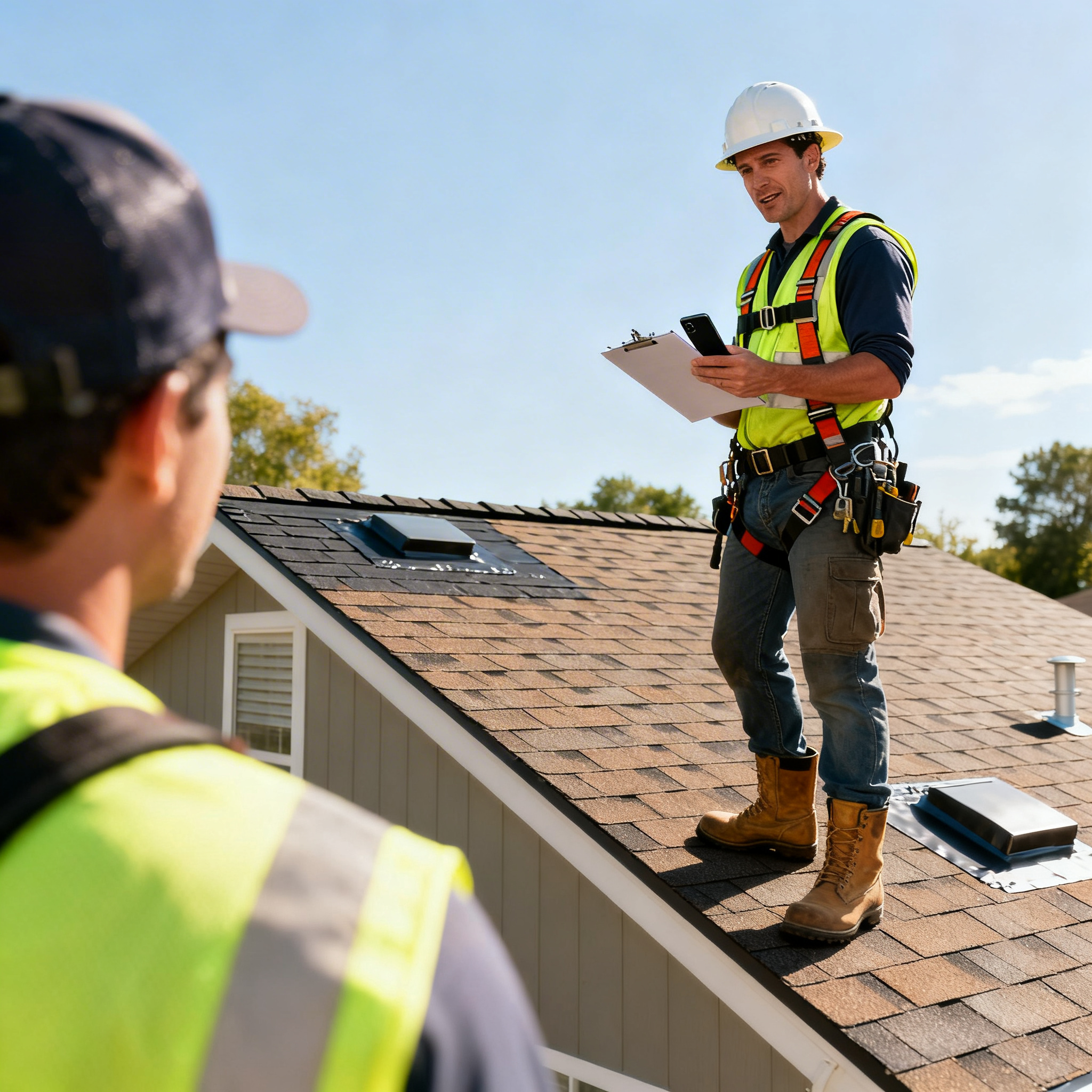
Best call tracking software for Roofing: A Practical Guide for Contractors Who Want Every Lead
You just spent $3,000 on Google Ads last month. Your phone rang plenty. But here’s the question that keeps you up at night: which of those calls actually came from your ads, which came from your yard signs, and which ones did your team miss entirely? If you can’t answer that confidently, you’re flying blind with your marketing budget. Finding the best call tracking software for roofing isn’t just a nice upgrade. It’s the difference between scaling profitably and hemorrhaging money on campaigns that look busy but don’t actually close jobs.
Roofing is one of the most call-dependent industries in home services. Homeowners dealing with a leaking roof or storm damage aren’t filling out web forms and waiting patiently. They pick up the phone, call the first few contractors they find, and go with whoever answers and sounds competent. That reality makes call tracking and call management more important for roofers than for almost any other trade. So what does this guide actually cover? We’ll break down what call tracking software does, how to evaluate it for your roofing business, the features that matter most, and how to avoid common mistakes that waste your investment.
What Is Call Tracking Software and Why Does It Matter for Roofers?
Call tracking software assigns unique phone numbers to different marketing channels. When a prospect calls, you know exactly which ad, landing page, mailer, or directory listing generated that call. At its simplest, it replaces the guesswork of asking “how did you hear about us?” with hard data. The software logs the caller’s number, the time of the call, the duration, and often records the conversation for quality review. More advanced platforms go further, using AI to analyze call content, score leads, and even automate follow-up actions based on what happened during the conversation.
For roofing companies specifically, this matters because your marketing mix is usually diverse and expensive. You might be running pay-per-click ads, investing in SEO, paying for leads on Angi or HomeAdvisor, sponsoring local events, wrapping trucks, and distributing door hangers after storms. Each channel has a different cost structure and a different quality of lead. Without call tracking, you’ve no reliable way to calculate the true cost per lead or cost per closed job for each channel. According to Mediahawk’s State of Call Tracking report, businesses that implement call tracking consistently uncover which channels drive real conversions versus which ones just drive noise.
The stakes are especially high in roofing. A single residential re-roof can range from $8,000 to $25,000 or more, and commercial projects dwarf that. Losing even one qualified lead per week because you couldn’t track it, follow up on it, or attribute it to the right campaign adds up to six figures in lost revenue over a year. Sound familiar? According to research from SkipCalls, small businesses lose over $26,000 annually just from missed calls alone. That figure climbs significantly for high-ticket service businesses like roofing contractors.
Key Features to Look for in Roofing Call Tracking Software
Dynamic Number Insertion and Source Attribution
The foundation of any call tracking platform is its ability to assign and manage tracking numbers. Dynamic number insertion (DNI) is a feature that automatically swaps the phone number displayed on your website based on how the visitor arrived. Someone who clicked a Google Ad sees one number. Someone who found you through organic search sees another. Someone who typed your URL directly sees a third. This happens invisibly to the visitor, but on your end, you get a clear attribution trail. For roofers who invest heavily in both paid search and SEO, DNI is non-negotiable because it finally answers the debate about which channel deserves more budget.
Beyond website tracking, you also need the ability to create static tracking numbers for offline campaigns. That door hanger you left in a hail-damaged neighborhood should have a unique number. Your truck wrap should have its own number. Your Yelp listing and your Google Business Profile can each have dedicated numbers. The best call tracking software for roofing will let you manage dozens of these numbers from a single dashboard without requiring a degree in telecommunications. As Dialics explains in their guide to small business call tracking, the ability to tie every inbound call to a specific source is what transforms marketing from a cost center into a measurable investment.
Call Recording, Transcription, and AI Analysis
Knowing which channel generated a call is only half the story. You also need to know what happened on that call. Did your office staff answer professionally? Did they ask the right qualifying questions, like the age of the roof, whether insurance is involved, and what the timeline looks like? Did they book the inspection or let the caller slip away? Call recording gives you the ability to review conversations and coach your team. You’ll identify patterns that either win or lose jobs. Many roofing company owners discover through recordings that their receptionist is accidentally turning away high-value leads by being too abrupt or failing to capture contact information before the caller hangs up.
AI-powered transcription and analysis take this further. Instead of listening to hours of recordings, modern platforms automatically transcribe calls, flag keywords like “insurance claim” or “emergency leak,” and score each call based on lead quality. This means you can quickly sort through a busy storm season’s worth of calls and focus your attention on the ones most likely to convert. What does that actually look like? The combination of source attribution and conversation intelligence gives you a complete picture: not just where your leads come from, but whether those leads are actually good and whether your team is handling them well.
Missed Call Alerts, After-Hours Handling, and Response Speed
Here’s a painful truth about roofing leads. Research compiled by Phone2 shows that a significant percentage of callers who reach voicemail never call back. They simply move on to the next contractor on the list. In roofing, where urgency is high and competition is fierce, a missed call during a storm event could easily represent a $15,000 job that walks straight to your competitor. The best call tracking platforms for roofing don’t just log missed calls. They trigger instant alerts to your phone, send an automatic text message to the caller acknowledging their inquiry, and provide a clear system for rapid callback.
After-hours call handling is equally critical. Storms don’t respect business hours. Neither do homeowners searching for emergency tarping or leak repair at 9 PM on a Saturday. Your call tracking software should integrate with or include some form of after-hours response, whether that’s an intelligent IVR system, a virtual receptionist, or an AI-powered agent that can engage with the caller and collect essential details. The roofing companies that capture and respond to after-hours calls consistently outperform competitors who let those calls go to generic voicemail greetings.
CRM Integration and Sales Pipeline Visibility
Call tracking data is most powerful when it flows directly into your CRM or job management software. If you’re using ServiceTitan, JobNimbus, AccuLynx, or any other roofing-specific platform, your call tracking tool should sync easily. Every call creates or updates a contact record, attaches the recording, and logs the marketing source. This eliminates double data entry and ensures your sales pipeline reflects reality. When a salesperson opens a lead in your CRM, they should immediately see how that person found you, what they said on the phone, and any follow-up actions that are pending.
This integration also unlocks closed-loop reporting. It’s the holy grail of marketing analytics for roofers. Instead of just knowing that a Google Ad generated 50 calls last month, you can track those 50 calls through to inspections booked, estimates delivered, and jobs sold. You can calculate the exact revenue generated by each marketing channel and make intelligent decisions about where to increase spend and where to cut. For multi-location roofing companies, this level of visibility across locations is what separates operations that scale efficiently from the ones that plateau.
Common Mistakes Roofers Make with Call Tracking
Tracking Calls but Not Acting on the Data
The most common mistake is treating call tracking as a passive reporting tool rather than an active management system. Plenty of roofing companies set up tracking numbers, glance at the dashboard occasionally, and then continue making marketing decisions based on gut instinct. The data is only valuable if someone is reviewing it weekly. You need to adjust ad spend based on cost-per-lead by channel. And use call recordings to improve the sales process. Designate someone on your team, whether it’s you, your office manager, or your marketing agency, to own the call tracking data and produce actionable insights from it on a regular cadence.
Another dimension of this problem is ignoring the qualitative data. Call recordings reveal patterns that numbers alone can’t. You might find that your SEO leads are higher quality than your paid leads, even though paid generates more volume. You might discover that leads from a specific zip code close at twice the rate of others, which should inform your canvassing strategy. According to a case study review by CallTrack.ai, businesses that actively use call tracking insights to refine campaigns see measurably better ROI compared to those that simply collect the data.
Using Too Many Disconnected Tools
Many roofers end up with a Frankenstein tech stack. One tool for call tracking, another for texting leads, a third for managing their Google Business Profile, a separate CRM, and maybe a review management platform on top of it all. Each tool has its own login, its own data silo, and its own monthly bill. The result? Information falls through the cracks. A call comes in and gets logged in the tracking software, but nobody creates the lead in the CRM, so there’s no follow-up. A text comes in through a different app, and it sits unread for hours because the team is checking a different inbox.
The most effective approach for roofing companies is to consolidate communication tools. Rather than bolting together five separate platforms, look for solutions that combine call tracking with call management, texting, follow-up automation, and CRM connectivity in a single interface. This reduces the risk of leads slipping through gaps between systems and cuts down on the total software cost. It also makes training new office staff dramatically easier, because they only need to learn one platform instead of juggling multiple logins and workflows throughout the day.
Neglecting Mobile and After-Hours Capture
A surprising number of roofing companies invest in call tracking but then fail to address what happens when calls arrive outside office hours. Or when the team is simply too busy to answer. Storm season can be chaotic. Phones ring constantly while estimators are in the field and the office staff is already on another line. If your call tracking system logs a missed call but has no mechanism to engage that caller immediately, you’ve only documented the lost opportunity rather than preventing it. Automated text-back for missed calls, intelligent call routing to available team members, and AI-driven answering capabilities are features that transform call tracking from a measurement tool into a revenue recovery tool.
How to Evaluate and Compare Call Tracking Platforms
When shopping for the best call tracking software for roofing, start with your specific workflow. Don’t start with a generic feature checklist. Map out exactly how a lead enters your business today. They find you through a marketing channel. They call or text. Someone in your office (hopefully) answers. They qualify the lead. They book an inspection. The salesperson takes over from there. At each stage, ask yourself where leads are leaking out. Is it at the initial answer? During qualification? In the follow-up? The right software should plug those specific leaks, not just add a layer of analytics on top of a broken process.
Cost is obviously a factor. Evaluate it in terms of cost per lead captured rather than just monthly subscription price. A $200/month platform that helps you capture five additional leads per month that you were previously missing is generating massive ROI when each roofing job is worth thousands. Conversely, a cheap platform that only tracks calls without helping you respond faster, follow up more consistently, or manage conversations across channels may save you $50/month while costing you far more in lost business. The Nimbata guide to call tracking for small businesses offers a helpful framework for thinking about return on investment rather than fixating purely on sticker price.
Finally, consider scalability. If you’re a single-location roofing company today but plan to expand to multiple locations or service areas, your call tracking platform needs to grow with you. Multi-location management, per-location reporting, and the ability to add tracking numbers for new markets without migrating to an entirely new system are features you may not need today but will need sooner than you think. Choosing a platform with this growth path built in saves you the headache and cost of switching tools during a critical expansion phase.
How SalesCaptain Helps Roofing Companies Track and Capture Every Call
SalesCaptain was built specifically for service businesses like roofing companies. Your business relies heavily on inbound calls and needs to respond fast without hiring a large office staff. The platform combines an AI Phone Agent that answers calls 24/7 with a Unified Inbox that brings together calls, texts, webchat, and social media messages in one place. For roofers, this means every call is answered, even at 11 PM during storm season. Every conversation is tracked and visible to the whole team. The AI Phone Agent does more than just answer: it qualifies leads by asking relevant questions, books appointments directly, answers common FAQs about your services, and blocks spam calls so your team’s time is protected.
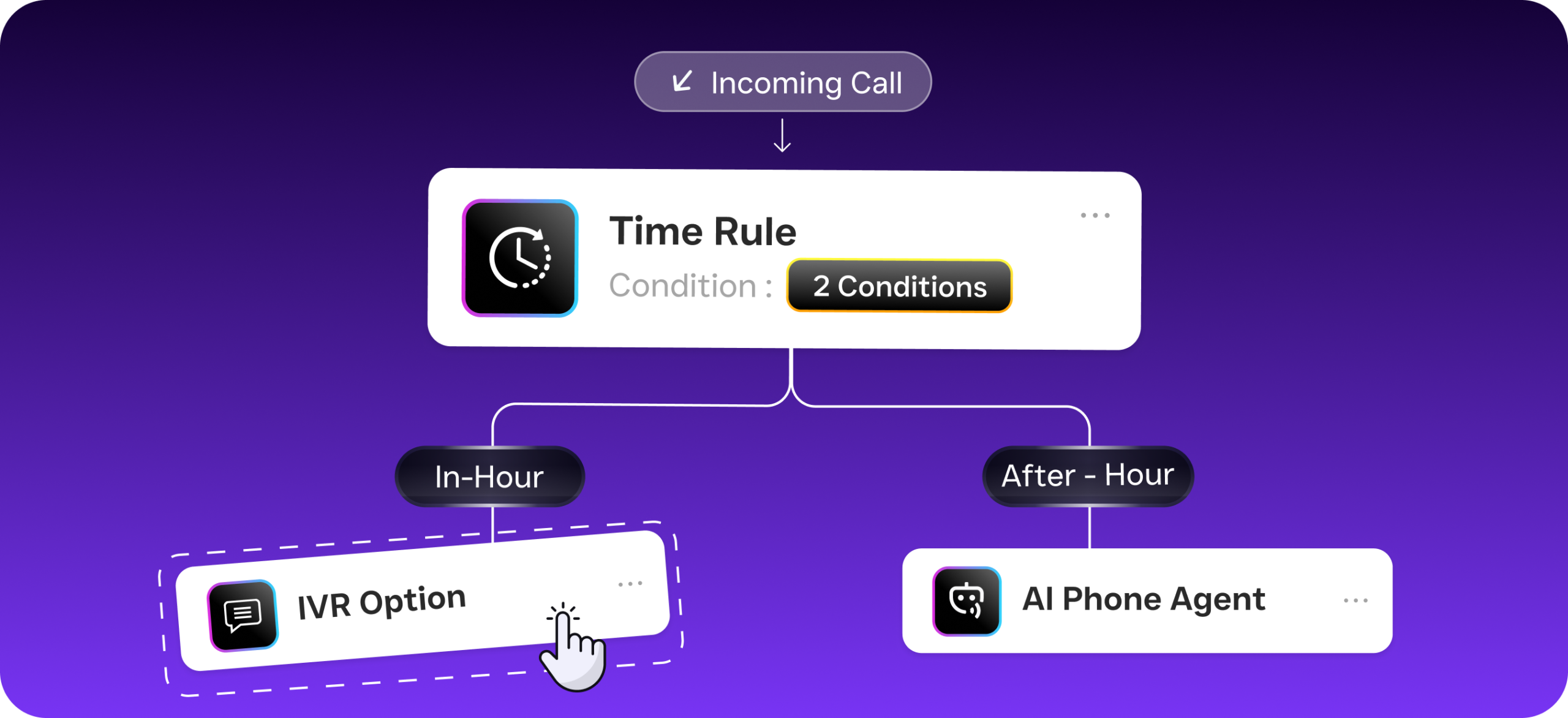
Where SalesCaptain stands apart from traditional call tracking tools is in what happens after the call is tracked. The platform’s Workflow Automation lets you set up trigger-based follow-up sequences. A missed call automatically sends a text, creates a task for callback, and updates your CRM. Native integrations with tools like HubSpot, Salesforce, ServiceFusion, and HousecallPro mean that lead data flows directly into the systems roofing companies already use for job management and estimating. The per-location pricing model starts with a free plan for a single location. It scales to $159/month per location for growing companies. This makes it accessible for both a solo operator and a multi-market roofing operation with five or more branches.
The AI Chat Agents add another layer of lead capture. They handle inbound text messages, webchat inquiries, and social media DMs with instant, intelligent responses. For roofing companies that advertise on Facebook or Instagram, this means a homeowner who messages your page at midnight about storm damage gets an immediate, helpful response rather than silence until Monday morning. Combined with the phone system’s 99.99% uptime and crystal-clear audio quality, SalesCaptain gives roofers a communication infrastructure that captures leads from every channel and follows up automatically, without requiring additional office hires.
Key Takeaways for Roofers Evaluating Call Tracking Software
Finding the best call tracking software for roofing comes down to understanding that tracking alone isn’t enough. The real value lies in what happens with the data and how quickly you act on every incoming call. A platform that tells you a lead came from Google Ads but lets that lead go to voicemail at 6:01 PM is only solving half the problem. The roofing companies winning in competitive markets combine attribution