
AI-powered customer experience marketing (CXM) platform that helps local businesses win.


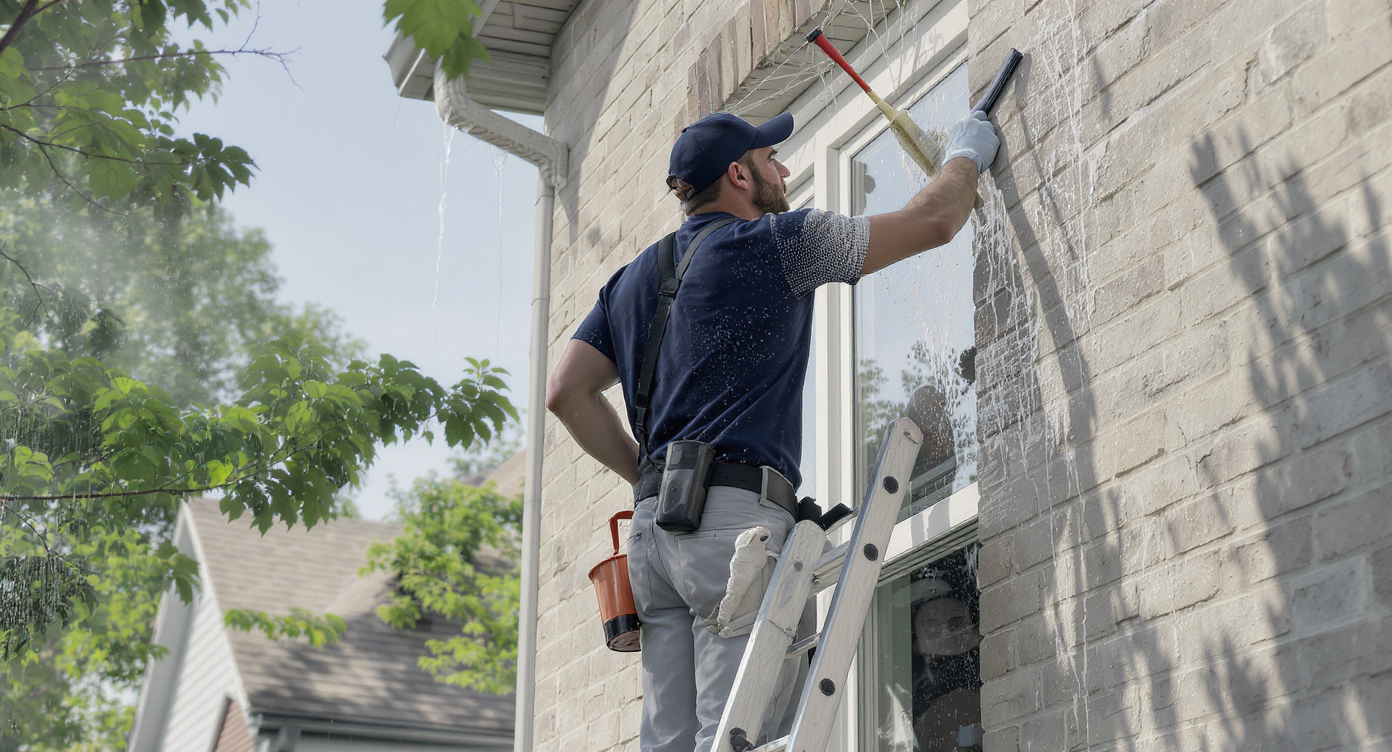
A homeowner calls about a last-minute window cleaning before a family gathering. Your crew is on ladders three stories up. Nobody answers. That customer moves to the next company in their search results, and you never even know you lost the job. According to recent missed call research, the majority of callers who don’t get an answer won’t leave a voicemail or call back. Sound familiar? For window cleaning companies that depend on inbound calls for new business, choosing the best phone system for window cleaning companies isn’t a luxury. It’s a revenue decision.
The best phone system for window cleaning companies is cloud-based software that captures every inbound call, routes them to available team members in the field, and automatically follows up with missed callers via text. This prevents lost leads when your crew is on job sites and ensures no customer inquiry goes unanswered.
What Is a Business Phone System for Window Cleaning Companies?
A business phone system is the technology that handles how your company makes, receives, and manages calls. For window cleaning companies specifically, it goes way beyond a simple phone line. You need a system that works while your team is in the field, routes calls properly when everyone’s busy on a job site, and captures every lead that comes through—even after hours.
Modern phone systems for service businesses run over the internet (VoIP) rather than traditional landlines. That means your crew can take calls on their personal phones using a professional business number, and you don’t need to wire up an office with expensive hardware. But here’s the thing: not all VoIP systems are created equal. Window cleaning businesses have specific needs. Route-based scheduling. Seasonal call volume spikes. Customers who expect fast responses. The right system accounts for all of this.
Why Window Cleaning Companies Lose Revenue Without the Right Phone System
Window cleaning is inherently a mobile business. Your technicians are on-site, often unreachable by phone. You might not have a dedicated receptionist, and hiring one full-time for a small operation rarely makes financial sense. Yet your phone is your primary lead generation tool.
The True Cost of Missed Calls
Every missed call represents a potential customer choosing a competitor. Industry data on missed call costs shows that service businesses can lose six figures annually from unanswered calls alone. Window cleaning jobs often range from $150 for a residential cleaning to several thousand for commercial contracts. Even losing five calls a week adds up fast. Especially during spring and summer when demand peaks.
After-Hours Calls Are a Blind Spot
Homeowners often research and call service providers in the evening, after their own workday ends. If your phone system simply sends those calls to voicemail, you’re counting on people to wait for a callback the next morning. Most won’t. Research on missed call revenue loss confirms that speed-to-lead matters enormously. The first company to respond typically wins the job.
So the question isn’t whether you need a phone system. It’s whether your current setup is quietly costing you thousands of dollars a month in lost bookings.
Features to Look for in a Window Cleaning Phone System
Not every phone system fits a field service business. A platform designed for corporate call centers won’t solve the problems a five-person window cleaning crew faces daily. Here’s what actually matters when you’re evaluating options.
Call Routing and IVR
When a customer calls, the system should route them to the right person automatically. If your lead technician handles residential estimates and your office manager handles commercial accounts, an IVR (interactive voice response) menu can direct calls without anyone manually transferring. Look for a visual call flow builder. That way you can set this up yourself, without paying a consultant.
After-Hours Call Handling
Your business doesn’t stop generating leads at 5 PM. An effective phone system should capture after-hours callers through voicemail, automated text-back, or an AI agent that can answer basic questions and book appointments without human involvement. This single feature can recover revenue that most window cleaning companies leave on the table every single day.
Mobile Accessibility
Your team lives on their phones, not at desks. A system that only works through desktop apps is useless. You need mobile apps that let your crew take business calls on personal devices while keeping your professional number visible to customers.
Essential Capabilities Checklist
- Business phone number: Separate from personal lines, with local or toll-free options
- Call recording: Critical for resolving disputes about service scope or pricing
- Voicemail transcription: Read messages quickly instead of listening to recordings while on a ladder
- SMS and text messaging: Customers increasingly prefer texting to calling, especially for appointment confirmations
- CRM and scheduling integrations: Sync with tools like HousecallPro or ServiceFusion so you aren’t double-entering customer info
- Missed call text-back: Automatically text a caller you couldn’t answer, so they know you’ll follow up
- Spam blocking: Reduce interruptions from robocalls that waste your team’s time
What About AI Voice Agents?
AI-powered phone answering is becoming realistic for small service businesses. Not just enterprise companies anymore. An AI voice agent can answer calls 24/7, provide quotes for standard services, book appointments, and qualify leads before passing them to your team. According to a 2026 buyer’s guide on AI receptionists, adoption among SMBs has accelerated significantly. For window cleaning companies with seasonal demand, this can mean handling a rush of spring calls without hiring temporary staff.
Comparing Phone System Options for Window Cleaning Businesses
Several platforms compete for small service businesses. But they vary dramatically in what they offer and what they cost. Here’s a practical breakdown of how popular options stack up for a window cleaning operation.
| Feature | SalesCaptain | OpenPhone | Dialpad | Nextiva | RingCentral |
|---|---|---|---|---|---|
| Starting Price | Free (Startup plan) | $15/user/mo | $15/user/mo | $20/user/mo | $20/user/mo |
| Missed Call Text-Back | Yes | No | No | No | No |
| Call Coaching/Whispering | Yes | No | No | No | No |
| Unified Inbox (calls + SMS + social) | Yes | Limited | No | No | Limited |
| ServiceFusion/HousecallPro Integration | Yes | No | No | No | No |
| Toll-Free Minutes Included | Yes | No | No | Yes | Yes |
| High Volume SMS | Yes | No | No | Capped at 250/user | Limited |
A few things stand out in this comparison. OpenPhone is affordable but offers minimal AI capabilities and only seven integrations. Dialpad targets tech-forward sales teams. It doesn’t include toll-free minutes or audio conferencing. Nextiva caps SMS at 250 messages per user per month. That’s limiting if you’re sending appointment reminders and follow-ups to dozens of customers daily. RingCentral is solid for general-purpose work, but it lacks the service-business-specific features that window cleaners actually need.
According to FinancesOnline’s analysis of business phone system trends, SMBs are increasingly prioritizing unified communications platforms that consolidate multiple channels rather than managing separate tools for calls, texting, and chat. This shift is particularly relevant for field service companies. Juggling three or four apps creates confusion. And it causes dropped leads.
How SalesCaptain Helps Window Cleaning Companies
SalesCaptain was built specifically for service businesses like window cleaning companies. Not retrofitted from a corporate call center tool. The platform combines an AI phone agent, AI chat agents, and a unified inbox in one system. You’re not stitching together multiple subscriptions to cover your communication needs.
What does that look like in practice? A customer calls at 7 PM about cleaning their storefront windows. Your AI Phone Agent answers with a natural-sounding voice. It asks about the job details, checks your availability through your scheduling integration (HousecallPro or ServiceFusion), and books the appointment. The next morning, your team sees the booking, a full call transcription, and an AI-generated summary highlighting that the customer also asked about gutter cleaning. No sticky notes. No forgotten callbacks.
During peak season, the same system handles the volume surge without adding headcount. Key capabilities that matter for window cleaning businesses include:
- 24/7 AI call answering at $0.12/minute, far less than hiring a receptionist or answering service
- Missed call text-back that instantly engages callers you couldn’t reach
- Drag-and-drop call flow builder so you can route residential and commercial inquiries separately
- Unified inbox pulling calls, texts, webchat, Facebook Messenger, and Instagram DMs into one place
- Workflow automation for follow-up reminders, quote follow-ups, and review requests after completed jobs
- Spam blocking to keep robocalls from interrupting your crew
The Startup plan is free for a single location. Test whether the system fits your operation before committing. Paid plans start at $159/month per location, and since pricing is per-location rather than per-user, adding team members doesn’t inflate your bill. For a growing window cleaning company with multiple crews, this scales much more affordably than per-user platforms like Aircall at $30 per license or RingCentral at $20 per user.
Key Takeaways
The best phone system for window cleaning companies isn’t the one with the most enterprise features. It’s the one that captures every lead, works while your team is on job sites, and doesn’t require a full-time receptionist to manage. Here’s what matters most:
- After-hours call handling and missed call text-back are non-negotiable for a business that operates during the day but receives calls around the clock
- AI voice agents have become practical and affordable for SMBs, especially seasonal businesses facing unpredictable call volumes
- Per-location pricing beats per-user pricing as your crew grows
- Integration with field service tools like HousecallPro and ServiceFusion eliminates double data entry
- A unified inbox prevents leads from slipping through cracks between calls, texts, and social messages
Your phone system should work as hard as your crew does. If it’s not capturing leads while you’re on a job site, it’s costing you money every day.
Frequently Asked Questions
How much does a business phone system cost for a small window cleaning company?
Costs vary widely. Per-user platforms like OpenPhone start at $15/user/month. Others like Aircall charge $30/license/month. SalesCaptain offers a free Startup plan for one location and $159/month per location for its Business plan. No per-user fees. AI call minutes cost $0.12/minute, which is significantly less than hiring a receptionist or using a human answering service.
Can an AI phone agent really handle calls for a window cleaning business?
Yes. Modern AI voice agents sound natural and can answer common questions. They provide general pricing information. They book appointments by checking your calendar. And they qualify leads. They’re especially useful for after-hours calls and peak season volume. According to SMB Group’s 2024 survey, small businesses are increasingly adopting AI tools to handle customer-facing tasks that previously required staff.
Do I need a separate business phone number?
Absolutely. Using a personal cell number looks unprofessional. It makes it impossible to separate work from personal life. A dedicated business number lets you route calls, track marketing campaigns, and maintain a consistent brand presence. Most VoIP phone systems include at least one business number in their plans.
What happens if my internet goes down while using a VoIP phone system?
Quality VoIP systems include failover options. Calls can forward to a mobile number. They go to voicemail. Or they’re handled by an AI agent. SalesCaptain’s 99.99% uptime means outages are extremely rare. And call flows can be configured to automatically redirect during any connectivity issues.
How does a unified inbox help a window cleaning company?
Window cleaning customers reach out through phone calls, text messages, Facebook, Instagram, and website chat. Without a unified inbox, you’re checking five different apps. You’ll inevitably miss messages. A unified communications study by IDC found that consolidating channels improves response times and reduces lost leads. One inbox gives your entire team visibility into every customer conversation.
See How SalesCaptain Can Help Your Window Cleaning Business
SalesCaptain gives you an AI phone agent, unified inbox, and workflow automation built for service businesses. Start with the free plan and see how many more calls you can capture. Visit SalesCaptain to get started today.