
AI-powered customer experience marketing (CXM) platform that helps local businesses win.


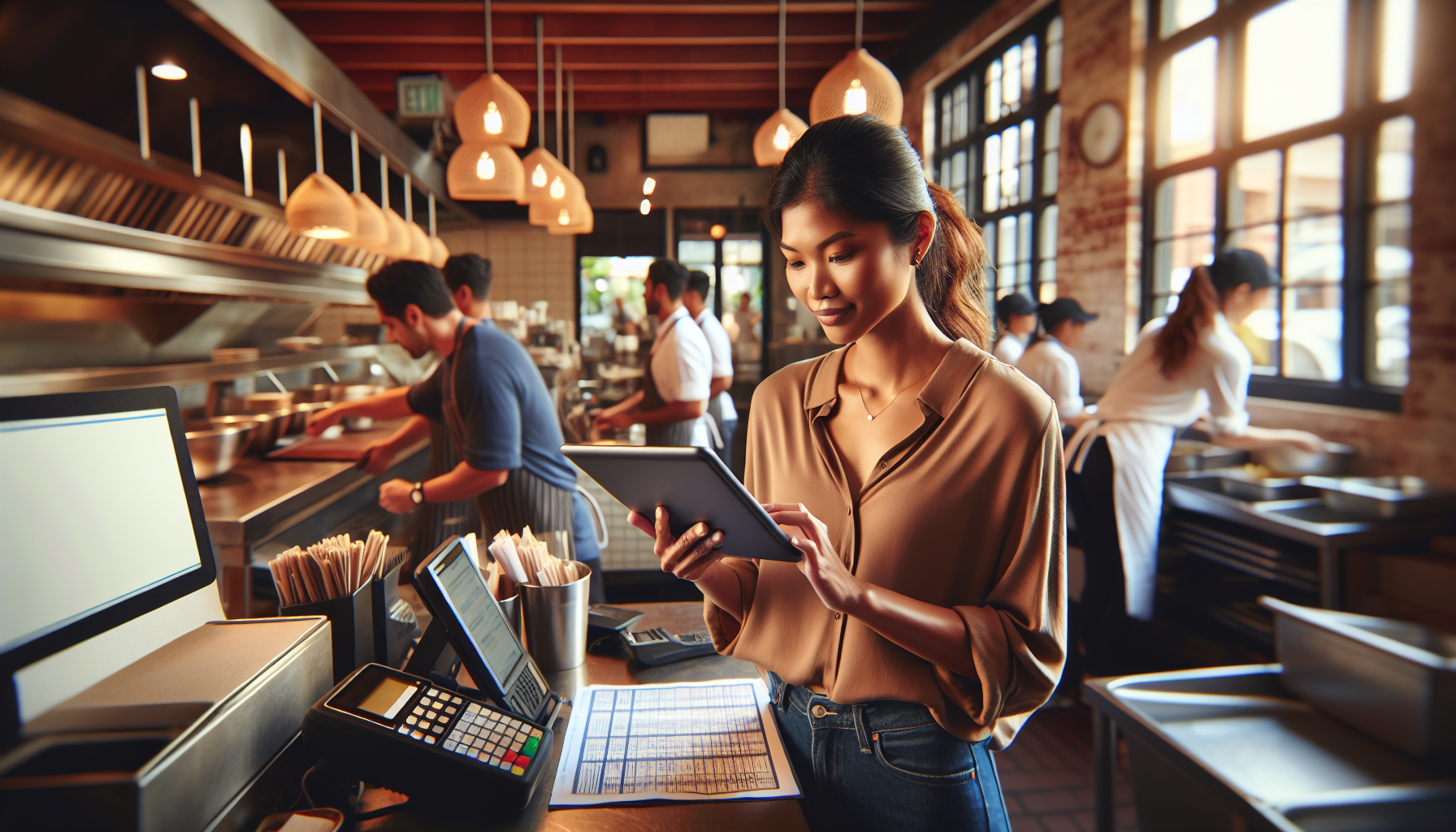
A party of six just called your restaurant to book a table for Saturday night. Nobody picked up because the whole team was managing a dinner rush. That caller didn’t leave a voicemail. They called the next place on Google instead. According to industry research from SkipCalls, small businesses lose over $26,000 per year from missed calls alone, and restaurants are among the most affected. Understanding how restaurants can automate customer communication isn’t just a tech upgrade anymore. It’s a survival strategy.
What Is restaurant communication automation?
Restaurant communication automation means using software, including AI agents and workflow tools, to handle routine customer interactions without requiring a staff member’s attention. Think reservation confirmations, order status updates, answers to common questions like “What time do you close?”, and follow-ups after a visit. These interactions happen across phone calls, text messages, webchat, social media DMs, and email.
The goal isn’t to eliminate the human element. It’s to free your team from repetitive, low-value communication so they can focus on delivering great hospitality where it actually matters: face to face. When a guest walks in, you want your host greeting them warmly, not stuck on the phone telling someone your hours for the fifteenth time that day.
Why Restaurants Lose Customers to Poor Communication
The restaurant industry is booming. The National Restaurant Association forecasted $1.1 trillion in industry sales for 2024. But booming sales also mean booming demand on already stretched-thin teams. And that’s where communication breaks down.
The Missed Call Problem
Restaurants receive the bulk of their calls during peak hours, precisely when staff can’t answer. A missed call revenue study by PCN Answers found that a significant percentage of callers who don’t get through won’t try again. They’ll simply move on to a competitor. For a restaurant averaging 20-30 inbound calls per day, even missing a third of those during rush periods adds up to hundreds of lost opportunities monthly.
Slow Response Across Digital Channels
Phone calls aren’t the only channel at risk. Guests message through Instagram DMs asking about your brunch menu. They text your business number about catering. They fill out a contact form on your website. If your response takes hours, or worse, never comes, you’ve lost that customer before they ever tasted your food. According to research published in Harvard Business Review, responding to a lead within five minutes makes you dramatically more likely to qualify that prospect compared to waiting even 30 minutes.
Staffing Costs Keep Rising
Hiring more people to answer phones and manage messages isn’t always realistic. Data from NEXT Insurance shows restaurant payroll is outpacing revenue gains by nearly 5%. So while you’re making more money, labor is eating into margins faster. Adding a dedicated phone person or social media manager might not fit your budget. Automation fills that gap without adding headcount.
Practical Ways Restaurants Can Automate Customer Communication
Let’s get specific. Here are the communication workflows restaurants can automate right now, organized by the actual problems they solve.
Answering Calls Around the Clock
An AI phone agent can pick up every call, whether it’s 2 PM during lunch service or 11 PM after you’ve closed. A well-configured AI voice agent handles the most common call types:
- Reservation requests: The agent checks availability and books directly, or captures the caller’s details for a callback.
- Hours, location, and parking questions: These make up a huge portion of inbound calls. Automating them is a quick win.
- Catering and event inquiries: The agent qualifies the lead by asking about party size, date, and budget, then routes the details to your events manager.
- Spam and robocall blocking: Your staff shouldn’t waste 30 seconds per junk call. An AI agent identifies and blocks them automatically.
After-hours calls deserve special attention here. Most restaurants close their phone lines when the kitchen closes, but customers don’t stop looking for places to eat. Capturing those after-hours calls, even just collecting a name and number via AI, gives you leads to follow up on the next morning.
Instant Responses on Text and Social Media
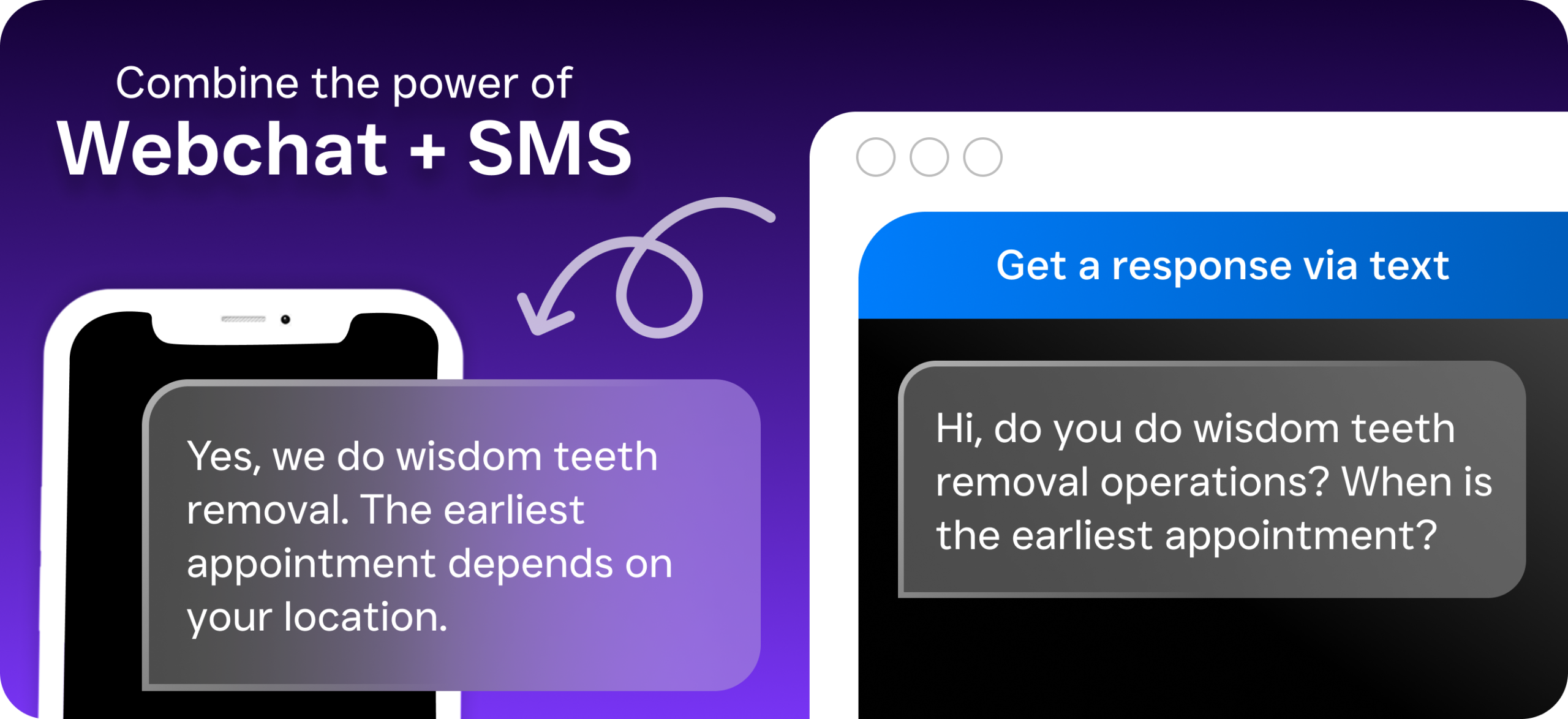
Multichannel chat automation is where things get powerful. Instead of checking Instagram, Facebook Messenger, your website chat widget, and your SMS inbox separately, you consolidate everything into one system. AI chat agents can respond instantly to common questions across all these channels simultaneously.
Here’s what that looks like in practice for a restaurant:
- A potential customer DMs your Instagram asking, “Do you have gluten-free options?” The AI agent responds within seconds with your dietary accommodation details.
- Someone texts your business number asking to modify a reservation. The agent confirms the change or escalates to your host if needed.
- A website visitor asks about private dining on your webchat. The agent captures their info and sends it to your events team.
Speed matters enormously. Customers who get an instant reply feel attended to. Those who wait hours feel ignored. And that’s the difference between a booked table and a lost one.
Automated Follow-Ups and Reminders
No-shows are a chronic pain point for restaurants, especially those that take reservations without deposits. Automated reminder workflows can drastically reduce them. A simple sequence works well:
- Send a confirmation text immediately after booking.
- Send a reminder 24 hours before the reservation.
- Send a final reminder 2 hours before, with an easy option to cancel or modify.
Beyond reservations, workflow automation handles post-visit follow-ups too. You can trigger a text asking for a Google review the day after someone dined with you, or send a personalized message with a promo for their birthday month. These touchpoints build loyalty without anyone on your team lifting a finger.
Streamlining Catering and Large Party Coordination
Catering inquiries are high-value but high-effort. They require multiple back-and-forth messages about menus, headcounts, dietary restrictions, delivery logistics, and payment. Automation doesn’t handle the entire negotiation, but it handles the qualification stage brilliantly. An AI agent can gather all the preliminary details through a structured conversation, then hand a complete brief to your catering coordinator. That saves 15-20 minutes of manual back-and-forth per inquiry.
Best Practices for Restaurant Communication Automation
Automation works best when it’s thoughtful. Poorly set up, it can feel cold and robotic, which is the opposite of what restaurant hospitality should be. Here’s how to get it right.
Keep the Brand Voice Warm
Your AI agent’s responses should sound like your restaurant, not like a corporate help desk. If your brand is casual and fun, your automated messages should be too. If you’re a fine-dining establishment, the tone should reflect that. Most modern AI agents let you customize the voice, phrasing, and personality to match your brand.
Know When to Escalate to a Human
Not every interaction should be automated. Complaint handling, complex dietary discussions for guests with severe allergies, and VIP guest management are all better handled by a person. The key is building clear escalation rules so the AI knows when to hand off. A good rule of thumb: automate information delivery and lead capture, but escalate anything involving emotion or nuance.
Track and Improve Continuously
Pay attention to what your customers are asking that the AI can’t answer well. Those gaps are your roadmap for improvement. Review call logs and chat transcripts weekly for the first month, then monthly after that. Most platforms give you analytics showing response accuracy, common questions, and drop-off points.
Integrate With Your Existing Tools
Automation creates real value only when it connects to the systems you already use. Your reservation platform, POS system, CRM, and review management tools should all sync. Otherwise, you’re just creating another silo. Look for platforms with native integrations or Zapier connectivity so data flows automatically between systems.
How SalesCaptain Helps
SalesCaptain brings together the pieces restaurants typically buy separately: an AI phone agent, AI chat agents for SMS and social channels, a unified inbox, and workflow automation. All in one platform, with no technical expertise required to set up.
For restaurants specifically, the combination is powerful. The AI Phone Agent answers every call 24/7, books reservations, handles FAQ calls about hours and menus, and blocks spam. It captures after-hours callers so your morning team has a list of warm leads waiting. Meanwhile, AI Chat Agents handle Instagram DMs, Facebook Messenger, webchat, and SMS simultaneously, responding to inquiries in seconds rather than hours.
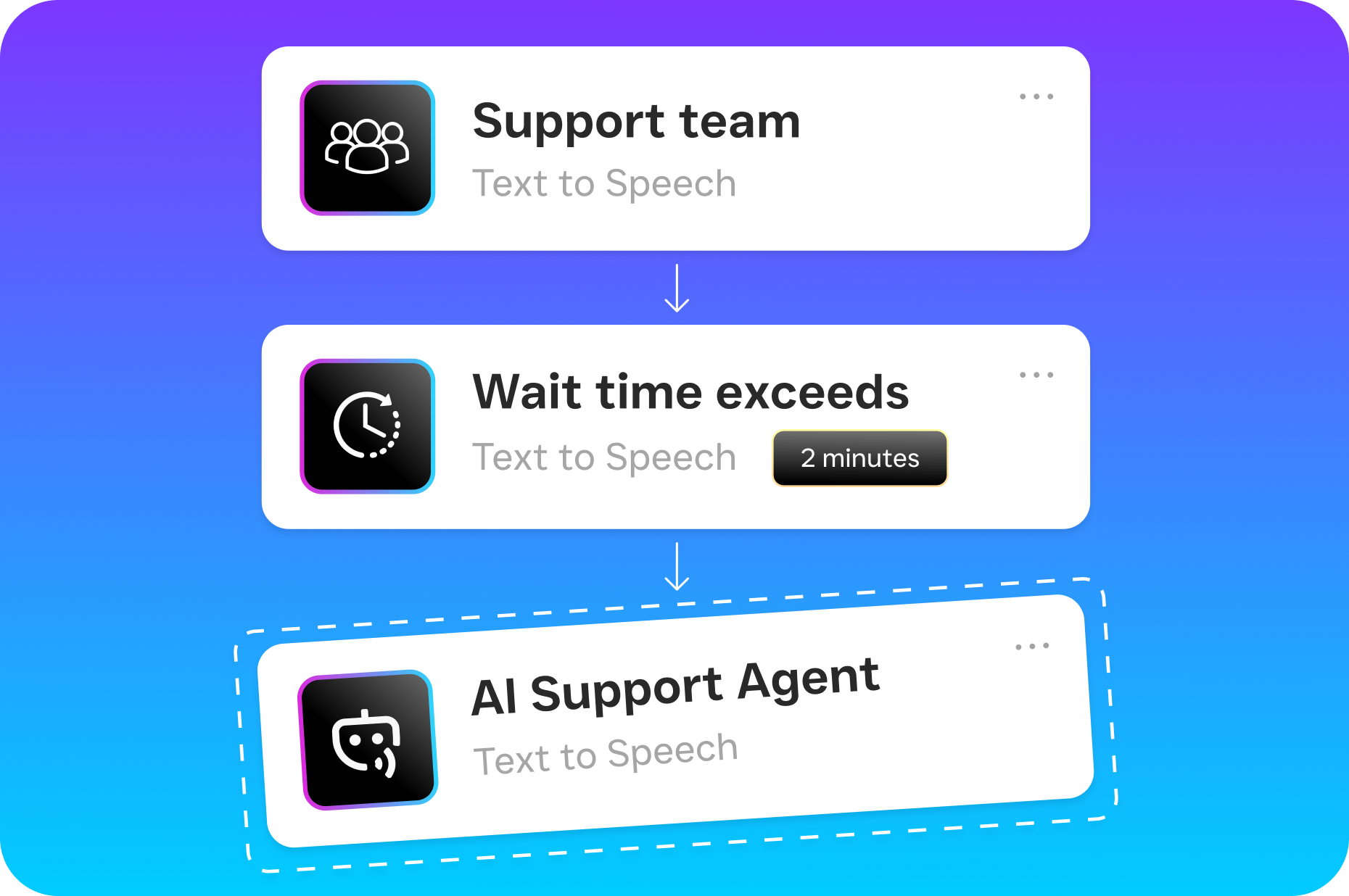
Everything flows into a single Unified Inbox where your team sees calls, texts, social messages, and notes in one place. No more checking five different apps. The Workflow Automation builder lets you create reservation reminder sequences, post-visit review requests, and follow-up campaigns with a drag-and-drop interface. Plus, with restaurant profit margins typically running thin, SalesCaptain’s pricing scales affordably: a free Startup plan for a single location, $159/month per location for the Business plan, and AI calls at just $0.12/minute. Integrations with tools like HubSpot, Zapier, and QuickBooks keep your data connected across your tech stack.
Key Takeaways
How restaurants can automate customer communication comes down to covering three bases: voice, messaging, and follow-up. AI phone agents ensure you never miss a call again, even during a Friday night rush. Chat automation gives instant answers across every digital channel your customers use. And workflow automation handles the repetitive sequences, like reminders and review requests, that drive revenue but drain staff time.
The restaurants that thrive over the next five years won’t be the ones with the biggest teams. They’ll be the ones that use automation intelligently to deliver faster, more consistent communication at every touchpoint, while keeping their human staff focused on the in-person experience that keeps guests coming back.
Frequently Asked Questions
Won’t automated communication feel impersonal to restaurant guests?
Not when it’s done well. Modern AI agents can be customized to match your restaurant’s tone and personality. Guests care most about getting a fast, accurate response. An instant, friendly AI reply feels far more personal than a voicemail box or a message that goes unanswered for hours. The key is configuring your agent’s voice and phrasing to reflect your brand.
What types of restaurant calls are best suited for AI automation?
High-frequency, low-complexity calls are ideal: hours and location inquiries, reservation booking, menu questions, and catering lead qualification. According to SchedulingKit’s research, these types of calls make up the majority of inbound volume for most service businesses. Complaints, allergy-sensitive conversations, and VIP requests should still route to a team member.
How long does it take to set up communication automation for a restaurant?
With a platform that doesn’t require coding or technical expertise, most restaurants can have an AI phone agent and chat automation running within a day. You’ll spend the bulk of your setup time writing out your FAQs, defining your reservation rules, and customizing the AI’s tone. After that, it’s mostly monitoring and fine-tuning during the first few weeks.
Can automation handle reservation changes and cancellations?
Yes. AI agents can process straightforward modifications like time changes, party size adjustments, and cancellations. For more complex scenarios, like splitting a large reservation into two seatings, the agent can capture the details and escalate to your host team. The combination of automation for simple tasks and human escalation for complex ones works best.
Is communication automation affordable for independent restaurants?
It’s far more affordable than hiring additional staff. AI calling typically costs cents per minute, while a single part-time employee to answer phones runs $15,000+ annually. Many platforms offer free or low-cost entry plans so you can test the value before committing. The ROI usually becomes clear within the first month once you see how many previously missed calls and messages are now being captured.
See How SalesCaptain Can Help Your Restaurant
SalesCaptain gives your restaurant an AI phone agent, multichannel chat automation, a unified inbox, and workflow tools, all in one platform with no technical setup required. Start with a free plan and see how many more calls, messages, and reservations you capture in your first week.