
AI-powered customer experience marketing (CXM) platform that helps local businesses win.


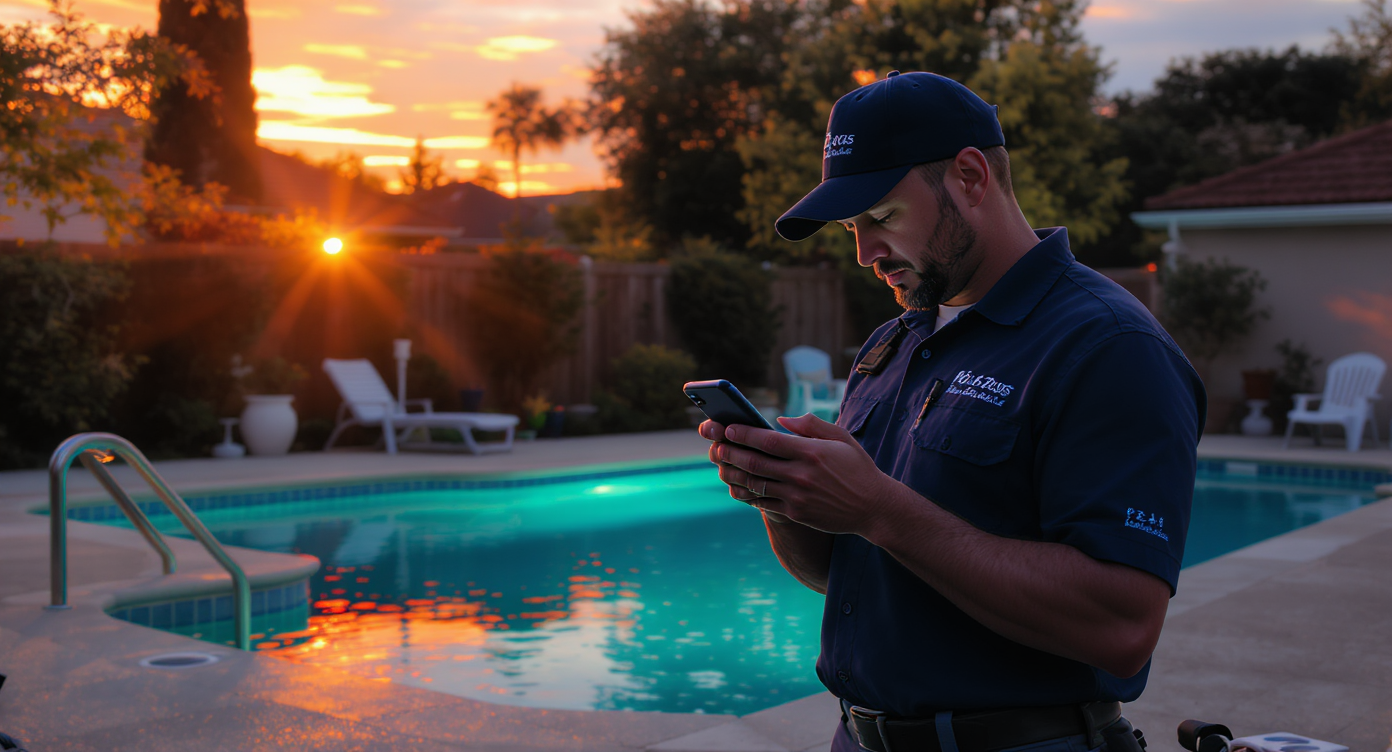
A homeowner notices green water in their pool at 7 PM on a Friday. They call three pool service companies. Two go to voicemail. One answers, books the job, and earns a loyal customer for life. Sound familiar? Learning how to handle after hours calls for pool service companies isn’t just a nice operational upgrade. It’s the difference between growing your business and watching leads slip to your competitors every single evening and weekend.
Quick Answer
After-hours pool service calls require a live answering service or automated system to capture leads before competitors do. Offer callers options like scheduling callbacks, leaving urgent messages, or selecting services they need. Implement a simple voicemail with clear instructions, use call forwarding to a dedicated team member, or hire a professional answering service to qualify leads and take detailed information while you’re closed.
What Are After Hours Calls for Pool Service Companies?
After hours calls are any inbound phone calls that come in outside your normal business hours. For most pool service companies, that means evenings after 5 PM, weekends, and holidays. These calls range from emergency requests like equipment failures and green pools to routine inquiries about weekly maintenance plans, pricing, and scheduling.
Related guide: how to handle after hours calls for cleaning companies.
Here’s the problem: pool owners don’t operate on your schedule. They notice issues when they’re home, which is usually after you’ve closed for the day. According to research on the cost of missed calls, small businesses lose significant revenue every year from unanswered phone calls. For pool service companies operating in competitive local markets, even a handful of missed after hours calls per week can add up to tens of thousands in lost annual revenue.
Free weekly newsletter
Growth tips for home service businesses
Every Tuesday — actionable ideas to get more leads, reviews, and repeat customers. No fluff.
Why After Hours Calls Matter More for Pool Service Than Most Industries
Pool service is inherently seasonal and urgent. When a pool pump dies in July, the homeowner isn’t going to wait until Monday morning to start calling. They’ll search, call, and hire whoever picks up first. That urgency creates a unique dynamic. After hours availability directly correlates with revenue.
The Seasonal Revenue Window
Most pool service companies earn the bulk of their annual income during a 5-7 month window. Every missed call during peak season carries outsized weight because you can’t make it up in December. A single pool cleaning contract might be worth $150-$300 per month. A new equipment installation could run $2,000-$8,000. Missing just one of those calls per week during summer means leaving serious money on the table.
Your Competitors Are Already Doing This
The pool service industry has gotten way more competitive. According to the U.S. Small Business Administration, service businesses face increasing pressure to differentiate on customer experience, not just price. If a competitor answers at 8 PM and you don’t, the homeowner won’t call you back tomorrow. They’ve already booked someone else. And they won’t think of you again.
📺 Watch: After-Hours Call Routing Setup: Never Miss a Lead
Five Practical Approaches to Handling After Hours Calls
Not every solution fits every pool service company. Your choice depends on call volume, budget, and how much control you want over the customer experience. Here are the most common approaches. Each one has real trade-offs worth understanding.
1. Voicemail With a Callback Promise
This is the default for most small pool companies. You record a professional greeting, promise to call back the next business day, and hope the caller leaves a message. It costs nothing beyond your existing phone plan.
But here’s the catch: industry data on missed business calls shows that most callers won’t leave a voicemail. They’ll hang up and call the next company on Google. So while voicemail is free, it’s also the most expensive option in terms of lost business.
2. Forwarding Calls to Your Personal Phone
Many pool service owners route after hours calls to their cell phone. It works when you’re available. But it creates real problems over time:
- You can’t take calls while servicing a pool, driving, or spending time with family
- There’s no separation between work and personal life
- You become a bottleneck as your company grows
- Calls from spam, solicitors, and tire-kickers eat up your evenings
For a solo operator just starting out, this might work. But it doesn’t scale. And burnout is a real risk.
3. Hiring an Answering Service
Traditional answering services use live operators to take messages on your behalf. They typically charge per minute or per call, with costs ranging from $0.75 to $1.50 per minute depending on the provider. For a pool company getting 20-30 after hours calls per month, that’s $200-$500 monthly.
The downside? These operators can’t answer specific questions about your services, pricing, or availability. They take a message and pass it along. So the caller still has to wait for your callback. You’re essentially paying for a slightly better voicemail experience.
4. AI Phone Agents
AI phone agents represent the newest approach. Unlike answering services, an AI agent can actually hold a natural conversation. It answers FAQs about your services, qualifies whether the caller needs emergency service or routine maintenance, and even books appointments directly on your calendar.
The technology has improved dramatically. Modern AI voice agents sound natural and handle interruptions well. You can train them on your specific service offerings. According to a review of AI virtual receptionists, businesses using AI for after hours calls see measurably higher lead capture rates compared to voicemail or basic answering services.
5. Missed Call Text-Back
When you can’t answer, an automated text message goes to the caller within seconds. Something like: “Hi, thanks for calling [Your Pool Company]. We’re currently closed but want to help. What can we assist you with?” This immediately opens a text conversation where many callers will share their needs.
Missed call text-back works well because it meets customers where they already are. On their phones. Comfortable texting. It’s especially effective when combined with an AI chat agent that can continue the conversation without requiring you to manually respond at 9 PM.
Best Practices for Setting Up Your After Hours System
Whichever approach you choose, a few principles will make it far more effective. These aren’t theoretical suggestions. They come from what actually works for service businesses handling high call volumes.
Separate Emergency From Routine Calls
Not every after hours call deserves the same response. A flooded pool deck is an emergency. A question about weekly service pricing can wait until morning. Your system should route these differently.
Build a call flow that asks the caller to identify their issue type. Emergency callers should reach a live person or get an immediate callback. Routine inquiries can be handled by an AI agent or text conversation. This prevents you from getting woken up at 11 PM for a non-urgent question. And it ensures genuine emergencies get fast attention.
Capture Information, Not Just Messages
A “please leave a message” voicemail captures almost nothing useful. Your after hours system should collect:
- Caller’s name and phone number
- Service address
- Type of pool (in-ground, above-ground, saltwater, chlorine)
- Nature of the issue or service request
- Preferred callback time or appointment availability
When your team arrives Monday morning with complete information for every after hours inquiry, they can prioritize and respond intelligently. No more playing phone tag all day.
Speed of Response Still Wins
Even with an after hours system in place, follow-up speed matters. According to missed call statistics from Safina AI, response time is one of the strongest predictors of whether a lead converts. If your AI agent books an appointment at 8 PM, send a confirmation text immediately. If a lead comes in overnight, make sure your first callback happens within minutes of opening, not hours later.
Keep Your Greeting Professional and Current
Update your after hours greeting seasonally. In summer, mention your availability for emergency service. During the off-season, highlight pool winterization or equipment maintenance specials. A stale greeting signals to callers that your business isn’t detail-oriented. That’s the wrong impression for a pool company.
How SalesCaptain Helps Pool Service Companies Handle After Hours Calls
SalesCaptain’s AI Phone Agent was built for exactly this scenario. It answers every call 24/7 with a natural-sounding voice, qualified to handle the specific conversations pool service companies deal with. It doesn’t just take messages. It asks callers about their pool type, identifies whether they need emergency service or a routine quote, answers common questions about your services, and books appointments directly into your calendar.
What makes this particularly useful for pool companies is the combination of features working together. When a caller doesn’t pick up, SalesCaptain’s missed call text-back automatically sends an SMS, starting a conversation that its AI Chat Agent can continue. Every interaction—phone call, text, or webchat—lands in one unified inbox where your team can see everything the next morning.
The AI also generates call summaries and transcriptions. So you’ll know exactly what each caller needed without listening to recordings. Spam calls get blocked automatically. And because SalesCaptain integrates with tools like HousecallPro and ServiceFusion that many pool companies already use, new leads and appointments sync without manual data entry. At $0.12 per minute for AI calls, it costs a fraction of what you’d pay a traditional answering service. Plus it actually does more.
Key Takeaways
After hours calls represent some of the highest-intent leads your pool service company will ever receive. These callers have an active problem and money to spend. Letting those calls go to a generic voicemail is the most expensive free option available to you.
The right after hours system should do three things: answer immediately, capture detailed information, and either resolve the inquiry or set a clear next step. Whether that’s booking an appointment, qualifying a lead, or routing an emergency, every call should end with the caller knowing what happens next.
Pool service is a relationship business built on trust and responsiveness. How you handle after hours calls sets the tone for that entire relationship. Companies that invest in proper after hours call handling consistently outgrow those that don’t. That’s not speculation. It’s the math of every missed call that turned into a competitor’s new customer.
Frequently Asked Questions
How many after hours calls does a typical pool service company miss per week?
It varies by market and season, but most pool service companies with active Google listings receive 15-40 calls per week during peak season. According to data from Voksha on missed call costs, roughly 60-80% of callers who reach voicemail won’t leave a message. During summer months, it’s common for pool companies to miss 10-20 potential leads per week during evenings and weekends alone.
Is an AI phone agent better than a live answering service for pool companies?
For most pool service companies, yes. A live answering service takes messages but can’t answer questions about your specific services, pricing, or availability. An AI phone agent can be trained on your exact offerings. It qualifies leads by asking about pool type and issue severity, and books appointments in real time. Plus it costs significantly less per minute than a human operator.
What should my after hours greeting include?
Your greeting should be brief and action-oriented. Include your company name, confirm your regular business hours, and immediately offer a next step. Whether that’s connecting to an AI agent, texting for faster service, or leaving detailed information. Avoid long menus or unnecessary information. Callers with pool emergencies don’t want to sit through a 45-second recording.
Can I use after hours call handling during pool season only?
You can, but year-round coverage is smarter. Off-season calls for winterization, heater repairs, and equipment upgrades tend to be high-value. Plus, homeowners planning spring openings often start calling in February and March. According to small business statistics from NAWBO, consistent customer experience year-round is a key driver of retention for service businesses.
How do I handle true pool emergencies after hours?
Set up a call flow that identifies emergencies (flooding, electrical issues, safety hazards) and routes those differently from routine inquiries. For genuine emergencies, route the call to your on-call technician’s cell phone. For everything else, your AI agent or text system can capture details and schedule a next-day response. Clear triage prevents burnout. And it ensures real emergencies get immediate attention.
Ready to see it in action?
See how pool service companies use SalesCaptain to capture every after-hours call and booking.
Book a Free Demo →See How SalesCaptain Can Help Your Pool Service Company
SalesCaptain’s AI Phone Agent answers every after hours call, qualifies leads, books appointments, and sends instant missed call texts, so you never lose another pool service customer to voicemail. It works 24/7 for a fraction of what an answering service charges.