
AI-powered customer experience marketing (CXM) platform that helps local businesses win.



If you’re comparing Ooma vs RingCentral for your business phone system, you’re likely weighing two of the most well-known VoIP providers on the market. Both platforms offer calling features for businesses of all sizes, but neither was purpose-built for the way modern service businesses actually communicate with customers. This guide breaks down how Ooma and RingCentral stack up against each other, where both fall short, and why a third option, SalesCaptain, may be the smarter choice for service-focused SMBs.
What Is Ooma?
Ooma is a cloud-based VoIP phone system that provides business calling features like virtual receptionists, call routing, and voicemail. It’s positioned as an affordable alternative for small businesses that need a reliable phone line without enterprise complexity. However, several independent reviews note that Ooma’s feature set is relatively limited compared to competitors, particularly when it comes to integrations, AI capabilities, and multi-channel communication. For businesses that only need basic voice calling, Ooma can work. But if you need more than a phone line, you’ll quickly hit its ceiling.
What Is SalesCaptain?
SalesCaptain is an AI-powered unified communication platform built specifically for service businesses. Rather than just handling phone calls, it combines an AI Phone Agent, AI Chat Agents, a unified inbox, workflow automation, and a full business phone system into a single platform. Your AI agents can answer calls 24/7, book appointments, qualify leads, respond to texts and social DMs, and follow up automatically. Because it’s designed for SMBs in industries like home services, healthcare, legal, and real estate, there’s no steep learning curve or enterprise-level complexity. Plans start free, with paid plans at $159/month per location.
Ooma vs RingCentral vs SalesCaptain: Feature Comparison
The typical Ooma vs RingCentral comparison focuses on calling features, video meetings, and pricing tiers. That’s useful if you’re shopping for a phone system alone. But most service businesses today need much more than voice calls. They need AI automation, multi-channel messaging, and tools that capture revenue around the clock. Here’s how all three platforms compare on the features that actually move the needle.
| Feature | Ooma | RingCentral | SalesCaptain |
|---|---|---|---|
| AI Voice Agent | ✗ | ✗ | ✓ |
| AI Chat Agents (SMS, Webchat, Social) | ✗ | ✗ | ✓ |
| Unified Inbox (All Channels) | ✗ | Partial | ✓ |
| WhatsApp Messaging | ✗ | ✗ | ✓ |
| Text-to-Pay | ✗ | ✗ | ✓ |
| Workflow Automation Builder | ✗ | Partial | ✓ |
| Call Flow Builder (Drag-and-Drop) | ✗ | Partial | ✓ |
| AI Transcription & Summaries | ✗ | Partial | ✓ |
| Sentiment Analysis for Calls | ✗ | ✗ | ✓ |
| Call Coaching & Whispering | ✗ | Partial | ✓ |
| 50+ Integrations (HubSpot, Salesforce, etc.) | Limited | ✓ | ✓ |
| Free Plan Available | ✗ | ✗ | ✓ |
| Best For | Basic business calling | Mid-to-large enterprises | Service businesses (1-200 employees) |
RingCentral earns “Partial” marks in several categories because while it offers some versions of these features, they’re often locked behind higher-tier plans, require add-ons, or lack the depth that a purpose-built platform provides. Neither Ooma nor RingCentral offers a true AI voice agent that can answer calls, book appointments, and qualify leads without human involvement.
Where Ooma and RingCentral Fall Short
Both platforms were designed in an era when “business communication” meant phone calls and maybe video meetings. That’s no longer enough. Service businesses lose real revenue every time a call goes unanswered after hours, a text inquiry sits without a reply, or a lead slips through because nobody followed up. According to industry research from SkipCalls, small businesses can lose $26,000 or more per year from missed calls alone.
Ooma’s Limitations
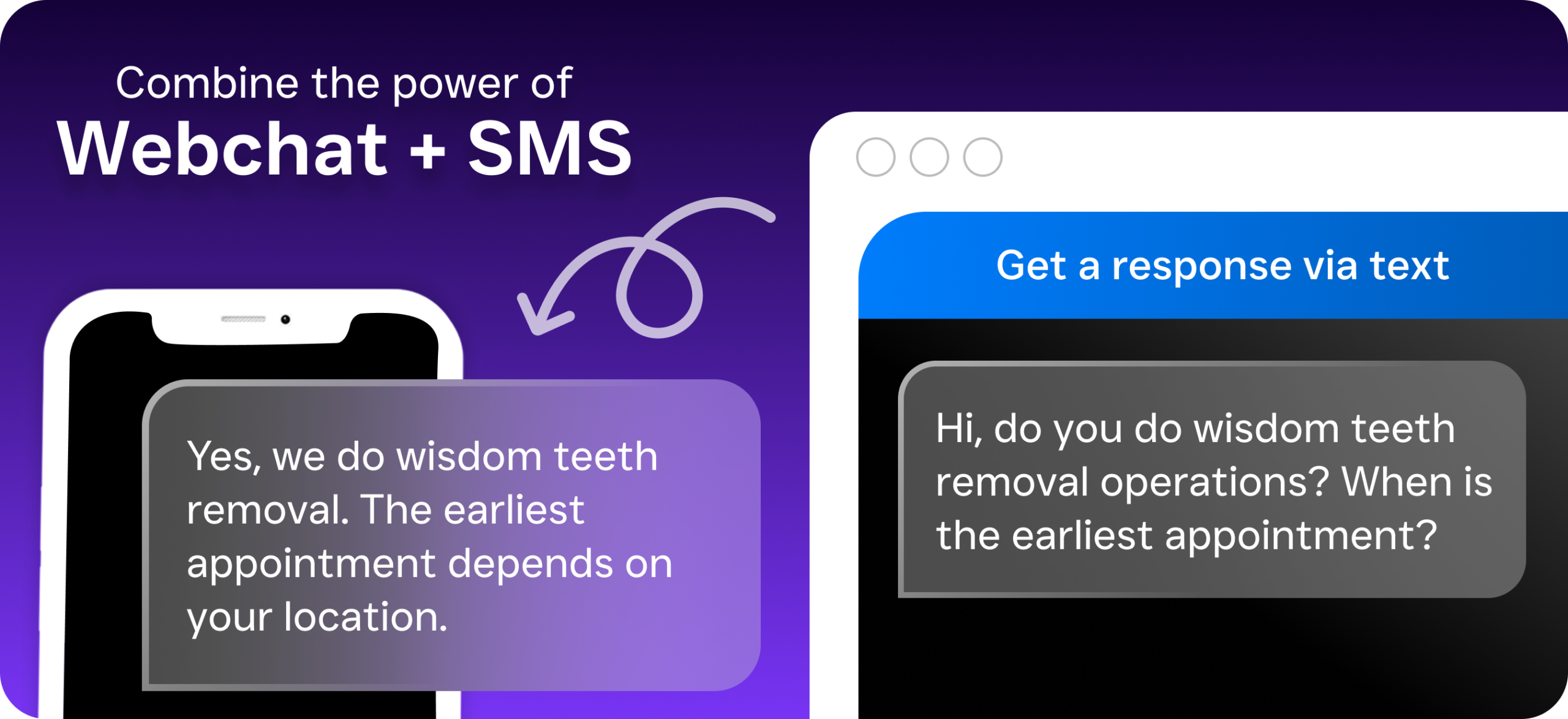
Ooma is a straightforward VoIP provider, and that simplicity is both its strength and its weakness. It doesn’t offer AI-powered call handling, so every missed call after hours is a missed opportunity. There’s no webchat-to-text functionality, no social media messaging integration, and no workflow automation to trigger follow-ups or reminders. If a customer DMs your business on Instagram or sends a Facebook message, Ooma can’t help you. As Prospeo’s comparison notes, Ooma’s feature set is noticeably thinner once you move beyond basic calling needs.
Integration options are also limited. For businesses that rely on CRMs like HubSpot or Salesforce, or field service tools like HousecallPro and ServiceFusion, Ooma doesn’t offer the native connections that keep your data in sync. You’re left manually updating records or stitching together workarounds with third-party tools.
RingCentral’s Limitations
RingCentral is a much larger platform, but that size comes with complexity. It’s built for mid-market and enterprise organizations, which means the setup process, pricing tiers, and feature navigation can overwhelm a five-person plumbing company or a two-location dental practice. You’ll find solid video conferencing tools, team messaging, and file sharing, but those aren’t the features that help a service business capture more leads at 9 PM on a Tuesday.
More critically, RingCentral doesn’t offer a true AI voice agent. It has some AI features sprinkled across higher-tier plans, like transcription and noise reduction, but nothing that autonomously answers a call, asks qualifying questions, and books an appointment in your calendar. There’s no AI chat agent for SMS or social channels either, and no missed-call text-back feature that instantly re-engages callers who couldn’t get through. For service businesses, those gaps represent lost revenue every single day.
Why SalesCaptain Is the Better Choice for Service Businesses
The Ooma vs RingCentral debate usually comes down to “simple and cheap” versus “complex and feature-rich.” SalesCaptain sits in a different category entirely, because it was built from the ground up for service businesses that need AI-powered customer communication, not just a phone line. Here’s what sets it apart.
- AI Phone Agent that works 24/7: A natural-sounding voice agent answers every call, qualifies leads, books appointments, handles FAQs, and blocks spam. No human needed. After-hours calls become booked appointments instead of voicemails that never get returned.
- AI Chat Agents across every channel: Automated agents handle SMS, webchat, Instagram DMs, and Facebook Messenger conversations. Every inquiry gets an instant response, even on weekends. According to ABS Call Center research, speed of response is one of the biggest factors in whether a lead converts or calls your competitor.
- Unified inbox for everything: Calls, texts, emails, social DMs, webchat, and internal notes all live in one collaborative inbox. Your team sees the full customer history without switching between five different apps.
- Drag-and-drop call flow builder: Build custom call flows with IVR menus, routing rules, after-hours handling, and AI agent handoffs. No coding, no IT department required.
- Workflow automation: Set up trigger-based automations for follow-ups, appointment reminders, CRM updates, and notifications. Integrates natively with HubSpot, Salesforce, Zoho, HousecallPro, ServiceFusion, Shopify, QuickBooks, Clio, and 40+ other tools.
- AI transcription, summaries, and sentiment analysis: Every call gets transcribed and summarized automatically. Your team can review key takeaways, action items, and customer sentiment without re-listening to recordings.
- Affordable, transparent pricing: A free plan covers one location. Paid plans start at $159/month per location, with AI calls billed at $0.12/minute. No hidden fees, no per-seat charges that spiral as your team grows.
For a small business that’s been comparing Ooma vs RingCentral, SalesCaptain offers something neither can match: the ability to grow your revenue without growing your headcount. Your AI agents handle the repetitive communication work, your team focuses on the customers who need a human touch, and nothing falls through the cracks.
Which Should You Choose?
If all you need is a basic business phone line with voicemail and a virtual receptionist, Ooma will get the job done at a lower price point. If you’re a larger organization that needs video conferencing, team collaboration, and enterprise-grade telephony, RingCentral is the more capable VoIP platform. Both are solid at what they were designed to do. As Voiso’s comparison points out, the right choice depends entirely on your specific business needs and size.
However, if you’re a service business, the question isn’t really Ooma vs RingCentral. It’s whether you want a phone system or a revenue engine. SalesCaptain combines everything you’d get from a VoIP provider with AI agents that actually do the work of answering, qualifying, and booking. For home service companies, healthcare practices, legal firms, salons, and real estate agencies, that combination means fewer missed calls, faster lead response, and more booked appointments, all without hiring additional staff. The NFIB reports that staffing remains one of the top challenges for small businesses, making AI-powered automation not just convenient but essential for staying competitive.
Frequently Asked Questions
Is Ooma or RingCentral better for a small service business?
Ooma is simpler and cheaper for basic calling, while RingCentral offers more features at a higher price. Neither provides AI voice agents, AI chat automation, or a unified inbox purpose-built for service businesses. If those capabilities matter to your business, SalesCaptain covers all three plus a full phone system.
Can Ooma or RingCentral answer calls automatically with AI?
No. Both offer auto-attendants and IVR menus that route callers, but neither has an AI voice agent that can hold a natural conversation, qualify a lead, or book an appointment on its own. SalesCaptain’s AI Phone Agent does all of this around the clock.
Does SalesCaptain replace both Ooma and RingCentral?
For service businesses, yes. SalesCaptain includes a full business phone system with 99.99% uptime, IVR, call routing, and voicemail, plus AI agents, multi-channel messaging, and workflow automation. You won’t need a separate VoIP provider.
How does SalesCaptain’s pricing compare to Ooma and RingCentral?
SalesCaptain offers a free plan for one location. Paid plans are $159/month per location, with AI call minutes at $0.12/minute. Both Ooma and RingCentral charge per-user fees that add up quickly as your team grows. SalesCaptain’s per-location model keeps costs predictable for multi-location businesses.
What integrations does SalesCaptain support that Ooma doesn’t?
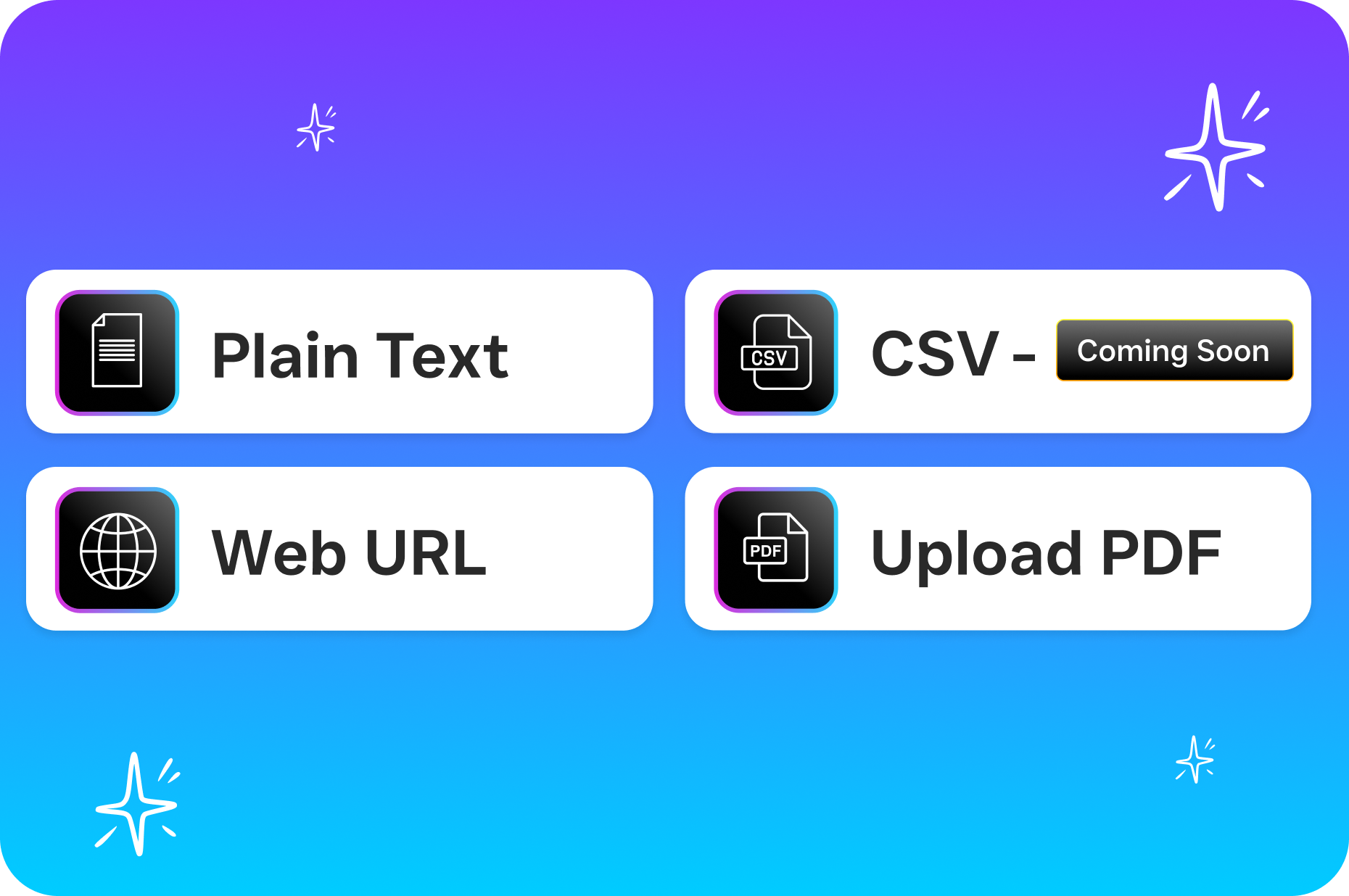
SalesCaptain natively integrates with over 50 tools, including HubSpot, Salesforce, Zoho, HousecallPro, ServiceFusion, Mindbody, Shopify, QuickBooks, Clio, and Zapier. Ooma’s integration library is significantly smaller, which can create data silos for businesses that rely on CRM or field service management software.
Try SalesCaptain Free and Stop Missing Revenue
You’ve seen how Ooma and RingCentral compare, and where both leave gaps for service businesses. SalesCaptain fills every one of those gaps with AI agents that answer calls, respond to messages, and book appointments 24/7. Start with a free plan today and see the difference an AI-powered communication platform makes for your business.