
AI-powered customer experience marketing (CXM) platform that helps local businesses win.



If you’re a service business owner, you’ve probably dealt with telemarketer calls on both sides. You’ve received them, and you’ve wondered whether your own outreach might get lumped into the same category. Sound familiar? Understanding telemarketer calls meaning matters because it shapes how customers perceive your business, how regulations affect your phone operations, and how you can protect your team from wasted time on spam. SalesCaptain’s AI Phone Agent gives service businesses a way to screen, block, and manage inbound calls so your staff focuses on real customers, not robocalls.
What Telemarketer Calls Really Mean
A telemarketer call is any phone call made for the purpose of selling goods, services, or soliciting donations. That’s the simplest definition. But here’s the thing: the reality is more nuanced. The Federal Trade Commission defines telemarketing broadly under the Telemarketing Sales Rule, covering calls that promote products, services, charitable contributions, or investment opportunities.
Legal vs. Illegal Telemarketing
Not all telemarketer calls are illegal. Legitimate businesses use phone outreach to connect with prospects, follow up on inquiries, and schedule appointments. What separates legal telemarketing from illegal activity? Consent, timing, and compliance. The Telephone Consumer Protection Act (TCPA) requires callers to honor the National don’t Call Registry, identify themselves honestly, and call only during permitted hours.
Illegal telemarketing includes robocalls without prior consent, spoofed caller IDs, and calls to numbers on the don’t Call list. These frustrate consumers. And they make legitimate business outreach harder. According to PIRG’s research, unwanted calls remain one of the top consumer complaints in the United States, even as overall complaint volumes have declined.
Why This Matters for Service Businesses
Here’s where it hits home. Every spam call that reaches your front desk wastes 30 to 90 seconds of staff time. Multiply that across dozens of calls per week. You’re losing hours of productivity. Worse, when your receptionist is tied up with a robocall, a real customer might get sent to voicemail. Research from Aira suggests that 62% of business calls go unanswered, and missed calls carry a steep financial cost. Your team can’t afford to waste time sorting through spam when genuine leads are calling.
How SalesCaptain Handles Telemarketer Calls
SalesCaptain’s AI Phone Agent doesn’t just answer your calls. It acts as an intelligent first line of defense. It distinguishes real customers from unwanted solicitations. What does that look like in practice?
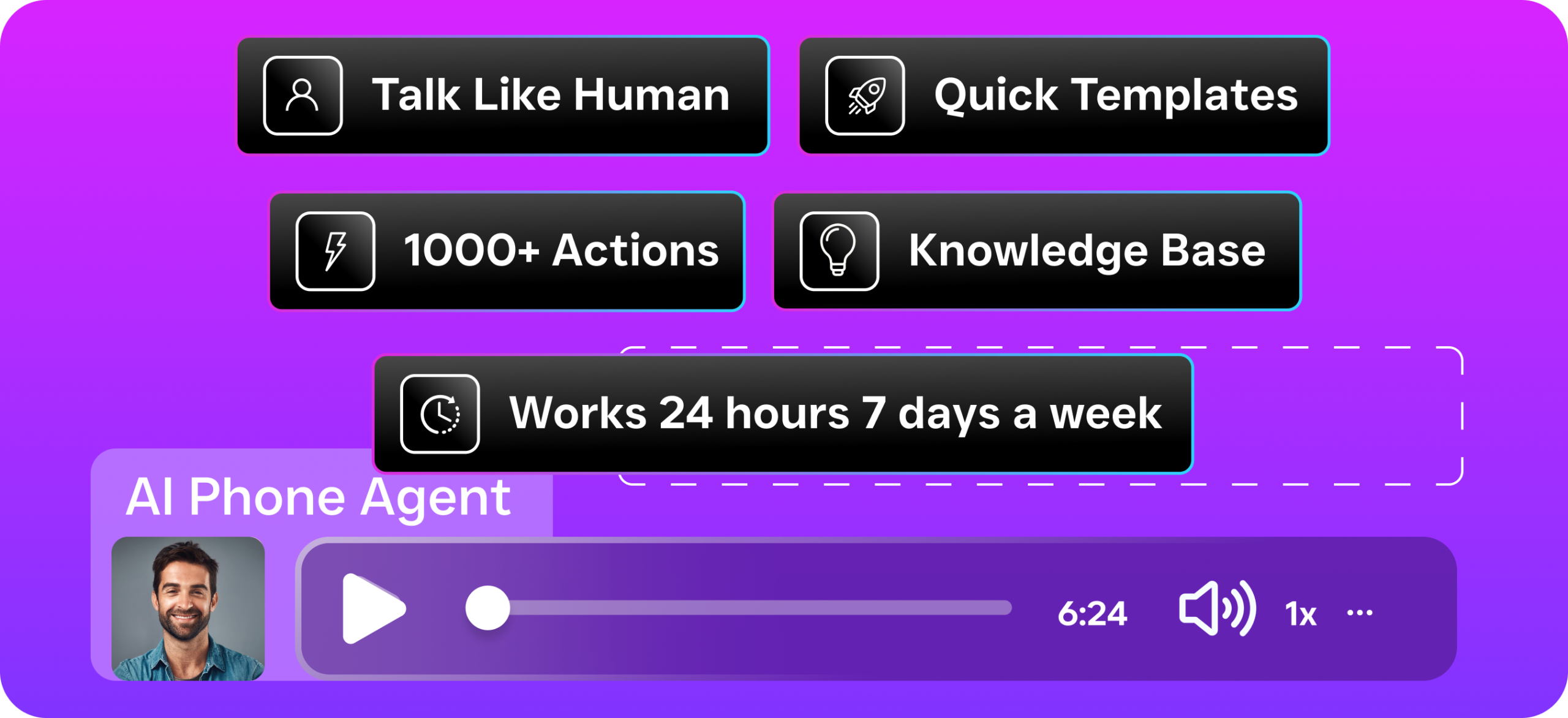
- Every inbound call is answered instantly. Your AI Phone Agent picks up on the first ring, 24 hours a day. No missed calls, no voicemail limbo. Whether it’s 2 PM or 2 AM, the caller gets a natural-sounding greeting.
- The AI identifies caller intent in real time. Using conversational AI, the agent determines whether the caller is a potential customer, an existing client, or an automated telemarketing system. Robocalls and spam patterns are flagged immediately.
- Spam and telemarketer calls are blocked or routed away. Once flagged, unwanted calls are ended or redirected so they never reach your staff. Your team only sees legitimate conversations in the unified inbox.
- Real callers get full service. Genuine customers are greeted professionally, their questions answered, and appointments booked on the spot. The AI qualifies leads and captures contact details automatically.
- Everything is logged and transcribed. Every interaction, whether blocked spam or a booked appointment, appears in your unified inbox with AI-generated summaries. You can review call transcripts to verify that the system is working correctly.
Key Capabilities for Managing Unwanted Calls
SalesCaptain provides service businesses with specific tools designed to handle the telemarketer call problem. It also improves how you interact with real customers.
- Spam Blocking: AI-powered detection identifies robocalls, auto-dialers, and known spam numbers before they waste your team’s time. Patterns improve over time as the system processes more calls.
- 24/7 Call Answering: Your business never sends a real customer to voicemail because staff was busy dealing with a solicitation call. The AI handles everything simultaneously.
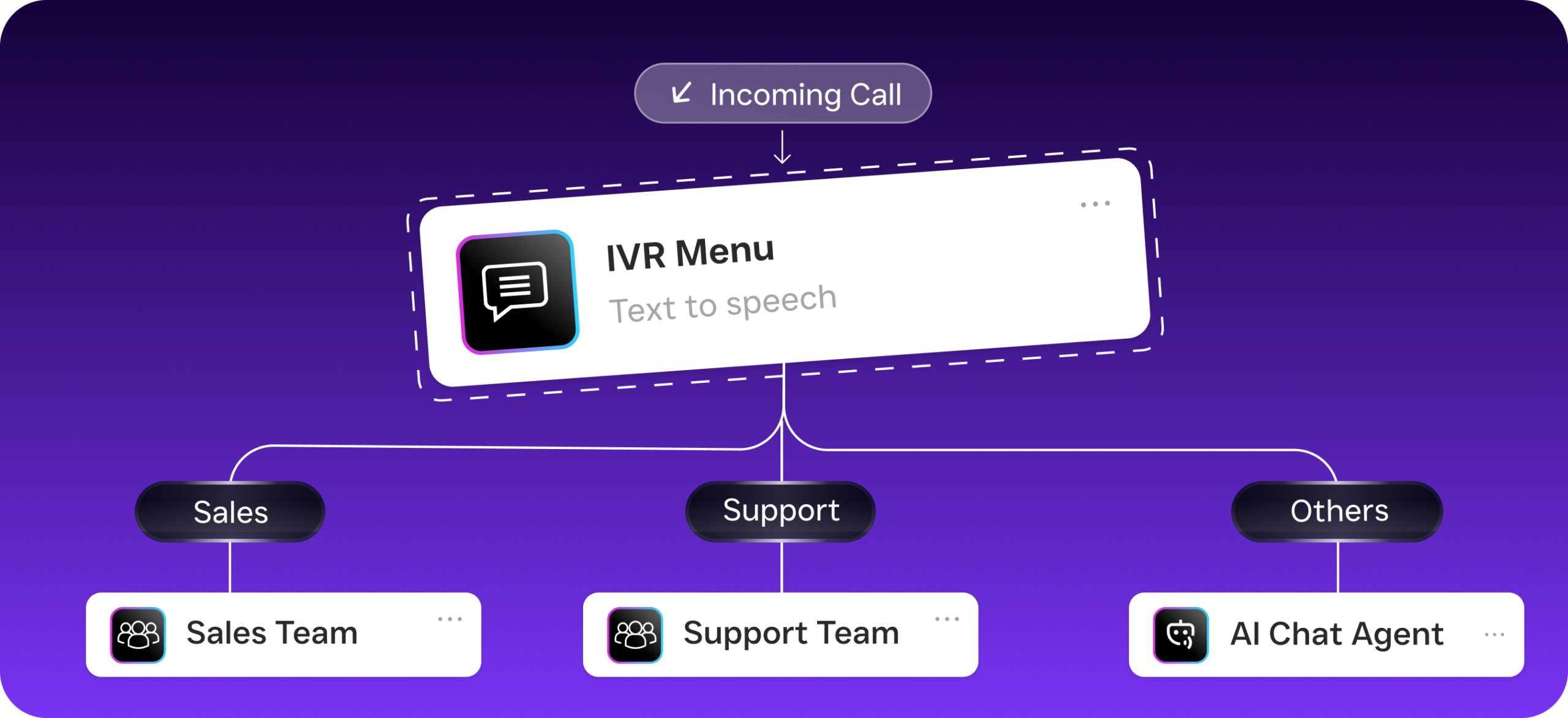
- Custom Call Flows: Build drag-and-drop call routing logic that sends different caller types down different paths. Suspected telemarketer calls can be routed to a dead end while VIP customers go straight to a senior team member.
- Lead Qualification: For callers who are real prospects, the AI asks qualifying questions, captures their information, and books appointments directly on your calendar.
- AI Summaries and Transcriptions: Every call generates a text transcript and a concise summary highlighting key details, action items, and follow-ups. You’ll know exactly why a call was flagged or forwarded.
- Missed Call Text-Back: If a legitimate caller somehow doesn’t connect, they receive an automatic text message so the conversation continues. Telemarketer numbers don’t get this treatment.
Who Needs This?
Telemarketer calls affect nearly every business with a public phone number. Certain industries feel the pain more acutely.
- Home service companies (roofing, plumbing, HVAC, landscaping) that rely on inbound calls for new jobs. One missed call from a homeowner can mean losing a $5,000 project to a competitor.
- Legal practices where every call might be a potential client in urgent need of counsel. Spam calls clogging the line aren’t just annoying—they’re a liability.
- Healthcare and wellness providers (dental offices, MedSpas, therapy practices) that handle appointment scheduling primarily by phone.
- Salons, gyms, and fitness studios where front desk staff juggle walk-ins and phone calls simultaneously, making spam calls especially disruptive.
- Real estate agencies that depend on fast lead response. A delayed callback to a real prospect while your agent was fielding a telemarketer call can cost a commission.
- Multi-location businesses that need consistent call handling across every office without hiring additional receptionists.
Benefits of Blocking Telemarketer Calls with AI
Reclaim Staff Productivity
Your receptionist didn’t sign up to be a spam filter. Yet that’s effectively what happens. When the AI Phone Agent handles screening, your team spends their time on work that actually grows the business. Follow-ups get made faster. Appointments get confirmed. Customers feel the difference when they’re not put on hold.
Capture Every Real Opportunity
The financial impact of missed calls is well documented. According to analysis from CallSetter, missed calls can cost small businesses over $100,000 per year in lost revenue. A big part of that problem isn’t call volume. It’s call quality. When half your inbound calls are spam, your staff develops “phone fatigue” and becomes less responsive to every call, including the ones that matter.
Professional Customer Experience Around the Clock
Telemarketer calls are most damaging after hours. That’s when many businesses stop answering entirely. Customers calling at 7 PM don’t know you’re closed. They just know nobody picked up. SalesCaptain’s AI Phone Agent answers every after-hours call, filters out the junk, and ensures real callers get a professional experience with appointment booking and FAQ responses built in.
Regulatory Awareness Without the Headache
As telemarketing regulations evolve, businesses need to stay compliant in their own outreach while also protecting themselves from illegal calls. SalesCaptain’s workflow automation and call recording features help you maintain documentation for compliance purposes. You’re defending against a TCPA claim. Or keeping clean records of customer interactions. Either way, you’re covered.
How SalesCaptain Compares
Most phone systems give you basic spam filtering at best. SalesCaptain goes further. It combines AI voice capabilities with a full communication platform. Consider how traditional options stack up.
Aircall, at $30 per license per month, offers call center features. But it lacks a native AI voice agent, missed-call text-back, or webchat integration. That means spam calls still reach human agents. And legitimate callers who don’t connect have no automatic fallback. OpenPhone is more affordable at $15 per user. But its AI capabilities are minimal. It doesn’t offer call coaching, sentiment analysis, or call queueing—features that help your team handle the calls that do matter.
Dialpad provides AI-powered transcription. But it doesn’t include toll-free minutes, WhatsApp support, or social chat channels. So you might get a transcript of a spam call. But you’re still paying for the minutes it consumed. SalesCaptain’s approach is different: stop the spam before it costs you anything. Route real conversations across every channel your customers use. All from one unified inbox.
For service businesses specifically, SalesCaptain is the only platform that combines AI voice agents, AI chat agents, and a unified inbox in a single tool. You don’t need multiple subscriptions. Everything works together from day one. Pricing starts free and scales at $159 per month per location.
What’s the difference between a telemarketer call and a robocall?
A telemarketer call is any call made to sell a product or service. It can be made by a live person or an automated system. A robocall specifically uses pre-recorded messages or auto-dialing technology. All robocalls selling something are telemarketing. But not all telemarketing uses robocalls. The FTC regulates both under the Telemarketing Sales Rule and TCPA.
Can AI really tell the difference between spam and real customer calls?
Yes. SalesCaptain’s AI Phone Agent uses conversational analysis to determine caller intent within the first few seconds. Robocalls and auto-dialers follow predictable patterns. AI detects them reliably. For live telemarketer calls, the AI engages in conversation and identifies whether the caller is seeking your services. Or attempting to sell something. Over time, pattern recognition improves.
How do I stop telemarketer calls to my business without missing real customers?
The safest approach is an AI-powered answering system. It screens every call before reaching your team. SalesCaptain’s AI Phone Agent answers 24/7, identifies spam, blocks unwanted calls, and ensures real customers are served immediately. Unlike simply letting calls go to voicemail or using a basic call blocker, this approach means no legitimate caller ever falls through the cracks.
Is my business at risk of being labeled a telemarketer?
If you’re making outbound calls or sending SMS campaigns, you need to follow TCPA guidelines. That means honoring don’t Call requests, providing opt-out mechanisms, and only contacting people who’ve given consent. SalesCaptain’s workflow automation and call recording features help you maintain proper documentation. Your legitimate outreach won’t get flagged as spam.
Stop Losing Revenue to Spam Calls
SalesCaptain’s AI Phone Agent screens every call, blocks telemarketers, and makes sure real customers always get through. Set it up in minutes with no technical expertise required.