
AI-powered customer experience marketing (CXM) platform that helps local businesses win.


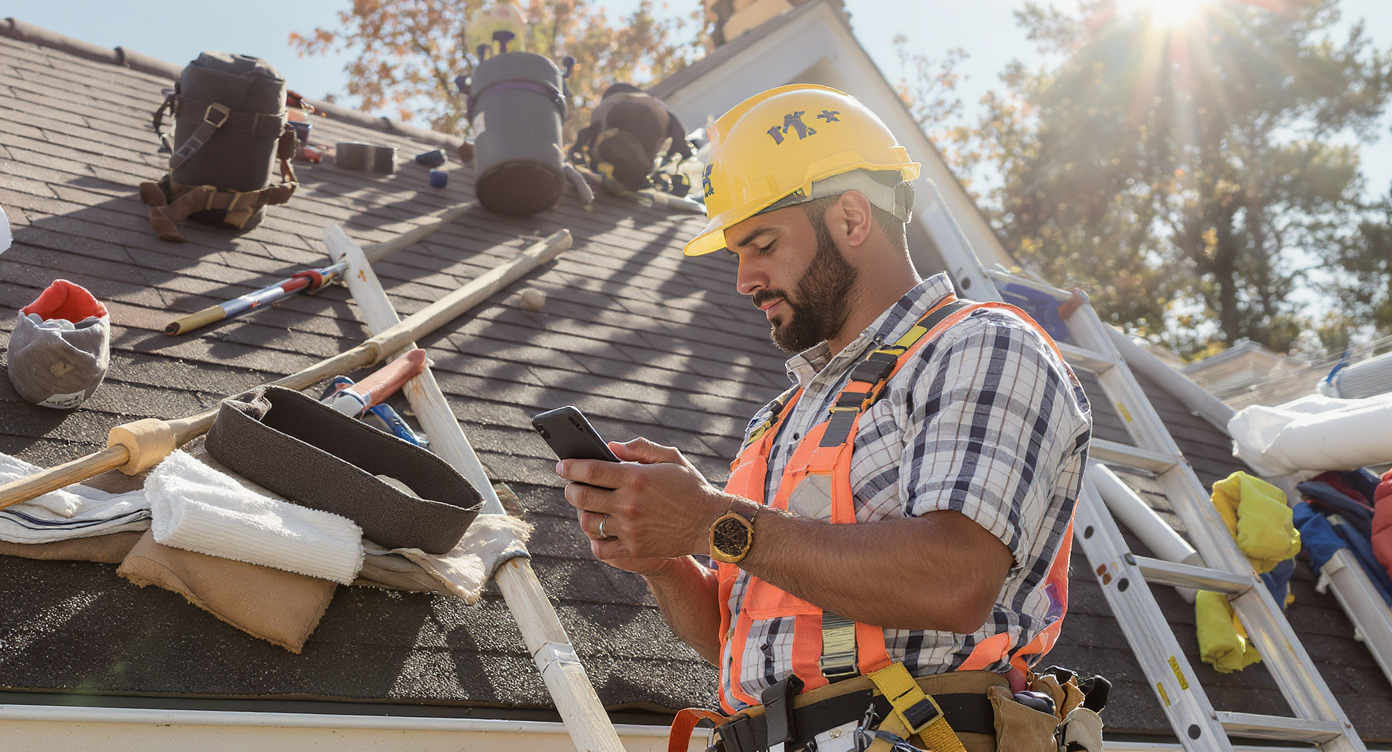
A homeowner texts your roofing company asking about storm damage repair. They don’t get a reply for six hours. By then, they’ve already booked with your competitor down the road. Sound familiar? That scenario plays out constantly across the roofing industry, and it’s costing contractors thousands in lost revenue every season. Two way texting for roofing companies solves this by turning every inbound message into a real-time conversation, not a one-sided blast that goes nowhere.
Two way texting for roofing companies is a real-time messaging system that lets customers and contractors send and receive text messages back and forth instantly. Instead of one-way promotional blasts, it creates a direct communication channel that captures leads immediately, prevents them from contacting competitors, and increases job bookings.
What Is Two Way Texting for Roofing Companies?
Two way texting is exactly what it sounds like: a text conversation where both sides can send and receive messages in real time. Unlike mass texting or one-way SMS blasts that push out promotions without accepting replies, two way texting creates a genuine back-and-forth channel between your roofing business and your customers. Think of it as giving every lead, every existing client, and every referral source a direct line to your team.
For roofing companies specifically, this means a homeowner can text you about a leaking roof, your office can respond with questions about the damage, and the customer can send photos or confirm an inspection time, all within the same thread. It’s conversational and fast. And it matches how people already communicate. According to Text Request’s 2024 State of Business Texting report, businesses that use texting see significantly higher engagement rates compared to email or phone calls alone. Roofing companies deal with time-sensitive, weather-driven demand, so that speed matters more than in almost any other trade.
Why Roofing Companies Lose Revenue Without Two Way Texting
Roofing is one of the most competitive home service industries in the country. The Bureau of Labor Statistics projects steady demand for roofing work through the decade, which means more contractors are fighting for the same leads. When a homeowner reaches out after a hailstorm, they’re contacting multiple companies. The first one to respond meaningfully wins the job.
The Cost of Slow Response Times
Most roofing companies still rely on phone calls as their primary communication channel. But here’s the problem: your crew is on a roof. Your office manager is juggling insurance paperwork. Nobody picks up. According to research from Aira, a large percentage of business calls go unanswered, and each one represents potential lost revenue. A missed call from a commercial property manager looking for emergency repairs could easily be worth $10,000 or more.
Texting changes everything. Your team doesn’t need to stop what they’re doing to answer a phone. A quick text reply takes 15 seconds. Even better, automated responses can acknowledge the lead instantly while a human follows up within minutes. That’s the difference between booking a $15,000 re-roof and watching that customer disappear.
Customer Preferences Have Shifted
Homeowners under 55 overwhelmingly prefer texting over calling for service inquiries. According to SimpleTexting’s 2024 SMS marketing research, text messages have open rates above 90%, dwarfing email’s typical 20-30%. Your roofing estimate follow-up email might sit unread for days. A text gets read in minutes. If you’re not meeting customers where they already are, you’re handing business to competitors who will.
How Two Way Texting Works in a Roofing Business
Setting up two way texting isn’t complicated. But doing it well requires more than just giving out your cell phone number. Professional two way texting runs through a business phone number (often your existing one) and connects to a platform where your whole team can see and manage conversations. Here’s what that looks like across the typical roofing customer journey.
Lead Capture and Initial Response
When a homeowner fills out a form on your website, clicks on a Google ad, or calls and nobody answers, a two way text can fire immediately. Something simple works: “Hey, thanks for reaching out to [Your Company]. What type of roofing work do you need? We can get you a free estimate.” That opens a conversation. The lead can reply with details, and your team picks it up from there.
Missed call text-back is particularly powerful for roofers. Every unanswered call automatically triggers a text message, keeping the lead warm instead of letting them move on. According to CallJolt’s analysis of missed call costs, small businesses lose substantial revenue from calls that go to voicemail. A text-back captures those opportunities.
Estimate Scheduling and Confirmations
Once you’re in a text conversation, booking the inspection becomes frictionless. Instead of phone tag, you send available time slots. The homeowner picks one. Done. You can also automate appointment reminders the day before and morning of, which cuts no-shows dramatically. Roofing inspections require driving to the property, setting up ladders, and dedicating 30-60 minutes per visit. A no-show wastes your entire afternoon.
Job Updates and Photo Sharing
During the project, two way texting keeps the homeowner informed without constant phone interruptions to your crew. Your project manager can text progress photos, material arrival updates, or weather delay notifications. Customers love this transparency. It reduces complaint calls and builds trust that leads to referrals and five-star reviews.
Post-Job Follow-Up and Reviews
After the job wraps, a text asking for a Google review converts far better than an email request. You can also use texting for warranty reminders, annual inspection offers, and referral requests. These touchpoints keep you top of mind when the customer’s neighbor needs a new roof.
Best Practices for Roofing Companies Using Two Way Texting
Not all texting strategies work equally well. Roofing has unique dynamics, including seasonality, weather urgency, insurance complexity, and long sales cycles for commercial work, that shape how you should approach this channel.
- Respond within 5 minutes during business hours. Speed is everything after a storm. Set clear internal SLAs for text response times, and use automation to bridge any gaps.
- Use templates for common scenarios, but personalize them. Have pre-built messages for estimate requests, appointment confirmations, insurance documentation questions, and review requests. Swap in the customer’s name and specific details so it doesn’t feel robotic.
- Keep messages short and action-oriented. Homeowners don’t want paragraphs. “Hi Sarah, your inspection is confirmed for Thursday at 10am. Reply YES to confirm or let us know if you need to reschedule.” That’s all it takes.
- Separate your business texting from personal phones. Using a shared business number means conversations don’t disappear when an employee leaves, and your whole team has visibility into customer communications.
- Stay compliant with texting regulations. The FCC’s TCPA guidelines require consent before sending marketing texts. Always get opt-in permission and include opt-out instructions in campaigns. Two way conversational texts initiated by the customer carry less regulatory risk, but bulk promotions need explicit consent.
- Track which messages drive bookings. Not all texts are equal. Monitor which templates, follow-up sequences, and timing patterns actually convert leads into signed contracts. Adjust based on data, not guesswork.
Here’s one often-overlooked practice: use texting to collect photos before the estimate visit. Ask the homeowner to snap pictures of the damage. This lets your estimator pre-assess the scope and bring the right materials information. You’ll give a faster quote on-site. It also filters out leads that aren’t serious, saving your team’s windshield time.
How SalesCaptain Helps Roofing Companies With Two Way Texting
SalesCaptain was built specifically for service businesses like roofing companies that need to respond fast, manage high volumes of leads during storm season, and keep every conversation organized without hiring extra office staff. It combines two way texting with AI-powered automation in ways that most standalone texting tools can’t match.
With SalesCaptain’s AI Chat Agents, your roofing company can respond to inbound texts instantly, even at 2 AM after a storm rolls through. The AI can qualify the lead, ask about the type of work needed, and book an inspection appointment, all before your team wakes up. And because everything flows into a Unified Inbox, your office manager sees every text, call, webchat message, and social media DM in one place. No more checking three different apps to piece together a customer conversation.
What does that look like in practice? Several features make SalesCaptain particularly useful for roofers:
- Missed call text-back captures leads automatically when your team can’t answer the phone
- Payments via text lets you collect deposits or final payments without chasing checks
- High volume SMS handles post-storm outreach to your entire customer database when you need to offer inspections across a service area
- Appointment reminders reduce no-shows for estimate visits
- Workflow automation triggers follow-up sequences so no lead falls through the cracks during your busiest weeks
SalesCaptain also integrates with tools roofing companies already use, including HousecallPro, Zapier, and QuickBooks, so your texting data flows into your existing operations. Pricing starts with a free plan for a single location, and the Business plan at $159/month per location gives you the full suite. Compare that to hiring another office coordinator at $3,000+ per month, and the ROI math is straightforward.
Key Takeaways
Two way texting for roofing companies isn’t a nice-to-have anymore. It’s how customers expect to communicate, and it’s how the fastest-growing contractors are winning more jobs. The core principles are simple: respond quickly, keep conversations in one place, automate what you can, and always make it easy for the homeowner to say yes.
Roofing is a business where timing determines who gets the contract. Every hour you wait to reply, another contractor is texting back. Two way texting, especially when paired with AI automation and a unified communication platform, turns your response speed into a competitive advantage. The companies investing in this now are the ones that’ll dominate their markets for years to come.
Frequently Asked Questions
Is two way texting different from mass texting for roofing companies?
Yes. Mass texting (or bulk SMS) sends one message to many recipients, typically for promotions or storm damage alerts. Two way texting creates individual conversations where both your business and the customer can send and receive messages. Most roofing companies need both: mass texting for outreach after a weather event and two way texting for lead qualification, scheduling, and customer service.
Do I need a separate phone number for business texting?
You don’t necessarily need a new number. Many platforms, including SalesCaptain, let you text-enable your existing business phone number. This means customers see the same number whether they call or text, which builds trust and avoids confusion. However, you should avoid using personal cell phones for business texting since those conversations disappear when employees leave.
How do I get homeowners to text my roofing company instead of calling?
Add “Text us” prominently on your website, Google Business Profile, yard signs, and truck wraps. Include your number with a clear invitation like “Text ROOF to [your number] for a free estimate.” Also use missed call text-back, so every unanswered call automatically starts a text conversation. Most homeowners, especially younger ones, will gladly shift to texting once they know it’s an option.
Can I use two way texting for insurance claim communication?
Absolutely. Texting is excellent for sending and receiving photos of storm damage, sharing documentation links, confirming adjuster meeting times, and updating homeowners on claim status. Just be careful not to share sensitive personal information like Social Security numbers via text. Use texting for coordination and scheduling, and handle sensitive documents through secure channels.
What texting regulations should roofing companies know about?
The main regulation is the Telephone Consumer Protection Act (TCPA), enforced by the FCC. You need express written consent before sending marketing or promotional texts. Conversational texts where the customer initiated contact carry less risk. Always include opt-out language in campaigns, honor unsubscribe requests immediately, and keep records of consent. Violations can result in fines of $500 to $1,500 per message.
See How SalesCaptain Can Help Your Roofing Company
SalesCaptain gives roofing contractors AI-powered two way texting, missed call text-back, and a unified inbox for every customer conversation. Start with a free plan and see the difference faster response times make for your business.