
AI-powered customer experience marketing (CXM) platform that helps local businesses win.



Understanding the different types of calls in a call center isn’t just an operational exercise. It’s the foundation for how your business handles every customer interaction, from a billing question to an emergency service request. Sound familiar? For small and mid-sized service businesses running a call center, each call type carries different urgency, different customer expectations, and different revenue potential. The real challenge? Most SMBs can’t staff enough people to handle all these call types effectively around the clock. That’s where AI-powered call handling changes everything. You’ll cover every call type without growing your headcount.
What Are the Types of Calls in a Call Center?
A call center handles far more than just “incoming phone calls.” The types break down into three broad categories: inbound, outbound, and blended or specialized. Each contains distinct call types that require different handling strategies, scripts, and follow-up workflows.
Inbound Call Types
Inbound calls originate from customers reaching your business. They’re often the highest-stakes interactions because the caller already has intent—whether that’s to buy, complain, or get help. Here are the most common inbound call types you’ll encounter:
- Customer service and support calls: General inquiries about your services, hours, pricing, or policies. These make up the bulk of inbound volume for most service businesses.
- Technical support calls: Customers needing help troubleshooting a product or service issue. These typically require more detailed responses and sometimes escalation.
- Billing and payment calls: Questions about invoices, payment plans, refunds, or account balances. Getting these wrong damages trust quickly.
- Order taking and product inquiries: Callers ready to purchase or wanting details before committing. Speed matters here because a missed call can directly cost you revenue.
- Appointment scheduling: Especially critical for home services, healthcare, legal, and wellness businesses where bookings drive the entire revenue model.
- Emergency or high-priority calls: After-hours HVAC failures, plumbing emergencies, urgent legal consultations. These can’t wait until morning.
Outbound Call Types
Outbound calls are initiated by your team to reach customers or prospects. They’re proactive rather than reactive, and they typically serve sales or retention goals. Here’s what they look like in action:
- Telemarketing and sales calls: Cold or warm outreach to generate new business. Conversion rates depend heavily on timing and personalization.
- Upselling and cross-selling: Calling existing customers to offer additional services or upgrades. These work best when informed by previous interaction history.
- Collections and billing follow-ups: Reaching out about overdue payments. Tone and compliance matter enormously here.
- Customer surveys and feedback outreach: Gathering satisfaction data, reviews, or Net Promoter Scores after service delivery.
- Appointment confirmations and reminders: Reducing no-shows by confirming upcoming bookings. Research shows that proactive reminders significantly improve customer retention for small businesses.
Blended and Specialized Call Types
Some call centers blend inbound and outbound functions. Others handle specialized types like lead qualification, dispatch coordination, or after-hours overflow. For service businesses, the reality is different. You’re dealing with a mix of all these, often simultaneously. A roofing company might field an emergency leak call, a pricing inquiry, and a follow-up appointment confirmation within the same hour. That blended nature is exactly what makes staffing so difficult. And it’s why so many businesses explore AI-driven solutions.
How Call Type Handling Works in SalesCaptain
SalesCaptain’s platform is built to handle every call type described above, whether inbound or outbound, routine or urgent. What does that look like in practice? Here’s how the system works:
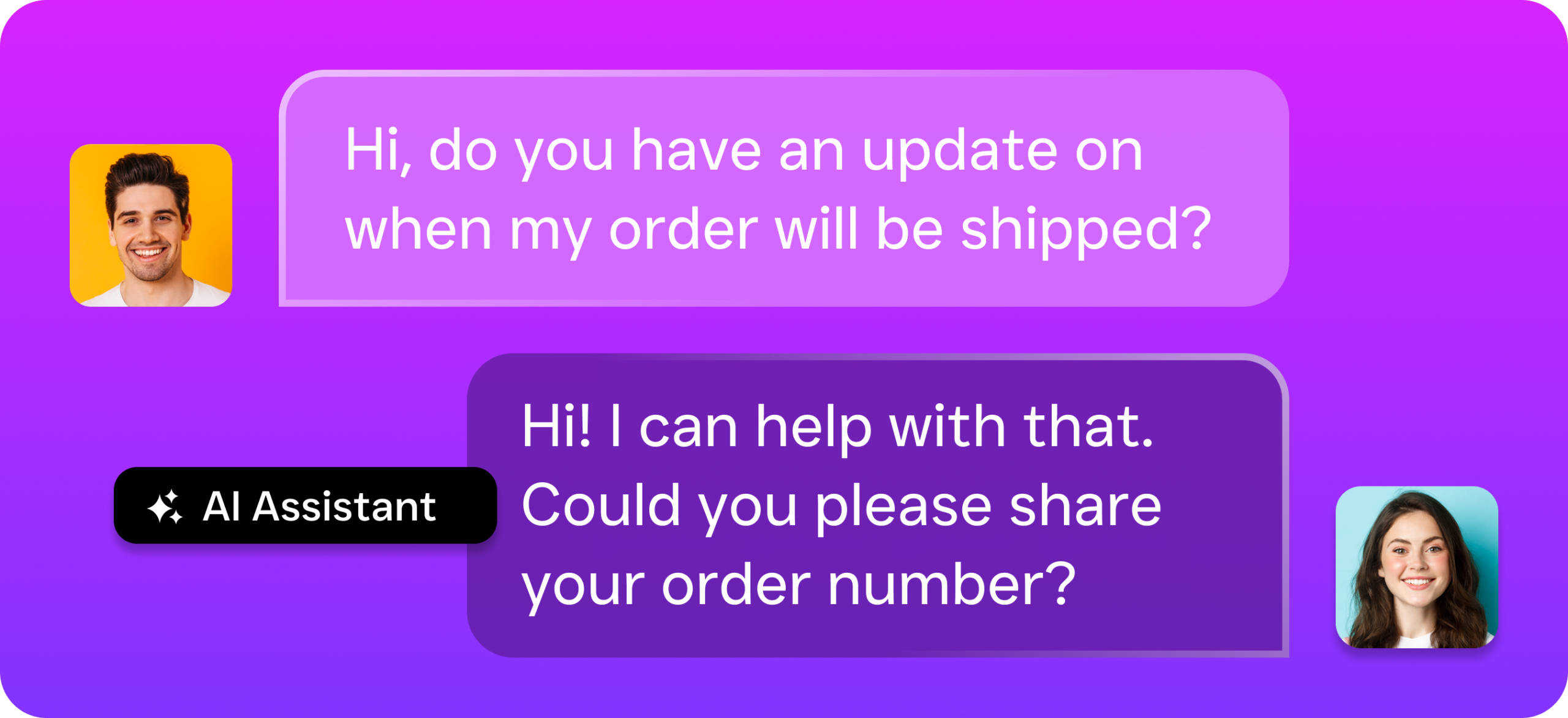
- Incoming call hits your business number. SalesCaptain’s AI Phone Agent answers instantly, 24/7. No hold music, no voicemail purgatory. The caller gets a natural-sounding voice that greets them professionally.
- The AI classifies the call type in real time. Using your custom call flows (built with a drag-and-drop builder), the system identifies whether the caller needs appointment scheduling, technical help, billing support, or emergency routing.
- Appropriate action triggers automatically. For appointment calls, the AI books directly into your calendar. For FAQs, it answers from your knowledge base. For emergencies, it routes to the right team member immediately. Spam gets blocked before it wastes anyone’s time.
- Every interaction gets transcribed and summarized. SalesCaptain’s AI generates a full transcription plus a concise summary with action items. Your team knows exactly what happened without listening to recordings.
- Follow-up workflows fire based on call type. A missed call triggers an automatic text-back. A completed appointment booking sends a confirmation. A sales inquiry enters your lead nurturing sequence. All of this happens through SalesCaptain’s workflow automation engine.
- Everything lands in one unified inbox. Whether the interaction started as a phone call, an SMS, a webchat, or an Instagram DM, your team sees the complete conversation history in a single collaborative view.
Key Capabilities for Handling Every Call Type
- 24/7 AI Phone Agent: Handles inbound calls around the clock, including after-hours emergency routing, appointment booking, lead qualification, and FAQ responses. No human intervention needed for routine call types.
- Custom Call Flows: Build step-by-step paths for each call type using a visual drag-and-drop builder. Route billing calls differently from service requests. Play custom greetings. Set after-hours rules. Each call type gets its own logic.
- AI Transcription and Summaries: Every call becomes a searchable text record with speaker distinction and a summary of key decisions, concerns, and next steps. Particularly useful for training, compliance, and quality control across high-priority and technical call types.
- Missed Call Text-Back: When a call can’t be answered (even by AI), an automatic text message goes out immediately. According to industry data on missed business calls, the financial cost of unanswered calls adds up fast, especially for service businesses.
- Multichannel AI Chat Agents: Not every customer interaction starts with a phone call. SalesCaptain’s chat agents handle SMS, webchat, Facebook Messenger, and Instagram DMs with instant responses, lead capture, and appointment booking.
- Workflow Automation: Trigger follow-up actions based on call outcomes. Sync data to your CRM (HubSpot, Salesforce, Zoho, and 50+ others). Send appointment reminders. Update records. All without manual work.
Who Needs This?
If your business handles more than a handful of calls per day across multiple types, you’re already running a call center. Even if you don’t call it that. These are the businesses and roles that benefit most from structured call type management:
- Home service companies (HVAC, plumbing, roofing, landscaping): You’re fielding emergency calls, estimate requests, appointment bookings, and follow-ups daily. Missing even one emergency call can mean losing a high-value job to a competitor.
- Healthcare and wellness practices (dental, MedSpa, therapy): Appointment scheduling dominates your call volume, but billing questions, insurance inquiries, and urgent patient needs require different handling.
- Legal practices: Initial consultations, case status updates, and time-sensitive client calls each demand different routing and documentation standards.
- Salons, gyms, and fitness studios: High appointment volume with frequent rescheduling, plus membership inquiries and upselling opportunities on outbound calls.
- Real estate agencies: Lead qualification calls, showing scheduling, and buyer/seller follow-ups all compete for agent attention.
- Operations managers and business owners: Anyone responsible for making sure no call falls through the cracks, regardless of industry.
Benefits of Structured Call Type Management
Handling different call types with a single “answer and hope for the best” approach leaves money on the table. When each call type has its own flow, response strategy, and follow-up sequence, the business outcomes change dramatically.
Revenue Protection and Lead Capture
Every unanswered sales inquiry or missed appointment request is lost revenue. Not just today. The true cost of missed calls for small businesses includes the lifetime value of that customer, the referrals they would’ve generated, and the reputation damage from a poor first impression. By routing each call type to the right handler (whether AI or human), you capture leads that would otherwise disappear.
Operational Efficiency Without Hiring
Staffing a call center to cover every call type across business hours, after hours, and weekends is expensive. And complex. SalesCaptain’s AI Phone Agent handles routine inbound call types at $0.12 per minute, which is a fraction of what you’d pay a dedicated receptionist or answering service. Your human team focuses on the complex, high-value interactions that actually need a personal touch. According to call center industry research, rising customer expectations are pushing even small businesses toward automation for routine interactions.
Consistent Customer Experience
When a billing caller gets routed through the same flow as an emergency caller, everyone loses. Custom call flows ensure that each call type delivers the right experience: empathetic and patient for complaints, efficient and quick for appointment bookings, thorough and accurate for technical support. Consistency builds trust. And trust drives retention.
Why A Call Center Businesses Choose SalesCaptain
Running a call center means juggling inbound support, outbound follow-ups, appointment scheduling, and after-hours coverage simultaneously. Even a small one. Most SMBs operating a call center have tried piecing together separate tools for phones, texting, chat, and CRM. The result is usually fragmented. Calls slip through gaps.
SalesCaptain was built specifically for this problem. Instead of bolting together five different platforms, businesses running a call center get a single system. AI voice agents, chat agents, phone infrastructure, and workflow automation all live together. A call center that uses SalesCaptain doesn’t need to hire additional staff to cover new call types or extended hours. The AI handles it. Your team steps in only when the situation genuinely requires a human.
How SalesCaptain Compares
Most platforms claiming to handle call center functionality for SMBs fall short. Aircall, for example, costs $30 per license per month but doesn’t offer a Voice AI Agent, webchat, email channel, or missed-call text-back. It’s built for call center teams that already have agents staffed. SalesCaptain gives you the AI agent itself. You don’t need to staff as heavily.
OpenPhone is affordable at $15 per user, but it’s missing key features. No call coaching, no call queueing, no sentiment analysis, and minimal AI capabilities (comparisons of AI receptionist tools highlight its limitations). It’s a basic phone app, not a call type management platform. Nextiva caps SMS at 250 messages per user per month and doesn’t offer live transcription or AI voice agents. That makes it poorly suited for businesses handling blended call types that span voice and text.
SalesCaptain combines AI voice agents, AI chat agents, and a unified inbox in a single tool. With per-location pricing that actually scales. You won’t find another solution at $159 per month per location covering this range of call types across this many channels. According to industry overviews of call center service types, modern businesses need coverage across a growing list of interaction types. SalesCaptain is designed to handle exactly that breadth.
Frequently Asked Questions
What are the most common types of calls in a call center for service businesses?
The most common inbound types are appointment scheduling, customer service inquiries, billing questions, and emergency or after-hours calls. On the outbound side, appointment confirmations, follow-up calls, and upselling are the most frequent. Most service businesses handle a blend of all these types. Daily.
Can AI really handle different call types effectively?
Yes, but only if the AI is backed by customizable call flows. SalesCaptain’s AI Phone Agent uses your specific business rules to determine how each call type gets handled. Whether that’s booking an appointment, answering an FAQ, routing to a team member, or capturing a voicemail. You define the logic. The AI executes it consistently every time.
How does SalesCaptain handle emergency or high-priority calls differently from routine ones?
Through custom call flows, you can set rules that identify high-priority calls. Based on keywords, time of day, or caller ID. They route directly to on-call staff. Routine calls like appointment requests or billing questions get handled by the AI agent without escalation. You control the routing logic entirely.
What happens when a call goes unanswered even with AI?
SalesCaptain’s missed call text-back feature sends an automatic SMS to the caller immediately. This keeps the conversation alive and gives you a chance to re-engage. The interaction then appears in your unified inbox alongside all other channels. Nothing gets lost. Missed call statistics show that rapid follow-up dramatically increases the chance of recovering the lead.
Join A Call Center Businesses Already Using SalesCaptain
Whether your call center handles five call types or fifteen, SalesCaptain gives you AI-powered coverage for every one of them, without hiring more staff. Start with a free plan. See how it works for your business.