
AI-powered customer experience marketing (CXM) platform that helps local businesses win.



If your service business juggles phone calls, text messages, social media DMs, and webchat across separate tools, you’re not alone. Most SMBs piece together three or four apps just to keep up with customer communication, and the cracks show fast: missed calls, slow replies, leads slipping through. UC platforms solve this by pulling every channel into a single system, so your team stops switching tabs and starts closing more business. SalesCaptain is a UC platform purpose-built for service businesses, combining AI phone agents, AI chat agents, and a unified inbox in one place.
What Are UC Platforms?
UC stands for unified communications. At its core, a UC platform brings together voice calls, messaging, video, and collaboration tools into one interface. Rather than paying for a separate phone system, a different texting tool, and yet another app for social media messages, everything lives under one roof. That’s the promise, at least.
The concept has been around since the early 2000s, but adoption among small and mid-sized businesses has accelerated sharply. According to PW Consulting’s worldwide UC in SMBs market research, the SMB unified communications market is projected to grow steadily through 2031, driven by remote work, rising customer expectations, and the falling cost of cloud-based tools. And a Fit Small Business analysis of UCaaS statistics found that the vast majority of businesses now consider unified communications essential rather than optional.
Why Traditional Phone Systems Fall Short
legacy phone setups handle one thing: voice. They can’t send automated text follow-ups after a missed call. They can’t route an Instagram DM to the same inbox where your team manages voicemails. And they certainly can’t use AI to answer calls at 2 a.m. when a homeowner’s pipe bursts. Modern UC platforms go far beyond voice, especially when AI enters the picture.
Here’s what separates today’s UC platforms from the phone-and-voicemail era: they treat every customer touchpoint as part of one conversation. A caller who leaves a voicemail, then texts a question, then sends a Facebook message shouldn’t feel like they’re starting over each time. The right UC platform stitches all of that into a single contact record your whole team can see.
How UC Platforms Work in SalesCaptain
SalesCaptain’s approach to unified communications is different from enterprise-focused tools like Cisco or Avaya. Instead of complex infrastructure aimed at IT departments, it’s designed so a business owner or office manager can set everything up without technical expertise. Here’s how the platform works in practice:
- Connect your channels. Port your existing business phone number or get a new one. Then link your webchat widget, Instagram, Facebook Messenger, and WhatsApp. Every channel feeds into one collaborative inbox.
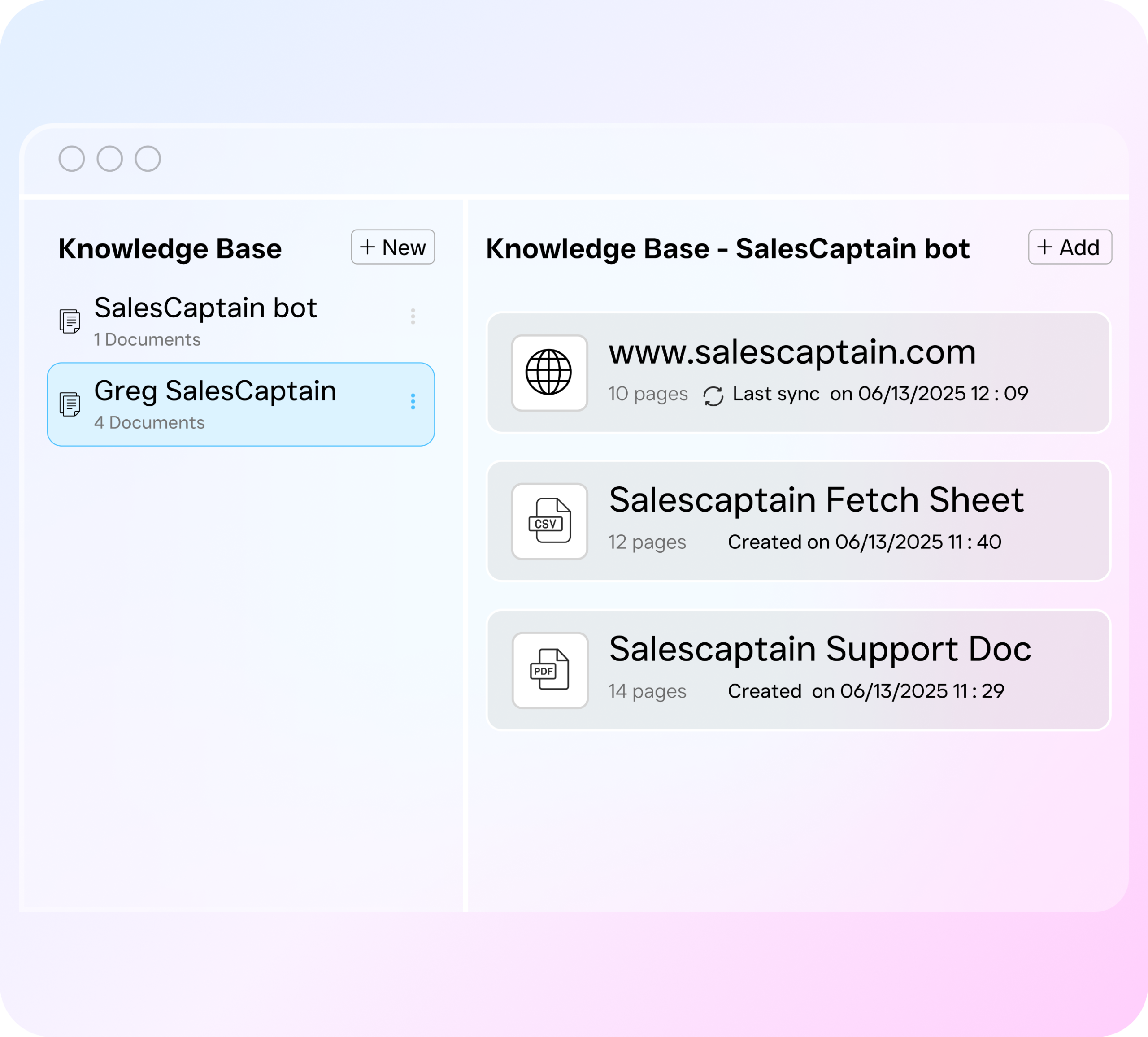
- Build your AI agents. Use the drag-and-drop builder to create an AI Phone Agent that answers calls 24/7. Configure what it says, how it qualifies leads, and when it books appointments. Set up AI Chat Agents for SMS and social DMs using the same builder.
- Design your call flows. Map out exactly what happens when a call comes in: greeting, IVR menu, routing to the right team member, after-hours handling, or escalation to your AI agent. The visual call flow builder makes this intuitive.
- Automate follow-ups. Use the workflow automation engine to trigger text follow-ups after missed calls, send appointment reminders, update your CRM, or notify your team in real time. Over 50 integrations connect SalesCaptain to tools like HubSpot, Salesforce, ServiceFusion, HousecallPro, and QuickBooks.
- Monitor everything from the unified inbox. Calls, texts, social messages, webchat conversations, and internal notes all appear in one feed per contact. Your team collaborates in real time without needing to check four different apps.
The entire setup can be done in a single afternoon. No IT consultant needed, no hardware to install.
Key Capabilities
Several capabilities set SalesCaptain apart from generic UC platforms that weren’t built with service businesses in mind:
- AI Phone Agent with 24/7 call answering. A natural-sounding voice agent picks up every call, qualifies leads, books appointments, answers FAQs, and blocks spam. After-hours calls get captured instead of lost. According to research from Aira, a significant percentage of business calls go unanswered, costing small businesses thousands in lost revenue each year.
- Missed call text-back. When a call does go unanswered, SalesCaptain automatically sends a text to the caller within seconds. That immediate response keeps leads warm instead of sending them to your competitor.
- AI Summaries and Transcriptions. Every call gets transcribed and summarized automatically. Your team can review key takeaways, action items, and customer concerns without listening to full recordings. Especially useful for training and quality control.
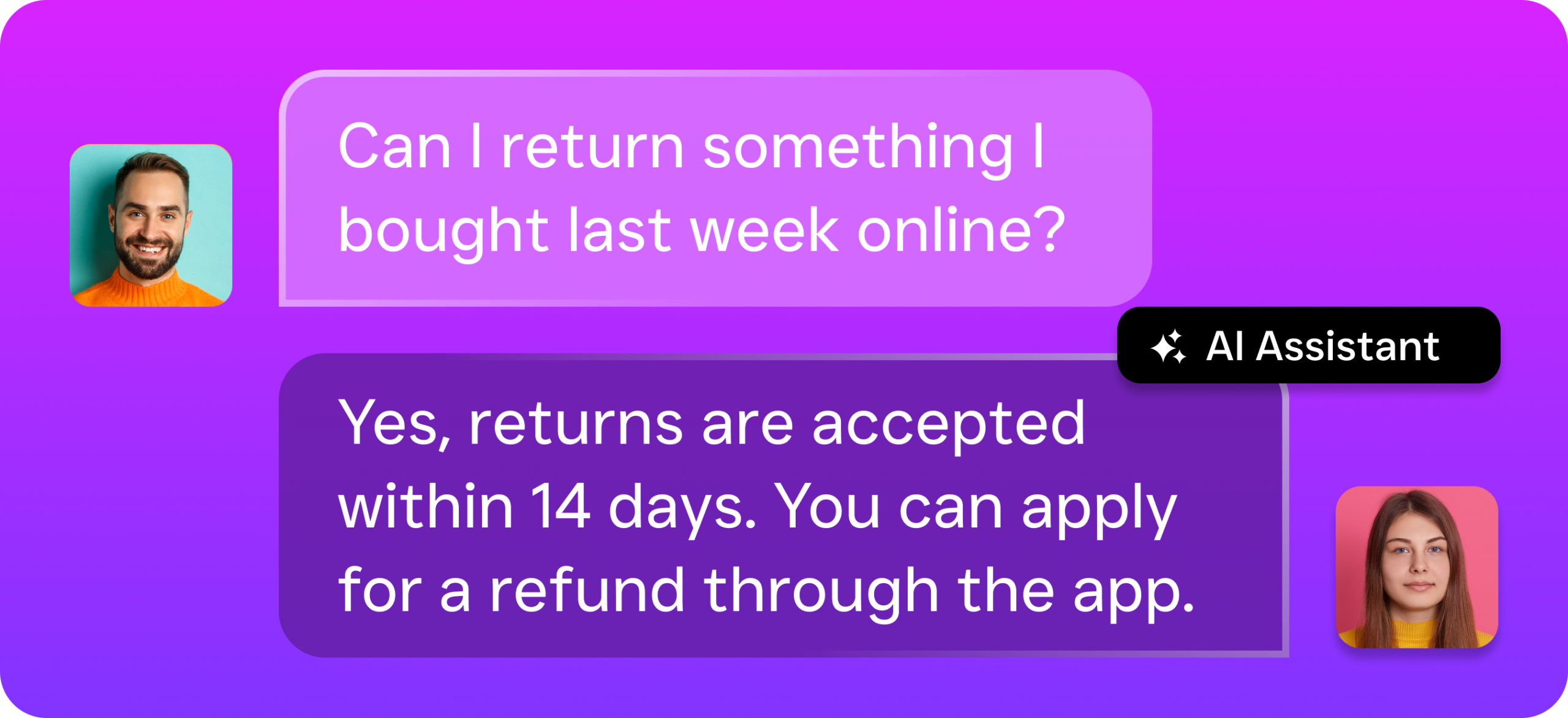
- Multichannel AI Chat Agents. Instant responses across SMS, webchat, Instagram DMs, and Facebook Messenger. These agents capture leads, answer common questions, and book appointments without human involvement.
- Visual call flow builder. Drag-and-drop interface for designing call routing, IVR menus, voicemail paths, and after-hours rules. No coding required, and changes go live instantly.
- Workflow automation with 50+ integrations. Trigger-based automations handle CRM updates, appointment reminders, payment requests via text, and team notifications. Connect to Salesforce, Zoho, Clio, Shopify, Zapier, and more.
Who Needs This?
Not every business needs the same UC platform. SalesCaptain is built for a specific type of company. If you see yourself in this list, it’s worth a closer look:
- Home service businesses (roofing, plumbing, HVAC, landscaping, appliance repair) that miss calls while technicians are on job sites.
- Healthcare and wellness practices (dental offices, MedSpas, therapy clinics) that need HIPAA-conscious communication and appointment automation.
- Legal practices where every missed intake call represents significant potential revenue.
- Appointment-heavy businesses (salons, gyms, fitness studios) that spend hours each week on scheduling phone tag.
- Multi-location businesses that need consistent communication across 2, 5, or 20+ locations without hiring a receptionist for each one.
- Real estate agencies and professional service firms where speed-to-lead is the difference between closing a deal and losing it.
The common thread? These are businesses where every call matters, staff are already stretched thin, and hiring more people isn’t always the answer. According to OnceHub’s analysis of missed call costs, the financial impact of unanswered calls compounds quickly for small businesses, particularly those in competitive local markets.
Benefits of UC Platforms for Service Businesses
Faster Lead Response Without Adding Headcount
Speed kills in sales, and slow response times kill deals. When a potential customer calls your roofing company and nobody picks up, they call the next company on Google within 60 seconds. SalesCaptain’s AI Phone Agent eliminates that risk entirely by answering every call instantly. Your AI Chat Agents do the same across text and social channels. The result? You respond faster than competitors without hiring another receptionist.
One System Instead of Five
Running separate tools for calls, texts, social messages, and CRM updates creates friction. Your receptionist checks one app, your sales manager checks another, and nobody has the full picture. SalesCaptain’s unified inbox consolidates all of this with complete contact history. When a customer who texted yesterday calls today, your team sees both interactions in one thread. That context means better conversations and fewer “can you repeat that?” moments.
Revenue Recovery From After-Hours and Missed Calls
Most service businesses close their phones at 5 or 6 p.m. But industry data from SkipCalls suggests small businesses lose $26,000 or more per year from missed calls alone. SalesCaptain’s AI agents work around the clock, capturing leads, booking appointments, and sending follow-up texts even at midnight on a Saturday. That’s revenue you’re currently leaving on the table.
Scalable Per-Location Pricing
Enterprise UC platforms often charge per user, which gets expensive fast when you’ve front desk staff, technicians, and managers all needing access. SalesCaptain prices per location instead: free for one location, $159/month for the Business plan, and $300/month for Enterprise. AI calls run $0.12/minute. For a five-location business, that’s far more predictable than per-seat licensing that scales with every new hire.
How SalesCaptain Compares
The UC platform market is crowded, and different tools serve different needs. Metrigy’s analysis of UC trends highlights how AI integration and channel consolidation are reshaping what buyers expect from their communication stack. Here’s where SalesCaptain stands relative to popular alternatives.
RingCentral and 8×8 are solid enterprise UC platforms, but they’re built for large organizations with IT teams. Both lack native AI voice agents, and neither offers features like payments via text, lead capture forms, or missed-call text-back that service businesses rely on daily. SalesCaptain includes voicemail drop and WhatsApp support that RingCentral doesn’t offer natively, while providing high-volume SMS and a power dialer that 8×8 doesn’t include.
Nextiva is popular among SMBs, yet it caps SMS at 250 messages per user per month and doesn’t support WhatsApp. It also lacks call coaching, voicemail drop, lead forms, and text-based payments. For a business that relies heavily on texting customers, those gaps add up quickly. SalesCaptain has no such messaging caps and includes real-time call coaching for team training.
Dialpad focuses on sales teams and offers strong AI transcription, but it doesn’t include audio conferencing, toll-free minutes, or social chat natively. If your customers reach out via Instagram or Facebook, you’ll need another tool. SalesCaptain handles social channels alongside calls and texts in a single inbox, with high-volume SMS support that Dialpad doesn’t provide.
What truly differentiates SalesCaptain from all of these is the combination of AI voice agents, AI chat agents, and a unified inbox built specifically for service businesses. According to UC Today’s 2024 industry report, the integration of AI into UC platforms is accelerating rapidly, and businesses that adopt AI-powered communication tools early gain a measurable competitive advantage. SalesCaptain is already there, with AI baked into every channel rather than bolted on as an afterthought.
Frequently Asked Questions
What’s the difference between a UC platform and a regular business phone system?
A business phone system handles voice calls, voicemail, and maybe call routing. A UC platform combines voice with SMS, webchat, social media messaging, and often video or collaboration tools in one interface. SalesCaptain takes this further by adding AI agents that automate conversations across all of those channels, so you don’t just unify your communication, you automate it.
Do I need technical skills to set up SalesCaptain as my UC platform?
No. The platform uses drag-and-drop builders for call flows, AI agent configuration, and workflow automation. Most businesses get fully set up in a single afternoon without any outside help. If you can use a smartphone, you can configure SalesCaptain.
How does SalesCaptain’s AI Phone Agent handle complex calls?
The AI Phone Agent follows custom call flows you design. It can answer FAQs, qualify leads by asking specific questions, book appointments directly into your calendar, and route complex calls to a human team member when needed. Every call is transcribed and summarized automatically, so nothing falls through the cracks.
Can SalesCaptain replace multiple tools I’m currently paying for?
In most cases, yes. Businesses typically replace their phone system, texting platform, social media messaging tool, and often their call answering service with SalesCaptain. With 50+ integrations, it also connects to your existing CRM, scheduling software, and payment tools so you don’t lose functionality you already depend on.
Unify Your Business Communication With AI
SalesCaptain brings your calls, texts, webchat, and social messages into one inbox, with AI agents handling customer conversations 24/7. Stop paying for five tools that don’t talk to each other. Start with the free plan and see the difference a purpose-built UC platform makes for your service business.