
AI-powered customer experience marketing (CXM) platform that helps local businesses win.



A customer walks into your store, browses for 20 minutes, asks a few questions, and leaves without buying. You never hear from them again. That scenario plays out hundreds of times a month for most retail shops, and there’s almost no way to follow up because you never captured their contact info. Automated text messaging changes that equation entirely, and understanding why retail stores need automated text messaging is the first step toward plugging a revenue leak most owners don’t even realize they have.
What Is Automated Text Messaging for Retail?
Automated text messaging is exactly what it sounds like: pre-scheduled or trigger-based SMS messages sent to customers without anyone on your team pressing “send.” These messages can fire when a customer signs up for your loyalty program, abandons an online cart, books an appointment, or hasn’t visited in 30 days. The system handles the timing, personalization, and delivery while your staff focuses on selling.
It’s different from mass marketing blasts. Modern automated texting uses customer behavior and data to send the right message at the right moment. Think appointment reminders, back-in-stock alerts, payment confirmations, flash sale announcements, and post-purchase follow-ups. Each one goes out without a single employee touching a keyboard. According to Retail Dive’s 2024 analysis, small businesses that invest in technology see measurably stronger growth, and automated messaging sits squarely in that category.
The Revenue Problem Retail Stores Can’t Ignore
Missed Connections Cost Real Money
Every unanswered question, forgotten follow-up, and missed call represents lost revenue. Research from Anthrova suggests that small businesses lose tens of thousands of dollars annually from missed customer communications alone. Retail stores face the same problem across multiple channels: phone inquiries, website chats, and in-store interactions that never convert.
Here’s what makes retail particularly vulnerable. Your customers expect instant answers about product availability, store hours, return policies, and promotions. If they don’t get a reply within minutes, they move on to a competitor. Automated texting catches those moments and responds before your team even sees the inquiry.
Staffing Constraints Make Manual Follow-Up Impossible
Most retail stores operate with lean teams. According to the U.S. Chamber of Commerce Q4 2024 Small Business Index, hiring remains a top challenge for small businesses across sectors. You can’t ask your three-person floor team to also manage text conversations, send promotional messages, and follow up with every lead. It won’t happen consistently, and inconsistent communication is worse than no communication at all.
Automation fills the gap. A well-configured system handles hundreds of simultaneous text conversations with the same quality and speed, regardless of whether you’ve two employees or twenty.
Five Ways Automated Texting Drives Retail Sales
The reasons why retail stores need automated text messaging go beyond convenience. Each use case below directly ties to revenue you’re either capturing or losing.
- Abandoned cart recovery: When a customer adds items to their online cart but doesn’t check out, an automated text sent within the hour recovers a significant percentage of those sales. SMS open rates consistently outperform email by a wide margin, making texts the most effective recovery channel available to small retailers.
- Flash sale and restock alerts: Instead of hoping customers check your Instagram story, a targeted text lands directly in their pocket. Customers who’ve opted in to alerts are already warm leads. Sending them a time-sensitive offer creates urgency that drives foot traffic and online conversions.
- Appointment and pickup reminders: For retailers offering services like jewelry resizing, tailoring, or personal shopping consultations, automated reminders reduce no-shows dramatically. Every missed appointment is wasted staff time and lost revenue.
- Post-purchase follow-up and review requests: A well-timed “How did you like your purchase?” text does two things: it opens a feedback loop and builds social proof. Positive responses can be routed to review platforms, while negative ones give you a chance to fix problems before they become public complaints.
- Loyalty program engagement: Points reminders, birthday discounts, and exclusive member offers keep your most valuable customers coming back. Automation ensures these messages go out on schedule without relying on anyone to remember.
According to recent small business data from Palvdm, businesses that actively engage existing customers see higher retention rates and stronger revenue growth. Automated texting is one of the most direct ways to maintain that engagement.
Best Practices for Retail Text Messaging
Compliance Comes First
Before sending a single automated message, you need proper opt-in consent from every recipient. A2P 10DLC regulations govern how businesses send application-to-person texts through standard phone numbers. Violating these rules can result in messages being blocked entirely or fines from carriers. Your opt-in process should be clear: a checkbox at the point of sale, a keyword signup (like “Text JOIN to 55555”), or an explicit consent form on your website.
Always include an opt-out option in every message. Beyond being legally required, it builds trust. Customers who know they can leave anytime are more likely to stay subscribed.
Personalization Beats Volume Every Time
Sending the same generic blast to your entire list is a fast way to get unsubscribes. Segment your audience by purchase history, location, and engagement level. A customer who bought running shoes last month should get a different message than someone who browsed candles once and never returned.
Effective personalization doesn’t require a data science team. Even basic segmentation, like separating first-time buyers from repeat customers, produces better results than one-size-fits-all messaging. The NerdWallet 2024 Small Business Report highlights how customer-focused technology investments are paying off for businesses that take this approach.
Timing and Frequency Matter
Don’t text customers at 6 AM on a Sunday. And don’t text them five times a week. Both kill your subscriber list. For most retail stores, two to four messages per month strikes the right balance between staying top-of-mind and respecting boundaries.
Trigger-based messages are the exception. An order confirmation, shipping update, or appointment reminder should go out immediately regardless of schedule. Customers expect transactional texts in real time.
Combine Text with Other Channels
Automated texting works best as part of a broader communication strategy. A customer who gets an SMS about a sale, sees the same promotion on your Instagram, and receives a follow-up webchat message when they visit your site experiences a cohesive brand interaction. Disjointed messaging across separate platforms creates confusion and lost opportunities.
That’s where having all your channels in one place becomes critical. Managing SMS in one tool, social media DMs in another, and phone calls in a third guarantees that customer context gets lost between the cracks.
How SalesCaptain Helps
SalesCaptain brings automated text messaging, AI chat agents, phone calls, webchat, Instagram DMs, and Facebook Messenger into a single unified inbox. For retail stores, that means every customer interaction lives in one place, and your team never loses track of a conversation.
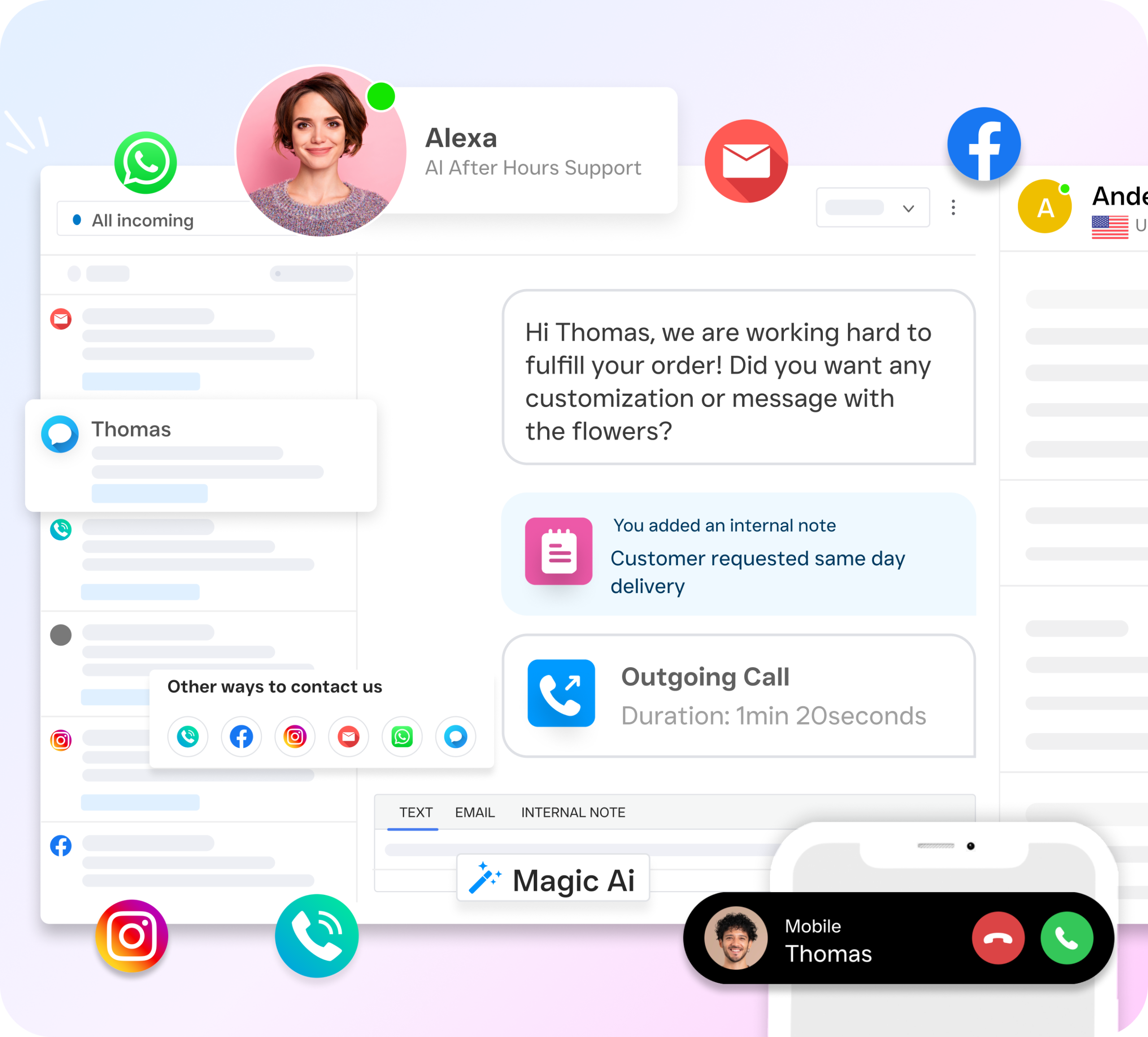
Here’s what that looks like in practice for a retail business:
- AI Chat Agents handle incoming text messages, answer product questions, capture lead information, and book appointments automatically across SMS, webchat, and social channels.
- Missed call text-back sends an instant SMS to any caller you can’t pick up, turning a missed call into an active text conversation instead of a lost customer.
- Workflow automation lets you build trigger-based message sequences with a drag-and-drop builder. Set up cart abandonment texts, post-purchase follow-ups, loyalty reminders, and re-engagement campaigns without writing code.
- Payments via text allow customers to pay directly from an SMS link, reducing friction for deposits, layaway payments, or service fees.
- High-volume SMS support means your promotional campaigns scale without delivery issues, and advanced templating with personalization keeps each message relevant.
Pricing starts with a free plan for single-location stores, scaling to $159/month per location for growing businesses. Compared to platforms like Podium or Birdeye, SalesCaptain offers transparent pricing alongside features those tools lack, including real-time speech analytics, a power dialer, and native WhatsApp support. The Fiserv Small Business Index for October 2024 noted that retail is leading small business sales growth, and stores investing in customer communication technology are well positioned to capture that momentum.
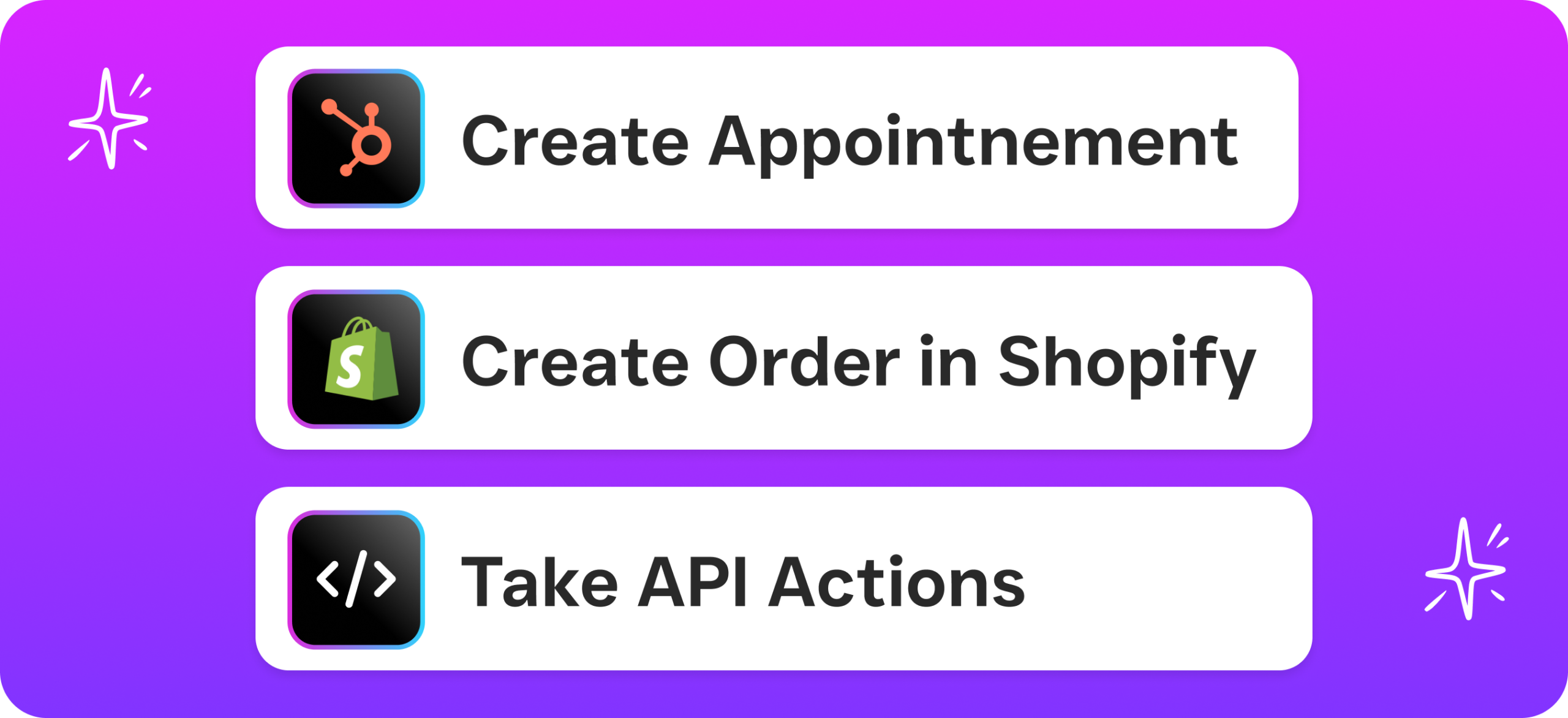
With 50+ integrations including Shopify, HubSpot, and QuickBooks, SalesCaptain connects directly to the tools retail stores already use. Setup doesn’t require technical expertise, and AI agents start working from day one.
Key Takeaways
Understanding why retail stores need automated text messaging isn’t about chasing a trend. It’s about solving real operational problems: missed follow-ups, understaffed teams, slow response times, and fragmented communication across channels. Automated texting captures revenue that would otherwise disappear.
- SMS automation recovers abandoned carts, reduces no-shows, and drives repeat purchases without adding headcount.
- Compliance with A2P 10DLC regulations and opt-in requirements isn’t optional. Build it into your process from the start.
- Personalization and proper timing separate effective campaigns from unsubscribe triggers.
- Combining text messaging with phone, webchat, and social channels in a unified platform prevents customer context from getting lost.
Retail stores that automate their text messaging now aren’t just keeping up. They’re building a communication infrastructure that scales with their growth, serves customers around the clock, and turns one-time shoppers into loyal repeat buyers.
Frequently Asked Questions
Is automated text messaging legal for retail stores?
Yes, as long as you follow A2P 10DLC regulations and obtain explicit opt-in consent from customers before sending messages. You must also include an opt-out mechanism in every text. Failure to comply can result in carrier blocking or regulatory penalties.
How much does automated text messaging cost for a small retail store?
Costs vary by platform and volume. SalesCaptain offers a free startup plan for single-location stores, with paid plans starting at $159/month per location. Most platforms charge per message or per location, so your total cost depends on subscriber list size and message frequency.
What types of automated texts work best for retail?
The highest-performing automated texts for retail include abandoned cart reminders, back-in-stock alerts, order and shipping confirmations, appointment reminders, post-purchase review requests, and loyalty program updates. Trigger-based messages tied to customer actions consistently outperform generic promotional blasts.
How is automated text messaging different from email marketing?
SMS messages have significantly higher open rates and faster response times than email. Most texts are read within minutes of delivery. However, texting works best for short, time-sensitive messages, while email is better suited for longer content like newsletters. Smart retailers use both channels together.
Can automated texting work for brick-and-mortar stores without an online shop?
Absolutely. Physical retail stores use automated texting for appointment reminders, in-store event promotions, loyalty program engagement, and follow-ups after purchases. You don’t need an e-commerce site to benefit from text automation. Any store that collects customer phone numbers can start using it immediately.
See How SalesCaptain Can Help Your Retail Store
SalesCaptain gives retail businesses AI-powered text messaging, phone, webchat, and social media communication in one unified inbox. Automate follow-ups, capture leads, and respond to customers instantly, all without hiring more staff.
Start for free at SalesCaptain.com and see what automated messaging does for your store’s revenue.