
AI-powered customer experience marketing (CXM) platform that helps local businesses win.


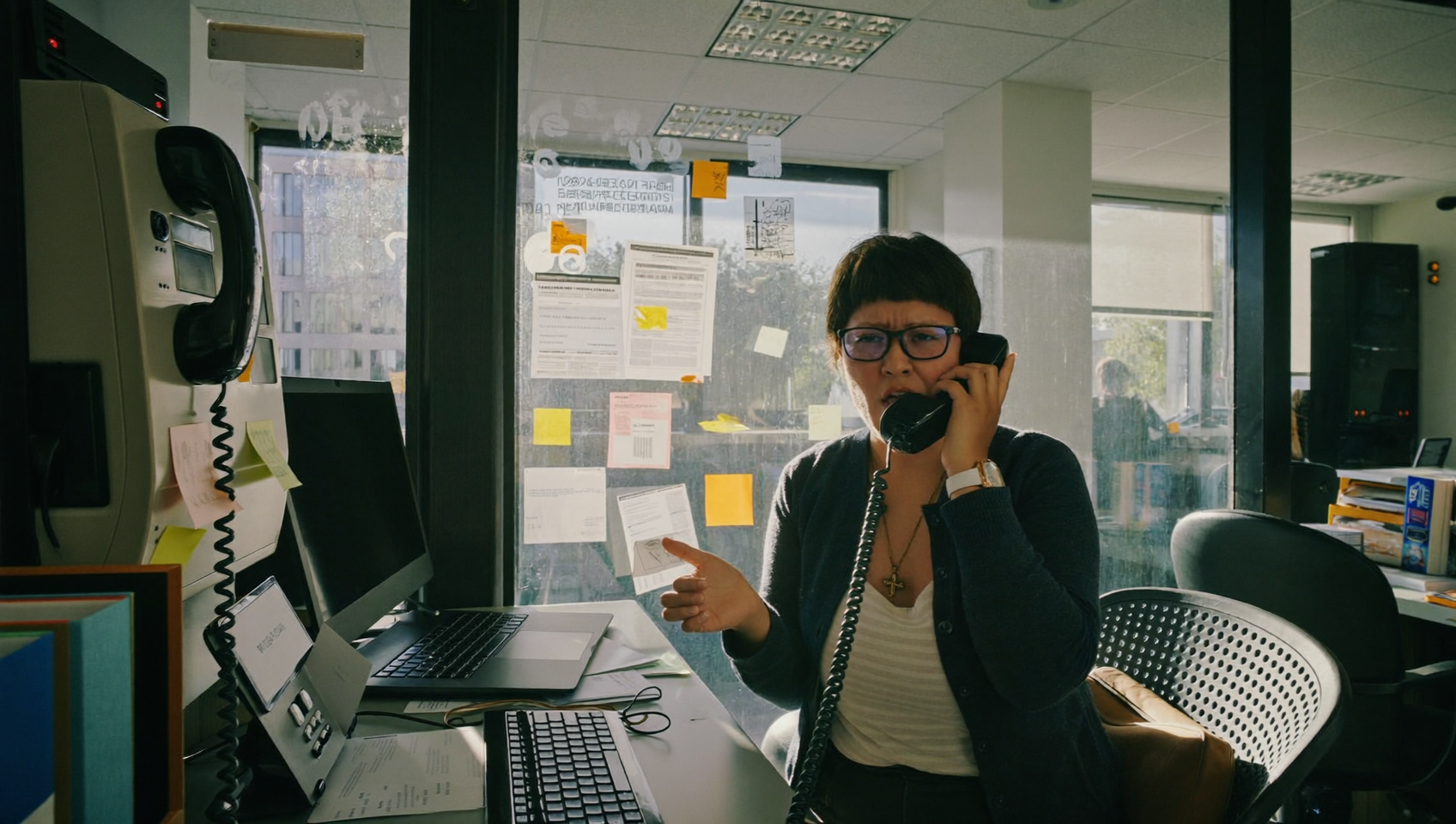
A potential customer calls your business. Nobody picks up. They hang up and call a competitor instead. This scenario plays out far more often than most small business owners realize, and it’s costing you real money. The average missed call rate for small businesses is high enough to make it a serious revenue problem worth solving.
The average missed call rate for small businesses ranges from 25% to 50% of incoming calls going unanswered. This metric measures what percentage of calls fail to reach a live person or automated system. High missed call rates directly impact revenue by pushing customers toward competitors who answer.
Free weekly newsletter
Growth tips for service businesses
Every Tuesday — actionable ideas to get more leads, reviews, and repeat customers. No fluff.
Quick Answer
Small businesses miss an average of 50-62% of incoming calls, with many losing customers and revenue daily. Missed calls typically result from understaffed teams, limited business hours, or lack of call management systems. The rate varies by industry, with service-based businesses experiencing higher miss rates. Implementing automated answering systems, call routing, or hiring support staff significantly reduces missed calls and recovers lost business opportunities.
What Is the Average Missed Call Rate for Small Businesses?
The missed call rate measures the percentage of incoming calls that go unanswered by a live person or automated system. For small businesses, the numbers are striking. Research from PCN’s 2026 Small Business Missed Call Revenue Study found that small businesses miss a significant share of their incoming calls. Some industries see rates well above others. The consensus across multiple studies lands somewhere around one in four to nearly one in two calls going unanswered.
Why does the rate span such a wide range? It depends on several factors: business hours, staffing levels, call volume spikes, and whether you use any automated answering technology. A solo contractor working on a job site will naturally miss more calls than a dental office with a dedicated receptionist. But here’s the thing—even staffed front desks miss calls during lunch breaks, high-volume periods, and after hours. According to Hicira’s compilation of missed call statistics, small businesses across all sectors consistently struggle with this problem regardless of their staffing model.
Why Small Businesses Miss So Many Calls
Understanding the number only matters if you understand what’s driving it. Most small businesses aren’t ignoring calls on purpose. The root causes are structural. And they affect nearly every service business.
Limited Staff and Competing Priorities
In a typical small business, the person answering the phone is also managing appointments, greeting walk-ins, processing payments, or doing the actual service work. When the phone rings during a busy moment, it goes to voicemail. And here’s what happens next: most callers don’t leave one. Research consistently shows that the majority of callers who reach voicemail simply hang up and try another business.
After-Hours and Weekend Calls
Customers don’t limit their calls to your operating hours. Homeowners searching for a plumber at 9 PM, patients looking for a dentist on Saturday morning, or potential clients researching legal help on a Sunday afternoon all expect someone to answer. Every call that hits a closed-office message is a missed opportunity. For many service businesses, after-hours calls represent a substantial portion of total inbound volume.
High-Volume Periods and Seasonal Spikes
HVAC companies get slammed during the first heat wave. Roofing contractors see call spikes after storms. A well-staffed office can’t handle ten simultaneous calls with two phone lines. These bursts create temporary missed call rates that far exceed the average. And they happen during the moments when leads are most valuable.
📺 Watch: Missed Call Text Back Setup in 5 Minutes
The Real Cost of Each Missed Call
A missed call isn’t just an inconvenience. It’s lost revenue with a measurable dollar amount attached. Futuro Corp’s analysis of missed call economics breaks down how the financial impact compounds quickly for businesses that rely on inbound calls for new customers.
How to Calculate Your Own Cost
Here’s a practical framework you can use right now. You’ll need three numbers from your own business:
- Average revenue per new customer: What does a typical new client generate over their first engagement? For a roofer, that might be several thousand dollars. For a salon, it could be a few hundred.
- Lead-to-customer conversion rate: What percentage of people who call actually become paying customers? Most service businesses convert somewhere between 20% and 50% of qualified inbound calls.
- Number of missed calls per month: Check your phone system’s call log. If you don’t have one, your carrier may provide this data.
Multiply those three numbers together and you’ll get a rough estimate of monthly revenue lost to missed calls. Wild Run AI’s data-driven breakdown for SMBs walks through this calculation in detail and provides useful benchmarks by industry. Even conservative estimates tend to shock business owners when they see the annual total.
The Cost Varies Dramatically by Industry
Not all missed calls carry equal weight. A missed call for a home services business often represents a high-value job that won’t wait. Customers with a broken AC or a leaking roof call the next company on the list within minutes. Legal practices face similar urgency. Potential clients in crisis rarely leave voicemails and wait patiently.
Healthcare practices lose both the immediate appointment revenue and the long-term patient relationship. According to the U.S. Small Business Administration, customer acquisition costs for small businesses are significant enough that losing an already-interested caller represents a particularly wasteful form of lost marketing spend. You already paid to make the phone ring through your advertising, SEO, and reputation. Missing the call means you paid for the lead but gave it away.
Proven Strategies to Reduce Your Missed Call Rate
Knowing the problem exists isn’t enough. Here’s what actually works to bring that rate down. I’ll organize it from simplest to most effective.
Staff-Based Solutions
Hiring a dedicated receptionist is the traditional answer. But it comes with real limitations. A full-time receptionist costs $30,000 to $45,000 per year in salary alone. They don’t work nights, weekends, or holidays. They take lunch breaks and sick days. And during call volume spikes, one person still can’t answer three phones at once.
Some businesses use answering services with live operators. These solve the availability problem but introduce new ones: operators who aren’t familiar with your business, inconsistent quality, and per-minute costs that add up fast. They also can’t book appointments directly into your scheduling system or qualify leads against your specific criteria.
Technology-Based Solutions
Modern phone systems offer several features that reduce missed calls without adding staff:
- Call routing and IVR: Directing callers to the right person or department so calls don’t sit in a general queue.
- Missed call text-back: Automatically sending an SMS when a call goes unanswered, so the caller knows you’ll follow up.
- AI phone agents: Voice AI that answers every call, qualifies the caller, answers FAQs, and books appointments directly. As TechnologyAdvice’s review of AI answering services notes, this category has matured rapidly and now handles conversations that sound natural to callers.
- After-hours call flows: Automated paths that capture caller information and intent even when your office is closed.
The most effective approach combines multiple strategies. A business might use staff during peak hours, AI agents for after-hours and overflow, and missed call text-back as a safety net for anything that slips through.
Response Speed Matters as Much as Answering
Even when you do miss a call, how quickly you respond determines whether you recover the lead. Zadarma’s research on the hidden cost of missed calls highlights that response time is directly correlated with conversion rates. Calling back within five minutes dramatically increases your chances of connecting. Wait an hour or more? Those odds drop to near zero. Automated follow-up systems that trigger immediately after a missed call consistently outperform manual callback processes.
How SalesCaptain Helps
SalesCaptain addresses the missed call problem at every level. Its AI Phone Agent answers calls 24/7 with natural-sounding voice AI that doesn’t just take messages. It qualifies leads, answers frequently asked questions, books appointments, blocks spam, and routes callers based on custom call flows you build with a drag-and-drop editor. No technical expertise required.
When a call does go unanswered for any reason, SalesCaptain’s missed call text-back feature sends an instant SMS to the caller. From there, AI Chat Agents can continue the conversation over text, capture lead information, and schedule appointments. Everything flows into a unified inbox where your team sees calls, texts, webchat messages, and social media DMs in one place.
For service businesses already using tools like Housecall Pro, ServiceTitan, or JobNimbus, SalesCaptain offers native two-way integrations that sync customer and job data automatically. Workflow automation handles follow-ups, reminders, and CRM updates without manual effort. Pricing starts with a free plan for a single location, with the Business plan at $159/month per location and AI calls at $0.12/minute. That’s accessible for businesses that can’t justify a full-time receptionist but can’t afford to keep missing calls either.
Key Takeaways
The average missed call rate for small businesses is high enough to represent a meaningful revenue leak. For most service companies, this is a real problem. While exact numbers vary by industry and methodology, the pattern is consistent: businesses miss far more calls than they think. And each missed call has a real dollar cost attached to it.
Three factors drive most missed calls: limited staffing, after-hours gaps, and volume spikes. Traditional solutions like hiring receptionists or using answering services help. But they don’t fully solve the problem. AI-powered phone agents combined with automated text-back and multi-channel follow-up offer the most complete solution available today. Businesses that treat their missed call rate as a measurable KPI and actively work to reduce it will capture revenue their competitors are leaving on the table.
Frequently Asked Questions
What percentage of missed calls result in lost customers?
Most callers who reach voicemail don’t leave a message. They won’t call back either. Research consistently shows that the majority of these callers contact a competitor instead. The exact percentage depends on your industry and how quickly you follow up. But the general pattern holds across service businesses: a missed call is very likely a lost lead.
How can I find out my own business’s missed call rate?
Check your phone system’s call analytics or ask your carrier for a call detail report. Look for the total number of inbound calls versus the number answered by a person or automated system. Most modern business phone platforms, including SalesCaptain, track this automatically and display it in a dashboard.
Do missed call text-back systems actually work?
Yes. Sending an immediate text to a caller you missed keeps the conversation alive. Most people read texts within minutes of receiving them. This approach recovers leads that would otherwise be lost entirely. It’s most effective when paired with an AI chat agent that can continue the conversation and book an appointment right in the text thread.
Is an AI phone agent better than a live answering service?
Each has trade-offs. Live answering services provide a human touch but cost more per call. They can’t access your scheduling system directly. And they may not know your business well. AI phone agents are available 24/7, cost less per minute, handle multiple simultaneous calls, and can be trained on your specific services and FAQs. For most small service businesses, AI agents offer better coverage at a lower total cost.
Which industries have the highest missed call rates?
Home services (plumbing, HVAC, roofing, landscaping), legal practices, and healthcare offices tend to have higher missed call rates. Their staff are frequently occupied with in-person work. Any industry where the business owner or key staff member is also the person expected to answer the phone will naturally struggle with call coverage.
Ready to see it in action?
See how small businesses use SalesCaptain to recover lost revenue from missed calls.
See How SalesCaptain Can Help
Stop losing leads to missed calls. SalesCaptain’s AI Phone Agent answers every call, qualifies leads, books appointments, and follows up automatically, so your business never misses another opportunity.