
AI-powered customer experience marketing (CXM) platform that helps local businesses win.



How to Reduce Missed Calls for Small Business: A Practical Guide That Saves Revenue
Your phone rings at 5:47 PM. Six minutes after your last employee left. The caller is a homeowner whose basement is flooding and they need a plumber now. They hang up after four rings, call the next company on Google, and you never know they existed. This scenario plays out thousands of times every day across small businesses in the United States, and each missed call represents real revenue walking out the door. Learning how to reduce missed calls for small business operations isn’t just about better phone etiquette, it’s about building systems that catch every opportunity, even when you and your team are unavailable.
Quick Answer
Missing calls cost small businesses thousands in lost revenue. Implement call forwarding to multiple team members, set up voicemail-to-email transcription, enable call screening and routing rules, use a virtual receptionist service, and establish a callback system for busy lines. These tactics ensure someone always captures inquiries, regardless of who’s available or where they are.
What Is the Missed Call Problem for Small Businesses?
The missed call problem is simple. It’s the gap between inbound customer calls and your business’s ability to answer them promptly. For small businesses, especially service-based ones like HVAC companies, dental offices, law firms, and salons, the phone is still the primary way customers reach out. When those calls go unanswered, potential customers don’t leave voicemails. They call your competitor. According to research on the true cost of missed calls, a significant percentage of callers who reach voicemail will simply hang up without leaving a message. That means you’ve got no way to follow up.
Here’s what makes this worse. You can see a bad Google review. You can see a customer walk out of your store. But you can’t see the calls that rang five times and disconnected while you were helping another customer, driving between jobs, or eating lunch. The invisible problem. The SBA reports that over 33 million small businesses operate in the U.S. and the vast majority have five or fewer employees. That means the person answering the phone is often the same person doing the actual work, which makes missed calls almost inevitable without a deliberate strategy.
Free weekly newsletter
Growth tips for service businesses
Every Tuesday — actionable ideas to get more leads, reviews, and repeat customers. No fluff.
Why Small Business Owners Miss Calls (And Why It Matters More Than You Think)
The “Doing It All” Reality of Small Business
Small business owners wear every hat. Salesperson. Technician. Bookkeeper. Receptionist. Often all at the same time. When you’re on a roof inspecting storm damage or in the middle of a client consultation, answering the phone isn’t just inconvenient, it’s impossible. According to the NFIB’s 2024 Small Business Problems & Priorities report, the cost and availability of labor remain top concerns for business owners, which means hiring a dedicated receptionist is out of reach for many. The result? A structural problem you can’t solve with willpower alone. You need to be available to answer calls, but you also need to be available to do the work that actually earns money.
After-hours calls compound this dramatically. Many service businesses operate 8 AM to 5 PM, but customers don’t limit their needs to business hours. A homeowner discovers a pest problem at 9 PM. A potential legal client gets served with papers on Saturday. A patient wakes up with a toothache at 6 AM. And every single one of those moments generates a phone call. If your business doesn’t answer, someone else’s will. The window between a customer’s initial call and their decision to move on? It’s measured in seconds, not hours.
The Financial Impact of Every Unanswered Call
Missing a call doesn’t just mean missing one transaction. It means losing the lifetime value of that customer, their referrals, and their repeat business. Think about that for a moment. Industry data from SkipCalls suggests small businesses can lose $26,000 or more per year from missed calls alone, and that figure can climb significantly higher for businesses with larger average ticket sizes like roofers, attorneys, or medical practices. A single missed roofing call during storm season could represent a $10,000 to $20,000 job. A missed call from someone searching for a family attorney could mean $5,000 or more in billable hours.
Beyond the direct revenue loss, missed calls erode your marketing investment. You’re spending money on Google Ads, SEO, or direct mail to make your phone ring. Then every unanswered call represents money you paid to generate a lead and then threw away. According to missed business call statistics compiled by Aira, the cost per missed call is substantial across virtually every service industry. When you factor in your customer acquisition cost, each missed call doesn’t just cost you the sale. It costs you the marketing dollars you spent to earn that ring in the first place.
📺 Watch: Missed Call Text Back Setup in 5 Minutes
How to Reduce Missed Calls for Small Business: 6 Proven Strategies
Understanding the problem is the first step. Now let’s get into specific, actionable strategies you can implement right now. Some today, some within a week. These range from simple process changes to technology solutions, and the right mix depends on your business size, call volume, and budget.
Strategy 1: Analyze Your Call Patterns First
Before investing in any solution, you need data. Pull your phone records for the past 90 days and look for patterns. Are most missed calls happening during lunch? After 5 PM? On weekends? During peak service hours when your team is in the field? Most modern business phone systems can generate basic call reports showing answered vs. missed calls by time of day and day of week. This data tells you exactly where your biggest gaps are.
You should also track what happens after a missed call. How many callers leave a voicemail? How many call back? How quickly does your team return missed calls? If your callback time is measured in hours rather than minutes, you’re likely losing most of those leads. Research published in Harvard Business Review found that responding to leads within five minutes dramatically increases the odds of making contact and qualifying the lead. The faster you call back, the better your chances. It’s that simple.
Strategy 2: Implement Call Forwarding and Routing Rules
One of the simplest and most immediate fixes is intelligent call forwarding. Here’s how it works: instead of having calls ring one phone and then go to voicemail, you create a routing sequence. Ring the front desk first, then the owner’s cell, then a backup team member. If no one answers after a set number of rings, the call routes to the next person in the chain. This doesn’t require expensive technology, most VoIP business phone systems support this natively and it takes minutes to set up.
Time-based routing adds another layer. You can set rules so that during business hours, calls go to your office line, but after hours they automatically forward to a designated cell phone or an answering solution. For multi-location businesses, geographic or department-based routing ensures callers reach the right location without navigating a confusing phone tree. The key is simple: eliminate dead ends. Every call path should end with a live answer or, at minimum, a system that captures the caller’s information and reason for calling so you can follow up immediately.
Strategy 3: Use an Auto-Attendant or IVR System
An auto-attendant, also called an IVR (Interactive Voice Response), greets callers with a professional menu and routes them to the right person or department. It’s not a replacement for a human answer. But it serves two critical purposes. First, it confirms the caller’s reached a real business. Second, it buys you a few seconds of routing time so the right person can pick up. For a plumbing company, a simple IVR might offer options for scheduling, emergencies, or billing, ensuring the caller gets matched with whoever can help them fastest.
But here’s the trap: make your IVR too complicated and callers hang up. That’s worse than a missed call because they’ll feel frustrated rather than simply unanswered. Keep your IVR to two or three options maximum, and always include an option to reach a live person or leave an urgent callback request. The goal is smart traffic directing, not a barrier between customer and conversation.
Strategy 4: Deploy Missed Call Text-Back Automation
Missed call text-back is one of the highest-impact, lowest-effort tactics available today. Sound familiar? Here’s how it works. When a call goes unanswered, your system automatically sends the caller a text message within seconds saying something like, “Sorry we missed your call! How can we help?” This does two critical things. First, it acknowledges the caller immediately, which reduces the chance they’ll call your competitor. Second, it moves the conversation to text, a channel where you can respond when you’re free without the time pressure of a ringing phone.
This approach works especially well because of how people use their phones today. Many callers, particularly younger demographics, actually prefer texting over calling. By converting a missed call into a text conversation, you’re meeting the customer where they’re comfortable. The text thread also creates a record you can follow up on, unlike a phone call that disappears into the void. For service businesses handling appointment scheduling, a text thread is often all you need to capture the lead’s information and book the job.
Strategy 5: Train Your Team on Call Handling Priorities
Technology solves a lot. But team behavior matters too. If your front desk staff lets calls roll to voicemail because they’re doing paperwork, or your field technicians never check their forwarded calls, no amount of routing will help. Establish a clear expectation: answering the phone is the highest priority activity in your business. Every ring is potentially a customer deciding whether to give you their money or give it to someone else. This mindset shift alone can reduce missed calls significantly.
Practical training should include how to handle calls when busy, putting a current caller on brief hold to answer a second line, for example, how to use your phone system’s features like park and transfer, and what information to capture on every call. Create a simple call intake form: name, number, what they need, and urgency level. That way, even if the call is brief, you’ve enough to follow up effectively. For businesses with multiple team members, assign primary and backup phone responsibilities for each shift so there’s always clarity about whose job it’s to answer.
Strategy 6: Adopt AI-Powered Phone and Chat Agents
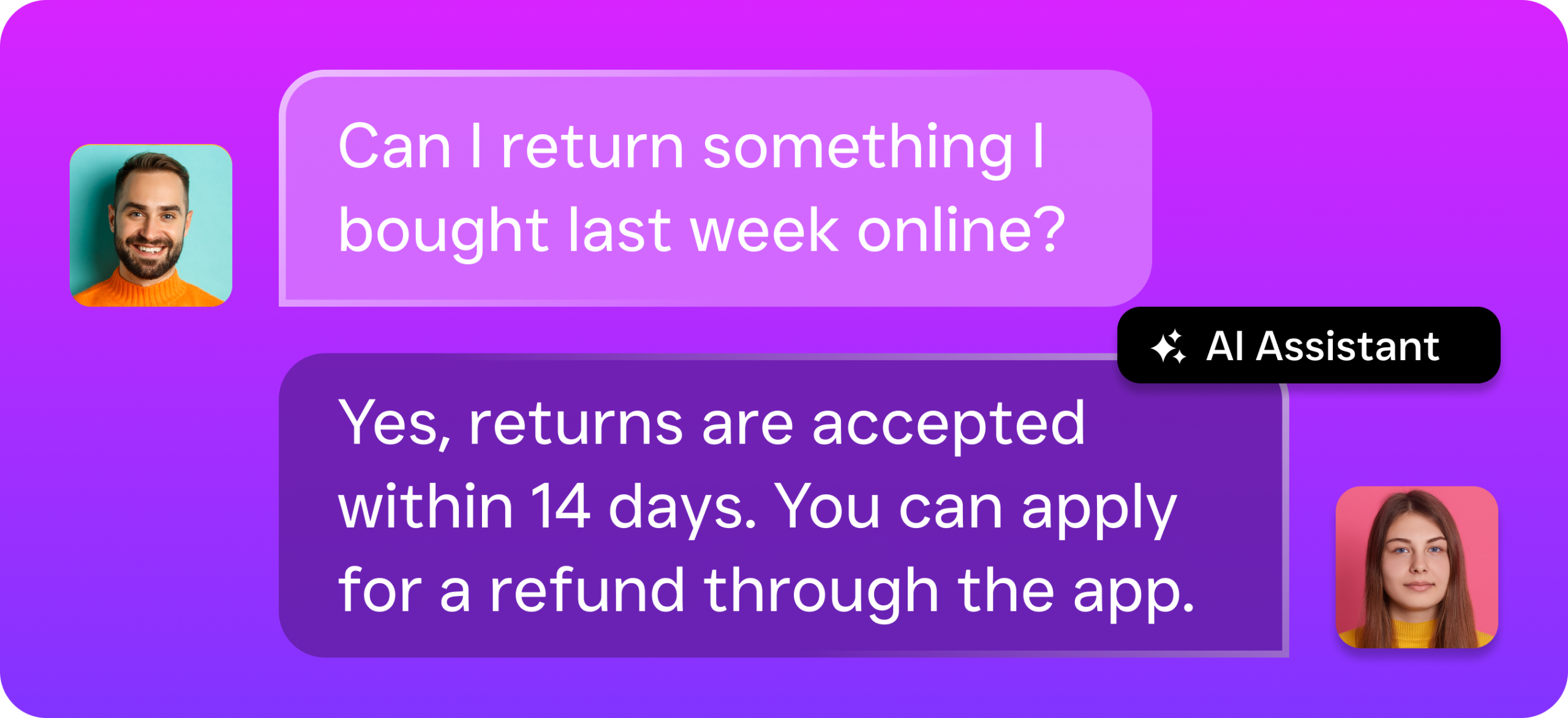
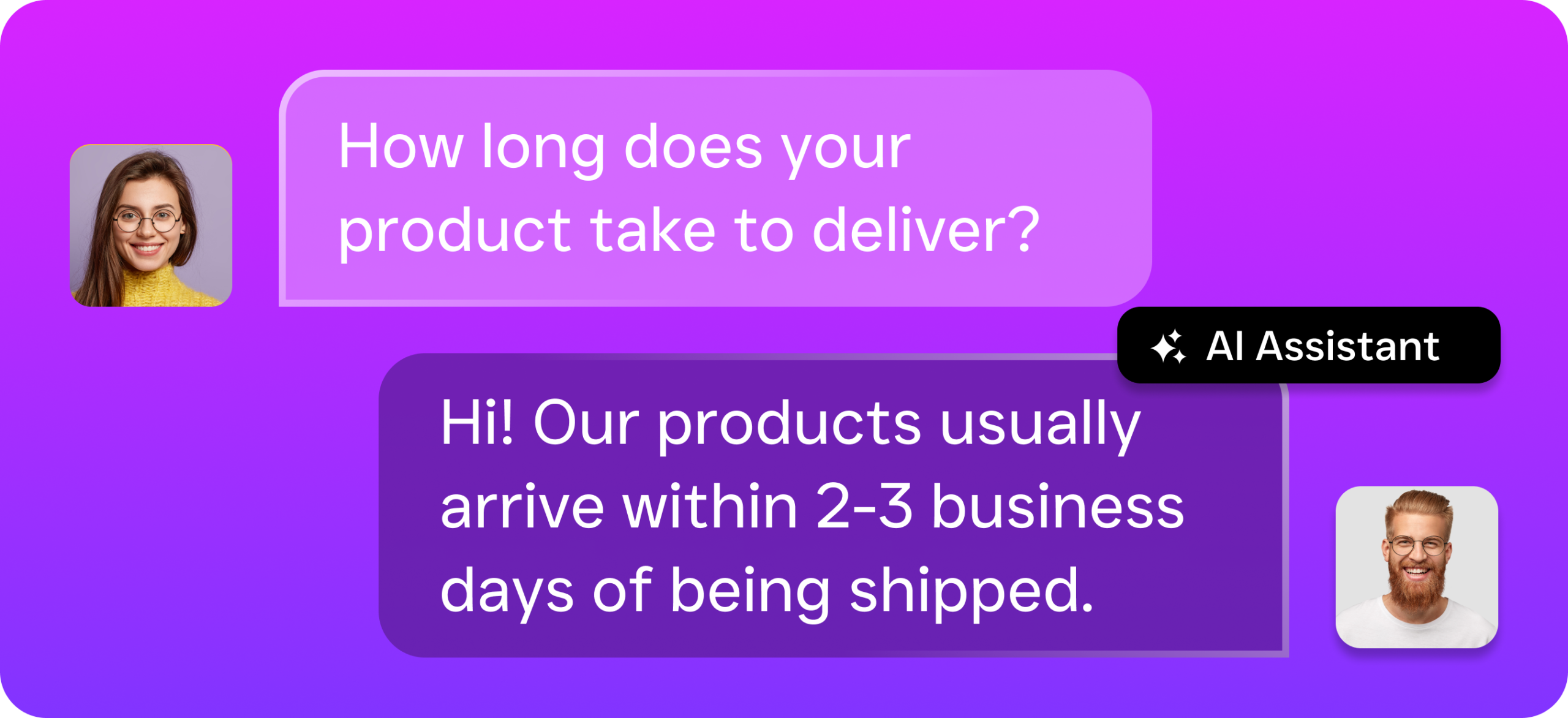
The most significant leap forward is AI voice agent technology. Unlike a voicemail box or basic auto-attendant, an AI phone agent can hold a natural conversation with callers. It answers frequently asked questions, books appointments directly into your calendar, qualifies leads based on criteria you define, and routes urgent calls to on-call staff. It operates around the clock. Nights, weekends, holidays. With consistent quality and zero sick days. For a small business that can’t justify hiring a full-time receptionist, this technology fills the gap at a fraction of the cost.
AI chat agents extend the same concept to text-based channels. SMS, webchat on your website, Instagram DMs, Facebook Messenger. When a potential customer messages your business at 11 PM asking about pricing or availability, the AI responds instantly, captures their information, and can even schedule an appointment, all without waking you up. What does that actually look like? A business that’s genuinely responsive across every communication channel, every hour of the day. This is particularly valuable for businesses in competitive industries where the first company to respond typically wins the job.
How SalesCaptain Helps Small Businesses Reduce Missed Calls
SalesCaptain was built specifically to solve the missed call problem for service businesses and SMBs. Its AI Phone Agent answers every inbound call with a natural-sounding voice, 24 hours a day, 7 days a week. Rather than sending callers to a voicemail they’ll never leave, the AI agent has a real conversation. It answers questions about your services, books appointments directly into your scheduling system, qualifies leads so you know who to prioritize, and blocks spam calls so your team isn’t wasting time on robocallers. It handles custom call flows you design, so the experience matches how your business actually operates.
Beyond voice, SalesCaptain’s AI Chat Agents handle SMS, webchat, Instagram DMs, and Facebook Messenger from a single platform. When a call is missed, the missed call text-back feature engages the caller instantly via text, converting what would’ve been a lost lead into an active conversation. Every interaction lands in SalesCaptain’s Unified Inbox: calls, texts, chats, social messages. Your team gets a single view of every customer conversation across every channel. The platform integrates with tools you already use, including HubSpot, Salesforce, ServiceFusion, HousecallPro, Clio, QuickBooks, and over 50 others. Pricing starts with a free plan for single-location businesses, with paid plans at $159/month per location. Even for the tightest budgets, it’s accessible.
Key Takeaways
Missed calls are invisible revenue killers. Small businesses can lose tens of thousands of dollars per year from unanswered calls, especially after hours and during peak service times. Start with data, analyze your call records to identify when and why calls are missed before investing in any solution. Layer your defenses. Call forwarding, IVR, missed call text-back, and team training each address different parts of the problem. Use them together for maximum coverage. AI agents are the biggest force multiplier available to small businesses today. They provide 24/7 call answering, lead qualification, and appointment booking without adding headcount. Speed of response is everything. The first business to respond to a customer inquiry wins the vast majority of the time, and automation closes the response gap to seconds. Every channel matters. Customers reach out via phone, text, webchat, and social media. A unified approach ensures nothing falls through the cracks regardless of how they contact you.
Common Missed Call Mistakes That Cost You More Than You Realize
Small business owners often believe their biggest missed call problem is staff availability, but the real culprits are usually preventable system failures. Many businesses rely solely on a single phone line with no backup routing, meaning one busy technician ties up the entire incoming line. Others skip voicemail setup entirely, assuming it’s unnecessary—yet research shows 85% of customers won’t try calling back if they can’t leave a message. The third mistake is assuming your current phone system will scale as you grow; what worked with three employees often collapses at five or ten.
Another critical error is neglecting to test your phone system during peak hours. You might think your setup handles volume, but you won’t know until a busy Saturday afternoon arrives and every call bounces. Similarly, many businesses fail to implement call tracking or analytics, so they can’t even measure how many calls they’re actually losing. Without data, you can’t identify patterns—like whether most missed calls happen during lunch hours or after 5 PM—which means you can’t fix the root cause.
Perhaps the costliest mistake is not having a clear handoff process between answering and response. A call gets answered by someone without authority to book appointments or provide pricing, so the caller gets transferred, placed on hold, or promised a callback that never happens. Implement a documented protocol: who answers, what information they capture, and how quickly a decision-maker reaches out. Tools like SalesCaptain can automate this handoff and ensure every caller gets a prompt response, even if your team is stretched thin.
Start by auditing your last month: how many calls came in, how many were answered, and how many converted to jobs? This baseline reveals whether you need better technology, better processes, or both. Don’t assume you know where the problem is—the data will tell you exactly what’s draining your revenue.
Ready to see it in action?
See how small businesses use SalesCaptain to capture every missed call and convert them into sales.
Book a Free Demo →Frequently Asked Questions
How many calls does the average small business miss per day?
The number varies widely by industry and business size. Even businesses with dedicated front desk staff commonly miss calls during lunch breaks, high-volume periods, and after hours. Studies on SMB call handling suggest the financial impact of missed calls can accumulate to tens of thousands of dollars annually. The exact number for your business depends on your call volume, staffing, and hours of operation. Why does this matter? Because analyzing your own call data is the essential first step.
Is a virtual receptionist better than an AI phone agent?
Virtual receptionist services use real humans working remotely to answer your