
AI-powered customer experience marketing (CXM) platform that helps local businesses win.


Best Call Tracking Software for Roofing: A Practical Guide for Contractors Who Want Every Lead
For roofing contractors, the telephone remains the primary gateway to revenue. While digital forms and social media messages are increasing in popularity, the vast majority of high-value roofing leads—especially those involving emergency repairs or full roof replacements—still originate with a phone call. However, most roofers face a significant “blind spot” in their business: they know they are getting calls, but they don’t know exactly which marketing dollar triggered them.
Without a robust customer communication platform that includes integrated call tracking, you are essentially gambling with your marketing budget. Are your Google Local Services Ads (LSAs) driving actual jobs, or just tire-kickers? Is your expensive vehicle wrap actually generating calls, or is it just brand awareness?
This guide explores the best call tracking software for roofing, explaining how to bridge the gap between marketing spend and closed repair orders to maximize your ROI.
Growth tips for home service businesses
Every Tuesday — actionable ideas to get more leads, reviews, and repeat customers. No fluff.
Quick Answer
Call tracking software for roofing companies monitors incoming calls, logs leads automatically, and routes calls to available team members. The best platforms offer call recording, real-time notifications, detailed analytics, and integration with CRM systems. These tools help roofers capture every lead, reduce missed opportunities, and measure marketing ROI by tracking which campaigns generate calls.
Why Roofing Contractors Need Call Tracking
In a high-ticket industry like roofing, where a single lead can represent a $15,000 to $30,000 project, precision matters. According to roofing industry marketing data, the average cost-per-lead for roofers has climbed steadily, making attribution a requirement for profitability.
1. Accurate Marketing Attribution
If you are running Google Ads, Facebook Ads, and a direct mail campaign simultaneously, you need to know which one is working. Call tracking assigns unique phone numbers to each source. When a homeowner calls the number on your “Storm Damage” mailer, the software tags that lead instantly. This allows you to stop wasting money on underperforming channels and double down on the ones driving actual inspections.
2. Measuring Lead Quality, Not Just Quantity
Not all calls are created equal. A “lead” could be a solicitor, a spam bot, or a homeowner asking for a price on a repair you don’t even offer. High-quality call tracking software uses AI-powered transcription to analyze the content of the call. It can automatically flag calls that mention keywords like “leak,” “estimate,” or “insurance claim,” giving you a clear picture of your true lead-to-job ratio.
3. Training and Quality Assurance
Call recording is one of the most powerful tools for growing a roofing sales team. By listening to how your office staff or sales reps handle inquiries, you can identify bottlenecks. Are they asking for the address? Are they responding fast enough? Call tracking provides the data necessary to coach your team and improve your booking rates.
Key Features to Look for in Roofing Call Tracking Software
Not all tracking software is built for the specific needs of a service business. When evaluating platforms, ensure they include these essential roofing features:
Dynamic Number Insertion (DNI)
This is critical for digital marketing. DNI automatically changes the phone number displayed on your website based on how the visitor found you. If they clicked a Google Ad, they see one number; if they found you via organic search, they see another. This provides granular data on your SEO and PPC performance.
Integration with Roofing CRMs
Your call data should not live in a vacuum. The best systems integrate directly with AccuLynx, JobNimbus, or Roofr. When a tracked call comes in, it should automatically create a lead record or update an existing one, saving your staff from manual data entry and ensuring the “paper trail” is complete from first ring to final invoice.
Missed Call Text-Back
For roofers, a missed call is a lost roof. If your tracking software shows a high volume of missed calls, you need an immediate solution. Missed call text-back ensures that any caller who doesn’t reach a live person receives an instant SMS, keeping them from calling the next roofer on the list.
AI Receptionist and 24/7 Answering
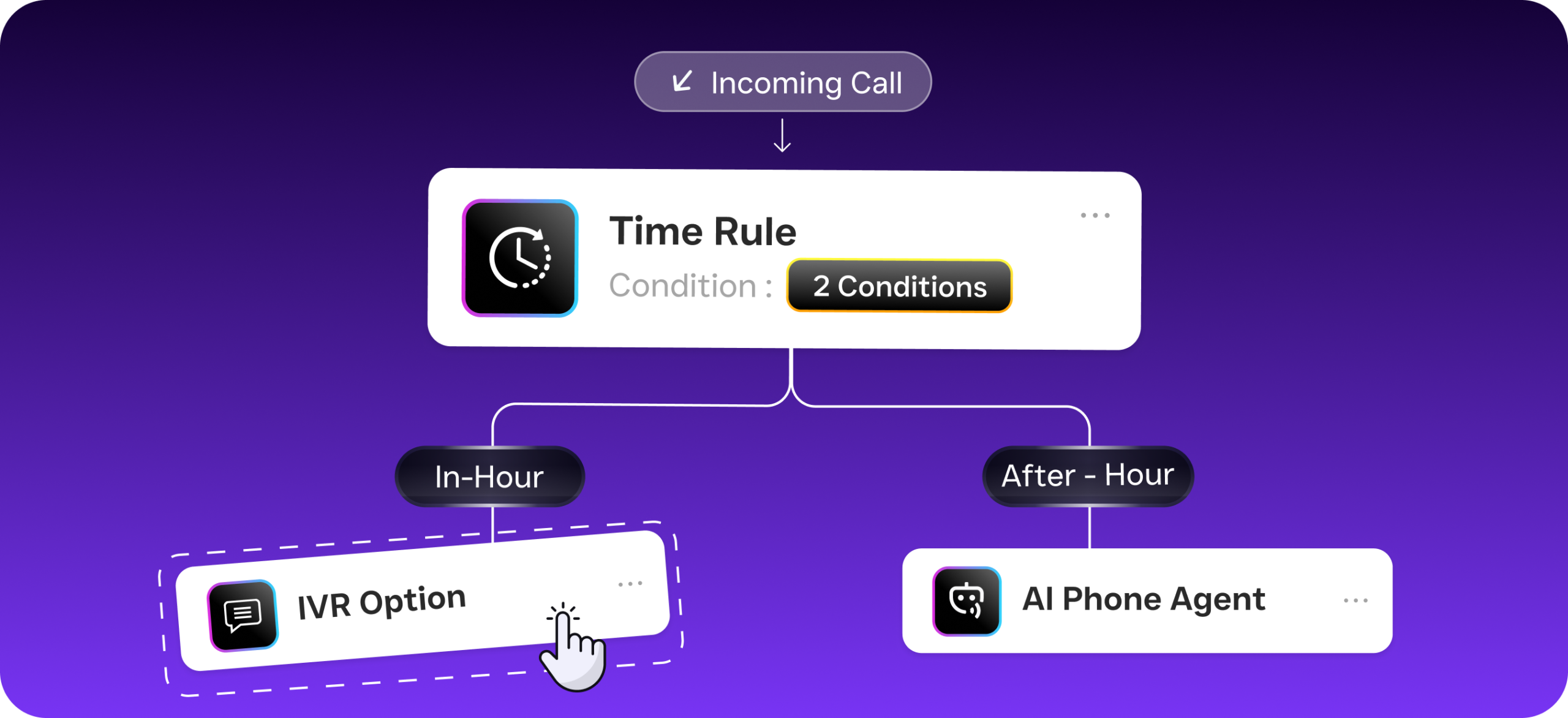
Since 31% of roofing inquiries happen after hours or on weekends, tracking the call isn’t enough—you have to answer it. Integrating your tracking with an AI Phone Agent ensures that every lead is qualified and an inspection is booked, regardless of when the homeowner calls.
Maximizing Your ROI
Implementing call tracking fundamentally changes how you manage your roofing business.
Optimize Ad Spend: Most roofers find they can reduce their marketing waste by 20–30% within the first 90 days of using call tracking.
Identify “Leaking” Leads: You may discover that your front desk is missing 15% of calls during lunch hours. This data allows you to adjust staffing or implement AI answering services to plug the leak.
Protect Your Reputation: By reviewing recorded calls, you can ensure your staff is providing a professional experience that aligns with your brand, which directly impacts your online reviews.
Analyzing the Data: Tracking Leads Through the Funnel
In roofing, the sales funnel is often long and involves multiple touchpoints. A homeowner might see your truck, visit your website, and then call you two weeks later. Call tracking helps you understand this “Multi-Touch Attribution.”
By using a unified inbox, you can see that a customer originally called a tracking number from a Facebook Ad but later texted a different number from your website. This 360-degree view ensures you give credit to the right marketing channels and understand the true lifetime value of your customers.
Data-Driven Growth for Modern Roofers
The roofing industry is becoming increasingly sophisticated. The days of “spraying and praying” with your marketing budget are over. To thrive in a competitive local market, you must transition from making guesses to making data-driven decisions. Call tracking software is the essential “diagnostic tool” that tells you exactly where your revenue is coming from and where your leads are being lost.
By integrating call tracking with an automated communication platform, you do more than just record data—you create a resilient business model. You ensure that every marketing dollar is accounted for, every incoming call is captured, and every prospect receives a professional, immediate response. Whether you are a small local contractor or a large multi-state operation, the ability to track, analyze, and automate your phone communication is the ultimate competitive advantage.
Stop wondering which of your ads are working and start knowing. Turn your phone system into a transparent revenue engine, optimize your marketing spend, and ensure that your roofing company is the one that always answers the call.
Ready to see it in action?
See how roofers use SalesCaptain to track every lead and never lose a job opportunity.
Frequently Asked Questions
What is call tracking software and how does it work for roofers?
Call tracking software assigns unique phone numbers to different marketing channels so you can see exactly which ads, landing pages, or listings generated each call. The software logs caller information, call duration, and often records conversations for quality review, replacing guesswork with hard data about which marketing efforts actually drive leads.
Why is call tracking especially important for roofing businesses?
Roofing is one of the most call-dependent industries because homeowners with roof damage or leaks call contractors directly rather than filling out forms online. Call tracking helps roofers calculate the true cost per lead and cost per closed job across their diverse marketing mix—from Google Ads to door hangers to local directories—so they know which channels are actually profitable.
How can call tracking software help me stop wasting money on marketing?
By tracking which marketing channels generate calls and which ones your team actually answers, you can identify campaigns that look busy but don’t close jobs. This data prevents you from continuing to invest in underperforming channels and helps you scale only the strategies that deliver profitable leads.
What features should I look for in call tracking software for my roofing company?
Key features to evaluate include the ability to assign unique numbers to multiple marketing channels, call recording and logging, caller information capture, and ideally AI-powered lead scoring or analysis that can automatically evaluate call quality. The best platforms will also integrate with your existing business tools and provide clear reporting on cost per lead by channel.
How do I get started with call tracking for my roofing business?
Start by identifying all your active marketing channels—such as Google Ads, SEO, door hangers, truck wraps, and lead directories—then choose a platform that can assign unique tracking numbers to each one. Once implemented, focus on consistently logging call data and reviewing reports to identify which channels deliver the highest-quality leads and best ROI for your roofing business.