
AI-powered customer experience marketing (CXM) platform that helps local businesses win.



A customer calls your auto repair shop at 6:45 PM. Nobody picks up. That caller dials the next shop on the list, and you’ve just lost a brake job, an oil change, and possibly a lifelong customer. According to recent industry data, small businesses lose $26,000 or more per year from missed calls alone. For auto repair shops juggling walk-ins, phone calls, text messages, and online inquiries, choosing the best software for auto repair shop communication isn’t a luxury. It’s survival.
Quick Answer
The best software for auto repair shops unifies multiple communication channels—text, email, phone, and voicemail—into a single dashboard, reducing missed messages and response delays. Look for platforms offering appointment reminders, customer history tracking, and team collaboration features. Top solutions include those with mobile apps, scheduling integration, and automated workflows that streamline customer interactions and improve shop efficiency.
What Is Auto Repair Shop communication software?
Auto repair shop communication software is any platform that helps a shop manage customer conversations across phone calls, text messages, webchat, email, and social media. Think of it as the digital front desk for your business. Instead of relying on a service advisor to catch every call while also writing up estimates, the software handles incoming communication, routes it to the right person, and keeps a record of every interaction.
The best tools go beyond basic phone systems. They combine voice, text, and chat into a single workspace so nothing falls through the cracks. Some platforms now include AI-powered agents that can answer calls, respond to texts, and book appointments without any human involvement. That’s a significant shift from even a few years ago, when “communication software” just meant a landline and a voicemail box.
Free weekly newsletter
Growth tips for auto dealerships & repair shops
Every Tuesday — actionable ideas to get more leads, reviews, and repeat customers. No fluff.
Why Communication Gaps Cost Auto Repair Shops Real Money
Auto repair is a high-trust, high-ticket business. Customers don’t comparison-shop the way they do for a $10 product online. When someone’s car breaks down, they call the first shop that looks reputable, and they expect an answer. If they don’t get one, they move on. It’s that simple.
The financial impact is steeper than most owners realize. Research from OnceHub shows that a missed call doesn’t just cost you one transaction. You lose the lifetime value of that customer, plus every referral they would’ve sent your way. For a repair shop where the average repair order can run $300 to $600, a handful of missed calls each week adds up to tens of thousands in lost annual revenue.
The After-Hours Problem
Most independent shops close by 5 or 6 PM. Yet many customers only have time to call after work. According to DaVinci Virtual, a significant percentage of business calls go to voicemail, and most callers won’t leave one. They’ll just call another shop. So unless you’ve got a plan for after-hours communication, you’re essentially closing the door on a large chunk of potential customers every single day.
The Multichannel Mess
Phone calls aren’t the only channel anymore. Customers text, send Facebook messages, fill out website forms, and leave Google messages. If your team is checking five different apps throughout the day, messages get buried. A customer who texted about picking up their car might not hear back for hours because the message sat unread in a personal phone. That kind of inconsistency erodes trust fast, especially in an industry where customers already worry about being overcharged or misled.
Key Features to Look for in Auto Repair Communication Software
Not every platform is built for the realities of running a shop. Here’s what actually matters when you’re evaluating your options.
- 24/7 call answering: Whether it’s AI-powered or a live answering service, your phone needs to be covered outside business hours. Voicemail alone won’t cut it.
- Unified inbox: All channels, including calls, texts, webchat, social DMs, and email, should feed into one place. Your team shouldn’t need to toggle between six different apps.
- Missed call text-back: When a call goes unanswered, the system should automatically send a text to that caller within seconds. This keeps the conversation alive instead of losing the lead entirely.
- Appointment scheduling: Customers should be able to book directly through the communication tool, whether they’re on the phone with an AI agent or chatting via text.
- Workflow automation: Think appointment reminders, follow-up texts after service, review requests, and payment notifications. These shouldn’t require manual effort from your staff.
- Integrations with shop management tools: If you’re using platforms like ServiceFusion or HousecallPro, your communication software should sync with them so customer data flows between systems.
One thing that’s easy to overlook is ease of setup. Your service advisors and technicians aren’t IT professionals. If a platform requires weeks of training or a consultant to configure, it’s the wrong fit. The 2024 Ratchet+Wrench industry survey highlights that operational efficiency is a top concern for shop owners. Your communication tool should reduce complexity, not add to it.
Comparing Common Approaches to Shop Communication
Auto repair shops typically land on one of four approaches. Each has clear trade-offs, and understanding them will help you pick the right path for your operation.
Traditional Phone Systems
Basic landlines and VoIP systems like Grasshopper handle calls, but that’s about it. There’s no text automation, no AI, no unified inbox. For a single-bay shop with low call volume, this might work temporarily. But as your customer base grows, you’ll hit a wall fast. You also won’t have any way to handle after-hours calls beyond voicemail.
Human Answering Services
Companies like Smith.ai and Ruby provide live receptionists who answer your phone. The customer experience is decent, but the costs are steep. Per-call or per-minute pricing means your bill climbs as your business grows. Plus, these services don’t cover text, webchat, or social channels, so you still need additional tools to fill those gaps.
Industry-Specific Shop Management Software
Platforms like Tekmetric, Shopmonkey, and AutoLeap are excellent for estimates, invoicing, parts ordering, and workflow management inside the shop. However, their communication features tend to be limited. You might get basic texting or email, but you won’t find AI-powered phone agents, unified inboxes, or multichannel automation. These tools solve the operational side. They don’t solve the communication side.
Unified Communication Platforms with AI
This is the newest category, and it’s where the most significant gains are happening. Platforms in this space combine AI voice agents, AI chat agents, a unified inbox, and workflow automation into a single tool. Instead of stitching together a phone system, a texting platform, a chatbot, and a CRM, you get everything in one place. The AI handles routine calls and texts, your team handles the complex stuff, and every conversation lives in one shared inbox.
According to JMC Automotive Equipment’s 2024 trend report, shops that adopt digital tools for customer communication see measurable improvements in customer retention and operational efficiency. The shift toward AI-driven communication isn’t speculative. It’s already underway.
| Approach | After-Hours Coverage | Multichannel | AI Automation | Scalable Pricing |
|---|---|---|---|---|
| Traditional Phone (Grasshopper, etc.) | Voicemail only | No | No | Yes |
| Human Answering Service (Smith.ai, Ruby) | Yes | No | No | No (cost per call) |
| Shop Management (Tekmetric, Shopmonkey) | Limited | Basic texting | No | Yes |
| Unified AI Platform (SalesCaptain) | Yes (AI agent) | Yes | Yes | Yes (per location) |
How SalesCaptain Helps
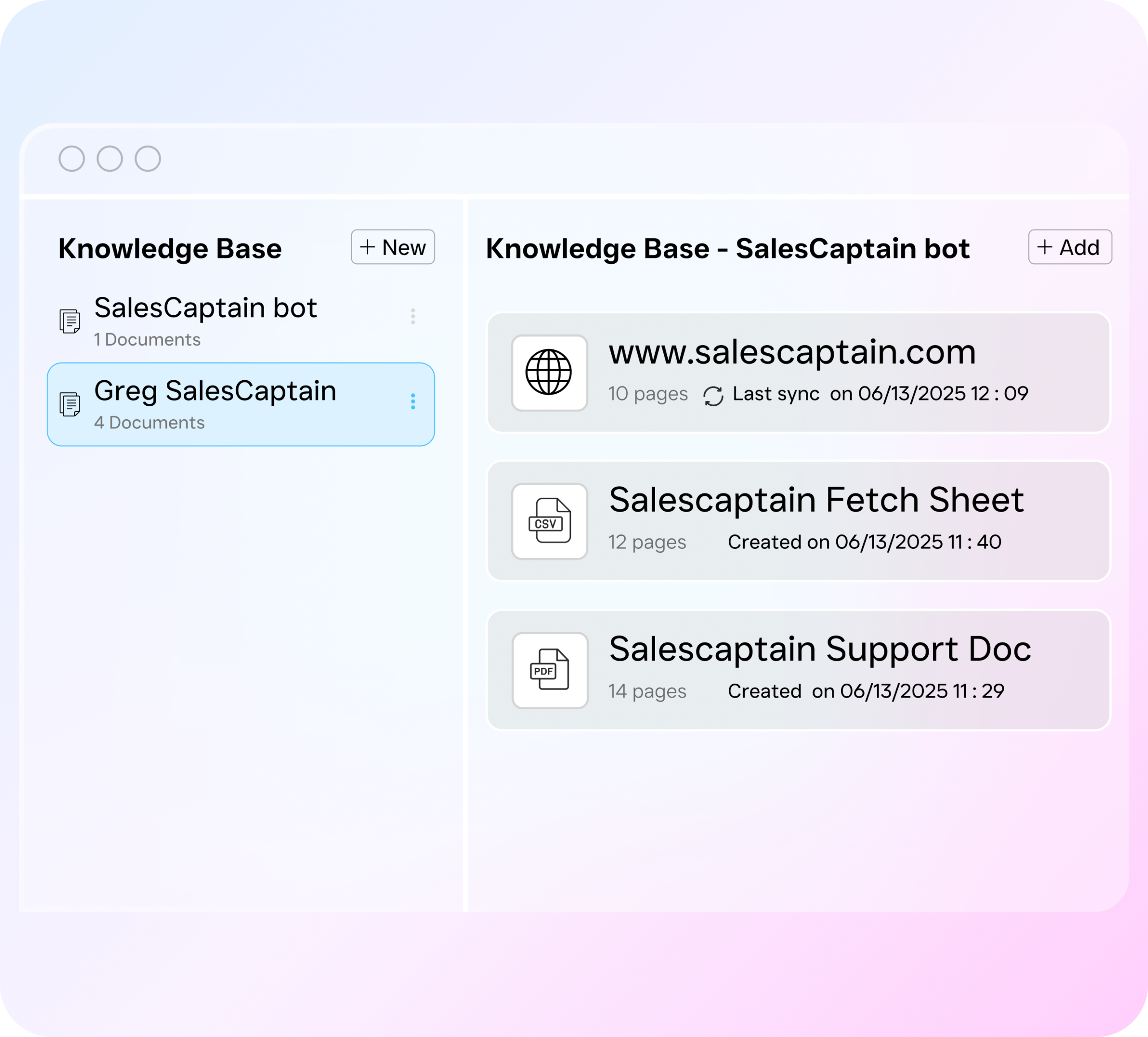
SalesCaptain was built specifically for the kind of problem auto repair shops face every day: too many communication channels, not enough staff to cover them, and too many leads slipping away after hours. It’s the only platform that combines an AI Phone Agent, AI Chat Agents, a unified inbox, a full business phone system, and workflow automation in a single tool.
Here’s what that looks like in practice for a repair shop. A customer calls at 7 PM asking about brake pad replacement. SalesCaptain’s AI Phone Agent picks up, answers their question using your shop’s specific service information, and books an appointment for the next morning. The entire conversation, including the call recording and appointment details, appears in your unified inbox alongside texts, webchat messages, and Facebook DMs from other customers.
Meanwhile, the workflow automation engine sends the new customer a confirmation text, an appointment reminder the next morning, and a review request after the service is complete. None of this requires your team to lift a finger.
For shops already using tools like HousecallPro or ServiceFusion, SalesCaptain integrates directly, so customer records stay synced. The pricing model, starting with a free plan for one location and scaling to $159/month per location for the Business tier, makes it accessible for independent shops without enterprise budgets. AI call minutes run just $0.12 per minute, which is a fraction of what human answering services charge.
Features that matter most for repair shops include missed call text-back, which automatically texts any caller you can’t answer; Payments via Text for collecting deposits or balances without chasing customers; and real-time speech analytics on calls so you can monitor quality without listening to every recording. Competing platforms like Podium lack outbound workflow automation and don’t offer real-time speech analytics. Birdeye doesn’t include call routing, IVR, or AI for calls. With SalesCaptain, you’re not patching together workarounds. You’re getting the full stack.
Key Takeaways
Finding the best software for auto repair shop communication comes down to three priorities: covering your phone 24/7, consolidating every channel into one inbox, and automating the repetitive work that eats your team’s time. Traditional phone systems and human answering services each solve one piece of the puzzle, but they leave major gaps.
Shop management platforms like Tekmetric and Shopmonkey are essential for running your operation, yet they aren’t designed to be your communication hub. The most effective approach for a growing shop is a unified AI communication platform that handles voice, text, chat, and social in one place, with automation doing the heavy lifting on follow-ups and scheduling.
Every missed call is money walking out the door. The auto repair industry includes roughly 280,000 businesses competing for the same local customers. The shops that answer first, respond fastest, and follow up most consistently are the ones that win. Your communication software is the foundation of all three.
Frequently Asked Questions
Can AI really handle phone calls for an auto repair shop?
Yes. Modern AI phone agents sound natural and can answer common questions about services, pricing, hours, and availability. They can also book appointments and qualify leads. For routine inquiries, which make up the majority of incoming calls, AI handles them effectively. Complex situations, like a dispute or a technical diagnosis question, get routed to a human team member.
What’s the difference between shop management software and communication software?
Shop management software like Tekmetric or Shopmonkey handles estimates, invoices, parts ordering, and internal workflows. Communication software handles how you interact with customers across phone, text, chat, and social media. You typically need both, and the best communication platforms integrate with your shop management tool so data stays connected.
How much does auto repair communication software cost?
Pricing varies widely. Human answering services can run $200 to $500 or more per month depending on call volume. Basic VoIP systems start around $15 to $30 per user. SalesCaptain offers a free plan for one location, with paid plans at $159/month per location that include AI agents, a unified inbox, and workflow automation. AI call minutes are billed at $0.12 per minute.
Do I need to replace my current phone number?
No. Most communication platforms, SalesCaptain included, let you port your existing business number. Your customers keep calling the same number they’ve always used, while you gain all the new capabilities behind the scenes.
How long does it take to set up an AI communication system?
SalesCaptain is designed so non-technical business owners can set up AI phone and chat agents without hiring a consultant or learning to code. Most shops can get up and running quickly. You configure your business hours, service menu, and call flows using a visual builder, and the AI agent is ready to start answering.
Ready to see it in action?
See how auto repair shops use SalesCaptain to manage customer calls and texts in one place.
Book a Free Demo →See How SalesCaptain Can Help Your Auto Repair Shop
Stop losing customers to missed calls and slow follow-ups. SalesCaptain gives your shop a 24/7 AI phone agent, a unified inbox for every channel, and workflow automation that keeps customers coming back. Start with a free plan and see the difference in your first week.