
AI-powered customer experience marketing (CXM) platform that helps local businesses win.



Your phone rings at 6 PM on a Tuesday. It’s someone offering you a better rate on your business insurance. You didn’t ask for that call, and you’re in the middle of dinner. Now flip the scenario: your business needs to reach 200 prospects this week about a seasonal promotion, and your team of three can’t possibly handle that volume. Both situations involve telemarketing, but they look very different depending on which side of the phone you’re on. Understanding what’s telemarketing calls, how they work, and what rules apply is essential for any business owner thinking about outbound sales or trying to handle high inbound call volumes.
Quick Answer
Telemarketing is the practice of calling potential customers by phone to sell products, services, or conduct market research. It involves direct verbal communication to generate leads, close sales, or gather consumer feedback. Telemarketers operate under strict federal regulations, including the Do Not Call Registry and calling time restrictions, requiring prior written consent for many calls and detailed record-keeping to ensure compliance.
What Is Telemarketing Calls?
Telemarketing is the practice of contacting potential or existing customers by phone to promote products, generate leads, conduct surveys, or close sales. It’s one of the oldest forms of direct marketing, and despite the rise of digital channels, it remains a significant revenue driver for businesses of all sizes. According to GCL’s 2024 analysis of B2B telemarketing, phone-based outreach continues to outperform email in terms of conversion rates for complex sales conversations.
At its core, a telemarketing call is any phone call made or received for a commercial purpose. That includes outbound cold calls to new prospects, warm follow-ups with leads who’ve expressed interest, appointment reminders, customer satisfaction surveys, and even fundraising calls from nonprofits. The FTC’s Telemarketing Sales Rule provides the legal framework that defines and regulates these activities in the United States.
Free weekly newsletter
Growth tips for service businesses
Every Tuesday — actionable ideas to get more leads, reviews, and repeat customers. No fluff.
Types of Telemarketing and How They Work
Not all telemarketing looks the same. The method, purpose, and technology behind each type vary widely, and understanding the differences helps you decide what’s appropriate for your business.
Outbound Telemarketing
This is what most people picture when they hear the word “telemarketing.” A caller reaches out to a list of prospects to pitch a product, schedule a demo, or qualify a lead. Outbound campaigns can be highly effective when they target the right audience with a relevant offer. However, they’re also the most heavily regulated form because of their potential to be intrusive. According to Intelemark’s 2024 overview, well-targeted B2B outbound campaigns still generate strong ROI when combined with data-driven prospect lists.
Inbound Telemarketing
When a customer calls your business after seeing an ad, visiting your website, or getting a referral, that’s inbound telemarketing. Your team’s job is to convert interest into action, whether that means booking an appointment, processing an order, or answering questions that move the caller closer to a purchase. For service businesses like HVAC companies, dental offices, and law firms, inbound calls are often the highest-value leads in the pipeline.
Automated and Robotic Telemarketing
Robocalls and pre-recorded message campaigns represent the automated end of the telemarketing spectrum. These have become the most controversial form, partly because of widespread abuse by scammers. Legitimate businesses can still use automated calls, but only under strict conditions, typically requiring prior express written consent from the recipient. Ringless voicemail, which drops a pre-recorded message directly into a recipient’s voicemail box without making the phone ring, occupies a legal gray area that varies by jurisdiction.
B2B vs. B2C Telemarketing
Business-to-business telemarketing operates under slightly different norms than business-to-consumer. B2B callers generally face fewer regulatory restrictions because calls to business lines are often exempt from don’t Call rules. Yet the expectations are higher: decision-makers expect callers to be knowledgeable, concise, and relevant. B2C telemarketing, on the other hand, faces stricter consent requirements and higher consumer scrutiny.
Regulations Every Business Owner Should Know
Telemarketing without understanding the legal landscape is a recipe for expensive fines. The regulatory environment varies by country, but here’s what matters most if you’re operating in the United States or serving customers there.
United States Regulations
The Telephone Consumer Protection Act (TCPA) and the FTC’s Telemarketing Sales Rule form the backbone of U.S. telemarketing law. Key requirements include:
- National Do Not Call Registry: Telemarketers must scrub their call lists against this registry and honor opt-out requests within 31 days.
- Calling hours: Calls to consumers can only be made between 8 AM and 9 PM in the recipient’s time zone.
- Caller ID requirements: Telemarketers must transmit their phone number and, where possible, their name to the recipient’s caller ID.
- Prior express consent: Automated or pre-recorded calls to cell phones require the recipient’s prior express written consent.
- Prompt disclosure: Callers must identify themselves, the company they represent, and the purpose of the call at the beginning of the conversation.
The Kelley Drye mid-year review of telemarketing regulation highlights ongoing enforcement trends, including increased FCC scrutiny of AI-generated voice calls and stricter one-to-one consent requirements that took effect in 2024. Violating these rules can cost your business $500 to $1,500 per call in statutory damages.
Regulations in Other Countries
If you serve customers internationally, be aware that other countries have their own frameworks. Canada’s CRTC enforces the National don’t Call List with fines up to $15,000 per violation for businesses. The UK’s Information Commissioner’s Office (ICO) oversees the Privacy and Electronic Communications Regulations, which require consent for automated marketing calls. Australia’s don’t Call Register Act imposes fines that can reach into the millions for serious breaches. Finland and other EU members follow the ePrivacy Directive alongside GDPR, creating some of the strictest telemarketing rules globally.
Best Practices for Effective Telemarketing in 2025
Whether you’re making outbound calls yourself or handling high volumes of inbound inquiries, a few principles separate businesses that succeed with phone-based communication from those that waste money and annoy people.
Lead with Value, Not a Script
Nobody wants to feel like they’re talking to a robot reading from a card. The most effective telemarketers prepare talking points rather than rigid scripts, and they focus on solving the prospect’s specific problem. According to Telpact’s breakdown of effective telemarketing strategies, personalization and research before the call are the two biggest factors in improving conversion rates. That means knowing who you’re calling and why they’d care before you ever dial.
Speed to Lead Matters Enormously
For inbound telemarketing and lead follow-up, response time is everything. Studies from Harvard Business Review have consistently shown that contacting a lead within the first five minutes of their inquiry makes you dramatically more likely to convert them compared to waiting even 30 minutes. And yet, research on the cost of missed calls shows that most small businesses lose significant revenue simply because they can’t answer the phone fast enough or at all outside of business hours.
Compliance Isn’t Optional
Even well-intentioned telemarketing campaigns can backfire if you ignore consent requirements. Build compliance into your workflow from the start. Maintain an internal don’t Call list, record opt-out requests immediately, and train every person (or system) that touches your phones on the rules. The reputational cost of a TCPA lawsuit can be more damaging than the financial penalty itself.
Track and Measure Everything
Successful telemarketing operations don’t guess. They track:
- Call volume and connect rates
- Average call duration
- Conversion rate by campaign, time of day, and caller
- Cost per acquisition
- Customer sentiment and objection patterns
Without this data, you can’t improve. And as call volumes increase, manual tracking becomes impossible, which is where automation and AI tools start to make a real difference.
The Negative Side of Telemarketing and Why It Persists
Let’s be honest: telemarketing has a reputation problem. Consumer complaints about unwanted calls consistently rank among the top issues reported to the FTC. Scam calls, spoofed caller IDs, and aggressive sales tactics have eroded public trust. Many people simply don’t answer calls from unknown numbers anymore.
So why does telemarketing persist? Because it works when done right. A phone conversation creates a human connection that email and text can’t replicate. Complex products and services, especially in B2B, benefit from real-time dialogue where questions get answered immediately. For service businesses, every inbound call is a potential customer standing at the top of the funnel, ready to buy right now. Ignoring or mishandling those calls means losing revenue to a competitor who picks up faster.
The real challenge for modern businesses isn’t whether to use phone communication. It’s how to handle it at scale without burning out your staff, violating regulations, or letting leads slip through the cracks.
How SalesCaptain Helps
Managing telemarketing calls, both inbound and outbound, becomes exponentially harder as your business grows. Hiring more staff is expensive. Training takes time. And your best leads often call after hours when nobody’s there to answer.
SalesCaptain addresses this directly with its AI Phone Agent, a natural-sounding voice AI that answers every call 24/7, qualifies leads, books appointments, answers FAQs, and routes callers to the right person. It doesn’t read from a stiff script; it handles conversations naturally while capturing every detail through AI Summaries and Transcriptions. That means your team gets a complete record of every call, with action items highlighted, without having to listen to recordings or take notes manually.
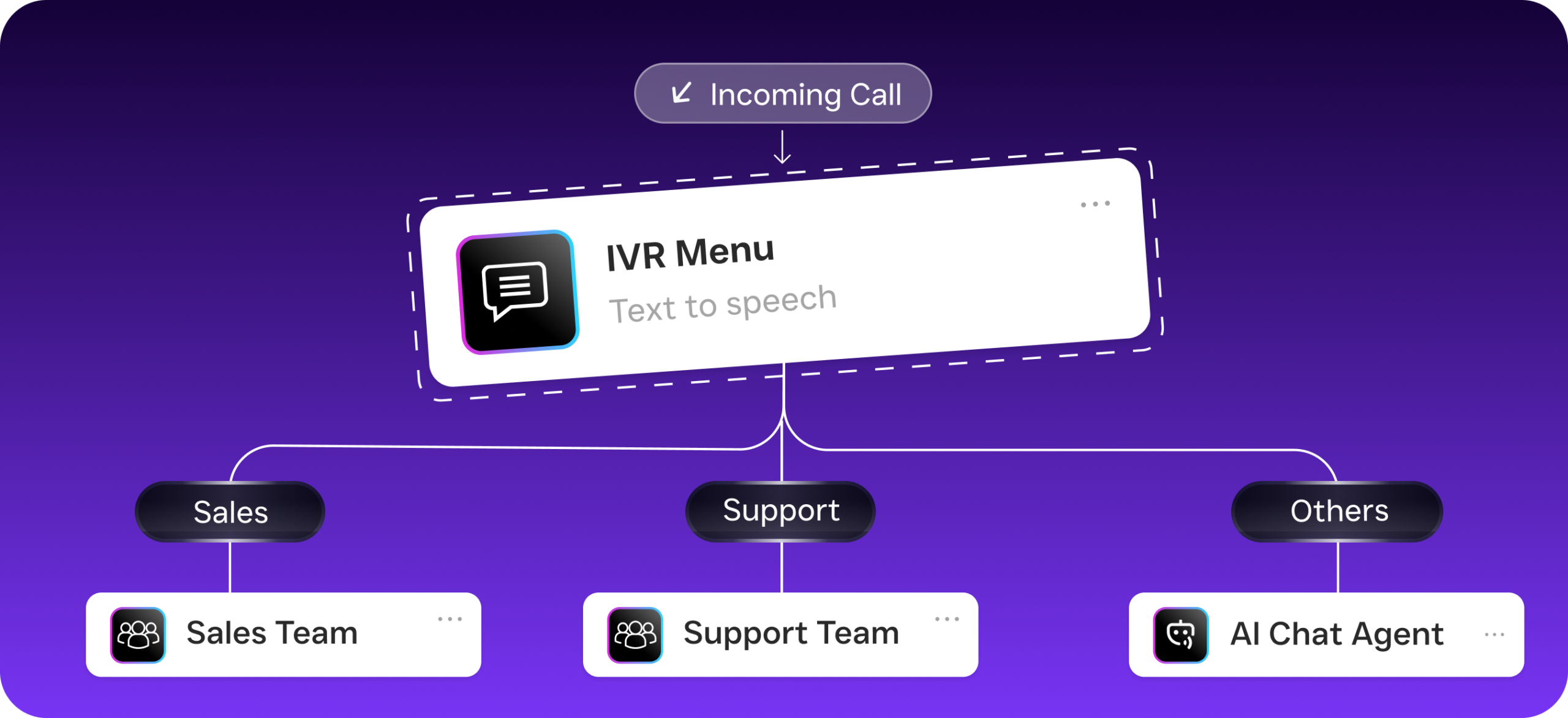
For businesses running outbound campaigns, SalesCaptain’s Workflow Automation builder lets you trigger follow-up calls, texts, and CRM updates automatically based on lead behavior. Combined with the Unified Inbox, which pulls calls, SMS, webchat, email, and social media DMs into one view, your team never loses track of a conversation regardless of which channel it started on.
Here’s what that looks like in practice for a service business:
- A prospect calls at 8 PM about a roofing estimate. The AI Phone Agent answers, qualifies the lead, and books an appointment for the next morning.
- If someone hangs up before connecting, the missed call text-back feature sends an instant SMS to re-engage them.
- Every interaction, whether it came through a call, text, or Instagram DM, appears in the same inbox so your team sees the full picture.
- Post-call analytics and transcriptions feed directly into coaching and quality control, helping you improve over time.
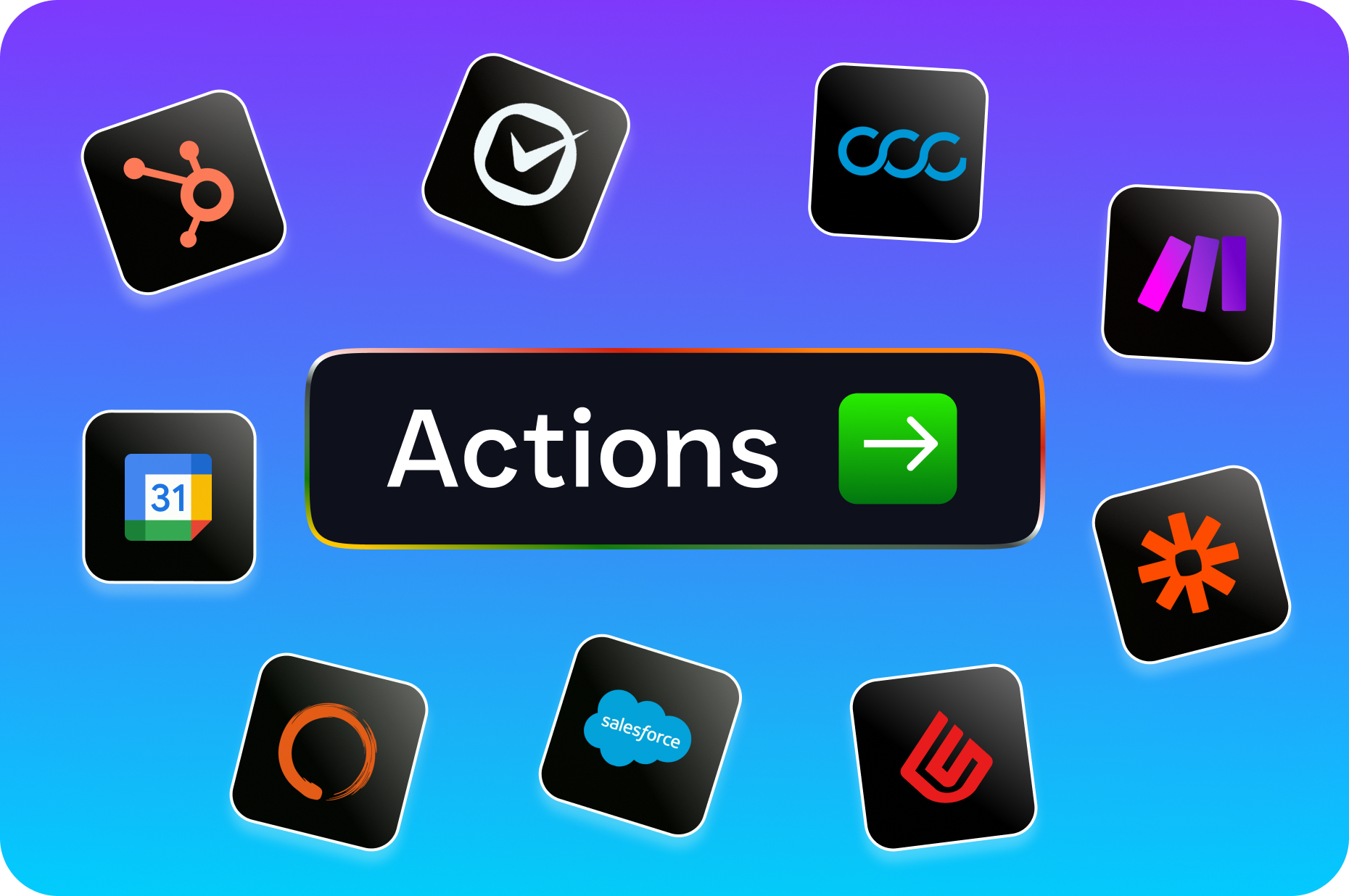
With integrations into HubSpot, Salesforce, HousecallPro, Clio, and 50+ other tools, SalesCaptain fits into the systems you already use rather than replacing them. Pricing starts free for a single location, with paid plans at $159 per month per location, making it accessible for SMBs that can’t justify the cost of a traditional call center or additional full-time hires.
Key Takeaways
Telemarketing calls encompass any phone-based communication made for a commercial purpose, from outbound cold calls to inbound lead inquiries. The practice remains effective because real-time phone conversations convert at higher rates than nearly any other channel, especially for service businesses and complex sales.
However, regulatory compliance isn’t negotiable. The TCPA, FTC rules, and state-level regulations carry real financial consequences for businesses that cut corners. Best practices center on personalization, speed to lead, rigorous tracking, and treating every caller with respect.
The biggest shift happening right now is the move from purely human-staffed telemarketing to AI-assisted communication. Businesses that adopt tools capable of handling calls around the clock, capturing data automatically, and following up without manual effort will capture more revenue from every ring. Those that don’t will keep losing leads to missed calls and slow response times. The phone isn’t going away. How you answer it’s what’s changing.
Frequently Asked Questions
Is telemarketing legal?
Yes, telemarketing is legal in the United States and most other countries, but it’s heavily regulated. Businesses must comply with the TCPA, honor the National don’t Call Registry, obtain proper consent for automated calls, and follow time-of-day restrictions. Penalties for violations range from $500 to $1,500 per call.
What’s the difference between telemarketing and spam calls?
Legitimate telemarketing comes from real businesses with proper disclosures, consent, and opt-out mechanisms. Spam calls, often made by scammers using spoofed numbers, are illegal and designed to deceive. The distinction matters because lawful telemarketing provides real value when targeted correctly, while spam erodes consumer trust across the board.
Can small businesses benefit from telemarketing?
Absolutely. For service businesses like plumbers, attorneys, or dental offices, every inbound call is a potential customer. Even modest outbound campaigns, like calling past customers about seasonal promotions, can generate significant revenue. The key is doing it compliantly and efficiently, which is where AI tools and automation help level the playing field against larger competitors.
How do AI phone agents compare to traditional telemarketing staff?
AI phone agents handle calls 24/7 without breaks, sick days, or overtime pay. They qualify leads, book appointments, and answer common questions with consistent accuracy. Traditional staff bring empathy and complex problem-solving that AI can’t fully replicate. The most effective approach for most businesses combines both: AI handles the high-volume, repetitive calls while human staff focus on complex conversations and relationship building.
What should I do if my business receives telemarketing complaints?
Take complaints seriously and respond immediately. Add the complainant to your internal don’t Call list, investigate how they were contacted, and document your response. Review your compliance procedures, including consent records and list-scrubbing practices. If complaints persist, consult a telemarketing compliance attorney before the issue escalates to regulatory action.
Ready to see it in action?
See how businesses use SalesCaptain to qualify leads from telemarketing calls automatically.
Book a Free Demo →See How SalesCaptain Can Help
If you’re looking for a smarter way to handle telemarketing calls, qualify leads automatically, and never miss another after-hours opportunity, SalesCaptain’s AI Phone Agent and Unified Inbox are built for exactly that. Try it free for your first location and see the difference 24/7 AI-powered call handling makes for your business.