
AI-powered customer experience marketing (CXM) platform that helps local businesses win.



You’ve spent weeks building a relationship with a potential client, trading emails, scheduling demos, and navigating a buying committee of five people. Then the deal stalls because someone on their team missed a call from yours. Sound familiar? If you sell products or services to other companies, you already know that what’s business to business sales isn’t just an academic question. It’s the engine behind how most of the economy actually works, and getting it right determines whether your company grows or plateaus.
Quick Answer
Business to business sales involves selling products or services from one company directly to another company, rather than to individual consumers. B2B transactions typically involve longer sales cycles, multiple decision-makers, higher deal values, and relationship-focused strategies. These sales emphasize demonstrating ROI, solving complex business problems, and building trust with procurement teams and executives.
What Is Business to Business Sales?
Business to business sales, commonly called B2B sales, is the process of selling products or services from one company to another. Unlike business to consumer (B2C) transactions where you’re selling directly to individual shoppers, B2B deals involve professional buyers, longer decision cycles, and higher average deal values. Think of a roofing contractor buying materials from a supplier, a dental practice purchasing practice management software, or an HVAC company signing up for a communication platform to handle customer calls.
The distinction matters because B2B buyers behave differently than consumers. They’re spending company money, not personal funds. Multiple stakeholders weigh in on purchasing decisions. And the relationship between buyer and seller often extends for months or years after the initial sale. According to Gartner’s research on B2B buying, the average B2B purchase now involves six to ten decision-makers, each armed with their own independently gathered information. That complexity shapes every aspect of how B2B sales teams operate.
Free weekly newsletter
Growth tips for service businesses
Every Tuesday — actionable ideas to get more leads, reviews, and repeat customers. No fluff.
Types of B2B Sales and How They Differ
Not all B2B sales look the same. The approach your team uses depends on what you’re selling, who you’re selling to, and how much the deal is worth. Here’s a breakdown of the most common types.
Transactional B2B Sales
These are straightforward, lower-value deals with short sales cycles. A landscaping company ordering fertilizer from a wholesale supplier is a good example. The buyer already knows what they need, and the seller’s job is to make purchasing fast and easy. Price and convenience drive most transactional decisions.
Consultative and Solution-Based Sales
When the product or service is more complex, the sales process shifts toward education and problem-solving. Instead of simply quoting a price, the salesperson digs into the buyer’s specific challenges, then positions their offering as the solution. A legal practice evaluating case management software, for instance, needs a salesperson who understands law firm workflows, not just feature lists.
Enterprise Sales
At the top end, enterprise B2B sales involve large organizations, six- or seven-figure contracts, and sales cycles that can stretch beyond a year. These deals demand executive-level relationships, custom proposals, and often legal review of contracts. For most SMBs, enterprise selling isn’t the primary focus, but understanding the spectrum helps you position your own sales process appropriately.
Channel and Partner Sales
Some B2B companies sell through intermediaries like distributors, resellers, or referral partners rather than directly to end customers. This model lets you scale without building a massive sales team, though it requires strong partner management.
Steps in the B2B Sales Process
Whether you’re closing $500 deals or $50,000 contracts, most B2B sales follow a predictable path. Understanding each stage helps you identify where deals stall and where you’re losing revenue.
- Prospecting: Identifying companies that fit your ideal customer profile. This might involve outbound outreach, inbound lead generation, referrals, or trade show connections.
- Qualifying: Determining whether a prospect has the budget, authority, need, and timeline to buy. Qualification prevents your team from wasting hours on leads that won’t convert.
- Discovery: Conducting in-depth conversations to understand the prospect’s pain points, goals, and existing workflows. Great discovery calls are the foundation of consultative selling.
- Presentation and proposal: Showing the prospect how your product or service solves their specific problem, then delivering a formal proposal with pricing and terms.
- Handling objections: Addressing concerns about price, implementation, competitors, or internal buy-in. Objection handling is where many deals are won or lost.
- Closing: Getting the final commitment. In B2B, this often involves negotiation, legal review, and sign-off from multiple stakeholders.
- Onboarding and retention: The sale doesn’t end at the signature. Successful B2B companies invest heavily in onboarding because renewals, upsells, and referrals drive long-term revenue.
Each of these stages depends on clear, timely communication between your team and the buyer. Miss a call during the discovery phase or let a follow-up text slip through the cracks, and you risk losing the deal entirely. According to a 2026 missed call revenue study from PCN, missed calls cost small businesses significant revenue every year, a reality that hits B2B companies just as hard as B2C ones.
B2B Sales Strategies That Actually Work for SMBs
Large enterprises can afford dedicated sales development reps, outbound call centers, and multi-million dollar CRM deployments. Small and mid-sized businesses can’t. So what strategies deliver results without requiring a Fortune 500 budget?
Speed to Lead
Response time is one of the strongest predictors of whether a B2B lead converts. Harvard Business Review found that companies contacting leads within an hour were nearly seven times more likely to qualify them than those waiting even sixty minutes longer. Yet most small businesses still take hours or days to respond. Every minute of delay gives your prospect time to call a competitor.
Automation plays a critical role here. When a lead fills out a form on your website at 9 PM, an automated text or call within seconds can keep the conversation alive until your team follows up the next morning. That’s not a nice-to-have; it’s a competitive advantage.
Multi-Channel Follow-Up
B2B buyers don’t stick to one communication channel. They might discover you through a Google search, fill out a contact form, then follow up via text or social media. Your sales process needs to meet them wherever they’re.
- Phone calls remain the highest-converting channel for B2B, especially for deals over $1,000.
- Email is standard for proposals, documentation, and longer-form communication.
- SMS and text messaging get far higher open rates than email and work well for quick check-ins, appointment confirmations, and time-sensitive follow-ups.
- Webchat and social DMs capture prospects who prefer real-time digital conversations.
The challenge for SMBs is managing all these channels without letting messages fall through the cracks. When your sales rep is toggling between a phone system, an email client, Instagram DMs, and a separate CRM, important conversations get lost. According to SkipCalls’ analysis of missed call costs, small businesses lose upwards of $26,000 per year from missed calls alone. Factor in missed texts and social messages, and the number climbs further.
Relationship-Driven Selling
B2B purchases are rarely impulsive. Buyers want to work with people they trust. That means your sales process should prioritize building genuine relationships over pushing for quick closes. Consistent follow-up, remembering details from previous conversations, and delivering value before asking for the sale all contribute to trust. For small businesses, this personal touch is actually a competitive advantage over larger, more impersonal vendors.
Data-Driven Qualification
Not every lead deserves the same level of attention. Small businesses, which the SBA reports make up 99.9% of all U.S. businesses, often have lean sales teams that can’t afford to chase unqualified prospects. Using clear qualification criteria and tracking lead interactions across channels helps you focus energy where it’ll actually generate revenue.
B2B Sales Trends Shaping 2025 and Beyond
The B2B landscape is shifting fast. Several trends are directly relevant to service businesses and SMBs looking to stay competitive.
AI-powered communication is becoming table stakes. Buyers now expect instant responses regardless of when they reach out. AI voice agents and chat automation aren’t futuristic concepts anymore. They’re tools that real businesses use daily to handle inbound inquiries, qualify leads, and book meetings without human intervention. According to a recent comparison of AI receptionist tools, adoption among service businesses has accelerated dramatically.
Self-service research dominates early stages. B2B buyers complete a significant portion of their research before ever talking to a salesperson. Your website, content, and automated first-touch experiences need to do the heavy lifting that a salesperson used to handle in initial meetings.
Consolidation of tools is a priority. SMBs are tired of juggling five or six disconnected platforms for calls, texts, CRM, scheduling, and social messages. Unified platforms that bring everything into one place reduce costs and prevent the communication gaps that kill deals. NerdWallet’s small business statistics highlight how operational efficiency directly impacts profitability for businesses with limited staff.
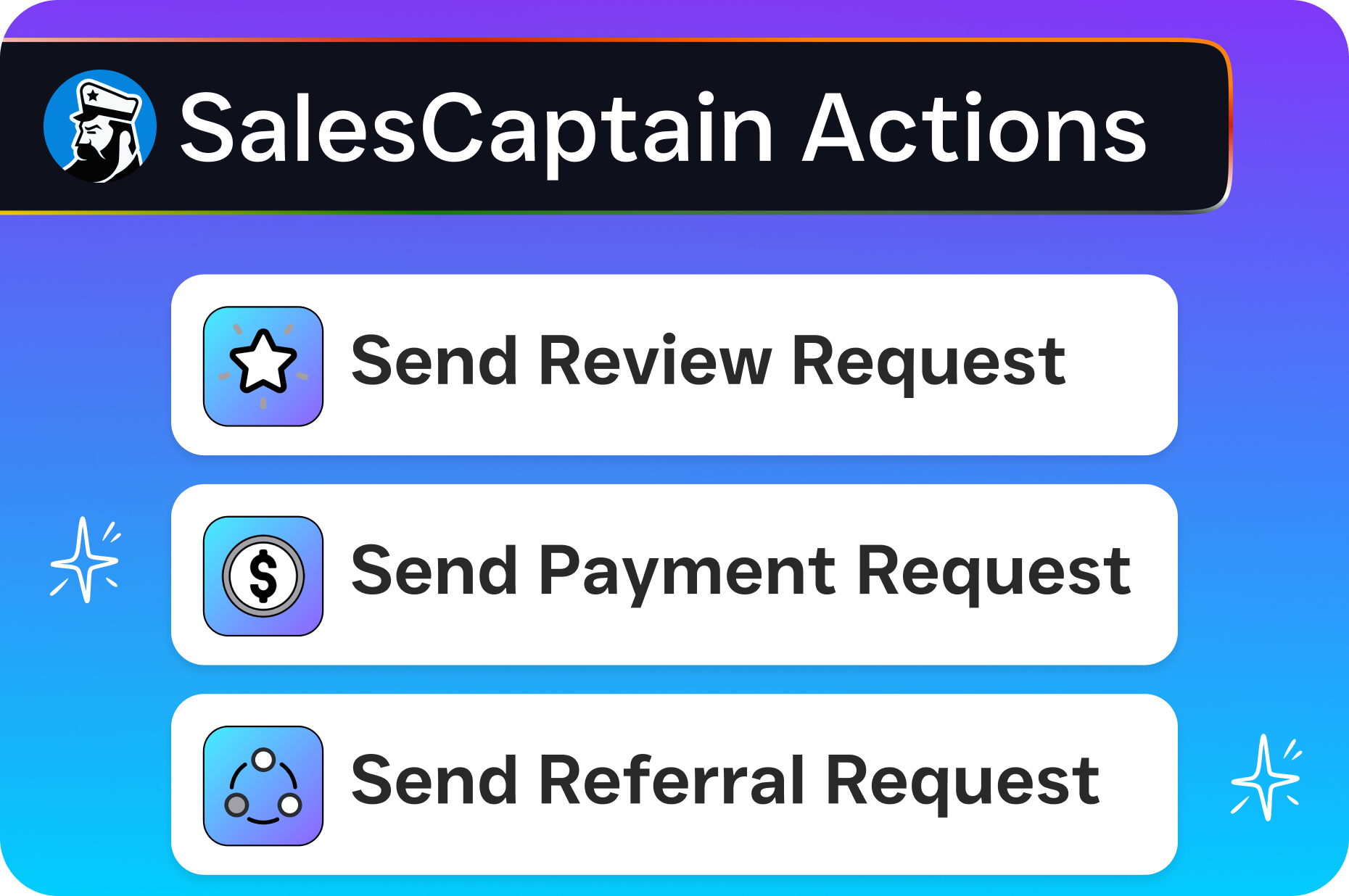
How SalesCaptain Helps
B2B sales success comes down to responding fast, following up consistently, and never letting a lead slip through the cracks. SalesCaptain is built to make all three of those things automatic for service businesses and SMBs.
With SalesCaptain’s AI Phone Agent, inbound calls get answered 24/7 with a natural-sounding voice agent that qualifies leads, books appointments, answers FAQs, and routes callers to the right person. No missed calls at 6 PM on a Friday. No leads going to voicemail and never calling back. The AI Chat Agents extend that same capability across SMS, webchat, Instagram DMs, and Facebook Messenger, so prospects get instant responses on whatever channel they prefer.
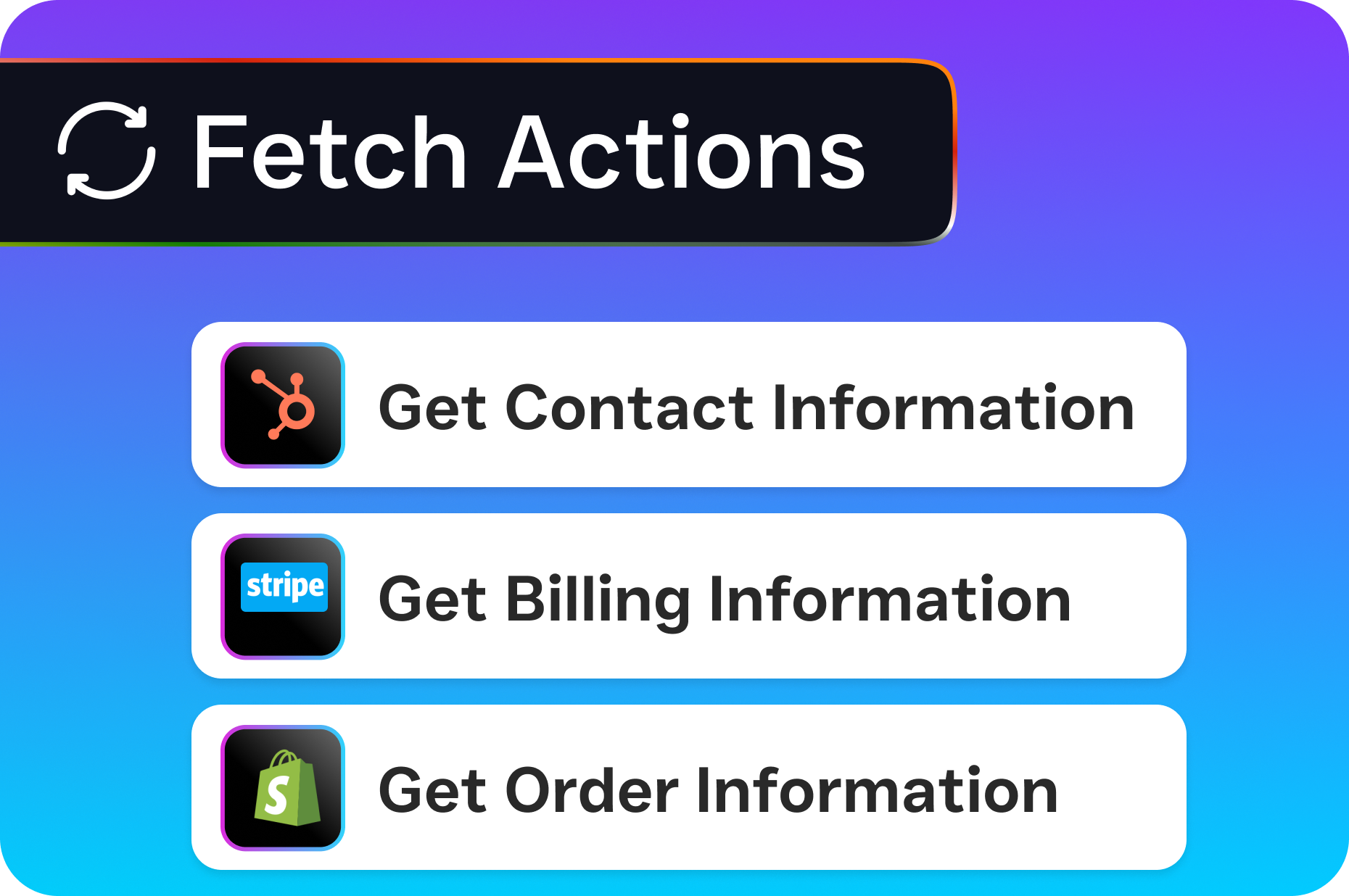
Everything flows into a single Unified Inbox where your team can see every call, text, email, social message, and internal note in one place. There’s no more switching between apps and losing track of conversations. On top of that, the Workflow Automation builder lets you create trigger-based follow-up sequences, appointment reminders, and CRM updates without writing a single line of code. SalesCaptain integrates natively with tools like HubSpot, Salesforce, Zoho, and Zapier, so it fits into the systems you already use.
For B2B businesses running multiple locations, per-location pricing starting at $159/month means you can scale without the cost spiraling out of control. There’s even a free plan for single-location businesses that want to test the platform before committing.
Key Takeaways
Business to business sales is the process of selling products or services to other companies, and it operates on fundamentally different dynamics than consumer sales. Longer decision cycles, multiple stakeholders, and higher deal values mean that communication speed, consistency, and organization aren’t optional; they’re what separates growing businesses from stagnant ones.
- B2B sales involves professional buyers with complex decision-making processes and extended timelines.
- Speed to lead is one of the highest-impact improvements any SMB can make to their B2B sales results.
- Multi-channel communication is essential because B2B buyers don’t stick to one channel.
- AI-powered tools now handle inbound calls, texts, and chat at a level that rivals human staff, at a fraction of the cost.
- Unified communication platforms eliminate the tool sprawl that causes leads to fall through the cracks.
The businesses that win B2B deals aren’t always the ones with the best product. They’re the ones that respond first, follow up consistently, and make it easy for buyers to say yes.
Frequently Asked Questions
What’s the main difference between B2B and B2C sales?
B2B sales involve selling to other businesses, while B2C means selling directly to individual consumers. B2B typically features longer sales cycles, higher deal values, multiple decision-makers, and a stronger emphasis on relationship building. B2C transactions tend to be faster, more emotional, and driven by individual needs.
How long does a typical B2B sales cycle take?
It depends heavily on deal size and complexity. Transactional B2B sales might close in days or weeks. Consultative and solution sales often take one to three months. Enterprise deals can stretch six months to over a year. The more stakeholders involved, the longer the cycle generally runs.
Why does response time matter so much in B2B sales?
B2B buyers are actively evaluating multiple vendors simultaneously. Research consistently shows that the first company to respond meaningfully to an inquiry has a dramatically higher chance of winning the deal. Even waiting an hour can cut your qualification odds significantly compared to responding within minutes.
Can small businesses compete in B2B sales without a large sales team?
Absolutely. AI-powered communication tools, automated follow-up workflows, and unified inboxes let small teams handle the same volume of leads that used to require much larger staffs. The key is using automation for repetitive tasks like answering calls, booking appointments, and sending reminders, so your team can focus on high-value conversations.
What role does AI play in modern B2B sales?
AI handles tasks that used to require dedicated human staff: answering inbound calls, qualifying leads through chat, summarizing conversations, and triggering automated follow-ups. For SMBs, AI levels the playing field by giving smaller teams the capacity to respond instantly across multiple channels without hiring additional employees.
Ready to see it in action?
See how B2B companies use SalesCaptain to convert more leads without hiring extra sales staff.
Book a Free Demo →See How SalesCaptain Can Help
Stop losing B2B deals to missed calls, slow follow-ups, and scattered communication. SalesCaptain’s AI Phone Agent, AI Chat Agents, and Unified Inbox keep your sales pipeline moving 24/7, without hiring more staff.