
AI-powered customer experience marketing (CXM) platform that helps local businesses win.


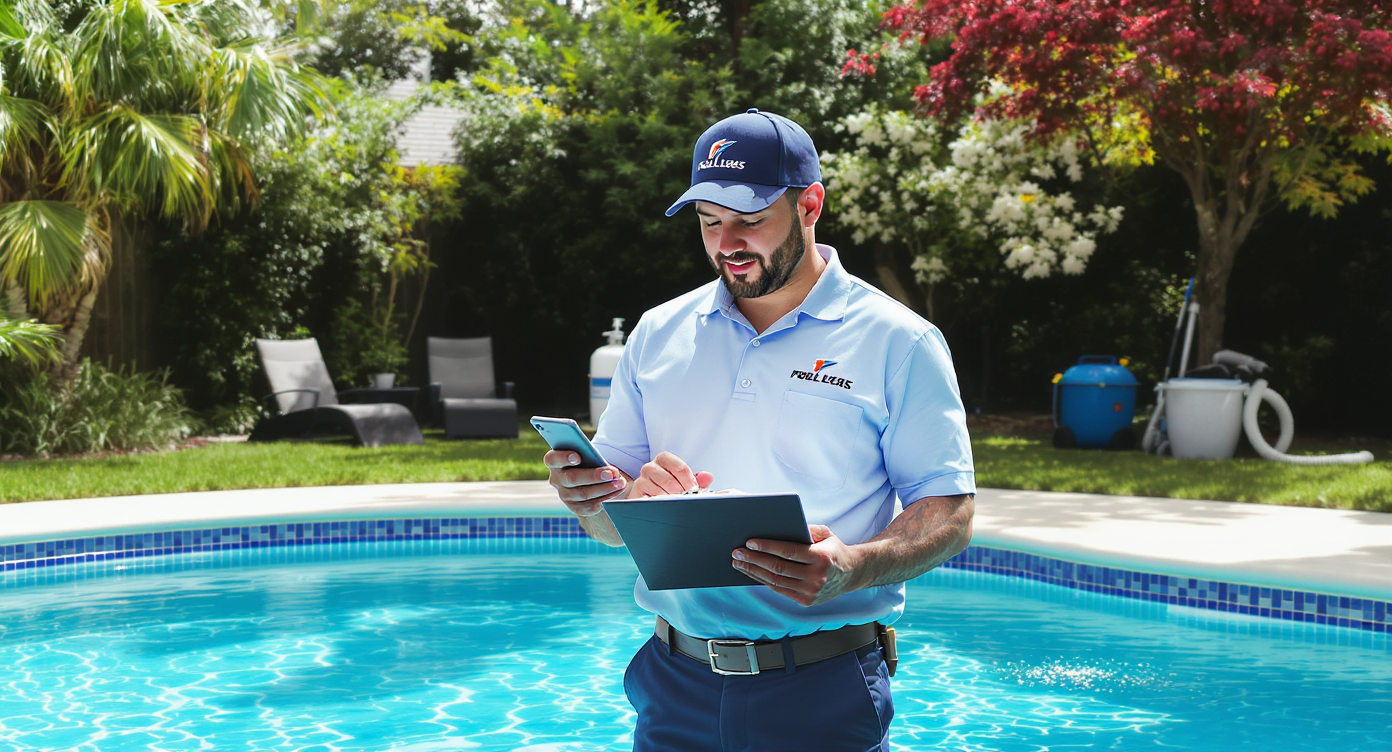
You’re knee-deep in a pool cleaning route, your phone buzzes with a missed call, and by the time you check it two hours later, that homeowner already booked with your competitor. Sound familiar? For pool service companies, every unanswered call during peak season can mean hundreds of dollars in lost recurring revenue. That’s real money disappearing. Finding the best phone system for pool service companies isn’t just a tech decision—it’s a business survival decision that directly affects your bottom line.
The best phone system for pool service companies separates work calls from personal numbers and routes incoming calls to team members on job sites. Modern systems capture missed calls, manage high seasonal volumes, and prevent lost leads during peak season—directly protecting your recurring revenue when it matters most.
What Is a business phone system for Pool Service Companies?
A business phone system separates your personal number from your work line and gives you professional tools to manage customer calls, texts, and messages. For pool service companies specifically, this means handling high call volumes during spring and summer, routing calls while your team is on job sites, and making sure no lead slips through the cracks when you’re elbow-deep in a filter repair.
Free weekly newsletter
Growth tips for home service businesses
Every Tuesday — actionable ideas to get more leads, reviews, and repeat customers. No fluff.
Modern systems go way beyond a second phone line. They include call routing, voicemail transcription, automated text responses, and increasingly, AI-powered answering. According to Future Market Report’s analysis of the business phone system market, the shift toward cloud-based and AI-integrated phone systems is accelerating. Small and mid-size service businesses especially can’t afford dedicated office staff. They need these tools to compete.
Why Pool Service Companies Can’t Afford to Miss Calls
Pool service is seasonal, competitive, and relationship-driven. A homeowner who calls about a green pool wants someone to answer right now. Not tomorrow morning. Yet most pool techs are on the road from 7 AM to 5 PM, making it nearly impossible to answer every call.
The Revenue Impact Is Real
Research from Synvola’s 2026 analysis on missed call costs shows that a single missed call can cost a service business anywhere from $100 to over $1,000 depending on the lifetime value of the customer. For pool companies, where a weekly cleaning contract might run $150 to $300 per month year-round, losing even one potential recurring customer per week adds up fast. We’re talking thousands in annual revenue.
And here’s the real problem. According to Aira’s research on missed business calls, a significant percentage of callers won’t leave a voicemail and won’t call back. They’ll simply move on to the next company in their search results. That’s revenue that quietly walks out the door without you ever knowing it existed.
The Spouse or Partner Handoff Problem
Many pool service owners rely on a spouse or partner to answer calls during the day. It works initially. But as you grow, problems emerge. Your partner doesn’t always know your schedule, can’t book appointments in real time, and shouldn’t have to be tethered to a phone all day. It’s a stopgap, not a solution.
Comparing Your Phone System Options
Pool service companies generally have three paths to choose from: a second phone line, a VoIP business phone app, or a full communication platform with AI capabilities. Each comes with trade-offs worth understanding.
Dual SIM or Second Phone Line
The simplest option is adding a second SIM card or carrying a dedicated work phone. It’s cheap—usually $25 to $50 per month through a carrier. But that’s about where the advantages end. You still have to answer every call yourself. There’s no call routing when you’re busy, no automated texting, and no way to share call responsibilities with a team member. Once you hire your first tech, this approach falls apart completely.
VoIP Business Phone Apps
Cloud-based VoIP systems like OpenPhone, Grasshopper, RingCentral, and Dialpad offer a step up. They give you a professional business number, basic call routing, and sometimes texting capabilities. Pricing typically ranges from $15 to $30 per user per month.
But here’s the catch. Many of these tools were built for office-based teams or tech-forward sales organizations, not field service companies. For example, Grasshopper is a voice-only virtual phone system with no texting automation, no AI, and no unified inbox. OpenPhone is affordable at $15 per user, but it has minimal AI capabilities. It only has seven integrations too, which limits its usefulness if you’re running scheduling software like HousecallPro or ServiceFusion.
Here’s how the most commonly recommended options stack up for pool service needs:
| Feature | Grasshopper | OpenPhone | RingCentral | Dialpad | SalesCaptain |
|---|---|---|---|---|---|
| Starting Price | ~$14/mo | $15/user/mo | $20/user/mo | $15/user/mo | Free (Startup) |
| Missed Call Text-Back | No | No | No | No | Yes |
| Unified Inbox | No | Basic | Limited | Limited | Yes (all channels) |
| Call Coaching/Whispering | No | No | Yes | No | Yes |
| Voicemail Drop | No | No | No | No | Yes |
| ServiceFusion/HousecallPro Integration | No | No | Limited | No | Yes |
| High Volume SMS | No | No | No | No | Yes |
AI Receptionist and Full Communication Platforms
The newest category combines a business phone system with AI agents that can actually answer calls, respond to texts, book appointments, and qualify leads without human involvement. This is where the market is heading. It’s especially true for service businesses. According to the SMB Group’s 2024 Technology Buying Journey Survey, small businesses are increasingly prioritizing tools that reduce manual work. They want to consolidate multiple functions into fewer platforms.
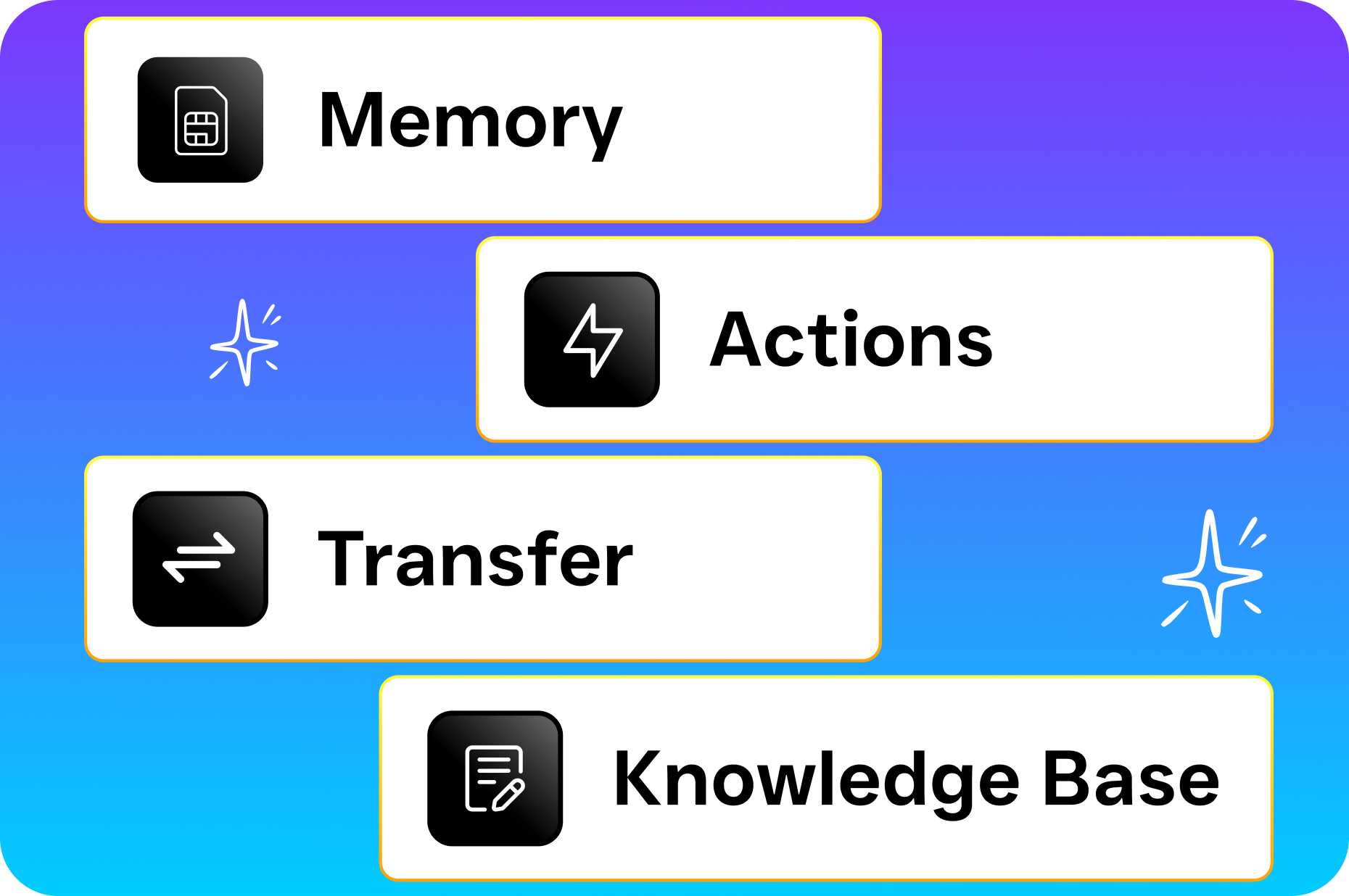
For pool companies running lean crews, an AI receptionist changes everything. Every call gets answered, even during your busiest routes. The caller hears a natural-sounding voice, gets their questions answered, and can book service. All while your team stays focused on the job at hand.
What to Look for in a Pool Service Phone System
Not every feature matters equally. Before you evaluate platforms, know which capabilities will actually move the needle for your specific business model.
Must-Have Features
- After-hours call handling: Pool emergencies don’t wait for business hours. Green pools, equipment failures, and leaks happen on weekends. Your phone system needs to capture those calls around the clock.
- Missed call text-back: When you can’t pick up, an automatic text telling the caller “Hey, we got your call and we’ll get back to you shortly” keeps them from dialing your competitor.
- Mobile-first design: You’re in a truck, not at a desk. Every feature needs to work from your phone without fumbling through complicated menus.
- Integration with field service software: If you’re using HousecallPro, ServiceFusion, or a similar scheduling tool, your phone system should sync with it so appointments and customer records stay connected.
- Call routing by schedule: Route calls to your office manager during business hours, then to an AI agent or voicemail after 5 PM. Simple rules that prevent chaos.
Nice-to-Have Features That Accelerate Growth
- AI call summaries and transcriptions: Instead of listening to 15 voicemails at the end of a long day, get a text summary of each call. You’ll know exactly who needs a callback and what they wanted.
- Appointment booking via phone or text: Let customers schedule their own service without playing phone tag.
- Lead qualification: An AI agent can ask callers screening questions, like pool size, type of service needed, and zip code, before routing them to you. That way you’re only returning calls to qualified prospects.
- Review management and payments via text: After a job, automatically text a review request or payment link. Both drive revenue and build your online presence.
What to Avoid
Stay away from systems that charge per user if you plan to grow your crew. A platform that costs $20 per user per month doesn’t sound bad with two people. But at eight technicians it’s $160 monthly before you’ve even used any advanced features. Also avoid platforms designed primarily for call centers or enterprise sales teams. Aircall, for instance, charges $30 per license and focuses on call center metrics. It emphasizes AI scorecards and QoS reporting—features that don’t help a pool tech in the field. Similarly, Dialpad lacks toll-free minutes and audio conferencing while catering to tech-forward sales organizations, not field service crews.
How SalesCaptain Helps Pool Service Companies
SalesCaptain was built specifically for service businesses like pool companies. It wasn’t repurposed from an enterprise call center tool or a marketing agency platform. It combines an AI Phone Agent, AI Chat Agents, a full business phone system, and a unified inbox into one platform. This means you don’t need to duct-tape together three or four different tools.
What does that look like in practice for a pool service operation? Your AI Phone Agent answers every call with a natural-sounding voice, 24/7. It can answer common questions about your services and pricing, qualify leads by asking about pool type and location, and book appointments directly into your schedule. Meanwhile, the missed call text-back feature sends an instant SMS to anyone you can’t answer, keeping that lead warm until you’re available.
All of your communication lives in one unified inbox. Calls, texts, webchat messages, Facebook and Instagram DMs—everything’s there. So whether a homeowner texted you last Tuesday or called yesterday, the full conversation history is right there. Your office manager, your partner, or even a seasonal hire can pick up any thread without asking “wait, what did they say before?”
The drag-and-drop call flow builder lets you set up routing rules without any technical skills. Route morning calls to your office, afternoon calls to your senior tech, and after-hours calls to the AI agent. You can customize it by season too. Tighten response times during the spring rush and adjust for slower winter months. Because SalesCaptain integrates natively with popular field service management platforms like HousecallPro and ServiceFusion, appointments booked by the AI flow directly into your existing workflow.
Pricing starts with a free Startup plan for one location. The Business plan runs $159 per month per location, not per user. So your entire team is covered at one flat rate. AI call minutes are $0.12 per minute, which is dramatically cheaper than human answering services like Smith.ai or Ruby. Those charge premium per-call or per-minute rates and still can’t automate follow-ups or book appointments without human involvement.
Key Takeaways
Choosing the best phone system for pool service companies comes down to matching the tool to how your business actually operates. You’re mobile, seasonal, and high-volume during peak months. A basic second phone line won’t scale past one person. Standard VoIP apps solve some problems but leave gaps in automation and AI. And enterprise-grade systems are overkill for most pool businesses.
- Every missed call during peak season represents potential recurring monthly revenue lost to a competitor.
- Your phone system should work from the field, integrate with your scheduling software, and handle calls when you can’t.
- AI-powered phone agents represent the most cost-effective way to ensure 24/7 call coverage without hiring office staff.
- Per-location pricing (not per-user) makes far more financial sense for growing pool companies adding seasonal technicians.
- Look for a platform that unifies calls, texts, and social messages in one place so nothing falls through the cracks.
The pool companies that win aren’t necessarily the ones with the best technicians. They’re the ones that answer the phone first, respond the fastest, and follow up the most consistently. Your phone system is the foundation for all three.
Frequently Asked Questions
How much should a pool service company spend on a phone system?
Budget depends on your team size and call volume. Basic VoIP apps run $15 to $30 per user per month. Full communication platforms with AI capabilities range from free to $159 per location per month. Avoid per-user pricing if you’re planning to hire seasonal help. Costs balloon quickly with each new technician added.
Can an AI phone agent really handle pool service calls?
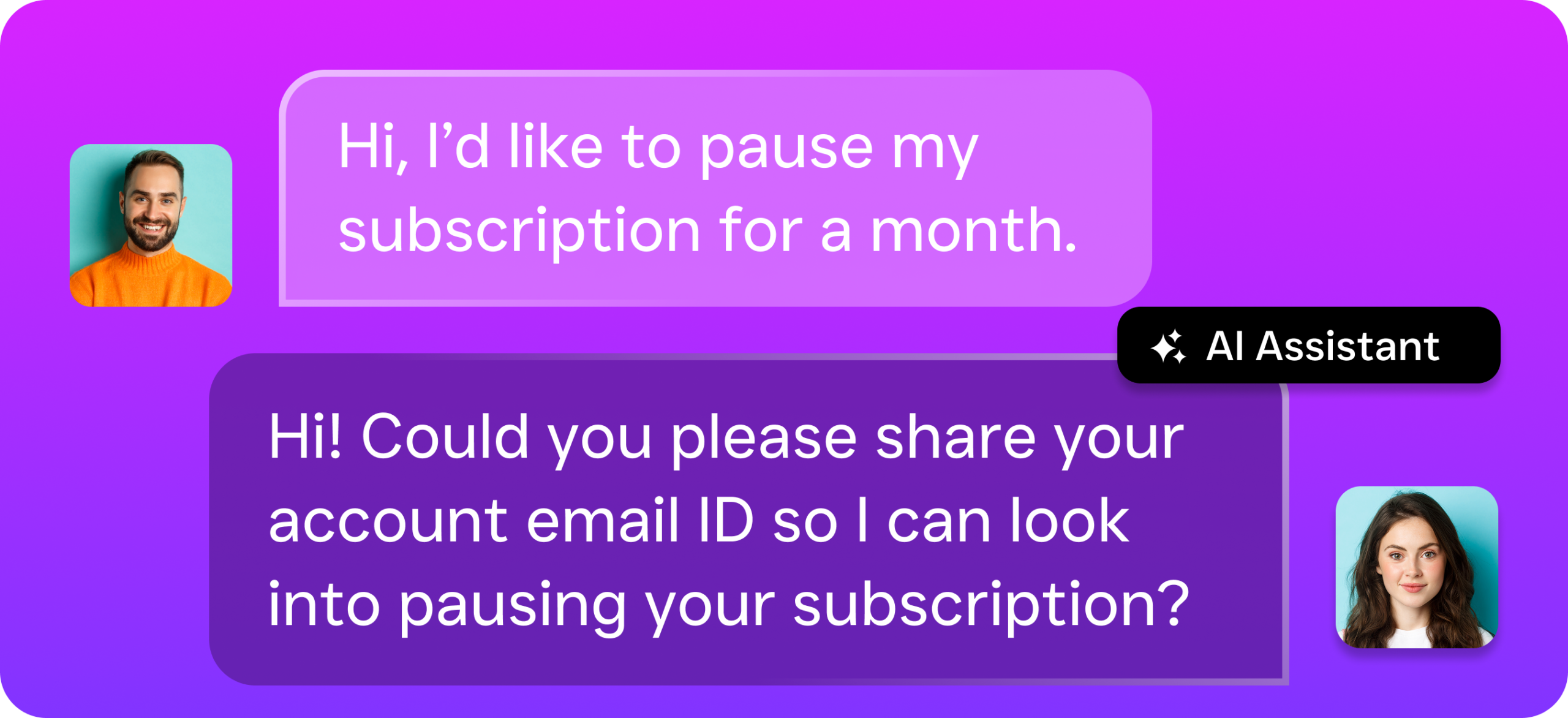
Yes. Modern AI voice agents sound natural and can answer common questions about services, pricing, and availability. They can also qualify leads by asking about pool type and service needs. Then they book appointments directly into your calendar. For routine inquiries, callers often can’t tell the difference between AI and a trained receptionist.
What happens to calls when my crew is on job sites all day?
With the right phone system, calls route based on rules you set. During business hours, they can ring your office manager or senior tech first. If nobody answers within a set number of rings, the call transfers to an AI agent or goes to voicemail with an automatic text-back. After hours, calls go straight to AI or voicemail. According to SchedulingKit’s research on missed call revenue loss, automated responses dramatically reduce the chance of losing a caller to a competitor.
Do I need a separate phone system and texting platform?
No. The best approach for pool service companies is a unified platform that handles calls, texts, webchat, and social media messages from a single inbox. Running separate tools for voice and messaging creates silos. Customer conversations get lost, especially when multiple team members need visibility into the same account.
Is it worth paying for an AI receptionist over hiring someone part-time?
Consider the math. A part-time receptionist costs $15 to $20 per hour for 20 hours a week. That’s roughly $1,200 to $1,600 per month. They still can’t work evenings or weekends. An AI phone agent costs a fraction of that and works around the clock. It never calls in sick during your busiest week of the year. For most pool companies under 10 employees, AI handles the volume at a significantly lower cost with better consistency.
Ready to see it in action?
See how pool service companies use SalesCaptain to capture every call and book more jobs.
Book a Free Demo →See How SalesCaptain Can Help Your Pool Service Business
SalesCaptain gives pool service companies a complete communication platform with AI phone agents, missed call text-back, a unified inbox, and native integrations with field service software. Plans start free. There’s no per-user pricing to worry about as your team grows.
Visit SalesCaptain.com to set up your AI phone agent and stop losing leads to missed calls today.