
AI-powered customer experience marketing (CXM) platform that helps local businesses win.


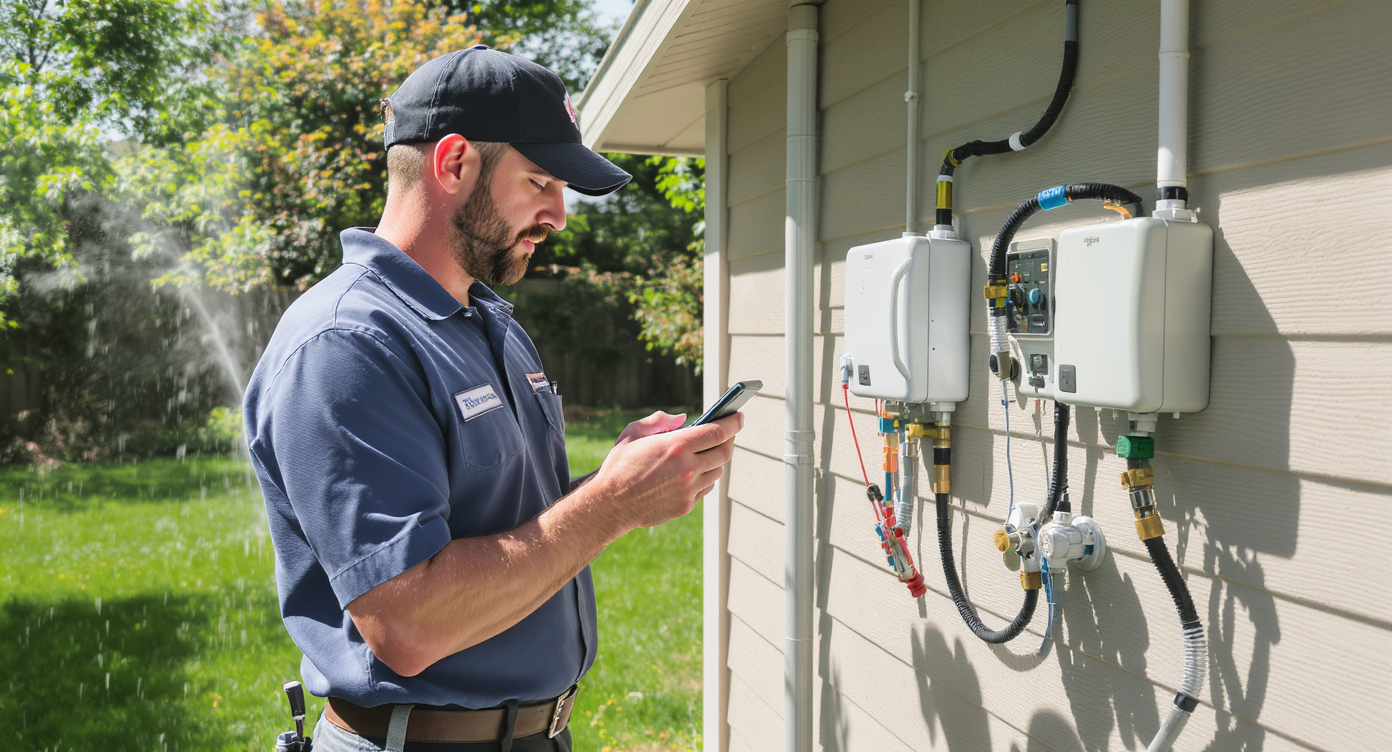
Your crew is halfway through a commercial sprinkler install when the office phone rings. Nobody answers. That missed call? A property manager booking irrigation winterization for twelve buildings. By the next morning, they’ve already hired a competitor. Finding the best phone system for irrigation companies isn’t about flashy features you’ll never touch. It’s about answering every potential customer call. Routing it right. Handling it fast. Whether your team’s in the field, in the truck, or clocked out for the day. Sound familiar?
The best phone system for irrigation companies is a cloud-based solution that routes calls to field crews, trucks, and offices automatically—ensuring no customer inquiry gets missed. Modern systems include voicemail, call recording, and AI answering to capture leads around the clock, even when your team is on-site.
What Is a business phone system for Irrigation Companies?
A business phone system manages incoming and outgoing calls, texts, and voicemails for your company. But for irrigation businesses? It’s way more than a desk phone in the office. Modern cloud-based systems run over the internet, so calls follow you to job sites, trucks, and everywhere else. They handle routing, voicemail, call recording, and increasingly, AI that answers calls when humans can’t.
Free weekly newsletter
Growth tips for service businesses
Every Tuesday — actionable ideas to get more leads, reviews, and repeat customers. No fluff.
Here’s what makes irrigation different. You’ve got seasonality. The National Association of Landscape Professionals represents an industry where demand spikes hard in spring and fall, then drops in winter. Your phone system needs to handle that swinging volume. Field crews don’t sit by desk phones. Customers call with urgent problems. Most revenue comes from phone bookings. A system that can’t keep up? That costs you money every week.
Why Your Current Phone Setup Is Costing You Jobs
Most small irrigation companies start simple: a personal cell phone, maybe a Google Voice number, and eventually a basic office landline. It works until it doesn’t. A few missed calls here. A forgotten callback there. Then one day you realize you’re losing 20-30% of incoming leads because nobody picked up.
The Real Cost of Missed Calls
According to research from Aira, 62% of business calls go unanswered. The annual revenue impact? $126,000. For an irrigation company running tight margins during peak season, even a portion of that stings. Synvola’s analysis reinforces the same thing: most customers won’t leave voicemail. They’ll call your competitor instead.
Think about spring startup season. Homeowners and property managers are all calling during the same two-week window. Your office manager’s already on a call. The next three callers hear voicemail. Maybe one leaves a message. The other two? Gone to someone else. Multiply that across the season. You’re looking at thousands in lost revenue from a problem you could prevent.
Field Crew Communication Gaps
Irrigation work creates a unique challenge. Technicians are spread across multiple job sites in areas with spotty cell service. Customers call about emergency repairs, scheduling changes, or warranty questions. Without a proper system, those calls bounce around personal phones. They get lost. Or they just ring out. A modern phone system centralizes everything into one number with smart routing. The right person gets the right call every time.
Features That Actually Matter for Irrigation Businesses
Not every phone feature matters to your work. Video conferencing? No. AI call scorecards? Probably not. But certain capabilities directly impact whether you capture more jobs or lose them. Here’s what actually counts.
- 24/7 call answering or AI voice agents: Irrigation emergencies don’t wait for business hours. A broken mainline at 9 PM needs immediate attention. Your phone system should handle after-hours calls with more than just a voicemail box.
- Missed call text-back: When you can’t answer, an automatic text to the caller keeps them engaged. Something as simple as “Thanks for calling, we’ll get back to you within 15 minutes” dramatically reduces lost leads.
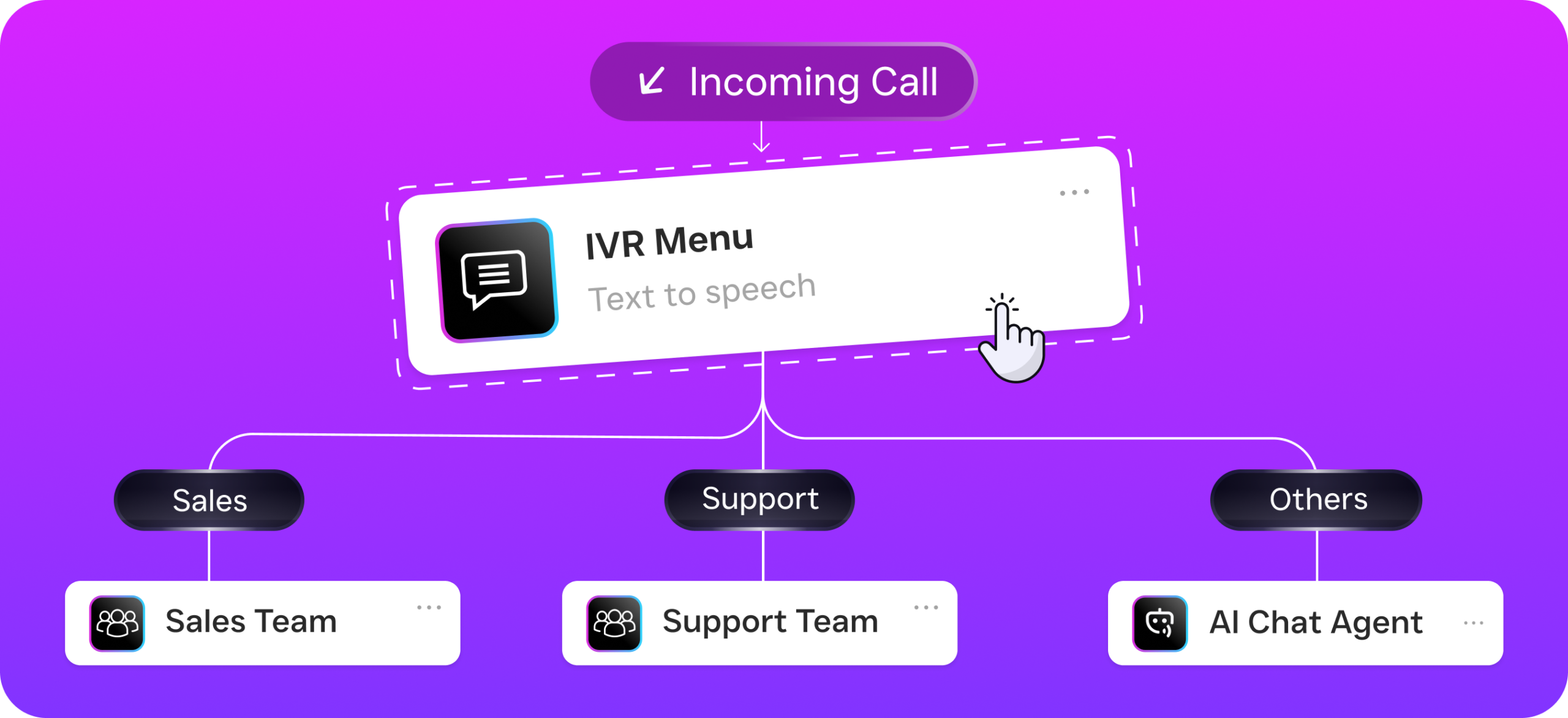
- Call routing and IVR: Route service calls to your service manager, new project inquiries to your sales person, and billing questions to the office. Don’t force every call through one bottleneck.
- SMS and text messaging: Business phone system statistics from Calilio show that texting is now a primary communication channel for customers. Appointment confirmations, on-the-way notifications, and invoice reminders all work better over text.
- Appointment booking: Whether it’s a spring startup, mid-season repair, or fall blowout, the ability to book directly from a call or text reduces the back-and-forth that slows down scheduling.
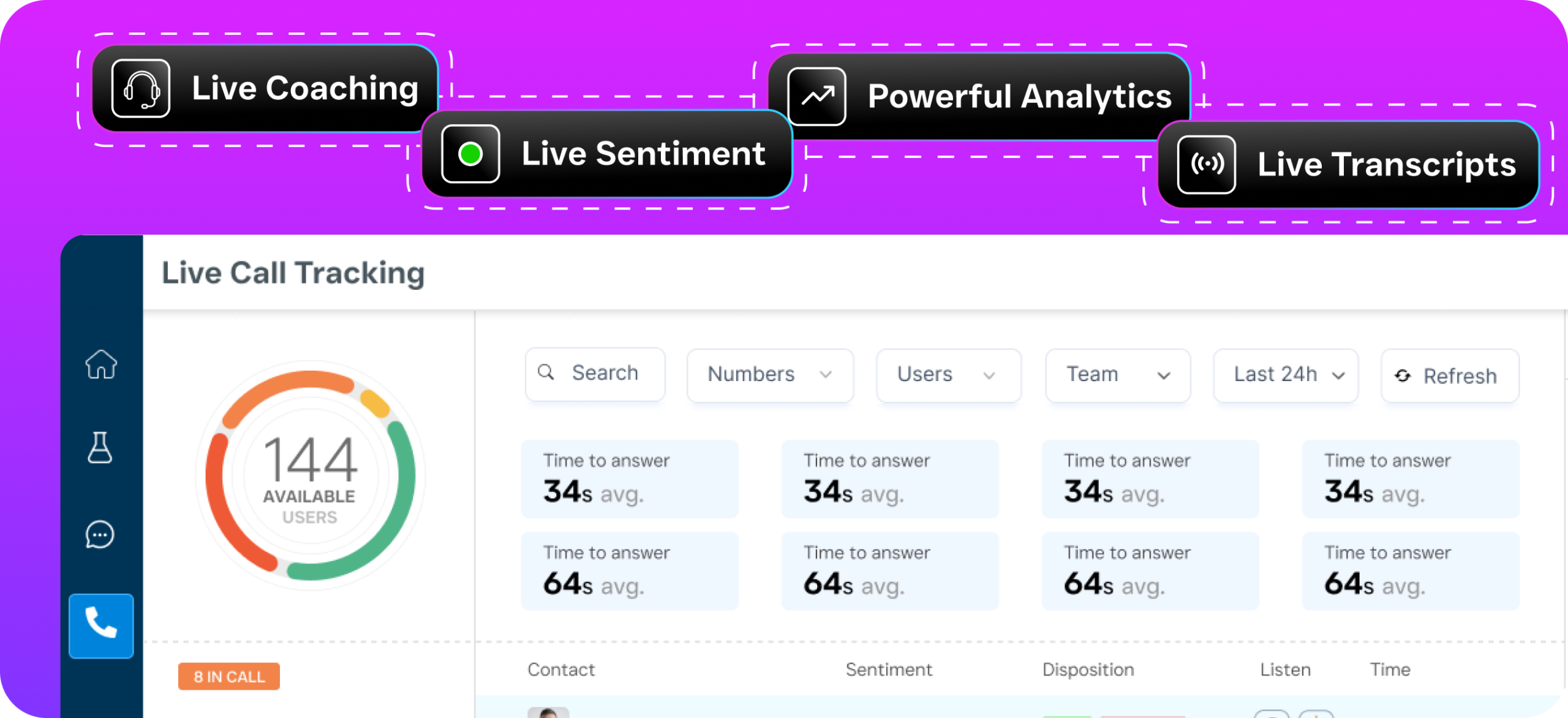
- Call recording and transcription: When a customer disputes what was discussed about their system design, you’ve got the recording. Transcriptions also help you train new office staff on how to handle common irrigation questions.
Compare this to generic phone systems. RingCentral and 8×8 are built for office environments, not field service. They include video conferencing suites and corporate directories that add complexity without solving your core problem: capturing and converting more irrigation leads.
How to Evaluate and Choose the Right System
Choosing the best phone system comes down to one thing. Match your operational reality with the right technology. Here’s a practical framework for making that decision.
Match the System to Your Season
Irrigation is inherently seasonal. Your call volume in April might be ten times January. Per-user pricing models from providers like Aircall at $30 per license or Dialpad at $15 per user add up fast with seasonal staff. Per-location pricing stays flat regardless of how many people answer phones. That’s a meaningful difference when you’re scaling up crews for spring and scaling back down for winter.
Prioritize Mobile-First Design
Your office manager might have a desk. But your crew leads, technicians, and sales reps are in the field. Any system needs to work flawlessly on mobile devices. Look for apps that let your team make and receive calls from the business number on their personal phones, so customers never see a random cell number. Also check whether the platform supports SMS from that same number, since texting is now the default for scheduling confirmations and job updates.
Don’t Overlook After-Hours Coverage
According to SchedulingKit’s analysis of missed call revenue loss, the majority of unanswered calls happen outside normal business hours. For irrigation companies, that’s a real problem. Homeowners notice sprinkler issues in the evening when they’re in their yard. Property managers call early in the morning before their workday starts. AI virtual receptionists have emerged as a cost-effective alternative to answering services. They handle after-hours calls with natural-sounding voice AI that can book appointments, answer common questions, and route urgent issues.
Integration With Your Existing Tools
If you’re running HousecallPro, ServiceFusion, or another field service platform, your phone system should sync with it. Manual data entry between systems is a recipe for errors and wasted time. Look for native integrations or at minimum, Zapier connectivity that pushes call data into your CRM or job management software automatically.
How SalesCaptain Helps Irrigation Companies
SalesCaptain was built for your exact challenges: high call volume during peak season, field crews that can’t answer phones, and after-hours inquiries that need immediate responses. It combines an AI phone agent, AI chat agents, and a collaborative inbox. All built for service businesses.
The AI Phone Agent answers calls 24/7 with natural-sounding voice AI. It doesn’t just take messages. It qualifies leads by asking the right questions. Books appointments based on your availability. Answers frequently asked questions about your services. Blocks spam calls that waste your team’s time. For an irrigation company during spring rush? Every call gets handled even if your office line is already busy.
Beyond voice, SalesCaptain’s unified inbox pulls together calls, texts, webchat messages, and social media DMs into one place. Your office manager sees everything in a single view instead of juggling between apps. Workflow automation handles follow-up sequences automatically. When a new lead calls about a sprinkler installation, the system sends an automatic text confirmation. It triggers a CRM update in HousecallPro or ServiceFusion. It schedules a reminder for your sales rep to follow up. All without anyone lifting a finger.
Pricing scales sensibly too. SalesCaptain offers a free startup plan for a single location, with the business plan at $159 per month per location. AI call minutes run $0.12 each. For a multi-location irrigation company? That per-location model is far more affordable than per-user platforms where adding seasonal staff spikes your monthly bill. The business phone system market continues to grow rapidly, and SalesCaptain’s approach of combining AI voice agents with a full phone system in one tool represents where the industry is heading.
Key Takeaways
The best phone system for irrigation companies isn’t the one with the most features. It’s the one that captures every call during your busiest season. Routes urgent service requests to the right technician. Keeps leads engaged even when nobody’s in the office. A basic landline or personal cell phone can’t do that. Neither can an enterprise system built for corporate offices.
- Missed calls during peak season directly translate to lost revenue that compounds over weeks and months.
- Per-location pricing beats per-user pricing for seasonal businesses that scale staff up and down.
- AI-powered call answering and missed call text-back are no longer optional, they’re the baseline for competitive service businesses.
- Your phone system should integrate with your field service management software to eliminate manual data entry.
- After-hours coverage is critical because homeowners and property managers call outside of 9-to-5.
Irrigation companies that invest in the right communication infrastructure don’t just answer more calls. They book more jobs. They retain more customers. And they grow without hiring additional office staff for every incremental increase in volume.
Frequently Asked Questions
Can an AI phone agent really handle irrigation-specific questions from customers?
Yes. AI phone agents like SalesCaptain’s are trained on your specific business information, including your service areas, pricing ranges, service types (installation, repair, blowouts, startups), and scheduling availability. You configure the agent with your FAQs. So when a customer asks “Do you service commercial properties?” or “How much does a winterization cost?”, the AI provides accurate answers based on what you’ve set up. It won’t guess or make things up.
What happens if my area has poor cell service at job sites?
Cloud-based phone systems route calls through your business number regardless of whether individual team members have signal. If a technician’s phone doesn’t connect, the system follows the call flow you’ve configured. It forwards to another team member, sends the caller to the AI agent, or triggers a missed call text-back. The caller’s experience stays consistent even when your crew is in a dead zone.
How much should an irrigation company expect to spend on a phone system?
Costs vary widely. Per-user platforms can run $15-$30 per user per month, which adds up fast with seasonal staff. Per-location models like SalesCaptain’s business plan at $159 per month cover your entire team at that location. According to SoundCurve’s small business phone system guide, cloud-based systems generally cost less than traditional on-premise setups while offering far more flexibility.
Do I need to keep my existing business phone number?
Most modern phone systems support number porting, which means you can transfer your existing business number to the new platform. This matters for irrigation companies that have had the same number on trucks, business cards, and local listings for years. The transition typically takes a few business days. You won’t lose any calls during the process.
Is an AI phone agent better than a traditional answering service for irrigation companies?
Traditional answering services like Smith.ai or Ruby use human receptionists, which means higher per-minute costs and limited scalability during peak season. An AI agent handles unlimited simultaneous calls at a fraction of the cost. It doesn’t need training when your services change. And it can directly book appointments into your calendar. For a seasonal business where call volume spikes unpredictably, AI provides more consistent coverage without the staffing constraints.
Ready to see it in action?
See how irrigation companies use SalesCaptain to capture every customer call and quote request automatically.
Book a Free Demo →See How SalesCaptain Can Help Your Irrigation Business
SalesCaptain gives irrigation companies a 24/7 AI phone agent, unified inbox, and workflow automation built specifically for service businesses. Stop losing leads to missed calls and start capturing every opportunity, even during your busiest season.
Visit SalesCaptain.com to start for free and see the difference in your first week.