
AI-powered customer experience marketing (CXM) platform that helps local businesses win.


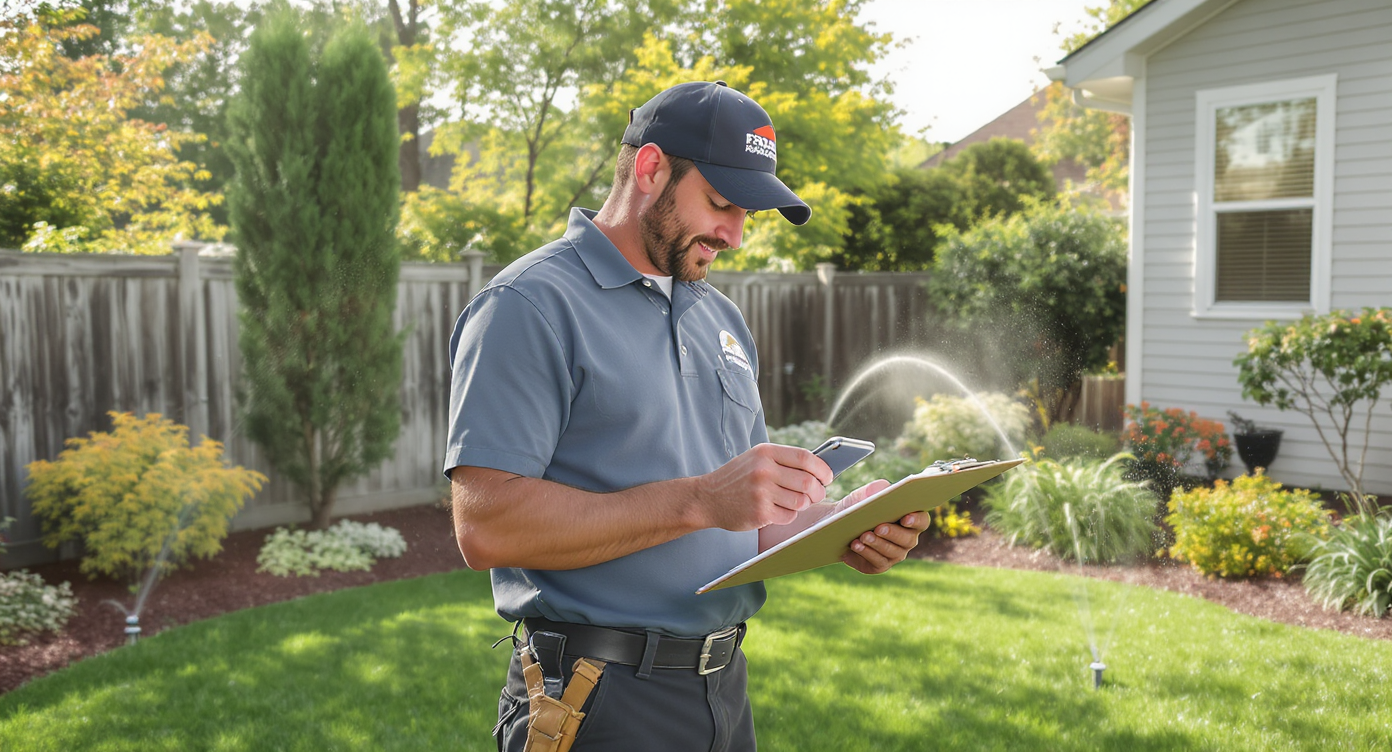
You’re on a job site running a sprinkler system repair when your phone buzzes three times in a row. By the time you check, it’s two voicemails and a hang-up. One of those callers already booked with your competitor. Sound familiar? Learning how to reduce missed calls for irrigation companies isn’t just a nice idea. It’s the difference between a full schedule and lost revenue you’ll never recover.
Reducing missed calls for irrigation companies means capturing every inbound call through systems like call routing, voicemail-to-text transcription, and automated responses. When customers can’t reach you live, automated callbacks or text messages acknowledge their call immediately, preventing them from booking competitors and recovering lost revenue during peak seasons.
Quick Answer
Irrigation companies can reduce missed calls by implementing a dedicated phone system with call routing, hiring a part-time receptionist or virtual assistant, setting up automated call scheduling for off-hours, and training staff on call protocols. Using call tracking software to monitor patterns helps identify peak times, while call queuing systems ensure no customer inquiry goes unanswered during busy seasons.
What Are Missed Calls and Why Do They Matter for Irrigation Companies?
A missed call is any inbound call your business doesn’t answer live. That includes calls that go to voicemail, ring out without pickup, or drop because the caller hangs up before anyone answers. For irrigation companies, these calls tend to come in bursts. A sudden freeze warning hits. The first warm week of spring arrives. A broken backflow preventer floods your phone lines with urgent requests.
Free weekly newsletter
Growth tips for service businesses
Every Tuesday — actionable ideas to get more leads, reviews, and repeat customers. No fluff.
Here’s why this hits harder than you’d expect. Research shows a significant percentage of business calls go unanswered, and most callers won’t leave a voicemail or try again. They’ll just call the next company on their list. For a seasonal business like irrigation where your revenue window is compressed into a few months, every unanswered call during peak season can represent hundreds of dollars in lost work. And the numbers get worse when you factor in lifetime customer value and referrals. According to recent analysis on the cost of missed calls, the financial impact compounds quickly.
Why Irrigation Companies Miss So Many Calls
Before you can fix the problem, you need to understand what’s causing it. Irrigation businesses face a unique set of challenges that make missed calls almost inevitable without the right systems in place.
Seasonal Call Volume Spikes
Spring startup and fall winterization create massive call surges over just a few weeks. Your team might handle ten calls a day in January. Then April hits—eighty per day. Staffing for peak volume means paying people to sit idle during the off-season. Most small irrigation companies simply can’t afford that. So calls get missed during the exact window when revenue matters most.
Fieldwork Takes Priority
Your technicians and even your office staff are often hands-deep in installs, trenching, or system diagnostics. Answering the phone while operating a boring machine or programming a Rain Bird controller isn’t realistic. Yet your customers expect an immediate response, especially when water is pooling in their yard or a zone won’t turn off.
After-Hours and Weekend Demand
Homeowners notice irrigation problems when they’re home. That means evenings and weekends. But most irrigation companies don’t staff phones outside business hours. Data on missed-call revenue loss confirms that after-hours calls represent a disproportionate share of new customer inquiries. These are motivated buyers who’ve just discovered a problem and want it solved now.
Limited Office Staff
According to the U.S. Census Bureau’s small business data, the vast majority of service businesses operate with fewer than twenty employees. Many irrigation companies run with one or two people. One person handles phones, scheduling, and dispatch. When that person is already on a call, eating lunch, or handling a walk-in, every other caller goes to voicemail.
📺 Watch: Missed Call Text Back Setup in 5 Minutes
Proven Strategies to Reduce Missed Calls
Reducing missed calls doesn’t require hiring a full reception team. It requires building systems that catch calls your team can’t. Here are the approaches that work best for irrigation companies specifically.
Set Up Automatic Call Routing and IVR
A basic phone tree, also called an IVR, routes callers to the right person without a receptionist. For an irrigation company, this might look like: press one for scheduling, press two for emergency service, press three for billing. Even a simple setup prevents callers from sitting on hold or giving up. Your IVR should also include overflow rules. If one person doesn’t answer within three rings, the call rolls to the next available team member.
Use Missed-Call Text-Back
When you can’t answer, an automated text sent within seconds keeps the conversation alive. Something like “Hey, we missed your call! How can we help?” gives the customer immediate acknowledgment. Most people will respond to a text even if they won’t leave a voicemail. This single tactic can recover a significant portion of otherwise lost leads.
Deploy an AI Phone Agent for 24/7 Coverage
Traditional answering services use human operators who read from scripts. They’re expensive per minute. And they can’t answer irrigation-specific questions like “Do you service Hunter controllers?” or “Can you blow out my system this week?” An AI phone agent handles these conversations naturally. It answers instantly, qualifies the lead, books appointments, and sends you a summary. No hold times, no callbacks, no missed opportunities.
Consolidate Your Communication Channels
If your calls go to one place, texts to another, Facebook messages to a third, and emails somewhere else, things fall through the cracks. A unified inbox pulls everything into one view. Nothing gets lost. Your team sees every customer interaction regardless of channel, which means faster responses and fewer dropped conversations.
Automate Follow-Up Workflows
Even when you do miss a call, what happens next matters. Automated workflows can trigger a sequence of follow-ups: an immediate text, a follow-up message the next morning, and an internal notification to your sales person. What does that look like in practice?
- Immediate: Automated text acknowledging the missed call and asking how to help
- 15 minutes later: If no response, send a second message with a link to your online booking page
- Next morning: Internal alert to your office manager to follow up personally
- 48 hours: Final automated text with a seasonal promotion or service reminder
This kind of structured follow-up recovers leads that would otherwise disappear. According to Voksha’s guide on missed-call costs, businesses that respond within five minutes are dramatically more likely to convert leads compared to those that wait even thirty minutes.
Matching Your Strategy to Irrigation Seasonality
Irrigation isn’t like plumbing or HVAC where demand is relatively steady. Your call patterns follow a predictable cycle. And your phone strategy should too. During spring startup season, you need maximum call capacity: AI agents handling overflow, missed-call text-back running around the clock, and automated scheduling to keep your crews booked without phone tag.
Summer brings a different pattern. Calls shift toward repairs, zone adjustments, and warranty questions. Many of these are quick FAQ-type calls that don’t need a human at all. An AI agent trained on your service offerings can handle “What does a mid-season checkup cost?” or “Do you work on Toro systems?” without pulling your team off a job.
Fall winterization is another sprint. The window is narrow, typically just four to six weeks depending on your climate zone. The National Association of Landscape Professionals emphasizes how compressed service windows create staffing challenges across the green industry. During this period, every missed call is a customer who might not get serviced before the first freeze. That means lost revenue and a dissatisfied homeowner who won’t call you back next year.
Winter is your planning phase. Call volume drops. But you’ll still get inquiries about spring reservations, quotes for new installs, and the occasional emergency. Having 24/7 coverage even during the slow season signals professionalism and captures early-bird customers who plan ahead.
How SalesCaptain Helps
SalesCaptain was built for exactly this kind of challenge. Its AI Phone Agent answers calls around the clock with natural-sounding conversation, not robotic script reading. It can qualify leads by asking about property size, system type, and service needed. Then it books appointments directly into your schedule. Spam calls get blocked automatically so your call log isn’t cluttered with junk.
Beyond voice, SalesCaptain’s AI Chat Agents handle SMS, webchat, Instagram DMs, and Facebook Messenger from one unified inbox. So when a homeowner texts “my sprinklers won’t turn off” at 9 PM, they get an instant response and a booking link. Your team sees every conversation across every channel in one place the next morning.
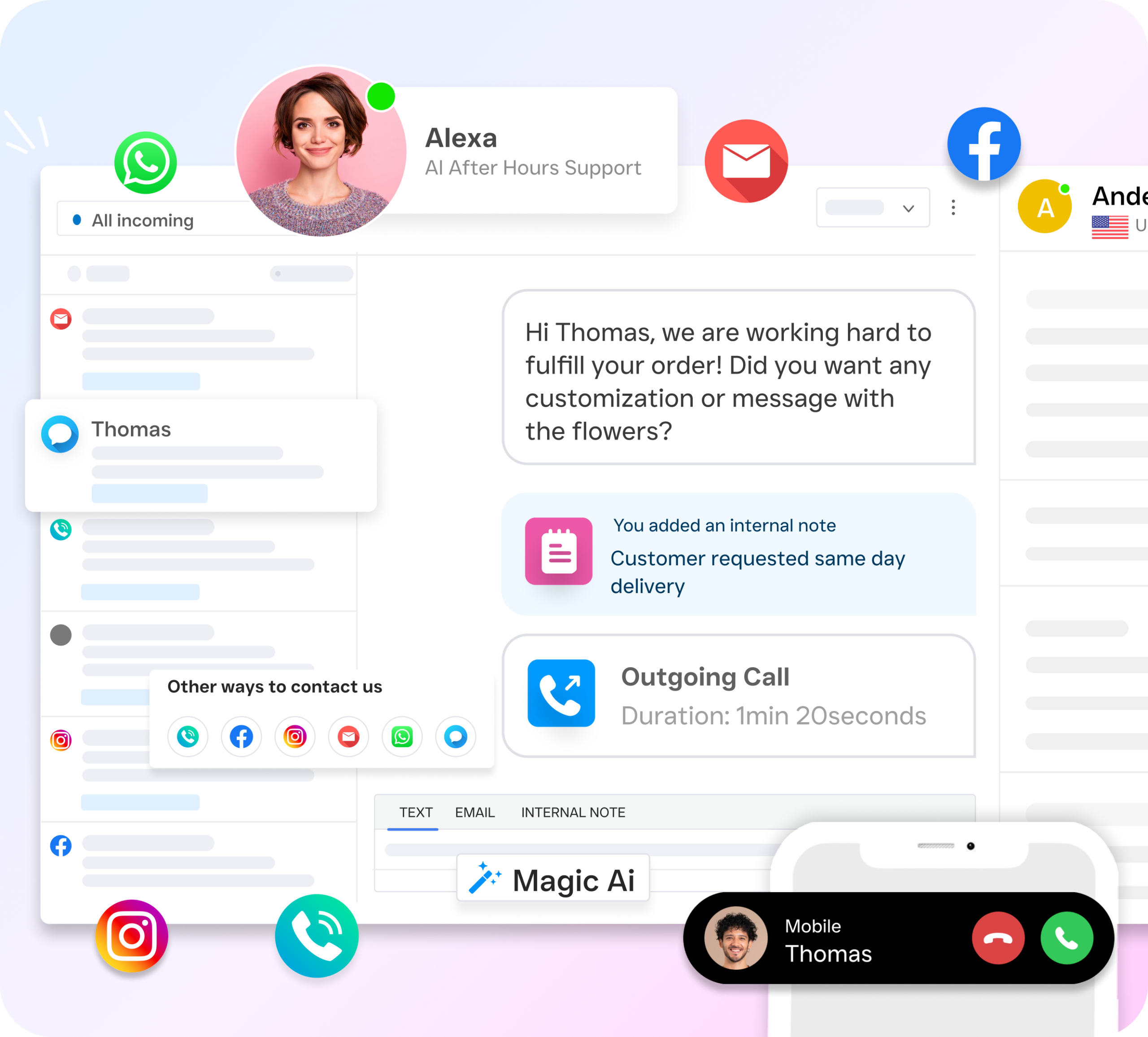
The platform’s workflow automation builder lets you create multi-step follow-up sequences without writing code. That’s a huge advantage. SalesCaptain also integrates with tools irrigation companies already use, including HousecallPro for dispatching, QuickBooks for invoicing, and Zapier for connecting anything else. Pricing starts with a free plan for a single location. Paid plans run $159 per month per location, making it accessible even for a two-truck operation.
Key Takeaways
Reducing missed calls for irrigation companies requires a combination of smart call routing, automated text-back, AI-powered phone coverage, and structured follow-up workflows. The seasonal nature of irrigation work makes this even more critical. Your revenue window is short and every unanswered call during peak season has an outsized financial impact.
Here are the essentials to remember:
- Set up IVR and call routing so no call dead-ends at a single busy line
- Use missed-call text-back to keep leads engaged even when you can’t answer
- Deploy an AI phone agent for 24/7 coverage without the cost of human staff
- Consolidate all communication channels into a unified inbox to eliminate blind spots
- Build automated follow-up workflows that respond faster than any competitor
- Adjust your phone strategy to match irrigation seasonality, scaling up coverage during spring and fall sprints
The irrigation companies that win aren’t necessarily the best at installation or repair. They’re the ones that answer the phone.
Frequently Asked Questions
How many calls does a typical irrigation company miss per week?
It varies by season. But during spring startup and fall winterization, small irrigation companies with one or two office staff commonly miss 30% or more of inbound calls. Industry data on unanswered business calls shows this is consistent across service businesses that rely on a small team to handle phones.
Will customers actually respond to an automated text after a missed call?
Yes, they’ll. Text response rates are significantly higher than voicemail callback rates. Most customers prefer texting to leaving a voicemail, especially for non-emergency service requests. A well-written missed-call text-back message that includes your business name and a simple question typically gets a reply within minutes.
Can an AI phone agent really handle irrigation-specific questions?
Modern AI phone agents can be trained on your specific services, brands you work with, service area, pricing structure, and scheduling availability. They won’t replace a master irrigator’s expertise. But they can absolutely handle first-contact conversations like qualifying leads, answering common questions, and booking appointments.
What’s the cost difference between an AI agent and a human answering service?
Human answering services typically charge $1 to $2 per minute or $1 to $5 per call, plus setup fees. For a busy irrigation company during peak season, that can easily reach $500 to $1,500 per month. An AI phone agent like SalesCaptain’s runs at $0.12 per minute with no per-call fees. So it usually works out to a fraction of the cost while providing better coverage.
Do I need technical skills to set up call routing and automation?
Not with the right platform. SalesCaptain uses a drag-and-drop call flow builder and visual workflow automation. You can set up IVR menus, after-hours routing, missed-call text-back, and follow-up sequences without any coding or technical background. Most businesses get fully configured within a day.
Ready to see it in action?
See how irrigation companies use SalesCaptain to capture every missed call and book jobs automatically.
Book a Free Demo →See How SalesCaptain Can Help Your Irrigation Business
Stop losing customers to missed calls. SalesCaptain’s AI Phone Agent answers every call 24/7, books appointments, and qualifies leads while you’re in the field. Pair it with a unified inbox, automated follow-ups, and a full business phone system starting with a free plan.