
AI-powered customer experience marketing (CXM) platform that helps local businesses win.


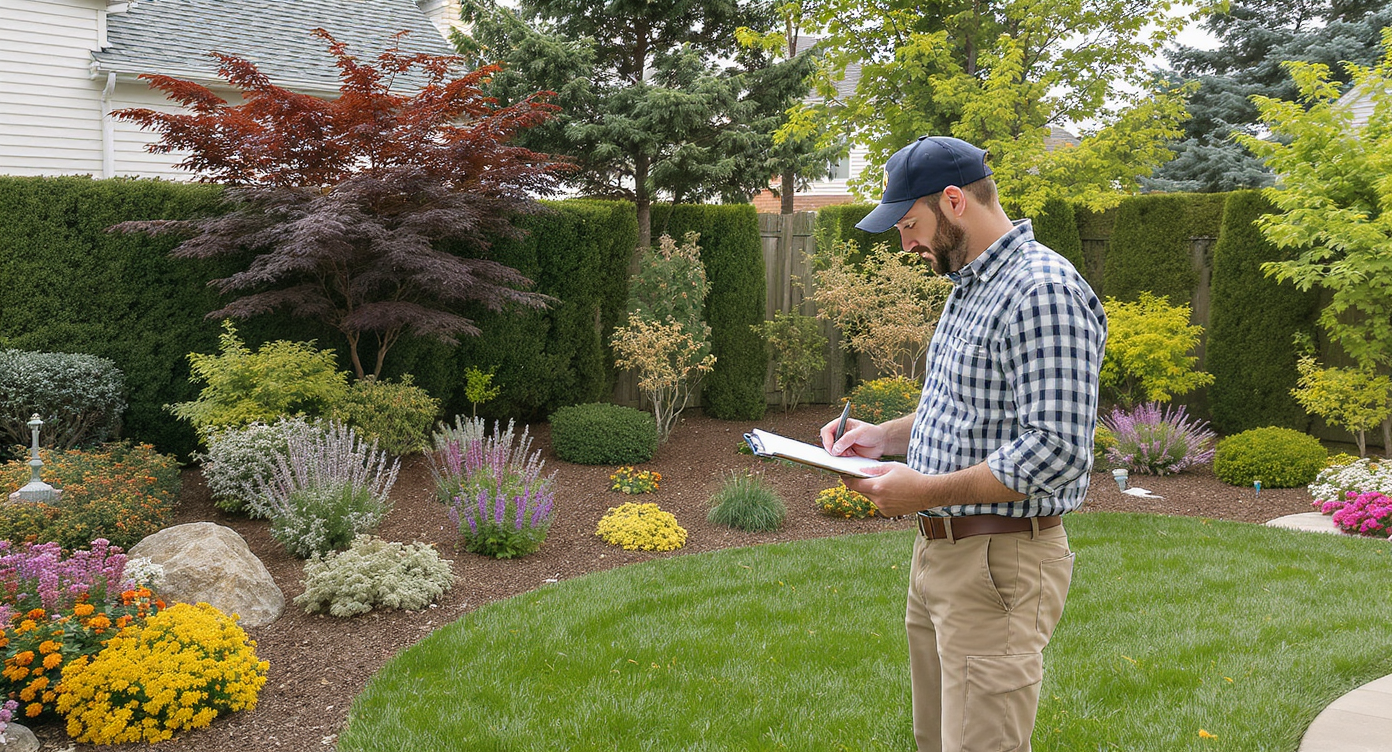
A homeowner requests a quote for a full backyard redesign. Your crew is on-site, phones are buzzing, and the estimate sits in someone’s inbox for three days before anyone follows up. By then, the homeowner already signed with a competitor who texted back in ten minutes. Sound familiar? That scenario plays out constantly across the landscaping industry, and it’s exactly the kind of revenue leak that customer follow up software for landscaping companies is designed to stop.
Customer follow up software for landscaping companies automates text messages, emails, and reminders to leads and clients after initial contact. It organizes conversations in one place, sends quote reminders, schedules seasonal check-ins, and eliminates missed follow-ups that cost you jobs to competitors.
What Is Customer Follow Up Software for Landscaping Companies?
Customer follow up software is a system that automates the process of reaching back out to leads, prospects, and existing clients after an initial interaction. For landscaping companies specifically, that means automating texts after a missed call, sending quote reminders, scheduling seasonal service check-ins, and keeping every conversation organized in one place. Instead of relying on sticky notes or a crew leader’s memory, the software handles the repetitive outreach that actually closes jobs. It’s the difference between losing deals and winning them.
What makes this category different from a generic CRM is the communication layer. A spreadsheet can store contact info. But it won’t text a prospect who called during a mowing job. It won’t send a reminder three days after you emailed a quote. Follow up software bridges the gap between capturing a lead and actually converting that lead into revenue, which is where most landscaping businesses lose money.
Why Landscaping Companies Lose Revenue Without Systematic Follow Up
Landscaping is seasonal, high-volume, and heavily referral-driven. Those three traits make follow up both critical and easy to neglect. During peak season, a mid-size company might field 30 to 50 inbound calls per week. According to research from Aira, 62% of business calls go unanswered. For a landscaping company running crews in the field, that number is probably even higher.
The Real Cost of Slow Response
Speed matters more than most owners realize. Yesware’s sales follow up data shows that the odds of qualifying a lead drop dramatically after the first hour. Yet most landscaping companies don’t respond to quote requests for a day or more. Every hour of delay is a direct advantage handed to the competitor who responds faster. That’s lost revenue walking out the door.
The financial impact compounds quickly. A single residential landscaping job averages $3,000 to $8,000, and commercial contracts run far higher. Lose just two or three jobs per month to slow follow up, and you’re looking at $10,000 or more in missed annual revenue per crew. Lifewire reports that 27% of small businesses fail at customer follow up entirely, meaning they never respond at all to a significant chunk of their leads.
Seasonal Pressure Makes It Worse
Spring and summer bring a flood of inquiries right when your team is most stretched. Without automation, follow up becomes the first thing that gets dropped. Ironically, it’s the activity with the highest ROI. A landscape company that responds to every lead within five minutes during peak season has a massive competitive edge over one that “gets back to people when things slow down.” The difference shows up in your bottom line.
What to Look for in Follow Up Software Built for Service Businesses
Not every tool on the market fits the way landscaping companies actually operate. Your team is mobile, your customers expect fast replies, and you’re juggling estimates, scheduling, and invoicing simultaneously. What does that look like in practice? Here’s what separates useful software from tools that’ll just collect dust.
- Automated text-back on missed calls: When a call goes unanswered, the system should immediately text the caller. This single feature recovers leads that would otherwise disappear.
- Multi-channel communication: Customers reach out via phone, text, Facebook, Instagram DMs, and website chat. Your software needs to capture all of those in one view.
- Workflow automation for follow up sequences: You shouldn’t manually send a “just checking in” text three days after a quote. The system should trigger that automatically based on time elapsed or customer action.
- Appointment booking: The goal of follow up is booking the next step. Software that connects directly to your calendar removes friction from the process.
- Integration with existing tools: If you’re already using HousecallPro, ServiceFusion, or QuickBooks, your follow up software needs to sync with those systems so data doesn’t live in silos.
- Mobile-friendly interface: Your office is a truck cab. The platform has to work well on a phone, not just a desktop.
One trap to avoid: picking software that’s really a full CRM disguised as a communication tool. Many landscaping owners sign up for platforms like HubSpot or Salesforce thinking they’ll solve follow up, only to spend weeks configuring pipelines they don’t need. According to the National Association of Landscape Professionals, the average landscaping company has between 5 and 20 employees. That size doesn’t need enterprise-grade CRM complexity. You need fast, reliable communication automation.
Best Practices for Landscaping Customer Follow Up
Having software is step one. Using it well is what actually drives revenue. Here are the follow up practices that separate landscaping companies closing 40% of their estimates from those closing 15%.
Respond to Every Lead Within Five Minutes
This is the single highest-impact change you can make. Fit Small Business reports that responding within five minutes makes you 100x more likely to connect with a prospect compared to waiting 30 minutes. For landscaping companies, an AI text-back or chat agent can handle that initial response even while your team is operating equipment. You don’t need to stop work to win the deal.
Build a Follow Up Sequence for Every Quote
Don’t send one estimate and hope for the best. Set up an automated sequence that looks something like this:
- Day 0: Send the estimate along with a friendly text confirming receipt.
- Day 2: Automated text asking if they have questions about the proposal.
- Day 5: Follow up call or voicemail (can be automated with an AI phone agent).
- Day 10: Final check-in text with a soft deadline or seasonal incentive.
Most landscaping companies stop after step one. They send the quote and wait. But the companies that build this sequence into their software close significantly more work without spending any extra time on manual outreach. That’s the real power here.
Automate Seasonal Reactivation Campaigns
Your past customers are your best source of recurring revenue. Yet most companies wait for clients to call back in the spring. A better approach is to send an automated text or email in late winter to last year’s clients, offering early-bird pricing for spring cleanups or lawn care contracts. This isn’t cold outreach. It’s re-engaging people who already trust your work. Belkins’ research on follow up confirms that repeat customer outreach has dramatically higher conversion rates than new lead generation.
Track Every Interaction in One Place
If your office manager handles calls, your foreman texts from a personal phone, and estimates go out via email, nobody has the full picture. Centralizing all communication in a single inbox means anyone on your team can pick up a conversation exactly where it left off. No more “I thought you called them back” conversations.
How SalesCaptain Helps Landscaping Companies Automate Follow Up
SalesCaptain was built for exactly this kind of business. It combines AI phone agents, AI chat agents, and a unified inbox into one platform, which means every call, text, webchat message, and social media DM lands in a single collaborative view your whole team can access. Everything’s in one place.
Here’s how it works in a typical landscaping operation. A potential customer calls about a patio installation at 6:30 PM, well after your office closes. SalesCaptain’s AI Phone Agent picks up, answers common questions about your services, and books an estimate appointment directly on your calendar. If the caller hangs up before connecting, the missed call text-back feature sends an immediate SMS so the lead doesn’t go cold overnight. No lead gets lost.
During the day, your AI Chat Agents handle incoming messages across SMS, webchat, Instagram, and Facebook Messenger. They respond instantly, capture lead details, and book appointments without pulling your team away from job sites. Once a lead enters your pipeline, SalesCaptain’s workflow automation builder triggers your follow up sequence automatically. You build it once with a drag-and-drop interface, and every estimate gets the same consistent follow up. It’s hands-off.
The platform integrates natively with tools landscaping companies already use, including HousecallPro, ServiceFusion, QuickBooks, and Zapier for connecting anything else. Pricing starts with a free plan for a single location, and scales at $159 per month per location for multi-location businesses. There’s no per-user fee structure that punishes you for growing your team.
Compared to alternatives like Podium or Birdeye, SalesCaptain offers capabilities they don’t, including a power dialer, real-time speech analytics, post-call analytics, and internet fax. Birdeye in particular lacks call routing, IVR, call flow building, and any AI for calls. And unlike platforms like HighLevel, there’s no steep learning curve or agency-oriented complexity to wade through. You can actually use it.
Key Takeaways
Customer follow up software for landscaping companies isn’t a luxury or a “nice to have.” It’s the difference between converting 15% of your estimates and converting 40%. The landscaping businesses that grow fastest aren’t necessarily the best at mowing or hardscaping. They’re the best at responding quickly, following up consistently, and never letting a lead slip through the cracks. That’s where the money is.
- Speed of response is the strongest predictor of whether a lead becomes a customer.
- Automated text-back on missed calls recovers leads that would otherwise be lost permanently.
- Quote follow up sequences should be automated, not manual, so they happen every time without fail.
- Seasonal reactivation of past customers drives recurring revenue with minimal effort.
- A unified inbox prevents communication from scattering across personal phones, email accounts, and social channels.
The right software doesn’t replace your team. It makes sure the work your team does on job sites actually converts into booked revenue by handling the follow up that nobody has time to do manually. And that’s everything.
Frequently Asked Questions
How quickly should a landscaping company respond to a new lead?
Within five minutes or less. Follow up statistics from Data.com consistently show that response time is the single biggest factor in lead conversion. An AI text-back or chat agent can handle this automatically, even when your crews are in the field. You don’t need to be glued to your phone.
Can follow up software work for a landscaping company that doesn’t have an office staff?
Yes. That’s actually the ideal use case. AI phone agents and automated text sequences handle the communication that would normally require a dedicated receptionist. You don’t need to hire office staff to get professional, consistent follow up. The software becomes your receptionist.
What’s the difference between a CRM and customer follow up software?
A CRM stores customer data and tracks deals through a pipeline. Follow up software actively communicates with those customers through calls, texts, and messages. Some platforms, like SalesCaptain, combine both functions so you don’t need separate tools. A CRM alone won’t text a lead who called while you were on a job site. That’s where you lose deals.
How many follow ups should I send after sending a landscaping estimate?
Three to four over the course of ten days is a solid starting point. Most deals aren’t lost because the price was wrong. They’re lost because the company stopped following up after one attempt. An automated sequence ensures every estimate gets the same level of attention. Consistency wins.
Does follow up software integrate with landscaping-specific tools like HousecallPro or ServiceFusion?
SalesCaptain integrates natively with both HousecallPro and ServiceFusion, along with QuickBooks, Zapier, and over 50 other tools. This means lead data, job details, and customer communication all stay connected without manual data entry. No more copying and pasting.
See How SalesCaptain Can Help Your Landscaping Business
SalesCaptain gives landscaping companies an AI-powered phone agent, automated text follow up, and a unified inbox for every channel, all starting with a free plan. Stop losing jobs to slow response times and inconsistent follow up.
Start your free account at SalesCaptain.com and see what automated follow up looks like for your business.