
AI-powered customer experience marketing (CXM) platform that helps local businesses win.



A customer walks into your dealership, test-drives an SUV, says they need to “think about it,” and leaves. Your sales rep jots down a note. Then a floor rush hits, three more walk-ins show up, and that follow-up never happens. Two days later, the prospect buys from a competitor who texted them within the hour. Sound familiar? Understanding how car dealerships can automate customer followup is the difference between a leaky sales funnel and a predictable revenue engine, especially as the industry grows more competitive every quarter.
What Is Automated Customer Follow-Up for Car Dealerships
Automated customer follow-up is a system that triggers personalized outreach, whether by phone call, text, or email, based on where a prospect or existing customer sits in their buying or service journey. Instead of relying on a salesperson’s memory or a sticky note, the system handles contact timing, message content, and channel selection on its own. It’s the difference between hoping your team remembers and knowing the outreach already went out.
For dealerships specifically, this covers a wide range of touchpoints. Internet leads that submit a form at midnight need an instant response. Customers whose lease is expiring in 90 days need a renewal nudge. Service department visitors who declined a recommended repair need a gentle reminder three weeks later. Each of these follow-ups has a measurable revenue impact, and each one is easy to forget when your staff is stretched thin across the showroom floor and service bays.
Why Follow-Up Speed and Consistency Win Deals
The Cost of Slow Response
Every missed or delayed follow-up has a dollar figure attached to it. According to industry data from SkipCalls, small businesses lose over $26,000 per year from missed calls alone. For a dealership handling hundreds of inbound inquiries monthly, that number multiplies fast. And it’s not just phone calls. Unanswered web leads, ignored chat messages, and forgotten post-visit check-ins all bleed revenue quietly.
Research from Harvard Business Review found that companies responding to leads within five minutes were dramatically more likely to qualify them than those waiting even thirty minutes. Yet most dealership BDCs operate on a 9-to-5 schedule. Customers browsing inventory at 10 PM on a Tuesday don’t wait until morning. They move on.
Consistency Beats Talent
Even your best salesperson has off days. They get busy, they forget, they prioritize hot leads over warm ones. Automation doesn’t have off days. It sends the right message at the right time, every single time. That consistency compounds. Over a quarter, the dealership running automated sequences on every lead will close more deals than the one relying on individual discipline, even if the second team has stronger closers.
Core Areas Where Dealerships Should Automate Follow-Up
Not every follow-up task needs the same approach. Some are best handled by AI voice agents, others by text sequences, and some by workflow triggers that update your CRM silently in the background. Here’s where automation delivers the biggest return for dealerships.
Internet Lead Response
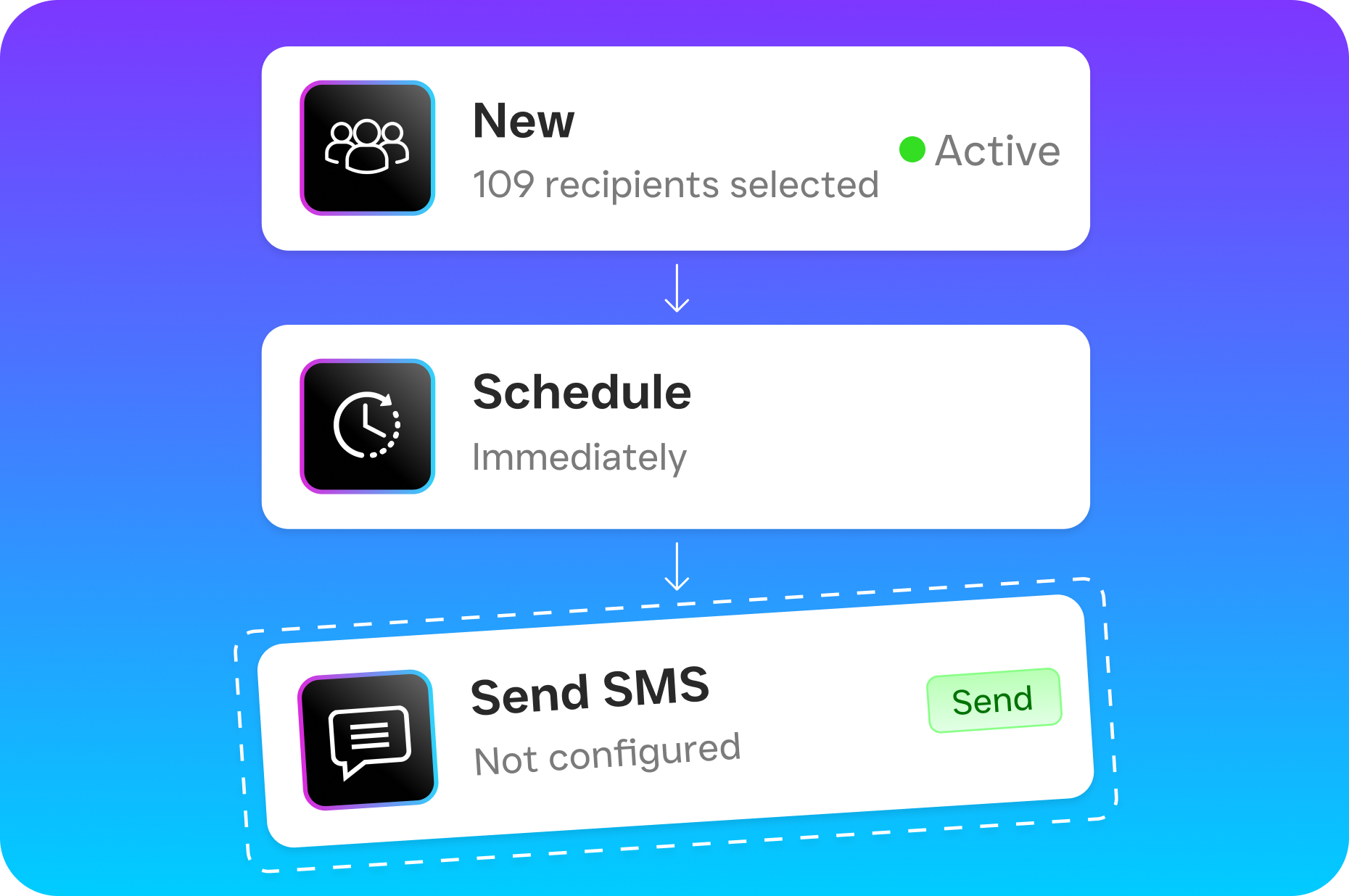
When someone fills out a “Get a Quote” or “Schedule a Test Drive” form on your website, the clock starts immediately. An automated system can send a personalized text within seconds, confirm their interest, and book an appointment without a human touching anything. If the lead doesn’t respond to the text, a follow-up call from an AI phone agent can go out within the hour. That one-two punch of text plus call dramatically increases contact rates.
Post-Visit and Post-Purchase Sequences
After a test drive, your system should trigger a thank-you text with next steps. After a purchase, it should schedule satisfaction check-ins at day 3, day 30, and day 90. These aren’t “nice to haves.” They’re how you earn CSI scores, Google reviews, and referrals. Plus, the 90-day check-in is the perfect opportunity to introduce service department offers.
Service Reminders and Declined Repair Follow-Up
Your service department is a profit center, but only if customers actually come back. Automated reminders for oil changes, tire rotations, and scheduled maintenance keep your bays full. Even more valuable is following up on declined repairs. When a customer says “not today” to a brake job, an automated text three weeks later asking if they’d like to schedule can recapture thousands in monthly service revenue.
Lease and Loan Maturity Outreach
This is where dealerships leave serious money on the table. You already have the data in your DMS. Every customer with a lease maturing in 60 to 120 days should receive a sequenced outreach campaign. Start with a text. Follow up with a call. Offer an appraisal. The U.S. dealership count increased in 2024, which means more competition for these returning customers. If you aren’t reaching them proactively, another dealer will.
How to Build an Effective Automated Follow-Up System
Knowing what to automate is the first step. Building a system that actually works requires choosing the right channels, crafting messages that don’t feel robotic, and connecting everything to your existing tools.
Map Your Customer Journey First
Before you touch any software, list every customer interaction point from first inquiry through post-sale service. For each touchpoint, write down three things: the ideal follow-up timing, the best channel (call, text, or email), and the desired outcome. This map becomes your automation blueprint. Without it, you’ll end up with a patchwork of disconnected sequences that confuse customers and frustrate your team.
Choose Channels That Match Customer Preferences
Text messages have open rates above 90%. Email hovers around 20%. Phone calls still convert at the highest rate for high-value conversations. An effective system uses all three in the right combination:
- Text/SMS: Best for instant lead response, appointment confirmations, service reminders, and quick updates
- AI phone calls: Best for lead qualification, appointment booking, after-hours call handling, and high-value outreach like lease maturity
- Email: Best for detailed content like vehicle comparisons, financing options, and monthly newsletters
The key is sequencing these channels together. A text that gets no response after 24 hours should trigger a phone call. An answered call that results in a booked appointment should trigger a confirmation text. Each channel reinforces the others.
Personalize Without Making It Weird
Merge fields are table stakes. Good automation goes further. Reference the specific vehicle they inquired about, the trade-in they mentioned, or the service they completed. However, don’t over-personalize to the point where it feels invasive. “Hi Mike, still thinking about the 2025 Tahoe you drove last Thursday?” is effective. “Hi Mike, we noticed you spent 14 minutes on our financing page” is creepy.
Track, Measure, and Adjust
Automation isn’t set-and-forget. You need to track response rates, appointment-set rates, and show rates for every sequence. According to Digital Dealer’s reporting on 2024 profitability, dealerships that improved operational efficiency saw measurable gains at year-end. Your follow-up sequences are a direct lever on that efficiency. Review performance monthly and kill sequences that aren’t converting.
Avoiding Common Automation Mistakes
Dealers who rush into automation often make predictable errors that actually hurt their customer relationships. Here are the biggest ones to watch for:
- Over-automating sensitive conversations: A recall notice or a warranty claim dispute needs a human touch. Automate the routine, escalate the exceptions.
- Sending too many messages too fast: Texting a lead four times in two days feels desperate. Space your sequences appropriately, usually 1, 3, 7, and 14-day intervals for cold leads.
- Ignoring opt-out compliance: TCPA violations carry penalties of $500 to $1,500 per text. Make sure every automated message includes opt-out language and that your system respects “STOP” replies instantly.
- Using one generic message for every customer: A first-time web lead and a five-year loyal service customer shouldn’t get the same text. Segment your audience and tailor your sequences.
- Not connecting your DMS and CRM: If your automation tool can’t read your DMS data, you’re flying blind on lease dates, service history, and purchase records.
Each of these mistakes is avoidable with proper planning. The dealerships winning with automation aren’t the ones with the fanciest tools. They’re the ones who mapped their processes first and chose tools that fit their workflow.
How SalesCaptain Helps
SalesCaptain was built for exactly this kind of multi-channel, automated follow-up challenge. Its AI Phone Agent answers calls around the clock, qualifies leads, books appointments, and handles FAQs without a human picking up the phone. For a dealership that misses calls after hours or during peak showroom traffic, that alone can recover significant lost revenue. According to OnceHub’s research on missed calls, even a handful of unanswered calls per week compounds into meaningful annual losses.
Beyond voice, SalesCaptain’s AI Chat Agents handle SMS, webchat, Instagram DMs, and Facebook Messenger from one place. So when a customer texts at 11 PM asking about a vehicle, they get an instant, intelligent response, not a “we’ll get back to you” autoresponder. The Unified Inbox pulls every conversation, whether it started as a phone call, a text, or a social media DM, into a single view for your BDC team.
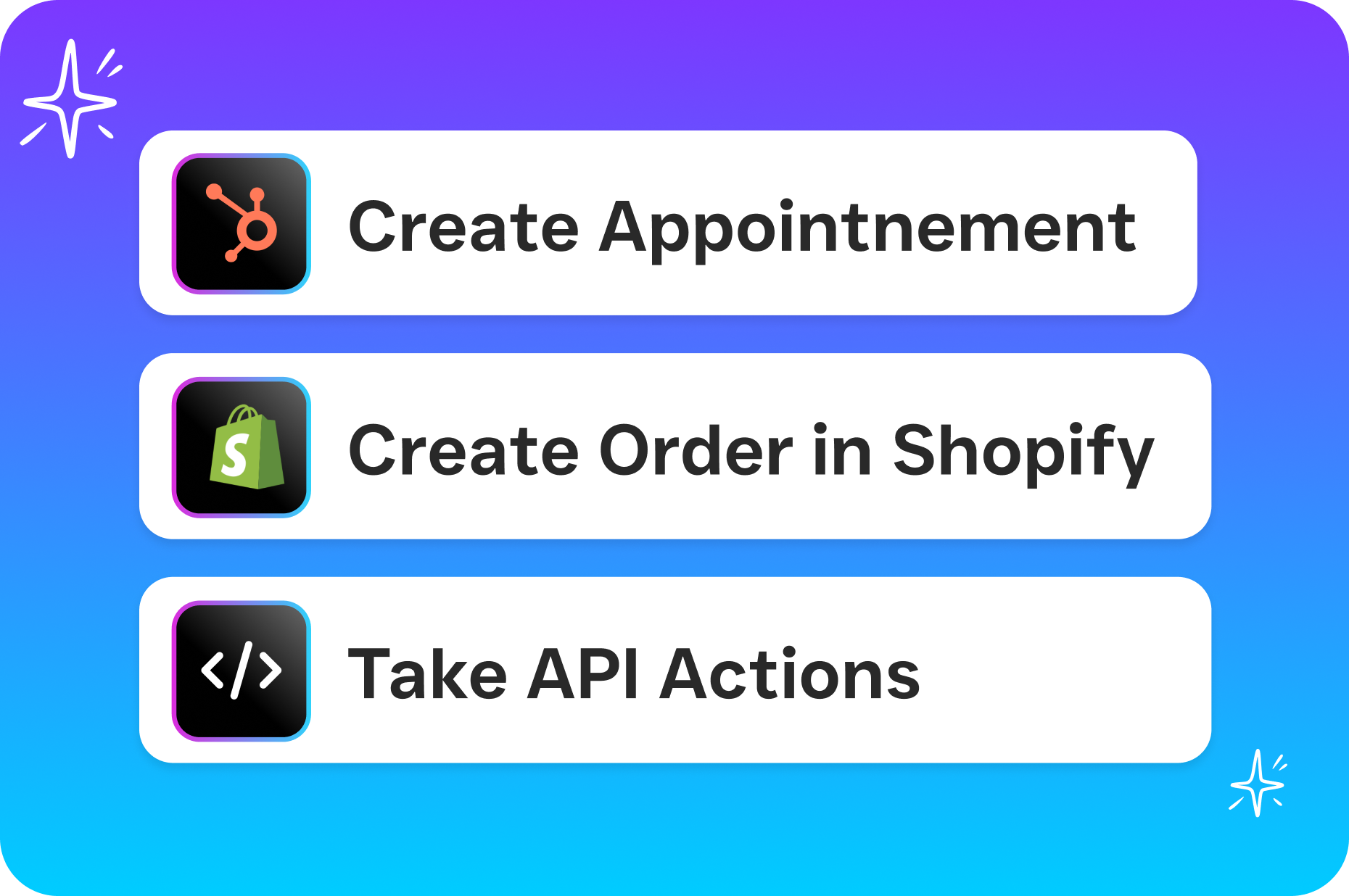
Where it really shines for dealerships is the Workflow Automation builder. You can create drag-and-drop sequences that trigger based on lead source, inquiry type, or time since last contact. Pair that with integrations to HubSpot, Salesforce, or Zoho, and your CRM stays updated without manual data entry. At $0.12 per minute for AI calls and a free plan for single-location operations, it’s priced for dealerships that want to test before committing. Multi-rooftop groups benefit from per-location pricing at $159 or $300 per month depending on feature needs.
Key Takeaways
Automating customer follow-up at a car dealership isn’t about replacing your sales team. It’s about making sure no lead, no service opportunity, and no renewal conversation falls through the cracks. The record 438 dealership transactions in 2024 signal a competitive market where operational efficiency separates winners from everyone else.
Start by mapping your customer journey. Choose channels that match how your buyers actually communicate. Build sequences that are personalized but not pushy. Track everything. And use a platform that combines AI voice, AI text, and a unified inbox so your team isn’t juggling five different tools. That’s how car dealerships can automate customer followup in a way that actually drives revenue, not just activity.
Frequently Asked Questions
How quickly should a dealership follow up with an internet lead?
Within five minutes or less. Research consistently shows that response speed is the single biggest predictor of whether a lead converts. An AI-powered system can respond via text in seconds and place a follow-up call within minutes, even outside business hours.
Can automated follow-up feel personal enough for car buyers?
Yes, if you build your sequences correctly. Use the customer’s name, reference the specific vehicle or service they inquired about, and vary your messaging across the sequence. Buyers don’t mind automation. They mind generic, irrelevant messages.
What types of follow-up should still be handled by a human?
Complex negotiations, trade-in appraisals that require back-and-forth, warranty dispute resolution, and any situation where the customer has expressed frustration. Automate the routine so your people have time and energy for these high-stakes conversations.
Is it legal to send automated text messages to customers?
Yes, but you must comply with TCPA regulations. Customers need to provide consent before receiving automated texts, and every message must include a clear opt-out option. Your automation platform should handle opt-out management automatically.
How do I measure whether automated follow-up is working?
Track three core metrics: lead response time, appointment-set rate from automated sequences, and show rate for booked appointments. Compare these numbers month over month. Also monitor opt-out rates, because a spike usually means your frequency or messaging needs adjustment.
See How SalesCaptain Can Help
SalesCaptain gives car dealerships AI phone agents, AI chat agents, and a unified inbox in one platform, so every lead gets an instant response and every follow-up happens on schedule. Visit SalesCaptain.com to start building your automated follow-up system today.