
AI-powered customer experience marketing (CXM) platform that helps local businesses win.


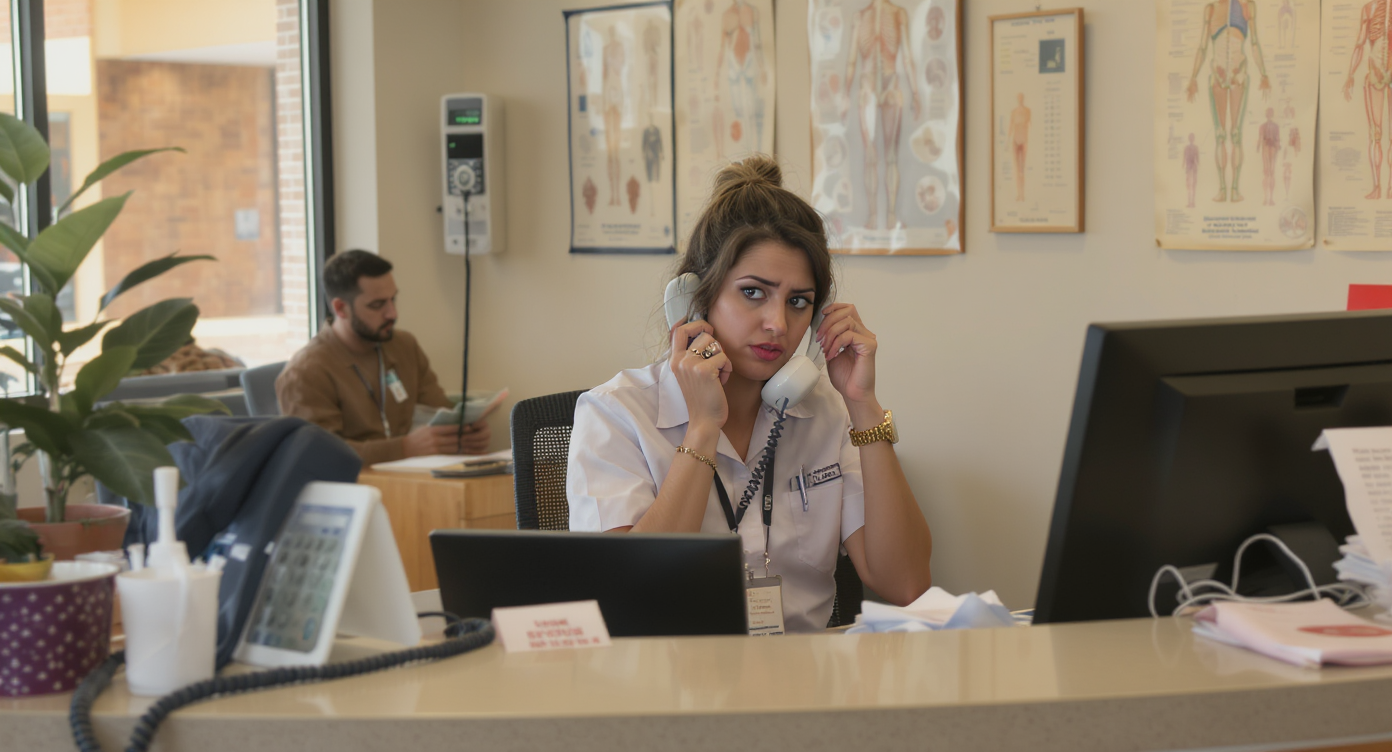
A patient calls your chiropractic office at 5:15 PM to book an adjustment for tomorrow morning. Nobody picks up. By 5:30, they’ve already called the practice down the street and booked there instead. Sound familiar? That scenario plays out way more often than most chiropractors realize. It’s one of the biggest silent revenue killers in the industry. Understanding how to reduce missed calls for chiropractic offices isn’t just about better phone habits. It’s about building a system that catches every call, every time—whether your front desk is busy, at lunch, or closed for the day.
Reducing missed calls for chiropractic offices means implementing systems that capture every inbound call—whether through live reception, voicemail with callbacks, or automated scheduling. Most practices lose 15-30% of potential appointments to missed calls, making a reliable answering system essential for revenue protection.
Quick Answer
Chiropractic offices reduce missed calls by implementing automated call answering systems, scheduling callbacks during peak hours, training staff to answer promptly, using call routing to distribute incoming calls efficiently, and deploying AI receptionists that capture patient information 24/7. Multi-line phone systems, call management software, and voicemail-to-text transcription also prevent lost opportunities while improving patient experience and retention.
What Are Missed Calls and Why Do They Matter for Chiropractors?
A missed call is any inbound call that goes unanswered by a live person or automated system capable of handling the caller’s need. In a chiropractic setting, these calls typically come from new patients wanting to schedule their first visit, existing patients rescheduling or confirming appointments, and people asking about insurance, pricing, or services. Each unanswered ring represents lost revenue. It’s not just a minor inconvenience.
Free weekly newsletter
Growth tips for dental & medical practices
Every Tuesday — actionable ideas to get more leads, reviews, and repeat customers. No fluff.
The financial impact is way more severe than you might think. According to recent missed call research, a significant percentage of callers who reach voicemail won’t leave a message and won’t call back. For a chiropractic office where the average patient lifetime value can run into thousands of dollars across ongoing adjustments, losing even a handful of new patients per month adds up fast. Studies on the true cost of missed calls show that small businesses can lose tens of thousands annually from unanswered phones alone.
Why Chiropractic Offices Miss So Many Calls
Before you can fix the problem, you need to understand what’s actually causing it. Most chiropractors don’t miss calls because they’re careless. They miss them because of structural issues in how their practice handles phone traffic. What does that look like?
Front Desk Bottlenecks
Your front desk staff is checking patients in, processing payments, pulling up records, and answering questions face-to-face. When the phone rings during a busy period, something has to give. In most practices, it’s the phone. A single receptionist can’t juggle three tasks at once. And hiring a second person just for overflow calls rarely makes financial sense for a small practice.
After-Hours and Lunch Break Gaps
Chiropractic patients often call during their own lunch breaks or after their workday ends. That timing frequently falls outside your office hours. According to Safina AI’s analysis of missed call patterns, a large share of missed calls happen outside standard business hours. Yet most practices simply route these calls to voicemail. The majority go unanswered permanently.
No System for Call Overflow
Many offices rely on a single phone line with no call routing, no queue, and no backup plan. When that line is occupied, the next caller hears a busy signal or gets dumped to voicemail. There’s no triage. No prioritization. No way to distinguish a new patient inquiry from a spam call. It’s the phone equivalent of having one chair in your waiting room.
📺 Watch: Missed Call Text Back Setup in 5 Minutes
Proven Strategies to Reduce Missed Calls in Your Chiropractic Practice
Fixing your missed call problem requires a layered approach. No single tactic solves it completely. But combining several creates a system that’s nearly airtight. Here’s what works, ranked roughly by impact.
Set Up Intelligent Call Routing
Call routing ensures that when your main line is busy or unanswered, calls automatically forward to the next available person or system. A well-designed call flow can route calls based on time of day, caller history, or the nature of the inquiry. For instance, calls during business hours go to the front desk first, then overflow to a second staff member. After-hours calls can route to an AI agent or a detailed voicemail system with a follow-up trigger. It’s strategic call management.
- Ring groups: Multiple phones ring simultaneously so whoever is free picks up first
- Sequential routing: Calls cascade through a list of team members until someone answers
- Time-based rules: Different routing paths for business hours, lunch, evenings, and weekends
- IVR menus: Simple press-1-for-scheduling, press-2-for-billing menus that direct callers to the right person without tying up the main line
Use Missed Call Text-Back
This is one of the highest-impact, lowest-effort changes you can make. When a call goes unanswered, the system automatically sends the caller a text message within seconds—something like: “Hi! Sorry we missed your call. How can we help?” That text keeps the conversation alive. Many patients actually prefer texting over calling. So you’re meeting them where they’re comfortable while also capturing lead information you’d otherwise lose entirely.
The key is speed. Research consistently shows that responding to leads within five minutes dramatically increases conversion rates compared to even a 30-minute delay. An automated text-back achieves sub-minute response times. No staff involvement required.
Automate Appointment Reminders to Free Up Phone Lines
A surprising amount of inbound call volume comes from patients confirming, rescheduling, or asking about their upcoming appointments. If you’re not sending automated reminders via text and email, your phone lines are clogged with calls that don’t need to happen. Automated reminders also reduce no-shows. That’s a separate but related revenue problem for chiropractic practices.
- Send an SMS reminder 48 hours before the appointment with a confirm/reschedule option
- Follow up with a same-day reminder 2 hours before the visit
- Include a direct link to reschedule online, so the patient never needs to call
- Track confirmation rates and adjust timing based on what your patient base responds to
According to the American Chiropractic Association, patient retention and consistent visit schedules are critical to treatment outcomes. Automated reminders support both goals while reducing unnecessary call volume.
Deploy an AI Phone Agent for 24/7 Coverage
This is where the game has fundamentally changed. AI voice agents can now answer calls with natural-sounding conversation, handle scheduling, answer common questions about your practice, and qualify new patient leads. They don’t take lunch breaks. Don’t call in sick. Don’t put callers on hold. For a chiropractic office, an AI phone agent can handle the most common call types: “Do you accept my insurance?”, “What are your hours?”, “I’d like to book my first appointment.”
The technology has matured significantly. Today’s AI agents aren’t the clunky phone trees of five years ago. They understand context, handle follow-up questions, and can book directly into your scheduling system. Plus, they block spam calls so your staff isn’t wasting time on robocalls and telemarketers.
Consolidate Communication Channels
Patients don’t just call anymore. They text, send Facebook messages, fill out website forms, and reply to emails. If your team is juggling five different apps to manage these conversations, messages slip through the cracks. A unified inbox pulls every channel into one place. Nothing gets lost. Your team can respond from a single screen. This reduces the chaos that indirectly causes missed calls because staff aren’t distracted switching between platforms when the phone rings.
Best Practices for Timing and Personalizing Patient Communication
Even with the right technology in place, execution matters. How and when you communicate with patients significantly affects whether they stay engaged or drift to another provider.
Optimal Reminder Timing
Sending reminders too early means patients forget again. Sending them too late means they can’t reschedule if there’s a conflict. The sweet spot for chiropractic practices, based on industry patterns, is a two-touch approach: one reminder 24 to 48 hours out and another 1 to 2 hours before the appointment. According to NAWBO’s small business research, effective customer communication is a top factor in small business retention and growth.
Personalization That Actually Works
Generic messages get ignored. Personalized ones get read. At minimum, include the patient’s first name, the specific date and time of their appointment, and the provider they’re seeing. Even better, reference their treatment type: “Hi Sarah, just a reminder about your spinal adjustment with Dr. Miller tomorrow at 10 AM.” Small touches like these show professionalism. They reduce confusion too, especially for patients juggling multiple healthcare appointments.
- Use the patient’s preferred name, not their formal legal name
- Include the office address or a map link for new patients
- Add a one-tap option to confirm, cancel, or reschedule
- Keep messages under 160 characters when possible for clean SMS delivery
How SalesCaptain Helps Chiropractic Offices Catch Every Call
SalesCaptain was built for exactly this type of problem. It’s a unified communication platform with AI phone agents, AI chat agents, and a collaborative inbox designed specifically for service businesses like chiropractic practices.
Here’s what that looks like in practice for a chiropractic office. The AI Phone Agent answers every call 24/7 with natural-sounding conversation. It books appointments, answers FAQs about your practice, qualifies new patient leads, and blocks spam. All without a human touching the phone. After-hours calls that used to go to voicemail? Now they get handled instantly. During busy periods, overflow calls are picked up by the AI instead of ringing out.
When a call does go unanswered, SalesCaptain’s missed call text-back fires an automatic SMS to the caller within seconds. That keeps the patient engaged. The AI Chat Agents extend that same automation to your website chat, Instagram DMs, Facebook Messenger, and SMS. So patients can reach you however they prefer.
Everything feeds into a single Unified Inbox where your team sees calls, texts, chats, and social messages in one place. No switching between apps. No lost messages. And with the drag-and-drop Workflow Automation builder, you can set up appointment reminders, follow-up sequences, and CRM updates without any technical expertise. SalesCaptain also integrates with tools like popular scheduling platforms, HubSpot, Zoho, and 50+ other apps via native integrations and Zapier.
Pricing starts with a free plan for a single location. Paid plans run $159/month per location. AI call minutes cost $0.12/minute. For context, that’s a fraction of what you’d pay for a part-time receptionist. Far less than the revenue lost from even a few missed new-patient calls each month. The SBA’s data on small business costs consistently shows that labor is the single largest expense for service businesses. Making AI-powered automation one of the most efficient ways to scale without adding headcount.
Key Takeaways
Reducing missed calls for your chiropractic office isn’t about working harder or hiring more staff. It’s about building a system that catches every call through intelligent routing, AI-powered answering, automated text-back, and consolidated communication channels. The practices that solve this problem grow faster. They convert more of the demand that already exists.
- Most missed calls happen during peak hours and after close, both are fixable with proper call routing and AI agents
- Missed call text-back is the single fastest way to save a lead that would otherwise be lost permanently
- Automated appointment reminders reduce inbound call volume and no-shows simultaneously
- A unified inbox prevents messages from slipping through the cracks across channels
- AI phone agents now handle natural conversation, appointment booking, and lead qualification without human involvement
Every unanswered call is a patient choosing someone else. The technology to prevent that exists today. And it’s affordable enough for even a solo practitioner.
Frequently Asked Questions
How many calls does a typical chiropractic office miss per week?
It varies by practice size and call volume. But industry research on small business call handling suggests that practices with a single front desk receptionist commonly miss 20-40% of inbound calls during peak hours. After-hours calls push that number even higher since most go straight to voicemail with no follow-up.
Will patients actually talk to an AI phone agent instead of a real person?
Yes. Today’s AI voice agents sound natural and conversational. Not robotic. Most callers can’t distinguish them from a human receptionist for routine tasks like scheduling and answering basic questions. Patients care about getting their problem solved quickly. And an AI that answers on the first ring often delivers a better experience than waiting on hold for a busy receptionist.
What’s the best way to handle after-hours calls for a chiropractic office?
The most effective approach combines an AI phone agent that can answer questions and book appointments with an automated text-back for any calls it can’t fully resolve. Voicemail alone isn’t sufficient. Most callers won’t leave a message. The goal is to keep the conversation going until a staff member can follow up during business hours.
How quickly should we respond to a missed call to avoid losing the patient?
Within five minutes is the benchmark. Response speed correlates directly with conversion rates. An automated text-back that fires within seconds is ideal. It acknowledges the caller immediately and opens a text conversation they can continue at their convenience.
Can automated reminders really reduce no-shows for chiropractic appointments?
Absolutely. Practices that use two-touch automated reminders consistently see significant reductions in no-show rates. One reminder 24-48 hours before, one 1-2 hours before. The key is making it easy for patients to confirm or reschedule directly from the reminder message. That eliminates the need to call back and reduces friction.
Ready to see it in action?
See how chiropractic offices use SalesCaptain to capture every missed call and book more appointments.
Book a Free Demo →See How SalesCaptain Can Help Your Chiropractic Office
SalesCaptain’s AI Phone Agent, missed call text-back, automated reminders, and unified inbox work together to make sure your practice never loses another patient to an unanswered call. Get started with a free plan for your first location and see the difference within your first week.