
AI-powered customer experience marketing (CXM) platform that helps local businesses win.



It’s 4:45 PM. A patient calls your office with a question about their upcoming procedure. Your front desk is already slammed, so the phone rings out. No voicemail gets left. Instead, that patient calls the next practice on their list. Sound familiar? Learning how to reduce missed calls for medical practices isn’t just an operational improvement. It’s a direct path to keeping patients from walking out your door before they ever walk in.
Reducing missed calls for medical practices means implementing systems to answer, capture, and respond to every patient call—whether through additional staff, automated answering services, or call management technology. This prevents patients from seeking care elsewhere and improves appointment scheduling, insurance inquiries, and prescription refill requests.
Quick Answer
Implement a dedicated answering service or virtual receptionist to capture calls 24/7, use appointment reminder systems that reduce no-shows, train staff on call handling protocols, ensure adequate phone lines during peak hours, and deploy call routing software that directs patients to available team members. These strategies minimize dropped calls and improve patient access to scheduling.
What Are Missed Calls in Medical Practices?
A missed call is any incoming phone call that goes unanswered by a live person or automated system capable of resolving the caller’s need. In medical practices, these calls typically come from patients trying to schedule appointments, confirm visit details, ask about insurance, request prescription refills, or get answers to pre-visit and post-visit questions. Every unanswered ring represents a moment where your practice failed to connect. With someone who needed you.
Free weekly newsletter
Growth tips for dental & medical practices
Every Tuesday — actionable ideas to get more leads, reviews, and repeat customers. No fluff.
The scope of the problem is larger than most practice owners realize. Research suggests a significant percentage of business calls go unanswered, and healthcare practices aren’t immune. In fact, medical offices face unique pressure because call volume clusters around opening hours, lunch breaks, and late afternoons—exactly when staff are busiest with in-office patients. The result? Peaks of demand your team simply can’t absorb.
Why Medical Practices Miss So Many Calls
Before you can fix the problem, you need to understand what’s driving it. Most practice owners assume the answer is “we need more staff.” Sometimes that’s true. But more often, the issue is structural rather than a headcount problem. That’s the real story here.
Call Volume Spikes at the Worst Times
Monday mornings are brutal. So are the first hour after lunch and the last 30 minutes before closing. Patients procrastinate, then call in clusters. Your receptionist might handle 15 calls in an hour during peak times and three calls during slow stretches. That uneven distribution means you’re either overstaffed or overwhelmed. Rarely balanced.
Front Desk Staff Are Doing Too Many Jobs
Receptionists at medical practices aren’t just answering phones. They’re checking patients in, verifying insurance, handling copays, scanning documents, and managing the waiting room. When a patient is standing at the counter, the phone takes a back seat. That’s a reasonable human decision. But it costs you every time a call goes unanswered.
After-Hours and Weekend Gaps
According to industry analysis on the cost of missed calls, a large share of missed opportunities happen outside normal business hours. Patients often call during their own lunch breaks or after work, which may fall outside your office hours entirely. Without a system to capture those calls, you’re invisible during a significant portion of the day. And that’s money left on the table.
No Backup When Lines Are Busy
Many small practices still run on one or two phone lines. When both are occupied, callers hear a busy signal or get dumped into a voicemail box they won’t use. Younger patients especially tend to hang up rather than leave a message, according to SchedulingKit’s analysis of missed call revenue loss. They’re gone.
📺 Watch: Missed Call Text Back Setup in 5 Minutes
Practical Strategies to Reduce Missed Calls
Fixing this problem requires a combination of process changes, technology upgrades, and smarter call routing. Here’s what actually works for medical practices, ranked roughly by impact. You’ll want to read this part carefully.
Build a Structured Call Flow
A call flow is the step-by-step path an incoming call follows when it reaches your practice. Instead of every call ringing one desk phone, a well-designed call flow routes callers based on their needs. For example, a new patient pressing “1” gets sent to scheduling, while a prescription refill request routes to a nurse’s line or an automated message. This alone can cut missed calls significantly. Callers reach the right person faster, hold times drop, and fewer calls slip through the cracks.
Effective call flows should include these elements:
- A professional greeting that sets expectations and offers clear menu options
- Ring groups so multiple staff members can answer calls for the same department
- Overflow rules that forward to a backup line, voicemail, or AI agent when no one picks up within a set number of rings
- After-hours routing that captures caller information instead of playing a dead-end recording
Use Missed Call Text-Back
When a call goes unanswered, an automatic text message sent to the caller within seconds can recover the interaction. The text might say: “Hi, we missed your call at [Practice Name]. How can we help? Reply here or we’ll call you back shortly.” This simple step keeps the patient engaged rather than letting them move on to another provider. It’s one of the highest-ROI tactics available. It costs almost nothing and catches patients at the exact moment they’re motivated to connect.
Extend Your Availability Without Extending Your Hours
You don’t need to keep your office open until 9 PM. But you do need something answering your phones after 5 PM. Options range from traditional answering services to AI-powered phone agents that work around the clock. What’s the difference? It’s whether your after-hours solution can actually resolve the caller’s need—like booking an appointment—or merely take a message that someone might return the next day.
Staff Strategically Around Peak Periods
Review your call logs. Most phone systems can show you exactly when calls cluster. Once you see the pattern, you can adjust staffing. Maybe you need a part-time employee for Monday mornings only. Perhaps your lunch coverage needs an extra person. Small business research from Biz2Credit shows that healthcare remains one of the strongest small business sectors, which means competition for patients is real. Staffing to match demand patterns gives you an edge that competitors don’t have.
Automate Repetitive Call Types
A surprising percentage of calls to medical practices involve the same handful of questions. Office hours, directions, accepted insurance plans, appointment confirmations, prescription refill status. These don’t require a human. Automating responses for common inquiries frees your staff to handle complex calls that genuinely need a person.
Common call types worth automating include:
- Office hours and location confirmations
- Insurance and payment questions with standardized answers
- Appointment reminders and confirmations via SMS
- New patient intake form delivery via text link
- Prescription refill request routing
The Real Cost of Every Unanswered Call
It’s easy to dismiss a missed call as a minor inconvenience. But the math tells a different story. Voksha’s guide to the true cost of missed calls breaks down how each unanswered call compounds into lost revenue, factoring in patient lifetime value, referral potential, and the cost of acquiring a replacement patient through marketing.
For a dental practice where a new patient is worth $1,200 in the first year alone, missing five calls per week means potentially losing over $300,000 annually. The American Dental Association’s Health Policy Institute has documented the rising cost of patient acquisition, making retention through responsive communication more valuable than ever. Even if only a fraction of missed calls represent new patients, the revenue impact is substantial. That’s real money.
Beyond direct revenue, there’s a reputation cost. Patients who can’t reach your office leave negative reviews. They tell friends. And they don’t come back. One bad phone experience can undo thousands of dollars in marketing spend that brought that patient to your number in the first place. Think about that.
How SalesCaptain Helps
SalesCaptain was built for exactly this kind of problem. The platform combines an AI Phone Agent, AI Chat Agents, and a Unified Inbox so medical practices can capture every patient interaction across calls, texts, webchat, and social media from one place. It’s all connected.
The AI Phone Agent answers calls 24/7 with natural-sounding voice AI. It doesn’t just take messages. It books appointments, answers FAQs about your practice, qualifies new patient inquiries, and blocks spam calls that waste your staff’s time. After-hours callers get the same level of service as someone calling at 10 AM on a Tuesday. No difference.
What makes SalesCaptain particularly well-suited for medical practices is its call flow builder. You can design custom routing with a drag-and-drop interface. No technical expertise needed. Set up ring groups so your scheduling team shares the load, configure overflow to the AI agent when lines are busy, and add missed call text-back as a safety net. Every call gets captured, and AI transcriptions plus summaries mean your staff can review interactions without listening to recordings.
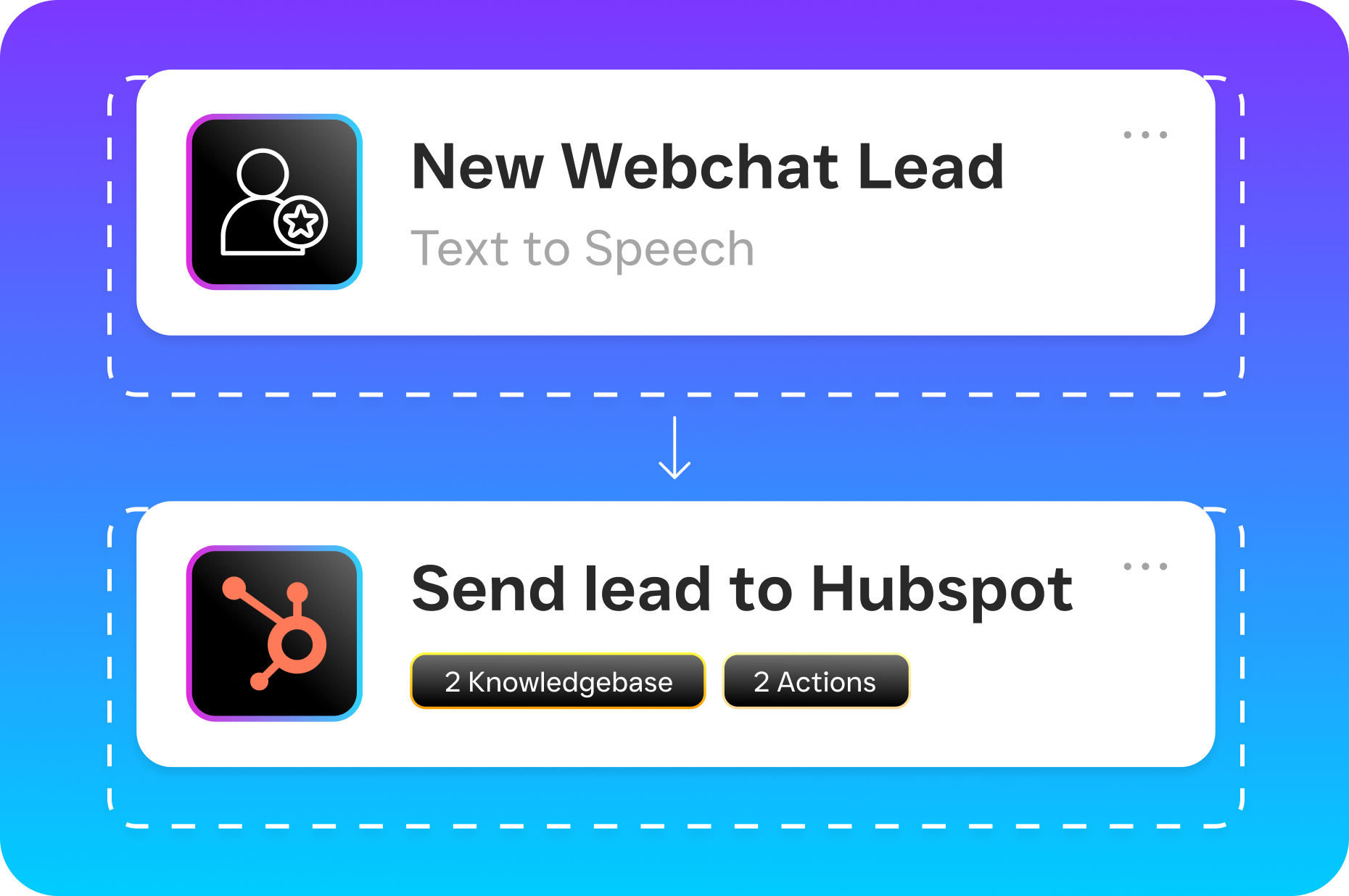
The platform’s Workflow Automation handles follow-ups automatically. When a patient calls about an appointment, the system can send a confirmation text, an intake form link, and a reminder. All without your receptionist touching a button. With integrations into tools like HubSpot, Zoho, and QuickBooks, patient data stays synced across your existing systems. Everything talks to everything else.
Pricing starts with a free plan for a single location, so there’s no barrier to testing whether it works for your practice. For multi-location healthcare groups, the per-location pricing at $159/month or $300/month keeps costs predictable as you scale. At $0.12 per minute for AI calls, it’s a fraction of what you’d pay for a human answering service. The math works out fast.
Key Takeaways
Reducing missed calls at your medical practice requires a combination of smarter call routing, automated responses for common questions, and 24/7 availability that doesn’t depend on staffing levels. The most effective practices build structured call flows, use missed call text-back, and deploy AI to handle after-hours and overflow volume. That’s the formula.
Here’s what to remember:
- Most missed calls stem from structural issues, not staffing shortages
- Call flows with ring groups and overflow rules catch calls that would otherwise go unanswered
- Missed call text-back recovers patient interactions at nearly zero cost
- AI phone agents extend your availability to 24/7 without adding payroll
- Every unanswered call carries a compounding cost in lost revenue, lost referrals, and damaged reputation
The practices that grow fastest aren’t necessarily the ones with the best clinical outcomes. They’re the ones patients can actually reach. Fix your phones. You’ll fix a problem that’s been silently draining your revenue for years.
Frequently Asked Questions
How many calls does a typical medical practice miss per week?
It varies widely based on practice size and staffing, but industry data on missed business calls shows the number is often much higher than owners expect. Small practices with one or two receptionists frequently miss 20-30% of incoming calls during peak hours, especially on Mondays and around lunch time. That’s a lot of lost opportunities.
Can AI really handle patient phone calls effectively?
Modern AI voice agents sound natural and can handle appointment scheduling, FAQ responses, and basic intake questions reliably. They won’t replace clinical conversations, but they excel at the routine calls that make up the majority of your phone volume. For complex medical questions, the AI can capture details and route the call to appropriate staff for follow-up. It’s a real solution.
What’s the fastest way to reduce missed calls without a big technology investment?
Missed call text-back is the simplest high-impact change. When a call goes unanswered, an automatic text engages the patient immediately. You can also review your call logs to identify peak times and adjust staff schedules accordingly. Both of these changes can be made within a week. Start there.
Are AI phone systems secure for medical practices?
Not all are. You’ll need to verify HIPAA compliance with any vendor you evaluate. Look for platforms that offer call recording controls, secure data handling, and Business Associate Agreements. Always confirm compliance directly with the provider before deploying any AI system in a healthcare setting. Don’t skip this step.
How does missed call text-back work if the caller is a new patient?
The text message goes out automatically to any unanswered call, whether the number is in your system or not. For new patients, the text serves as a first impression of your practice, showing responsiveness even when you couldn’t pick up. Many practices include a link to their online scheduling or new patient form in the automated text, converting the missed call into a booked appointment without any staff involvement. It works.
Ready to see it in action?
See how medical practices use SalesCaptain to never miss another patient call.
Book a Free Demo →See How SalesCaptain Can Help Your Practice
SalesCaptain’s AI Phone Agent, call flow builder, and missed call text-back are built to solve the exact problems medical practices face every day. Stop losing patients to unanswered calls and start capturing every opportunity around the clock. This is how you grow.