
AI-powered customer experience marketing (CXM) platform that helps local businesses win.



How to Reduce No-Shows for Service Businesses: Practical Strategies That Actually Work
For any service-based enterprise, the schedule is the most valuable asset in the company. In an industry where revenue is generated by “truck rolls” and billable hours, an empty time slot is not just a missed opportunity; it is a financial hemorrhage. When a technician arrives at a job site only to find the customer is not home, the business loses the direct revenue from that job, the cost of fuel, the unrecoverable wages of the technician, and the opportunity cost of the customer who was ready to pay but couldn’t be fit into the schedule.
Learning how to reduce no-shows is the fastest way to increase profitability without spending an additional dollar on lead generation or marketing. By shifting from a passive “hope-they-show” model to an active, automated communication strategy, you can protect your bottom line and improve your team’s morale.
Quick Answer
Reduce no-shows by confirming appointments 24 hours before via text or email, offering online booking with automatic reminders, and requiring deposits or credit card information at booking. Send friendly reminder notifications the day-of, use straightforward cancellation policies with penalties, and follow up with customers who miss appointments. Implementing these practices consistently can cut no-show rates by 50-80% depending on your industry.
What Exactly Is a No-Show, and Why Does It Hit Service Businesses So Hard?
To solve the problem, one must first understand the gravity of its impact. Many owners calculate the cost of a no-show simply as “the price of the service.” However, the true cost is far more complex:
Sunk Labor Costs: Unlike a retail product that can sit on a shelf, service labor is a perishable commodity. If a plumber is scheduled for a two-hour block and the customer doesn’t show, you have paid for two hours of labor that yielded zero return.
Free weekly newsletter
Growth tips for service businesses
Every Tuesday — actionable ideas to get more leads, reviews, and repeat customers. No fluff.
Fuel and Vehicle Wear: With rising fuel costs, every unnecessary mile driven to a “no-show” site is a direct hit to your margins.
Customer Acquisition Cost (CAC) Waste: You likely paid for that lead through Google Local Services Ads, SEO, or social media. A no-show effectively doubles or triples your CAC because that marketing spend failed to convert into a transaction.
Technician Frustration: High-performing technicians are often incentivized by commission or job completion bonuses. Constant no-shows lead to burnout and turnover, as your best people feel their time is being disrespected by inefficient office operations.
How to Reduce No-Shows for Service Businesses: Seven Proven Strategies
Eliminating missed appointments requires a multi-faceted approach that combines SMS automation with behavioral psychology.
1. Implement High-Velocity Automated Reminders
In the modern world, email is where communication goes to die. With an average open rate of only 20%, relying on email for appointment reminders is a losing strategy. Contrast this with SMS, which boasts a 98% open rate and is typically read within three minutes of delivery.
The most effective “Reminder Cadence” for service businesses is:
The Instant Booking Confirmation: A text sent immediately upon scheduling to “anchor” the appointment in the customer’s mind.
The 24-Hour Notice: This serves as the “Safety Valve,” giving the customer enough time to reschedule without ruining your dispatch board for the next day.
The 2-Hour “Final Call”: A courtesy text that ensures the homeowner is actually on the premises and has cleared their driveway or prepared the workspace.
2. Enable True Two-Way Texting
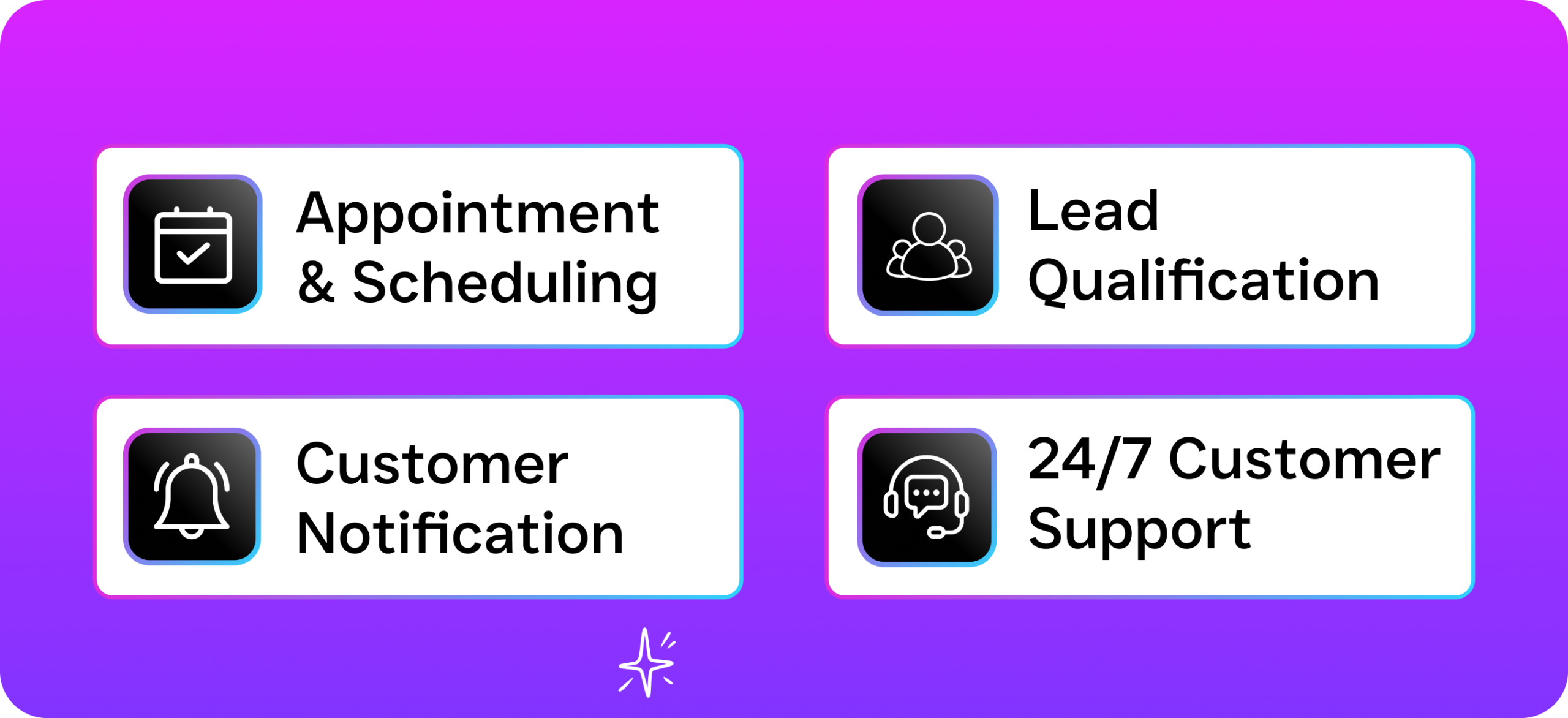
One-way notifications (the kind sent by most basic software) are often ignored because the customer feels they have no way to react if their plans change. By utilizing two-way texting for service businesses, you invite a dialogue.
When a customer can simply reply “Can we move this to 3 PM?” instead of having to sit on hold with your office, they are far more likely to engage. This “Frictionless Communication” allows your dispatchers to move pieces around the board in real-time, often filling a cancellation before the technician even starts their truck.
3. Behavioral Economics: Pre-Payments and Deposits
Psychologically, people value what they have already paid for. For high-value installations or long-distance service calls, requiring a “Commitment Fee” or a pre-paid trip charge changes the dynamic.
Even a small deposit of $49 drastically reduces no-show rates because the customer now has “skin in the game.” Most modern customer follow-up platforms allow you to send a secure payment link via text, allowing the customer to pay their deposit in seconds.
4. 24/7 Availability via AI Receptionist
Many no-shows occur because a customer realized at 10 PM that they had a conflict, tried to call your office, reached a voicemail, and gave up. By the time your office opens at 8 AM, the technician is already headed to that house.
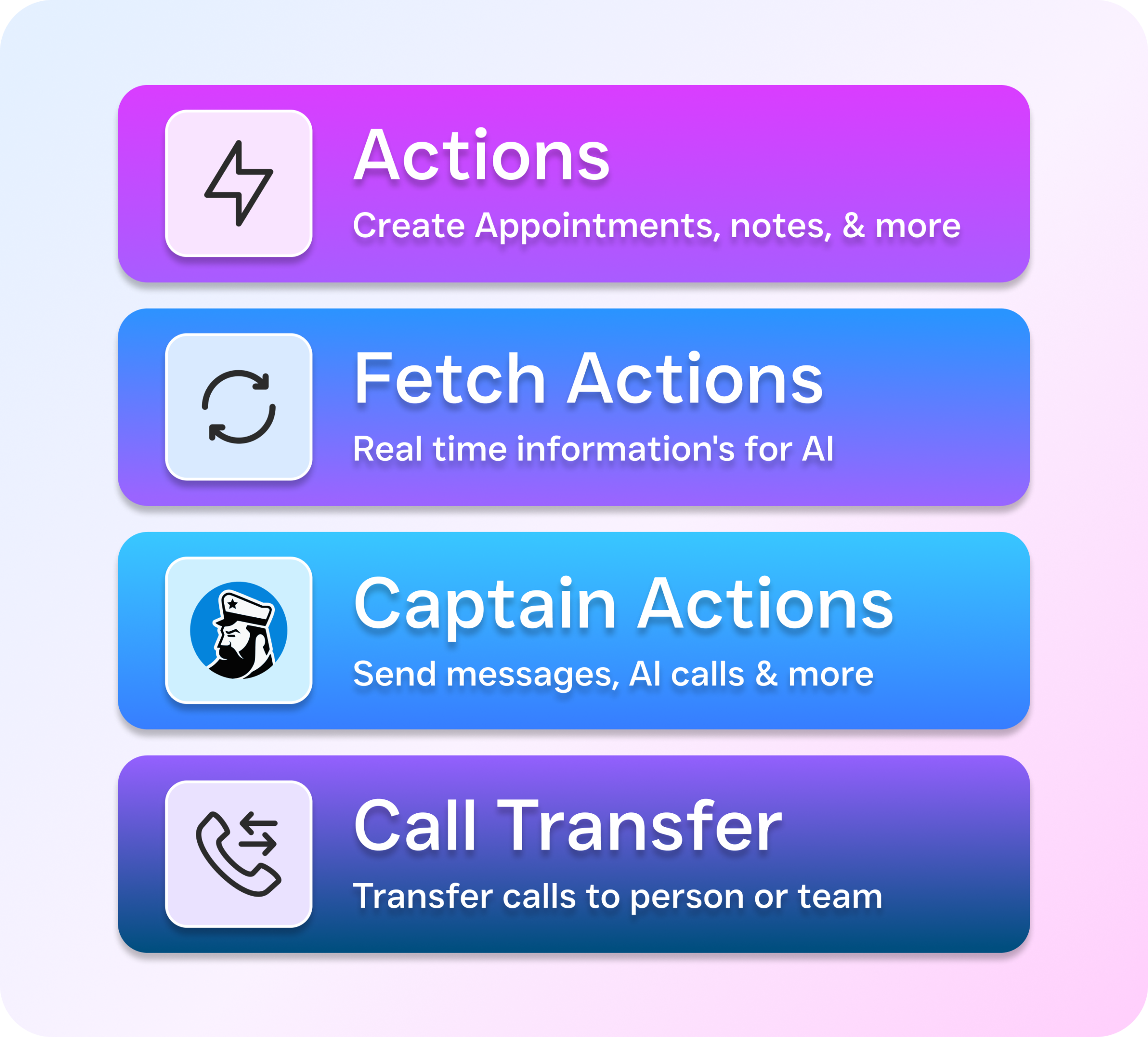
An AI Receptionist ensures that your business never truly closes. If a customer calls or texts after hours to cancel, the AI can handle the rescheduling immediately, update your CRM (like ServiceTitan or Jobber), and notify the technician before they waste a single gallon of gas.
Why Reducing No-Shows Is About More Than Just Revenue
When you move from a manual reminder system to an automated one, the operational “ripple effect” is felt across every department of your company.
Increased “Billable Density”
The primary goal of any service manager is to maximize the number of billable hours per technician per day. By reducing no-shows from a 15% industry average down to 3%, you are effectively adding several extra jobs per week to every truck in your fleet without spending an extra dime on marketing. This is pure profit.
Marketing Spend Optimization
If you spend $5,000 a month on Google Local Services Ads, every no-show is essentially a “tax” on your marketing. Reducing missed appointments lowers your overall Cost Per Lead (CPL) and makes your advertising budget go significantly further.
Scalability and Reduced Overhead
Manually calling 20 customers a day to confirm appointments is a full-time job for an office administrator. As you grow from 3 trucks to 10 trucks, that workload becomes unsustainable. Automation allows you to scale your revenue and your fleet size without needing to double your office staff, keeping your overhead flat while your profits soar.
Professional Brand Positioning
In the service world, “showing up” is 90% of the battle. A business that provides automated confirmations, tracking links, and easy rescheduling appears more professional, organized, and reliable than the “Chuck in a truck” competition. This professional image allows you to command higher prices and generate more positive online reviews.
The Path to a Zero-Waste Schedule
In the modern service economy, the “customer experience” begins long before the technician knocks on the door. It begins the moment the appointment is booked. A company that leaves its schedule to chance is a company that is leaving money on the table.
Reducing no-shows is not a matter of “better luck”; it is a matter of better systems. By implementing high-velocity SMS reminders, enabling two-way communication, and providing real-time transparency through “En Route” notifications, you respect your customer’s time and protect your own resources. The result is a more profitable business, a happier workforce, and a professional reputation that dominates the local market. Don’t let your revenue vanish in an empty driveway—automate your confirmations and turn every time slot into a completed job.
Frequently Asked Questions
What is the “Gold Standard” no-show rate for home services?
While many companies tolerate a 10% no-show rate, top-tier companies using SalesCaptain often see their rates drop to 2% or lower. The goal should be “Zero preventable no-shows.”
Will my older customers be annoyed by text messages?
Contrary to popular belief, business text messaging statistics show that all age demographics, including seniors, increasingly prefer the clarity and record-keeping of a text message over a phone call they might miss or forget.
How do I handle “Serial No-Show” customers?
Your communication system should flag customers who have missed appointments in the past. For these individuals, your follow-up software can be set to require a full pre-payment before they are allowed back on the schedule.
Does this integrate with my dispatching software?
Yes. A professional communication platform should integrate natively with Jobber, ServiceTitan, Housecall Pro, and others to ensure that reminders are triggered automatically based on your real-time calendar.
Ready to see it in action?
See how service businesses use SalesCaptain to eliminate no-shows with automated reminders.