
AI-powered customer experience marketing (CXM) platform that helps local businesses win.



lead response time for dental practices: Why Every Minute Costs You Patients
A potential patient visits your website. They fill out a contact form asking about teeth whitening and wait. Five minutes pass. Then thirty. Then two hours. By the time your front desk calls back between cleanings, that patient has already booked with the practice down the street that texted them back in 90 seconds. Sound familiar? This scenario plays out every single day in dental offices across the country, and most practice owners have no idea how much revenue they’re quietly losing. Improving your lead response time for dental practices is one of the highest-ROI changes you can make, and here’s the best part: it doesn’t require hiring another person.
What Is Lead Response Time and Why Should Dental Practices Care?
Lead response time is simple. It’s the gap between when a prospective patient reaches out to your practice, through a phone call, website form, text message, Instagram DM, or any other channel, and when someone from your team responds. It’s not measured in hours or days anymore. In today’s environment, it’s measured in minutes and seconds. The American Dental Association reports that patients increasingly research and contact multiple providers at the same time, which means the first practice to respond often wins the appointment.
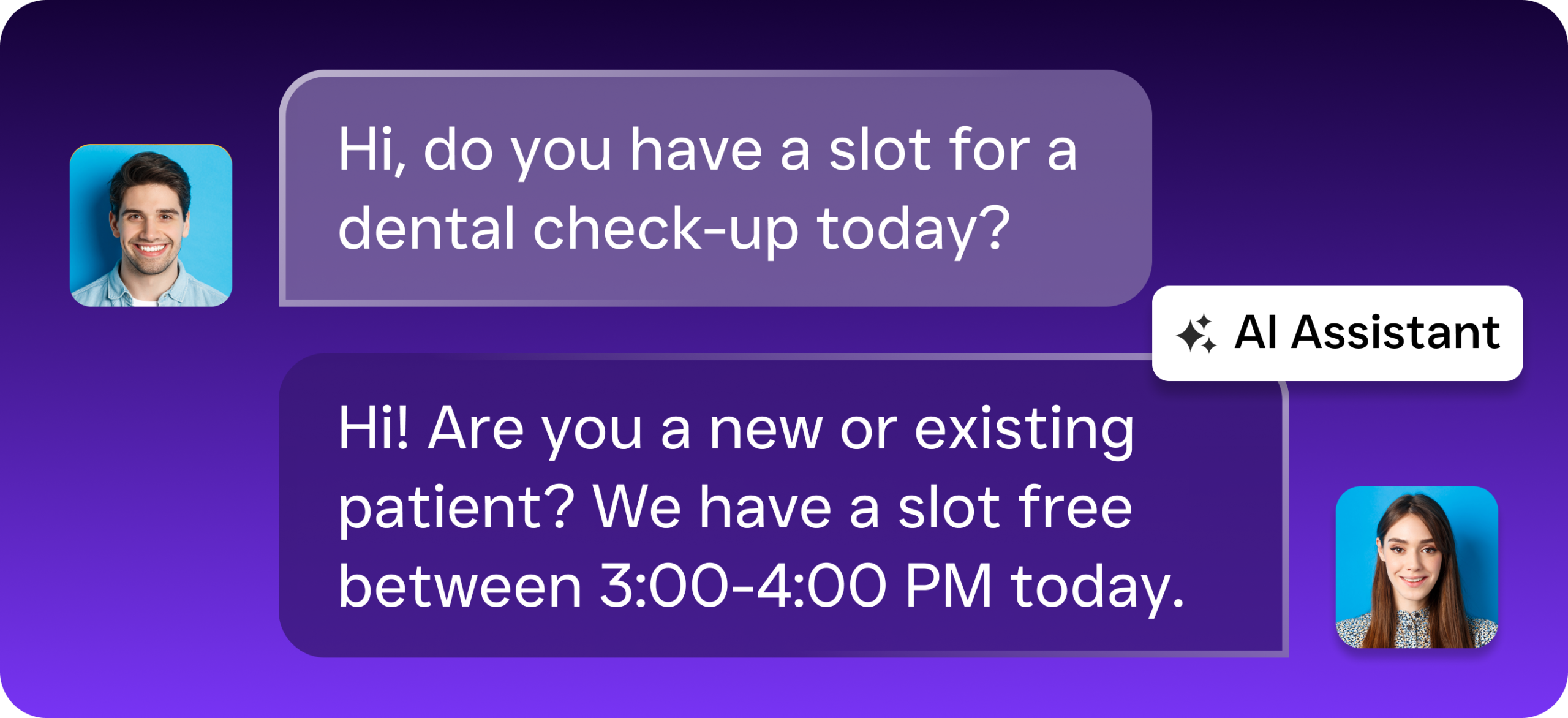
For dental practices, this metric matters even more. That’s because most dental services are non-emergency and highly commoditized from the patient’s perspective. A patient looking for a cleaning, Invisalign consultation, or cosmetic procedure typically contacts two or three offices at once. They don’t have deep loyalty to a practice they’ve never visited. They have a problem. They want it solved quickly. The practice that demonstrates responsiveness earns their trust before the first visit even happens, and that initial impression often determines whether they become a long-term patient worth thousands in lifetime value.
According to GreetNow’s analysis of speed-to-lead data, the odds of qualifying a lead drop dramatically after the first five minutes. This isn’t a gradual decline. It’s a cliff. A dental practice that responds in one minute versus thirty minutes isn’t just marginally better at converting. It can be several times more effective at turning inquiries into booked appointments. The data is clear: speed isn’t a nice-to-have. Why does this matter? Because it’s the single biggest factor in whether a new patient inquiry turns into revenue.
How Slow Lead Response Time Hurts Patient Acquisition
The damage caused by slow response times is both immediate and compounding. In the short term, you lose the specific patient who reached out. In the long term, you build a reputation, consciously or not, as a practice that’s hard to reach. Let’s break down exactly what that looks like across the areas that matter most to your bottom line.
The Financial Cost of Missed and Delayed Responses
Every unanswered or slowly answered inquiry has a dollar figure attached to it. According to industry data compiled by SkipCalls, small businesses lose over $26,000 per year from missed calls alone, and that doesn’t account for slow responses to web forms, texts, or social media messages. For a dental practice, where a single new patient can represent $1,000 or more in first-year revenue, and significantly more over a lifetime relationship, losing even two or three leads per week to slow response adds up to six figures annually.
The math gets worse when you factor in your acquisition costs. If you’re spending money on Google Ads, SEO, mailers, or social media to generate leads, every lead that goes cold because of slow callback is marketing money wasted. You’ve already paid to get that person to raise their hand. The lead generation worked. But your response process failed. Many dental practice owners pour more money into advertising when their real problem is a leaky bucket on the follow-up side.
The Human Limitations of Front Desk Staff
This isn’t about blaming your team. It’s about understanding the structural problem. Your front desk staff is simultaneously checking in patients, verifying insurance, handling checkout, answering the phone, responding to texts, and managing a dozen other tasks during business hours. When a new patient inquiry comes in at 2:15 PM while the lobby is full, it realistically might not get a response until 4:00 PM or the next morning. That’s not a performance failure. It’s a capacity problem that no amount of training can fully solve.
The situation gets even worse outside business hours. According to Aira’s research on missed business calls, a significant share of calls to small businesses go unanswered, with after-hours being the worst window. But here’s the thing: patient behavior doesn’t follow your office schedule. People research dental providers on their lunch break, after putting the kids to bed, or on weekend mornings. If your practice goes dark at 5 PM and doesn’t respond until 9 AM the next day, you’re invisible during some of the highest-intent browsing hours.
The Compound Effect on Online Reviews and Reputation
Slow response times don’t just cost individual patients. They erode your online reputation over time. Patients who feel ignored are more likely to leave negative reviews mentioning difficulty reaching your office. Even patients who eventually do get through may start the relationship frustrated, which colors their entire experience. But here’s the flip side: practices known for quick, responsive communication consistently earn praise in Google and Yelp reviews, which drives more organic leads in a self-reinforcing cycle. Your responsiveness today shapes your lead flow six months from now.
Lead Response Time Benchmarks: Where Your Dental Practice Should Aim
Knowing that “faster is better” isn’t enough. You need specific targets. Based on 2026 industry benchmarks from CalLeads AI and data from other sources, here’s what dental practices should track and aim for.
First Response Time (FRT)
This is the most important number. How many minutes, or seconds, pass between a lead’s first contact and your first reply? The gold standard is under five minutes, but top-performing dental practices aim for under one minute for texts and web inquiries. Phone calls should be answered live on the first ring. According to WifiTalents’ lead response data, the average business takes far longer than five minutes to respond, meaning that if you can consistently hit the one-minute mark, you’re operating at an elite level relative to your competition. Even moving from a 30-minute average to a 5-minute average can produce a measurable jump in booked appointments.
Contact Rate
Contact rate measures one simple thing: the percentage of leads you actually reach on the first attempt. A phone call that goes to voicemail or a text that gets no reply doesn’t count. For dental practices, aim for reaching at least 60-70% of leads on the first outreach attempt. If your contact rate is below 50%, the problem’s likely a combination of slow timing, you’re calling when they’ve moved on, and single-channel outreach. You’re only calling when they’d prefer a text. Multi-channel follow-up changes this dramatically. Text within one minute, call if no reply, then email. This approach transforms your contact rate.
Time to Book and Conversion Rate
Getting a response out quickly is step one. Converting that response into a booked appointment is the ultimate goal. Track how long it takes from first contact to a confirmed appointment on your schedule, and what percentage of inquiries actually book. Top dental practices convert 40-60% of qualified inquiries into appointments. If your conversion rate is significantly lower, your response process, not your marketing, is likely the bottleneck. Common killers? Asking the patient to call back during business hours. Sending them to a generic voicemail. Requiring multiple steps to book. Every extra step between inquiry and confirmed appointment loses patients.
After-Hours Capture Rate
What percentage of after-hours inquiries result in a booked appointment? Start tracking this today if you haven’t already. Many dental practices effectively have a 0% after-hours capture rate because they don’t respond until the next business day. This is arguably the single biggest opportunity for most practices: the leads are already coming in. You’re just not catching them. Any system that allows you to engage after-hours leads immediately, even with an automated but intelligent response, can unlock revenue that’s currently being left on the table every night and weekend.
7 Practical Steps to Improve Lead Response Time for Dental Practices
Improving your lead response time doesn’t require a massive overhaul or huge budget. It requires intentional changes. Here’s a prioritized action plan, starting with the moves that deliver the biggest impact with the least effort.
1. Audit Your Current Response Time
Before you fix anything, measure where you stand today. Submit a test inquiry through your website at different times. 10 AM on a Tuesday. 7 PM on a Thursday. Saturday morning. Have a friend call during a busy afternoon. Time how long it takes to get a response in each scenario. Most practice owners are shocked by what they find. You can’t improve a metric you’re not tracking, and this exercise gives you a concrete baseline. Document the results. Share them with your team. The numbers alone often motivate change.
2. Implement Missed Call Text-Back Immediately
This is the single fastest win available to most dental practices. When a call goes unanswered, an automated text message is sent within seconds, acknowledging the call and offering to help via text. This one change can recover a meaningful percentage of leads that would otherwise disappear, because the patient knows they’ve been heard even though nobody picked up. The text can include a link to your online scheduler, making it possible for the patient to self-book without waiting for a callback. It takes the pressure off your front desk while keeping the lead warm.
3. Deploy AI-Powered Chat Across All Digital Channels
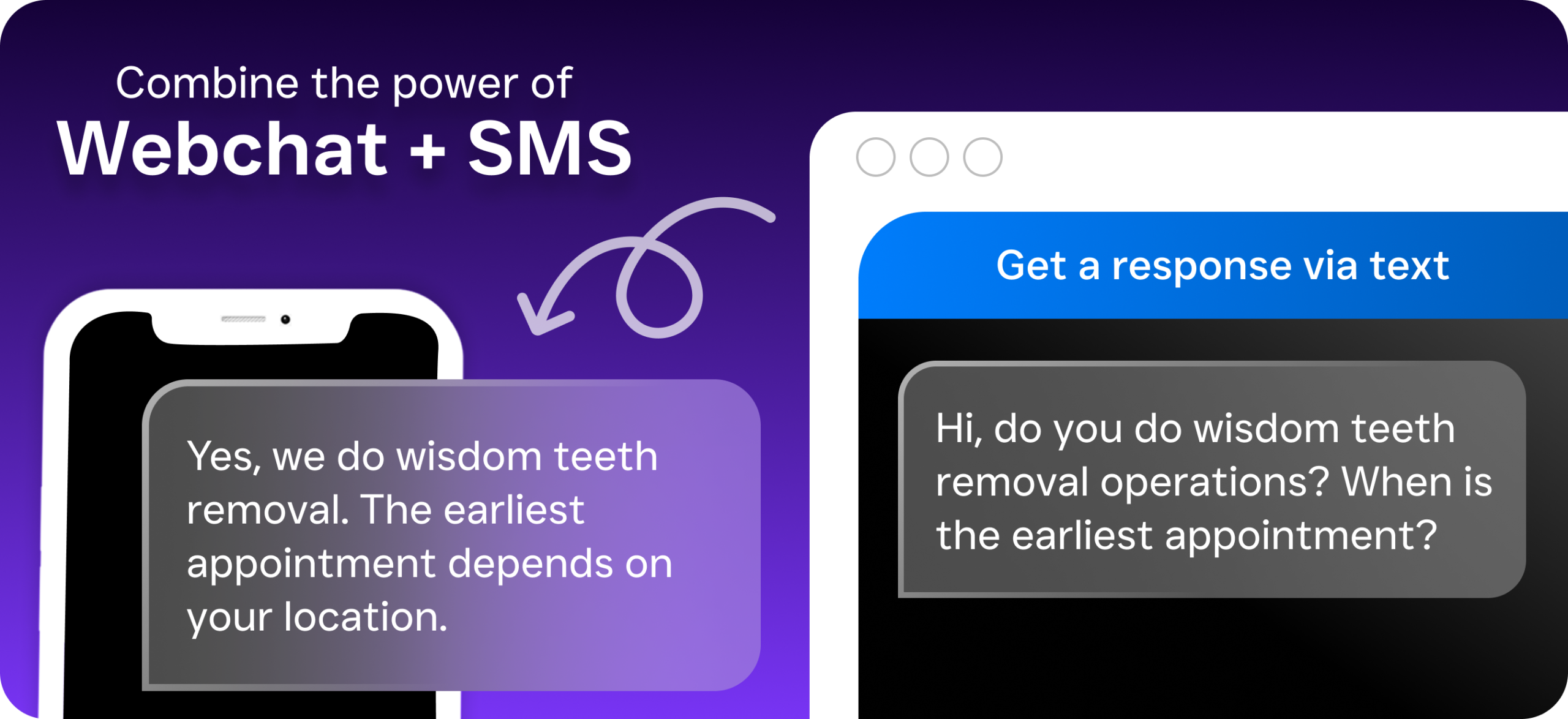
Your patients don’t just contact you by phone. They message through your website chat widget, Instagram DMs, Facebook Messenger, and text. Each channel needs an instant response mechanism. AI chat agents can engage leads in real-time conversation, answering common questions about services, insurance, and availability, then capture their information or book directly. This is dramatically more effective than a simple autoresponder that says “we’ll get back to you.” Because it actually moves the patient toward booking rather than just acknowledging their existence.
4. Use an AI Phone Agent for After-Hours and Overflow Calls
The traditional solution is hiring more staff or using an answering service. But there’s a better way. An AI phone agent is fundamentally different: a natural-sounding voice agent that answers calls 24/7, understands context, books appointments, answers FAQs about your services, and routes urgent calls appropriately. Unlike a human answering service that takes messages and promises callbacks, an AI phone agent resolves the patient’s need in real time. It handles the full conversation from greeting to appointment confirmation without putting anyone on hold or asking them to call back later.
5. Create a Multi-Channel Follow-Up Sequence
When a new lead comes in, don’t rely on a single response attempt. Build a structured follow-up sequence: immediate text or chat response, phone call within 5 minutes if they haven’t booked, email with a direct scheduling link, and a check-in the next day. According to RapportAgent’s lead response research, persistence across multiple channels dramatically increases contact rates and conversions. Most practices give up after one attempt. A structured cadence ensures you’re giving every lead a fair chance to convert.
6. Centralize All Communication Into One Inbox
One of the most common reasons for slow response times is fragmentation. Phone calls go to one system, website chats to another, Facebook messages to a third, texts to a fourth. Your front desk has to check multiple platforms, and inevitably something falls through the cracks. Consolidating every channel into a single unified inbox means nothing gets lost. Response times become visible and trackable. Any team member can pick up a conversation without context-switching between tools. This infrastructure change pays dividends every single day.
7. Track, Report, and Improve Weekly
Assign ownership of lead response metrics to someone on your team. Review first response time, contact rate, and booking conversion weekly. Identify the specific leads that fell through and diagnose why. Was it an after-hours call? A Facebook message that nobody saw? A web form that sat in an inbox for three hours? Each failure mode has a specific fix. The only way to find them is consistent review. Practices that build this accountability loop typically see continuous improvement month over month. Those that treat speed-to-lead as a one-time project eventually backslide.
Lead Response Time: Dental Practices vs. Other Industries
It’s helpful to understand where dental practices sit relative to other industries. This comparison provides context for your benchmarks and highlights the competitive advantage available to practices that prioritize speed.
| Industry | Typical First Response Time | Best-in-Class Target | Key Challenge |
|---|---|---|---|
| Dental Practices | 30 minutes to 4 hours | Under 1 minute | Front desk overload, after-hours gaps |
| Home Services (HVAC, Plumbing) | 15 minutes to 2 hours | Under 2 minutes | Technicians in the field, dispatching delays |
| Legal Practices | 1 to 8 hours | Under 5 minutes | Attorneys in court, limited intake staff |
| Real Estate | 5 to 30 minutes | Under 1 |