
AI-powered customer experience marketing (CXM) platform that helps local businesses win.


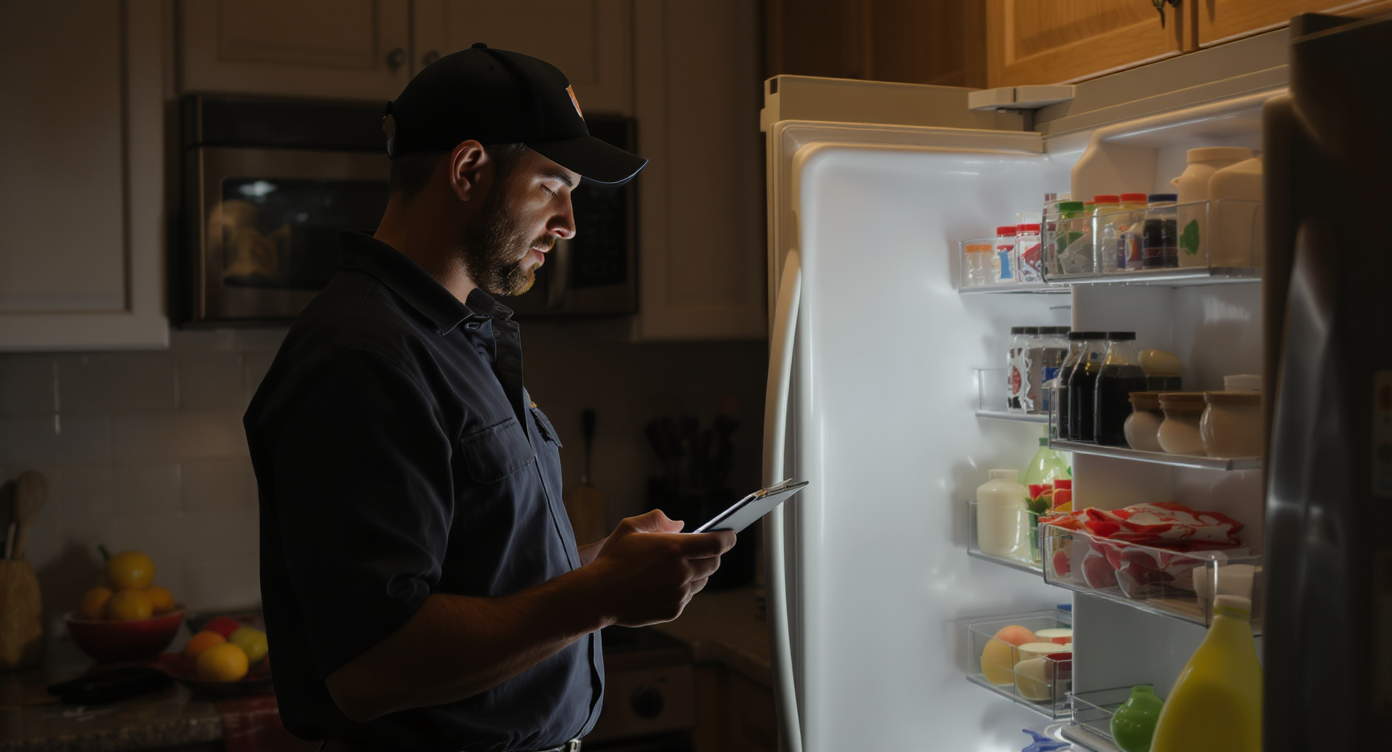
A homeowner’s dishwasher starts flooding their kitchen at 9 PM on a Tuesday. They grab their phone and call the first appliance repair company that shows up on Google. Nobody answers. So they call the next one, and the next one, until someone picks up. That first company just lost a customer they’ll never know about. Sound familiar? If you’re running an appliance repair business, learning how to handle after hours calls for appliance repair companies isn’t optional anymore. It’s literally the difference between growing your revenue and watching it quietly disappear.
After-hours call handling for appliance repair companies is a system that answers, routes, or responds to customer calls when your office is closed. This includes evenings, weekends, and holidays. Proper handling captures emergency calls, prevents lost customers, and ensures urgent repair requests get routed to on-call technicians or a message service.
Quick Answer
Set up an automated answering service that captures caller information and schedules appointments after hours, then routes messages to your team the next business day. Alternatively, hire an answering service, use call forwarding to a dedicated team member, or implement a voicemail system with callback guarantees. Many companies use a combination approach—automated scheduling for routine requests and live support for emergencies—to balance costs while ensuring no leads slip away.
What Does After-Hours Call Handling Actually Mean?
After-hours call handling is exactly what it sounds like: a system for answering, routing, or responding to customer calls that come in when your office is closed. For appliance repair companies, that typically covers evenings, weekends, and holidays. But here’s the thing—the concept goes deeper than just having a voicemail box.
Related guide: how to handle after hours calls for cleaning companies.
Free weekly newsletter
Growth tips for retail businesses
Every Tuesday — actionable ideas to get more leads, reviews, and repeat customers. No fluff.
Proper after-hours handling means every incoming call gets a response. Whether that’s a live conversation, an AI-powered interaction, a callback within minutes, or at minimum, an automated text acknowledging the caller’s needs. According to research on missed call costs, the majority of callers who reach voicemail won’t leave a message. They’ll simply call your competitor. So “handling” doesn’t mean collecting voicemails. It means engaging callers in real time or near-real time, even when your team is off the clock.
Why After-Hours Calls Matter More Than You Think
The Revenue You’re Losing Right Now
Appliance breakdowns don’t follow business hours. Refrigerators die on Saturday nights. Ovens stop working right before Thanksgiving dinner. Washing machines flood laundry rooms at midnight. These are urgent, high-intent calls from people ready to book and pay. What does that look like in practice? According to data on unanswered business calls, a significant percentage of calls to small businesses go unanswered, and each one represents lost revenue.
Here’s what makes this particularly painful for appliance repair companies: the average job ticket is substantial. You’re not losing a $15 sale. You’re losing a $200–$500 repair, plus the lifetime value of that customer, plus every referral they’d have sent your way. The numbers add up fast. Multiply that across dozens of missed after-hours calls per month, and the total gets alarming.
Customer Expectations Have Changed
Today’s consumers expect instant responses. A Harvard Business Review study found that businesses responding to leads within an hour were seven times more likely to qualify that lead. Wait longer, and your odds drop dramatically. Your after-hours callers aren’t patient. They’re stressed, dealing with a broken appliance, and they want confirmation that help is on the way.
The Voicemail Trap
Most appliance repair companies still rely on voicemail as their after-hours strategy. It feels like a solution. But it’s actually a trap. Less than a third of callers leave voicemails, according to recent missed call statistics. Even those who do leave a message often call another company while waiting for your callback. By the time you return the call the next morning, they’ve already booked someone else.
Voicemail also creates a backlog problem. Your team arrives Monday morning to a pile of messages from the weekend. Some are emergencies that needed immediate attention. Some are spam. Sorting through them wastes time and delays responses to the leads that actually matter.
📺 Watch: After-Hours Call Routing Setup: Never Miss a Lead
Proven Strategies for Handling After-Hours Appliance Repair Calls
Set Up Smart Call Routing
Call routing ensures incoming calls reach the right destination based on rules you define. For an appliance repair company, that might mean emergency calls go to an on-call technician while general inquiries get a different treatment. Here’s what effective call routing should include:
- Time-based rules that automatically activate after business hours
- IVR menus that let callers self-select between emergencies, scheduling, and general questions
- Overflow routing so calls that aren’t answered within a set time get forwarded to a backup destination
- Geographic routing for multi-location businesses to connect callers with the nearest service area
The key is building these rules in advance. Nothing falls through the cracks that way. A drag-and-drop call flow builder makes this straightforward, even if you’re not technically inclined.
Use AI Phone Agents Instead of Voicemail
AI phone agents represent the biggest shift in after-hours call handling for small service businesses. Unlike voicemail, an AI agent actually answers the phone, holds a natural conversation, and takes action. It can qualify whether the caller needs emergency service or can wait until the next business day. It can book an appointment directly on your calendar. And it can answer common questions about your service area, pricing, and availability.
This isn’t futuristic technology anymore. According to recent AI receptionist reviews, small businesses across industries are already deploying AI-powered phone agents to handle after-hours and overflow calls. For appliance repair companies, where calls are often urgent and straightforward, AI handles them exceptionally well.
Deploy Missed-Call Text-Back
Even with the best systems, some calls will occasionally go unanswered. When that happens, speed matters. Missed-call text-back automatically sends an SMS to any caller you couldn’t reach, within seconds of the missed call. That text might say something like: “Hi, thanks for calling [Your Company]. We’re currently unavailable but want to help. Can you describe your appliance issue and we’ll get back to you ASAP?”
This keeps callers engaged. It stops them from moving on to a competitor. It also opens a text conversation that an AI chat agent can continue, capturing the lead’s information and even booking a next-day appointment without any human involvement.
Create a Clear Emergency Response Plan
Not every after-hours call needs the same response. A leaking washing machine flooding a kitchen is different from someone wanting to schedule a dryer vent cleaning next week. Your system should distinguish between the two.
- Define what qualifies as an emergency for your business (water leaks, gas-related issues, fire risks)
- Set up dedicated routing for emergency calls to reach an on-call technician or owner
- Establish non-emergency protocols that capture lead info and book appointments for the next available slot
- Train your AI or answering system to ask qualifying questions that sort callers into the right category
- Document your escalation chain so there’s never confusion about who handles what
Follow Up Fast on Every Lead
Whether a call comes in at 2 PM or 2 AM, follow-up speed determines conversion. Automated workflows can trigger immediate actions when a new lead enters your system. For instance, once an AI agent captures a caller’s information, a workflow could send a confirmation text, create a CRM record, notify the assigned technician, and schedule a reminder for morning follow-up. All of this happens without anyone on your team lifting a finger.

According to recent small business data, companies that respond quickly to leads consistently outperform competitors on conversion rates. For appliance repair, where customers are often comparing multiple companies simultaneously, being first to respond is almost always enough to win the job.
How SalesCaptain Helps
SalesCaptain was built specifically for service businesses like appliance repair companies that can’t afford to miss after-hours calls but also can’t afford to staff a 24/7 front desk. The platform combines several of the strategies above into one system.
The AI Phone Agent answers calls around the clock with natural-sounding voice conversations. It qualifies leads, books appointments, answers FAQs about your services, and blocks spam calls, so your team only deals with real opportunities. And when paired with Call Flows, you can build the exact routing logic your business needs using a visual drag-and-drop builder. Emergency calls go one direction. Scheduling requests go another. Every call gets AI transcription and summaries so your team knows exactly what happened without listening to recordings.
On the text side, AI Chat Agents handle missed-call text-back, SMS conversations, webchat, and even social media DMs from a single Unified Inbox. Your team sees every customer interaction in one place, regardless of channel. Plus, Workflow Automation handles the follow-up chain automatically, from confirmation texts to CRM updates to technician notifications.
SalesCaptain’s pricing starts with a free plan for a single location. Paid plans run $159/month per location. AI calls cost $0.12/minute. That’s a fraction of what you’d pay for a human answering service, and it scales without adding headcount. Integrations with tools like popular business platforms including HousecallPro, ServiceFusion, QuickBooks, and Zapier mean your existing tech stack stays connected.

Key Takeaways
After-hours calls represent some of the highest-value leads an appliance repair company will ever receive. These are customers with urgent problems and immediate intent to book. Letting those calls go to voicemail is the most expensive mistake you can make.
- Voicemail isn’t a strategy. Most callers won’t leave a message and will call your competitor instead.
- Smart call routing and IVR systems ensure every call reaches the right destination, even at midnight.
- AI phone agents can hold natural conversations, book appointments, and qualify leads 24/7 without human staff.
- Missed-call text-back keeps callers engaged when a call does slip through.
- Automated follow-up workflows ensure no lead sits untouched until morning.
The appliance repair companies that grow fastest aren’t necessarily the best at fixing appliances. They’re the best at answering the phone. Solve that problem and everything else gets easier.
Frequently Asked Questions
How many after-hours calls does a typical appliance repair company miss?
It varies by market, but according to missed call research from Voksha, small service businesses regularly miss a significant portion of inbound calls. For appliance repair specifically, evenings and weekends tend to generate the most urgent calls because that’s when homeowners are actually using their appliances.
Are AI phone agents reliable enough to handle appliance repair calls?
Yes, absolutely. Modern AI voice agents sound natural, understand context, and can follow custom scripts you define. They’re particularly well-suited for appliance repair because the conversations are relatively predictable: what’s broken, when can someone come, what’s the address, and what’s the cost range. These aren’t complex sales conversations. They’re booking and qualification calls.
What’s the difference between an answering service and an AI phone agent?
Traditional answering services use human operators who read from scripts. They’re expensive—often $1–$3 per minute or per call—and inconsistent in quality. They can’t book directly into your calendar or CRM either. AI phone agents cost a fraction of that, run 24/7 without breaks or sick days, and integrate directly with your scheduling and business tools.
Should I offer emergency appliance repair service after hours?
That depends on your business model and staffing. However, even if you don’t offer emergency repairs, you absolutely should answer after-hours calls. Capture the lead, book them for the next available slot, and confirm via text. Most callers will accept a next-morning appointment if they feel confident help is coming.
How quickly should I follow up on an after-hours lead?
Immediately, if possible. An AI agent or automated text-back can respond within seconds. For human follow-up, aim for first thing the next business morning, within the first 30 minutes of your office opening. Every hour you delay reduces your chances of converting that lead.
Ready to see it in action?
See how appliance repair companies use SalesCaptain to book calls 24/7 without hiring night staff.
Book a Free Demo →See How SalesCaptain Can Help
Stop losing after-hours appliance repair leads to voicemail. SalesCaptain’s AI Phone Agent answers every call, books appointments, and qualifies leads 24/7, while your team rests. Pair it with a Unified Inbox, automated workflows, and missed-call text-back to capture every opportunity.