
AI-powered customer experience marketing (CXM) platform that helps local businesses win.


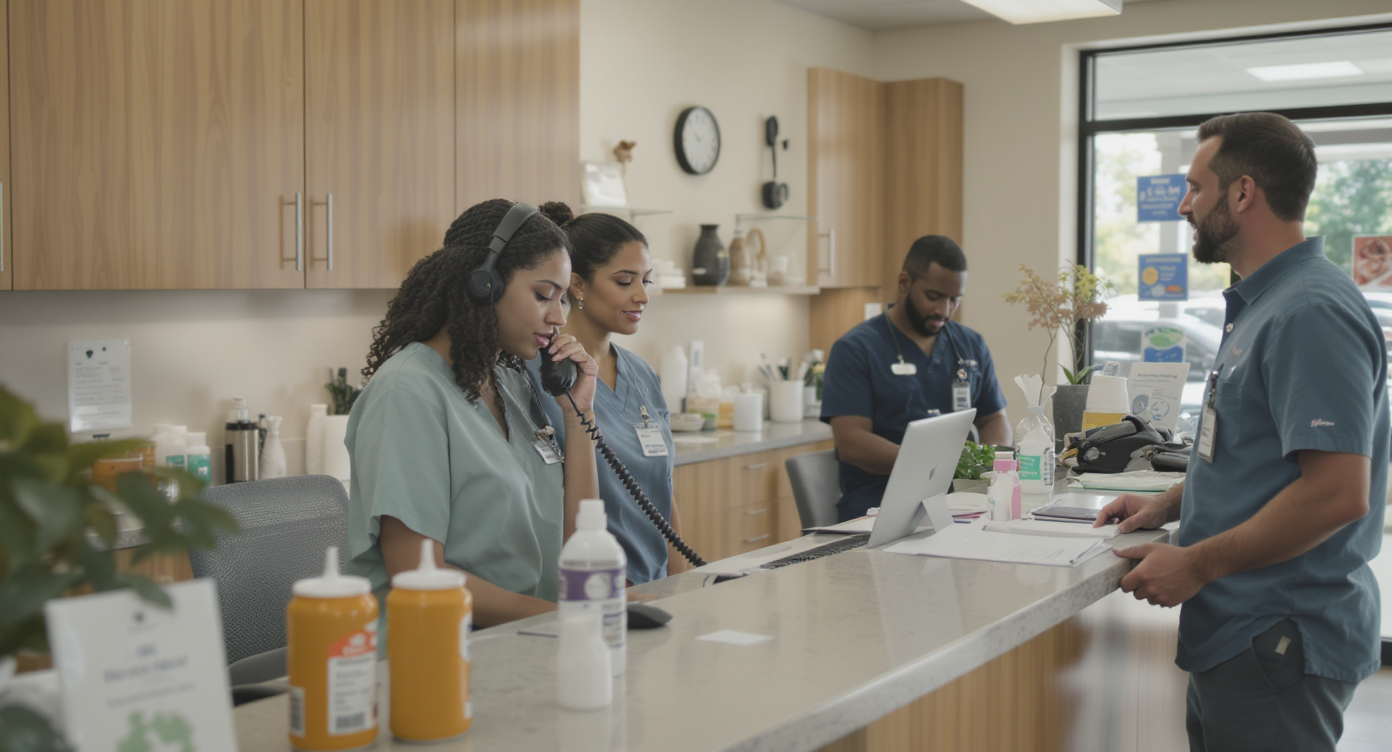
Every time your veterinary clinic misses a phone call, there’s a good chance a pet owner hangs up and calls the next practice on the list. That single missed call could represent a new patient worth hundreds of dollars in annual revenue, or it could be an urgent after-hours emergency that needed immediate guidance. Understanding how to reduce missed calls for veterinary clinics isn’t just about better phone habits. It’s about building systems that catch every call. Even when your front desk is overwhelmed, on lunch, or closed for the night.
Reducing missed calls for veterinary clinics means implementing systems that capture every inbound call, even during busy periods or after hours. This includes automated answering, call routing, voicemail callbacks, and scheduling software that ensures pet owners always reach someone—preventing lost patients and urgent emergencies from going unaddressed.
Quick Answer
Veterinary clinics reduce missed calls by implementing dedicated phone lines, hiring trained receptionists, using call routing systems, setting up voicemail with callbacks, and deploying automated appointment reminders. Many practices also adopt scheduling software to manage call volume during peak hours and establish protocols ensuring someone answers or returns calls within two hours, which recovers 60-80% of lost business opportunities.
What Are Missed Calls in Veterinary Practice?
A missed call is any inbound phone call that goes unanswered by a live person or an automated system capable of helping the caller. In veterinary clinics, these calls come from pet owners trying to book wellness exams, request prescription refills, ask about symptoms, confirm appointments, or handle emergencies. When nobody picks up, callers either leave a voicemail (which often goes unreturned for hours) or simply move on to a competitor. Sound familiar?
Free weekly newsletter
Growth tips for dental & medical practices
Every Tuesday — actionable ideas to get more leads, reviews, and repeat customers. No fluff.
The problem is bigger than most practice owners realize. According to recent business call data from Aira, a significant percentage of business calls go unanswered across industries. Veterinary clinics are especially vulnerable because call volume spikes unpredictably, front desk staff juggle check-ins with ringing phones, and after-hours calls have no coverage at all. Each unanswered ring quietly erodes trust and revenue.
Why Veterinary Clinics Miss So Many Calls
Before you can fix the problem, you need to understand what’s causing it. Missed calls in vet clinics rarely happen because staff don’t care. They happen because of structural issues. Issues that get worse during busy periods.
Front Desk Overload
Your receptionist is checking in a nervous dog owner, processing a payment, and answering a question about post-surgery care, all at the same time. When the phone rings, it’s physically impossible to answer it. Most clinics have one or two front desk staff handling phones, walk-ins, and checkout simultaneously. During peak hours? Missed calls are guaranteed.
Lunch Breaks and Staff Gaps
Smaller practices often have just one receptionist. Lunch breaks, bathroom breaks, and sick days create gaps where nobody is available to answer. Even a 30-minute lunch window can mean five to ten missed calls during a busy day. Those callers won’t all leave voicemails, and they definitely won’t all call back.
After-Hours and Weekend Calls
Pet emergencies don’t follow business hours. A dog that ate chocolate at 9 PM or a cat showing distress on a Saturday morning generates a call to the regular vet first. If that call goes to a generic voicemail, the pet owner feels abandoned. They’ll search elsewhere. According to an analysis by Synvola, the cost of missed calls compounds quickly because each one represents not just a single transaction but potential lifetime customer value.
Hold Times That Drive Callers Away
Sometimes the call is technically answered, but the caller is placed on hold for so long that they hang up. That’s functionally the same as a missed call. Pet owners calling about a sick animal aren’t in the mood to wait through three minutes of hold music. They’ll hang up and try another clinic, and you’ll never know they called.
📺 Watch: Missed Call Text Back Setup in 5 Minutes
Practical Strategies to Reduce Missed Calls
Solving this problem requires a combination of staffing awareness, technology, and process changes. Here are the most effective approaches, ranked by impact.
Set Up a Missed Call Text-Back System
The single highest-impact change you can make is ensuring that every missed call triggers an automatic text message to the caller. Something like: “Hi! We missed your call at [Clinic Name]. How can we help?” This keeps the conversation alive. Even when you can’t pick up. Many pet owners actually prefer texting, so you’ll often get a faster response than playing phone tag. According to data from SchedulingKit, missed calls directly correlate to thousands in lost revenue, and text-back systems are one of the most effective recovery tools available.
Deploy an AI Phone Agent for After-Hours Coverage
Hiring a night receptionist isn’t realistic for most veterinary practices. But leaving calls unanswered from 6 PM to 8 AM means you’re dark for 14 hours every day. An AI-powered phone agent can answer calls during those hours with a natural-sounding voice, provide basic information (hours, location, emergency protocols), book next-day appointments, and route true emergencies to on-call staff.
This isn’t a clunky phone tree from 2005. Modern AI voice agents understand conversational speech, answer common questions about services and pricing, and can even qualify whether a call is urgent. For a veterinary clinic, that means a pet owner calling at 10 PM about their dog’s vomiting gets helpful guidance instead of dead air.
Build Smart Call Flows
A call flow is the step-by-step path a call follows when it reaches your business. Instead of a simple “ring until voicemail” setup, a well-designed call flow routes calls intelligently based on conditions:
- During business hours: Ring the front desk for 15 seconds, then overflow to a second line or AI agent
- During lunch: Route directly to an AI agent or specific staff member’s mobile
- After hours: Greet with a custom message, offer appointment booking, and capture voicemail with transcription
- Emergency keywords: If a caller mentions “emergency” or “bleeding,” route immediately to the on-call veterinarian
The key is removing the binary outcome of “answered” or “missed.” With layered call flows, every call gets handled. In some meaningful way. According to the American Veterinary Medical Association, the number of companion animal veterinary visits continues to grow, which means call volume will only increase for most practices.
Use a Unified Inbox to Track Every Interaction
Missed calls become a bigger problem when they’re invisible. If your front desk doesn’t know a call was missed, nobody follows up. A unified inbox that shows calls, texts, voicemails, webchat messages, and social media DMs in one place makes it impossible for a lead to slip through the cracks. Your team can see at a glance which callers need callbacks, which conversations are in progress, and which ones have been resolved.
Automate Appointment Reminders to Free Up Phone Lines
A surprising percentage of inbound calls to vet clinics are about existing appointments, such as confirmations, reschedules, and cancellations. Automating these interactions through SMS reminders and two-way texting removes a huge chunk of call volume. Fewer inbound calls means your staff can actually answer the ones that matter. Like new patient inquiries and urgent care questions.
- Send automated reminders 48 hours and 24 hours before appointments
- Let pet owners confirm or reschedule via text reply
- Trigger follow-up texts after visits for feedback or rebooking
This approach also tackles the no-show problem. Veterinary practices lose significant revenue to no-shows, and research from Voksha shows that the cumulative cost of missed communication touchpoints is substantial for small businesses.
Staff Strategically Around Peak Call Times
Pull your call logs and identify when most calls come in. For many vet clinics, it’s Monday mornings, the first hour after opening, and the last hour before closing. If you know 40% of your daily calls land between 8 and 10 AM, stagger staff schedules so you’ve got extra phone coverage during that window. Technology handles after-hours. Smart scheduling handles the peaks.
How SalesCaptain Helps Veterinary Clinics Capture Every Call
SalesCaptain was built specifically for service businesses like veterinary clinics that can’t afford to miss calls but also can’t afford to hire three more receptionists. The platform combines several of the strategies above into a single system.
The AI Phone Agent answers calls 24/7 with a natural-sounding voice. It can book appointments, answer FAQs about your services and hours, qualify whether a call is urgent, and block spam. Your after-hours coverage goes from zero to complete. Without adding a single staff member. At $0.12 per minute, it’s a fraction of what you’d pay for a human answering service. According to a recent review of AI receptionists for small businesses, these tools are rapidly becoming the standard for practices that need round-the-clock coverage.
Beyond voice, SalesCaptain’s missed call text-back feature automatically sends a text to any caller you don’t pick up, keeping the conversation alive. The Unified Inbox pulls calls, texts, webchat, and social messages into one view so your team never loses track of who needs a callback. And the drag-and-drop Call Flow builder lets you create custom routing logic without any technical expertise, so calls overflow to AI or mobile devices instead of voicemail.
Workflow automation handles appointment reminders, follow-ups, and rebooking prompts automatically. Plus, AI transcription and summaries give you a searchable record of every call, which is invaluable for training new staff and resolving disputes about what was communicated. The platform integrates with tools like HubSpot, Zoho, QuickBooks, and Zapier, so it fits into your existing workflow. For multi-location practices, per-location pricing starts at $159/month, and there’s a free plan for single-location clinics to start with.
Compared to solutions like Weave, which focuses primarily on healthcare but lacks social chat, WhatsApp support, and advanced templating, SalesCaptain offers a broader communication toolkit. Unlike traditional answering services, an AI-powered approach scales without adding headcount costs. That’s what makes it different. And unlike the kinds many small businesses still rely on, you’re not paying per-call overhead.
Key Takeaways
Reducing missed calls at your veterinary clinic requires understanding why they happen and layering solutions that cover every gap. Front desk overload, after-hours dead zones, and hold-time abandonment are the three biggest culprits. Missed call text-back, AI phone agents, smart call flows, unified tracking, and automated reminders work together. They close those gaps.
The math is straightforward. If your clinic misses even five calls a day and each represents a potential $200 visit, that’s $1,000 in daily lost revenue. Over a month, it adds up fast. You don’t need to hire more staff to solve this. You need systems that ensure no call goes unanswered and no caller goes unhelped, whether it’s 2 PM on a Tuesday or 11 PM on a Saturday.
The clinics that figure out how to reduce missed calls for veterinary clinics don’t just retain more clients. They build a reputation as the practice that’s always reachable, always responsive, and always there when pet owners need them most.
Frequently Asked Questions
How many calls does a typical veterinary clinic miss per day?
It varies by practice size and staffing, but most small veterinary clinics miss between 5 and 20 calls per day. The numbers are highest during peak hours (Monday mornings, lunch breaks) and after hours. Since many callers won’t leave a voicemail, practices often underestimate the true number. Unless they’re tracking missed calls with a phone system that logs every attempt.
Can an AI phone agent handle veterinary-specific questions?
Yes. Modern AI phone agents can be trained on your clinic’s specific services, pricing, hours, emergency protocols, and appointment types. They won’t diagnose a pet’s condition, but they can answer common questions like “Do you see exotic animals?” or “What vaccinations does my puppy need?” and route urgent calls to the right person.
What’s the difference between a missed call text-back and a voicemail?
Voicemail requires the caller to leave a message and then wait for a callback, and many callers skip it entirely. A missed call text-back sends an automatic SMS to the caller within seconds, opening a two-way text conversation. It’s faster, has higher engagement rates, and lets you capture the lead even if they never would’ve left a voicemail.
Will pet owners actually talk to an AI agent on the phone?
Most callers can’t tell they’re speaking with an AI agent. Modern voice AI sounds natural and conversational. What pet owners care about is getting help quickly. An AI agent that answers on the first ring, provides accurate information, and books an appointment is far better than ringing to voicemail or waiting on hold for five minutes.
Is it expensive to set up automated call handling for a small clinic?
Not anymore. Traditional answering services charge per call and can run $500 to $2,000 per month for a busy practice. AI-powered solutions are significantly cheaper. SalesCaptain, for example, offers a free plan for single-location businesses and charges $0.12 per minute for AI call handling, which typically works out to a fraction of what a human service costs.
Ready to see it in action?
See how veterinary clinics use SalesCaptain to capture every missed call and book more appointments.
Book a Free Demo →See How SalesCaptain Can Help Your Veterinary Clinic
Stop losing pet owners to missed calls. SalesCaptain’s AI Phone Agent, missed call text-back, and unified inbox give your clinic 24/7 coverage without adding staff. Start with the free plan and see the difference in your first week.