
AI-powered customer experience marketing (CXM) platform that helps local businesses win.



How to Reduce Missed Calls for Small Business: A Practical Guide That Saves Revenue
Your phone rings at 5:47 PM—just minutes after your last employee has left for the day.The caller is a homeowner whose basement is flooding and they need a plumber now. The caller hangs up after a few rings, contacts the next business they find on Google, and you never even know the opportunity existed. This scenario repeats itself countless times each day across small businesses, with every missed call representing lost revenue. Reducing missed calls isn’t simply a matter of better phone handling—it requires building systems that capture every opportunity, even when you and your team are unavailable.
What Is the Missed Call Problem for Small Businesses?
The missed call problem is simple. It’s the gap between inbound customer calls and your business’s ability to answer them promptly. For small businesses, especially service-based ones like HVAC companies, dental offices, law firms, and salons, the phone is still the primary way customers reach out. When those calls go unanswered, potential customers don’t leave voicemails. They call your competitor. According to research on the true cost of missed calls, a significant percentage of callers who reach voicemail will simply hang up without leaving a message. That means you’ve got no way to follow up.
What makes this even more challenging is its invisibility. You can see a negative Google review. You can notice when a customer walks out. But you cannot see the calls that rang unanswered and disconnected while you were assisting another customer, driving between jobs, or taking a break. These missed opportunities remain unseen—an invisible problem quietly impacting your revenue. The SBA reports that over 33 million small businesses operate in the U.S. and the vast majority have five or fewer employees. That means the person answering the phone is often the same person doing the actual work, which makes missed calls almost inevitable without a deliberate strategy.
Why Small Business Owners Miss Calls (And Why It Matters More Than You Think)
The “Doing It All” Reality of Small Business
Small business owners often take on multiple roles—salesperson, technician, bookkeeper, and receptionist—frequently all at once. When you’re on a roof inspecting storm damage or in the middle of a client consultation, answering the phone isn’t just inconvenient; it’s simply not possible. According to the NFIB’s 2024 Small Business Problems & Priorities report, the cost and availability of labor continue to be major concerns for business owners, making it impractical for many to hire a dedicated receptionist. The result is a structural challenge that cannot be solved through effort alone. You need to be available to answer incoming calls, yet you must also focus on the work that directly generates revenue.
This challenge becomes even more pronounced after hours. While most service businesses operate between 8 AM and 5 PM, customer needs do not follow a schedule. A homeowner may discover a pest issue at 9 PM, a potential legal client may receive urgent documents over the weekend, or a patient may wake up with severe tooth pain early in the morning. Each situation prompts an immediate call. If your business does not respond, another will. The decision window is incredibly short—often measured in seconds rather than hours.
The Financial Impact of Every Unanswered Call
Missing a call doesn’t just mean missing one transaction. It means losing the lifetime value of that customer, their referrals, and their repeat business. Industry data from SkipCalls suggests small businesses can lose $26,000 or more per year, revenue lost from missed calls alone can be substantial—and it increases dramatically for businesses with higher-value services, such as roofing, legal, or medical practices. For example, a single missed roofing inquiry during storm season could cost $10,000 to $20,000 in potential work. Similarly, a missed call from someone seeking a family attorney could translate into $5,000 or more in billable hours.
The impact extends beyond immediate revenue loss. Missed calls undermine the effectiveness of your marketing investments. Every dollar spent on Google Ads, SEO, or direct mail is meant to generate leads—but unanswered calls turn those investments into wasted spend. In other words, failing to capture every opportunity not only costs you individual jobs—it erodes the ROI of your entire marketing strategy. According to missed business call statistics compiled by Aira, the cost per missed call is substantial across virtually every service industry. When you factor in your customer acquisition cost, each missed call doesn’t just cost you the sale. It costs you the marketing dollars you spent to earn that ring in the first place.
How to Reduce Missed Calls for Small Business: 6 Proven Strategies
Recognizing the problem is only the first step. Next, let’s dive into concrete, actionable strategies you can implement immediately—some today, others within the week. These solutions range from straightforward process improvements to technology-driven tools, and the optimal combination will depend on your business size, call volume, and budget.
Strategy 1: Analyze Your Call Patterns First
Before implementing any solution, it is essential to collect and analyze relevant data. Review your business phone records from the past 90 days to identify patterns in missed calls. Determine whether these calls primarily occur during lunch hours, after standard business hours, on weekends, or during periods of peak operational activity. Most contemporary business phone systems provide reporting features that detail answered versus missed calls by time of day and day of the week. This analysis enables you to pinpoint the areas where operational gaps are most pronounced.
Additionally, it is important to assess the outcomes following missed calls. Track how many callers leave voicemails, how many return calls are made, and the average response time. If callbacks are delayed by hours rather than minutes, it is likely that a substantial portion of leads is lost before your team has an opportunity to engage. Research published in Harvard Business Review found that responding to leads within five minutes dramatically increases the odds of making contact and qualifying the lead. The faster you call back, the better your chances.
Strategy 2: Implement Call Forwarding and Routing Rules
One of the most straightforward and effective strategies for reducing missed calls is the implementation of intelligent call forwarding. Rather than allowing calls to ring a single line and eventually go to voicemail, a structured routing sequence can be established. For example, incoming calls can first ring the front desk, then the owner’s mobile, followed by a backup team member if unanswered. Each step occurs after a set number of rings, ensuring that calls are systematically directed until answered. Most modern VoIP business phone systems natively support this functionality, and setup can typically be completed within minutes.
Time-based routing further enhances this approach. Calls can be directed to the office line during regular business hours and automatically forwarded to a designated mobile device or answering service after hours. For multi-location businesses, geographic or department-based routing ensures that callers are connected to the appropriate location or team without navigating complex phone menus. The guiding principle is simple: eliminate dead ends. Every call path should either result in a live answer or, at minimum, a system that reliably captures the caller’s contact information and reason for calling, enabling immediate and effective follow-up.
Strategy 3: Use an Auto-Attendant or IVR System
Revenue lost from missed calls alone can be substantial—and it increases dramatically for businesses with higher-value services, such as roofing, legal, or medical practices. For example, a single missed roofing inquiry during storm season could cost $10,000 to $20,000 in potential work. Similarly, a missed call from someone seeking a family attorney could translate into $5,000 or more in billable hours.
The impact extends beyond immediate revenue loss. Missed calls undermine the effectiveness of your marketing investments. Every dollar spent on Google Ads, SEO, or direct mail is meant to generate leads—but unanswered calls turn those investments into wasted spend. In other words, failing to capture every opportunity not only costs you individual jobs—it erodes the ROI of your entire marketing strategy.
Strategy 4: Deploy Missed Call Text-Back Automation
Missed call text-back is one of the most effective and low-effort tactics available for small businesses today. When a call goes unanswered, the system automatically sends a text message within seconds, such as: “Sorry we missed your call! How can we help?” This approach achieves two key objectives. First, it acknowledges the caller immediately, reducing the likelihood that they will contact a competitor. Second, it transitions the conversation to text, allowing your team to respond without the urgency of a ringing phone.
This strategy aligns with modern communication preferences, particularly among younger customers who favor texting over voice calls. Converting a missed call into a text thread ensures the conversation is documented and trackable—unlike a voicemail that may be lost or forgotten. For service-based businesses, a single text thread often suffices to capture the customer’s information and schedule the appointment.
Strategy 5: Train Your Team on Call Handling Priorities
While technology provides critical support, team behavior remains essential. If front desk staff allow calls to go to voicemail because of administrative tasks, or field technicians fail to check forwarded calls, routing solutions alone cannot solve the problem. Establish a clear expectation: answering incoming calls is the highest priority activity. Every ring represents a potential revenue opportunity.
Practical training should cover techniques such as briefly placing a current caller on hold to answer a second line, using phone system features like call park and transfer, and consistently capturing key information on every call. Implement a simple intake form to record the caller’s name, phone number, request, and urgency level. For teams with multiple members, assign primary and backup responsibilities for each shift to ensure coverage at all times.
Strategy 6: Adopt AI-Powered Phone and Chat Agents
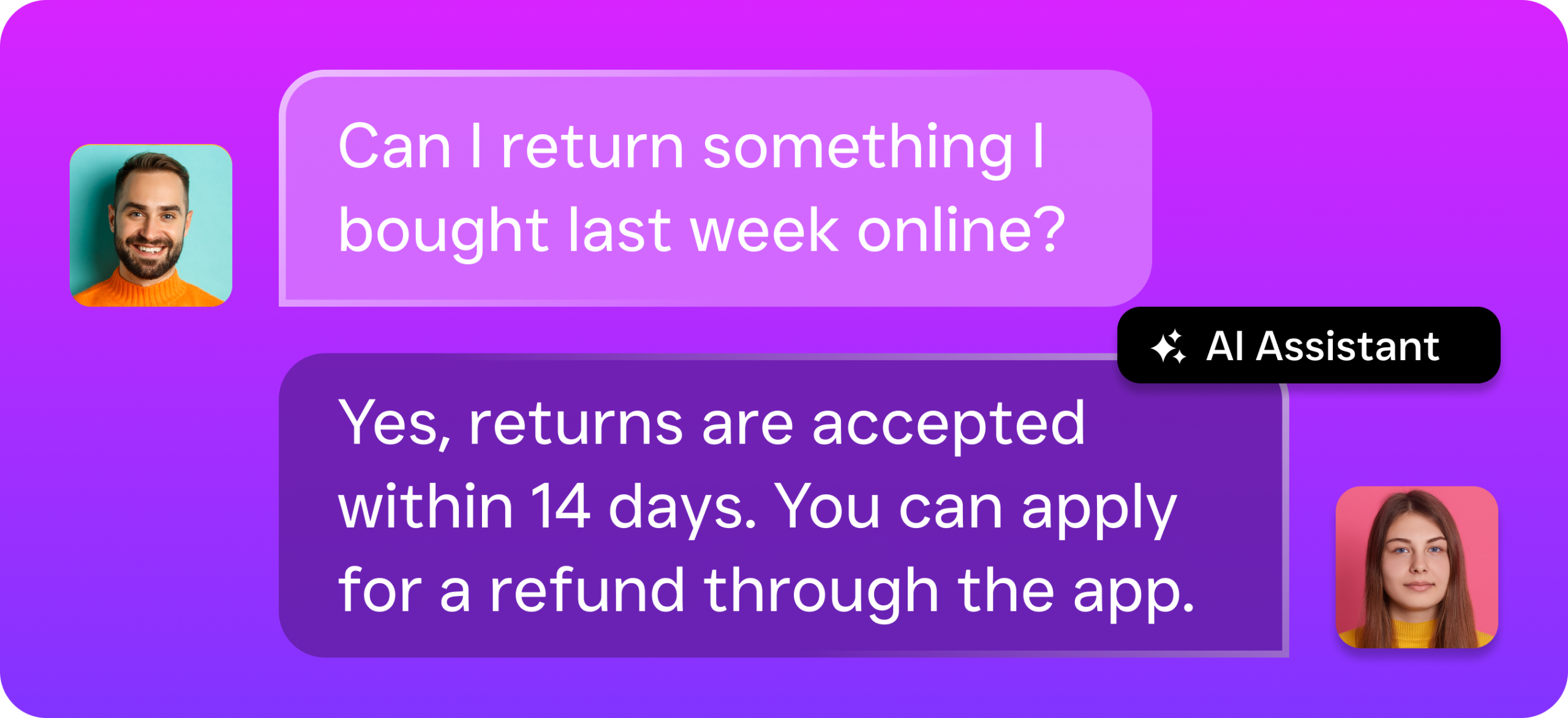
AI voice agents represent the most significant advancement in lead capture and customer response. Unlike traditional voicemail or basic auto-attendants, AI phone agents conduct natural conversations with callers. They answer frequently asked questions, book appointments directly into your calendar, qualify leads according to custom criteria, and route urgent calls to on-call staff. They operate 24/7, including nights, weekends, and holidays, providing consistent service without sick days or human limitations. For small businesses that cannot justify a full-time receptionist, AI agents fill the gap efficiently and cost-effectively.
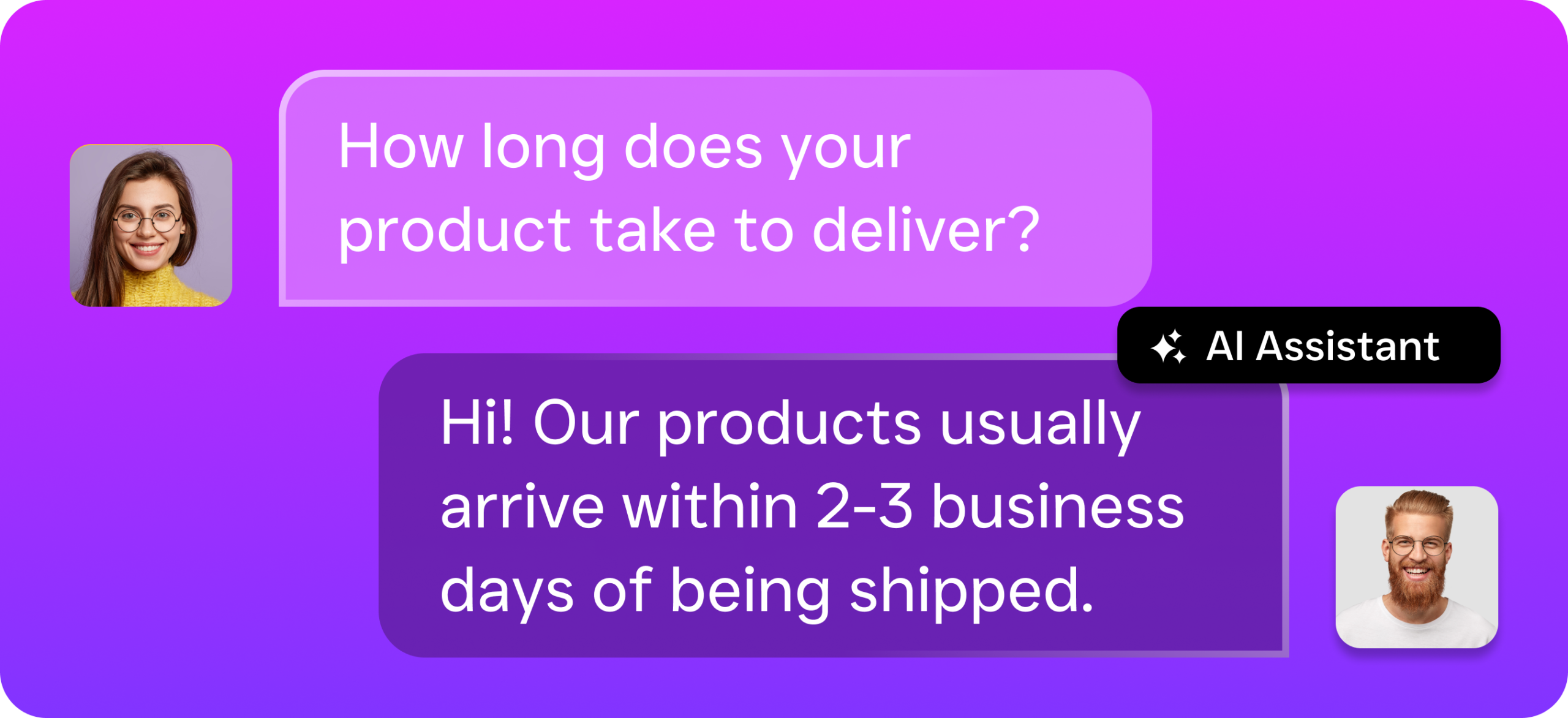
AI chat agents extend these capabilities to text-based channels, including SMS, website chat, Instagram DMs, and Facebook Messenger. When a potential customer contacts your business outside of regular hours, the AI responds instantly, captures essential information, and can even schedule appointments automatically. The result is a business that is genuinely responsive across every communication channel, every hour of the day—a crucial advantage in competitive industries where the first company to respond often secures the job.
How SalesCaptain Helps Small Businesses Reduce Missed Calls
SalesCaptain was built specifically to solve the missed call problem for service businesses and SMBs. Its AI Phone Agent answers every inbound call with a natural-sounding voice, 24 hours a day, 7 days a week. Rather than sending callers to a voicemail they’ll never leave, the AI agent has a real conversation. It answers questions about your services, books appointments directly into your scheduling system, qualifies leads so you know who to prioritize, and blocks spam calls so your team isn’t wasting time on robocallers. It handles custom call flows you design, so the experience matches how your business actually operates.
Beyond voice, SalesCaptain’s AI Chat Agents handle SMS, webchat, Instagram DMs, and Facebook Messenger from a single platform. When a call is missed, the missed call text-back feature engages the caller instantly via text, converting what would’ve been a lost lead into an active conversation. Every interaction lands in SalesCaptain’s Unified Inbox: calls, texts, chats, social messages. Your team gets a single view of every customer conversation across every channel. The platform integrates with tools you already use, including HubSpot, Salesforce, ServiceFusion, HousecallPro, Clio, QuickBooks, and over 50 others. Pricing starts with a free plan for single-location businesses, with paid plans at $159/month per location. Even for the tightest budgets, it’s accessible.
Key Takeaways
Missed calls are hidden revenue drains. For small businesses, unanswered calls—particularly those received after hours or during peak periods—can result in tens of thousands of dollars in lost income each year. The first step in addressing this issue is data analysis: review your call records to determine when and why calls are being missed before implementing any solutions.
Mitigate risk with a layered approach. Call forwarding, IVR systems, missed call text-back, and team training each target different aspects of the problem. Used together, they provide comprehensive coverage and minimize lost opportunities.
AI agents represent the most powerful productivity multiplier available to small businesses. They offer 24/7 call answering, lead qualification, and appointment booking—without the need to increase headcount. In competitive markets, speed of response is critical: the first business to engage a customer inquiry captures the majority of opportunities, and automation reduces response time to seconds.
Finally, every communication channel matters. Customers contact businesses via phone, text, web chat, and social media. A unified system ensures no lead is overlooked, maintaining consistent engagement across all channels and maximizing conversion opportunities.
Frequently Asked Questions
How many calls does the average small business miss per day?
The number varies widely by industry and business size. Even businesses with dedicated front desk staff commonly miss calls during lunch breaks, high-volume periods, and after hours. Studies on SMB call handling suggest the financial impact of missed calls can accumulate to tens of thousands of dollars annually. The exact number for your business depends on your call volume, staffing, and hours of operation. Why does this matter? Because analyzing your own call data is the essential first step.
Is a virtual receptionist better than an AI phone agent?
Virtual receptionist services use real humans working remotely to answer your calls, screen inquiries, and sometimes schedule appointments. While they provide a personal touch, they are limited by cost, hours of availability, and the number of calls they can handle simultaneously. An AI phone agent, on the other hand, operates 24/7, manages unlimited simultaneous calls, instantly qualifies leads, books appointments, and integrates with your systems—all at a fraction of the cost. For businesses that need scalability, consistent availability, and speed of response, AI agents often deliver higher ROI than traditional virtual receptionists.
Can AI agents handle complex or urgent customer requests?
Yes. AI agents can follow custom call flows to prioritize urgent requests, escalate high-priority leads to your team in real-time, and handle nuanced questions using natural language processing. They are designed to manage routine inquiries autonomously while ensuring that anything requiring human judgment is immediately flagged for follow-up. This ensures that critical customer needs are never missed, even outside normal business hours.
Ready to Feel the Difference?
Still have questions? Reach out to our team here, or schedule a free demo of all the ways SalesCaptain can help your business grow.