
AI-powered customer experience marketing (CXM) platform that helps local businesses win.


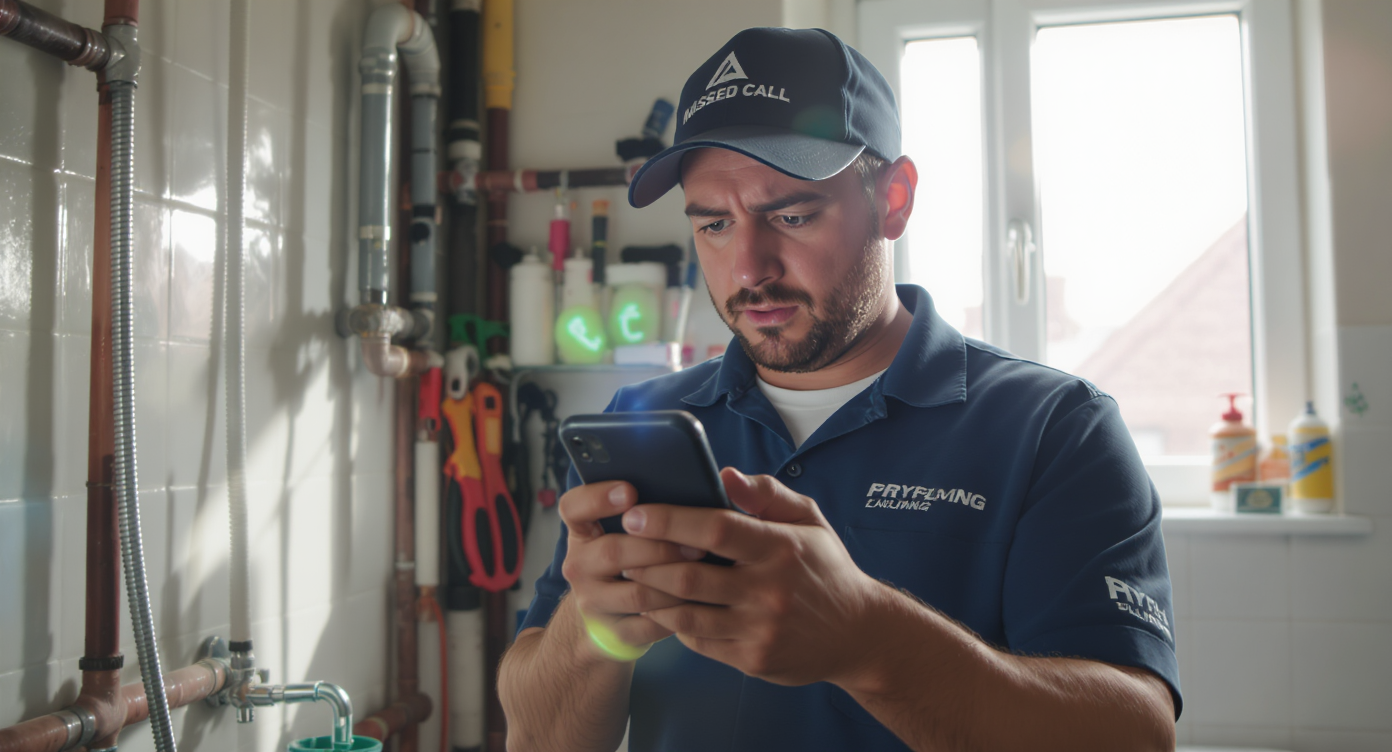
You’re elbow-deep in a pipe repair, hands covered in sealant, and your phone lights up on the dashboard of your van. By the time you can grab it, the caller’s already hung up and dialed the next plumber on Google. That missed call just cost you a job worth $300 or more. And it happens far more often than most plumbing business owners realize. Sound familiar? Understanding how to reduce missed calls for plumbers isn’t just a nice operational improvement. It’s one of the fastest ways to grow revenue without spending another dollar on advertising.
Quick Answer
Plumbers reduce missed calls by implementing automated answering systems, hiring dedicated staff or virtual receptionists, setting up call routing to multiple team members, and using scheduling software that captures caller information automatically. Mobile apps with push notifications ensure calls reach available technicians instantly. Combining these strategies ensures no lead slips through the cracks while your team stays focused on jobs.
What Does “Reducing Missed Calls” Actually Mean for a Plumbing Business?
Reducing missed calls means creating systems and workflows so that every incoming call gets answered, routed, or responded to, even when you and your crew are physically unable to pick up the phone. It doesn’t necessarily mean a human answers every ring. Instead, it means building a reliable call-handling process that captures the caller’s information, qualifies the job, and books the appointment before that prospect moves on to a competitor.
For plumbers specifically, this is harder than it sounds. Your hands are often wet, dirty, or holding a wrench in a crawl space with poor cell signal. According to recent research on missed business calls, roughly 62% of calls to small businesses go unanswered. In a trade like plumbing, where a single emergency leak call can be worth $500 to $2,000, even a handful of missed calls per week adds up to serious lost income over a year.
Free weekly newsletter
Growth tips for home service businesses
Every Tuesday — actionable ideas to get more leads, reviews, and repeat customers. No fluff.
Why Plumbers Miss So Many Calls (And Why It Hurts More Than You Think)
The Nature of the Work Makes It Almost Inevitable
Plumbing isn’t a desk job. You’re under sinks, inside wall cavities, crawling through basements with spotty reception. Every one of those moments is an opportunity for a call to slip through. And unlike retail or professional services, you can’t just pause what you’re doing. Stopping mid-repair to answer a phone call risks water damage, safety issues, or a botched job for your current customer.
Most solo plumbers and small crews don’t have a dedicated office person answering phones. The Federal Reserve’s small business data consistently shows that businesses with fewer than 10 employees struggle the most with staffing operational roles like reception. So the phone rings. Nobody answers. The caller moves on.
The Real Dollar Cost of Each Unanswered Ring
Here’s what makes this sting. A homeowner with a burst pipe at 9 PM isn’t browsing casually. They’re calling the first three plumbers they find, and they’re booking with whoever picks up first. According to one analysis of missed call costs by industry, service businesses lose an average of over $100,000 annually to unanswered calls. For plumbing companies running emergency services, the per-call value is often even higher because of the urgency premium.
What’s worse? Most plumbers don’t track how many calls they miss. They only see the jobs they booked, not the ones that called and never called back. That blind spot makes it easy to underestimate the problem. And hard to justify solutions until you actually look at the numbers.
📺 Watch: Missed Call Text Back Setup in 5 Minutes
Practical Strategies to Reduce Missed Calls for Your Plumbing Business
Set Up Call Routing and After-Hours Flows
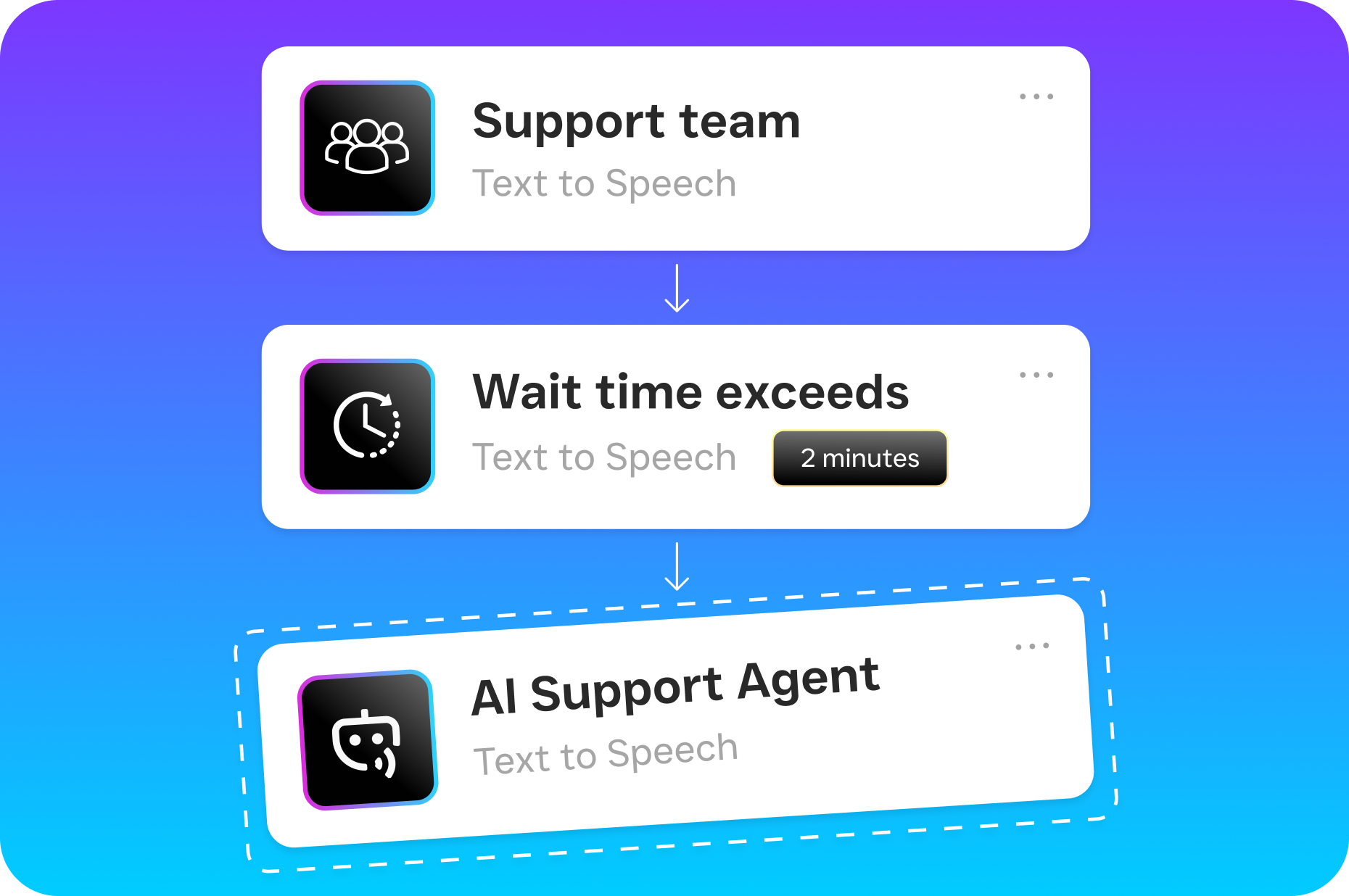
The simplest first step is making sure calls don’t just ring your personal cell phone and die. A proper call flow routes incoming calls through a defined sequence: ring the office line first, then forward to your mobile, then to a backup number, then to voicemail or an automated system. Without this, you’re relying on a single point of failure.
Effective call flows for plumbing businesses typically include these elements:
- Business hours routing: Ring the office or dispatcher first, overflow to technicians in the field if no answer within 15 seconds.
- After-hours handling: Route calls to an automated system, AI agent, or answering service so weekend and evening emergency calls still get captured.
- IVR menus: A brief “Press 1 for emergencies, Press 2 for estimates” menu routes callers to the right person faster and filters out spam or sales calls.
- Voicemail-to-text: Even if a call reaches voicemail, getting that message transcribed and texted to you instantly means you can respond within minutes rather than hours.
These aren’t complicated to configure with modern phone systems. They make an immediate difference. The Biz2Credit small business industry report highlights that home services businesses investing in operational efficiency tools see faster revenue growth than those that don’t.
Use Missed Call Text-Back to Recover Lost Leads
Not every call can be answered live. That’s just reality. But a call that goes to voicemail doesn’t have to be a dead end. Missed call text-back sends an automatic SMS to anyone whose call you couldn’t pick up, typically within seconds. Something like: “Hey, sorry we missed your call! How can we help? Reply here or we’ll call you back shortly.”
Why does this work so well? The caller is still at their phone. They just called you. A quick text keeps the conversation alive and gives you a way to respond when you’ve finished the job you’re working on. Many plumbers report that text-back alone recovers 30-40% of calls they’d otherwise lose completely.
Deploy an AI Phone Agent for 24/7 Coverage
Hiring a full-time receptionist costs $30,000 to $45,000 per year according to Bureau of Labor Statistics data for receptionists. For a small plumbing company, that’s significant overhead. Especially if call volume doesn’t justify a dedicated person. An AI phone agent offers an alternative that’s available around the clock at a fraction of the cost.
Modern AI voice agents don’t sound like robotic IVR systems from ten years ago. They carry natural conversations, answer common questions (“Do you service the 77054 zip code?” “What’s your emergency rate?”), qualify leads by asking about the type of job, and book appointments directly into your calendar. The caller gets helped immediately. You don’t lose the lead. And you don’t need to hire anyone.
Here’s what a good AI phone agent should handle for a plumbing business:
- Answer calls 24/7, including weekends and holidays when emergency demand spikes
- Ask qualifying questions: type of issue, location, urgency level
- Book appointments or dispatch requests into your scheduling tool
- Provide instant answers to FAQs about pricing, service areas, and hours
- Block spam and robocalls so they don’t waste your time
- Route genuine emergencies to your on-call technician immediately
Consolidate All Communication Into One Place
Plumbing businesses get inquiries from everywhere: phone calls, website chat, Facebook messages, Google Business Profile messages, texts. If you’re checking five different apps throughout the day, messages slip through the cracks. A unified inbox pulls every channel into a single view so nothing gets lost. Your whole team can see the conversation history for each customer.
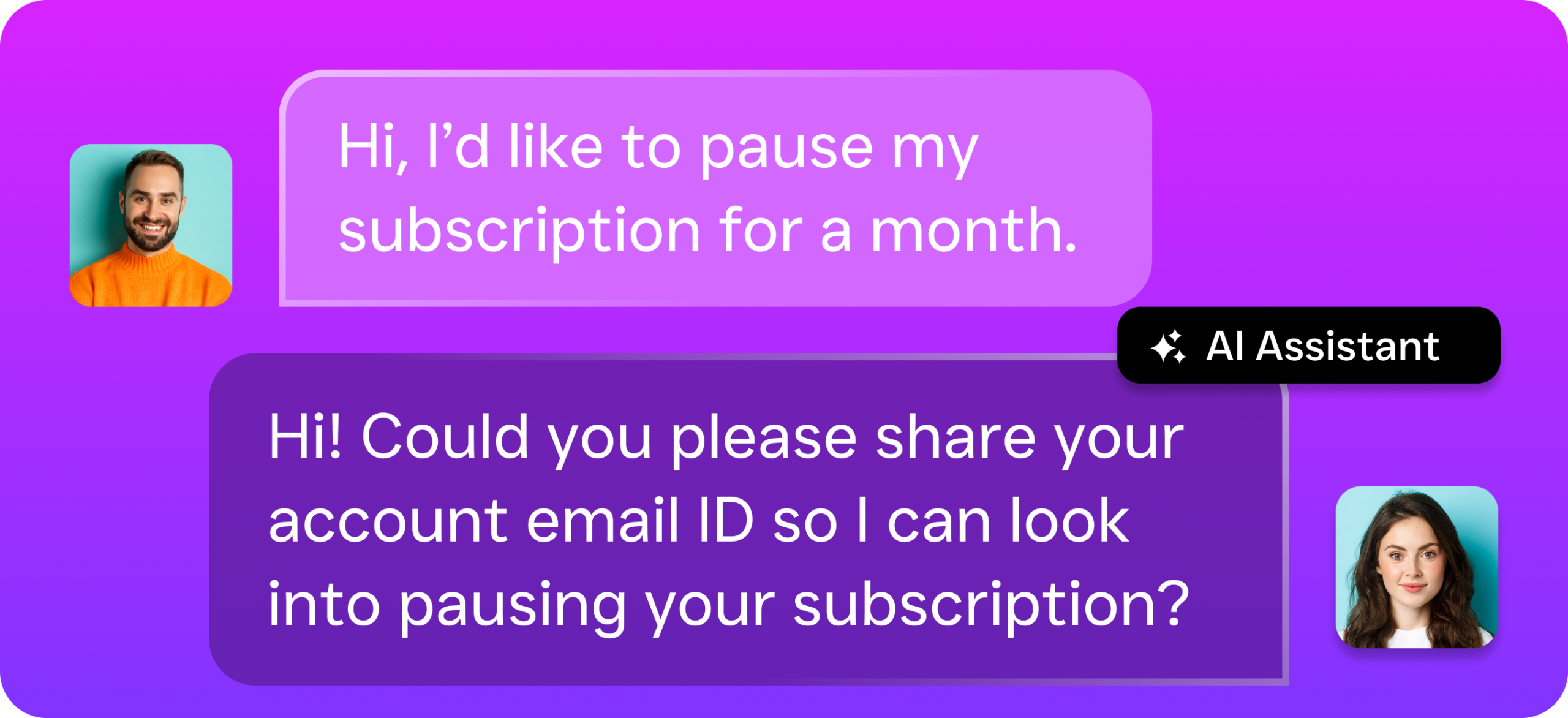
This consolidation also prevents a common scenario. A customer texts you, doesn’t hear back, calls the office, talks to someone who has no idea about the text, and gets frustrated enough to call your competitor instead. When every interaction lives in one thread per customer, continuity problems disappear.
How SalesCaptain Helps Plumbing Businesses Capture Every Call
SalesCaptain was built specifically for service businesses like plumbing companies that can’t afford to miss calls. But also can’t afford to hire a full-time receptionist. Its AI Phone Agent answers every call with a natural-sounding voice, asks qualifying questions about the type of plumbing issue, books appointments, and routes emergencies to your on-call number. It costs $0.12 per minute, which means a typical two-minute call runs $0.24 compared to the hundreds of dollars that missed call could’ve been worth.
Beyond voice, SalesCaptain’s AI Chat Agents handle SMS, webchat, Instagram DMs, and Facebook Messenger. So inquiries coming through your social media or website get instant responses too. Everything flows into the Unified Inbox, where you and your team see calls, texts, chats, and notes in one place. No more bouncing between apps or missing a message that came in through an unfamiliar channel.
The platform’s Call Flows builder uses drag-and-drop configuration. You don’t need any technical skills to set up routing logic for business hours, after-hours, and weekends. And with missed calls costing small businesses thousands each year, the free Startup plan lets you test it on one location without any upfront commitment. Integrations with tools like HousecallPro, ServiceFusion, and Zapier mean your existing scheduling and CRM workflows stay intact.
Key Takeaways
Reducing missed calls for a plumbing business requires more than good intentions. You need systems that work when your hands are dirty, when you’re in a crawl space, and when it’s 11 PM on a Saturday. The combination of smart call routing, missed call text-back, and AI phone agents covers every gap in your availability without requiring you to hire additional staff.
- Every missed call is a potential job lost to a competitor who picked up faster.
- Call flows with after-hours routing and IVR menus are table-stakes infrastructure for any plumbing company.
- Missed call text-back is the simplest, highest-ROI change you can make today.
- AI phone agents provide 24/7 live answering at a cost that’s negligible compared to the revenue they protect.
- A unified inbox prevents leads from falling through the cracks across phone, text, chat, and social media.
The plumbing businesses growing fastest in 2025 aren’t necessarily the ones spending the most on ads. They’re the ones capturing every lead that already comes in. Fix your call handling. And you’ll likely discover you had more demand than you realized.
Frequently Asked Questions
How many calls does a typical plumbing business miss each week?
It varies by size, but research from missed call studies across small businesses suggests that companies without dedicated call handling miss a significant percentage of incoming calls. For solo plumbers and small crews who are on job sites all day, the number can easily reach 10 to 20 missed calls per week. Especially when you factor in after-hours and weekend calls.
Will customers actually talk to an AI phone agent instead of a real person?
Yes, they’ll. Today’s AI voice agents sound remarkably natural, and most callers don’t realize they’re speaking with AI. What matters to a homeowner with a leaking pipe isn’t whether the voice is human. It’s whether someone answers and helps them right now. An AI agent that picks up on the first ring and books the job outperforms a voicemail box every time.
Is it worth hiring an answering service instead of using AI?
Traditional human answering services like Ruby or Smith.ai charge per minute or per call. Costs add up quickly, especially for after-hours emergency calls that tend to run longer. They also can’t integrate directly with your scheduling software in most cases. AI agents cost a fraction per minute and can book appointments, qualify leads, and answer FAQs without any per-agent staffing overhead. For most small plumbing companies, AI is the more scalable choice.
What if I’m in a basement with no cell signal?
That’s exactly the scenario where AI phone agents and call flows prove their value. Because these systems run on your business phone number at the platform level, they don’t depend on your personal cell signal. Even if you’re completely unreachable underground, the AI agent answers the call, qualifies the lead, and books the appointment. You see the details as soon as you’re back in range.
How quickly can I set up call routing and missed call text-back?
With a platform like SalesCaptain, most plumbing business owners get basic call flows and missed call text-back configured within 30 minutes. The drag-and-drop builder doesn’t require any coding or technical expertise. You define your business hours, set your routing sequence, customize your text-back message, and you’re live.
Ready to see it in action?
See how plumbers use SalesCaptain to capture every call and book more jobs automatically.
Book a Free Demo →See How SalesCaptain Can Help Your Plumbing Business
Stop losing jobs to missed calls. SalesCaptain’s AI Phone Agent, missed call text-back, and unified inbox give your plumbing business 24/7 coverage without hiring a single extra person. The free Startup plan lets you try it on one location with zero risk.