
AI-powered customer experience marketing (CXM) platform that helps local businesses win.


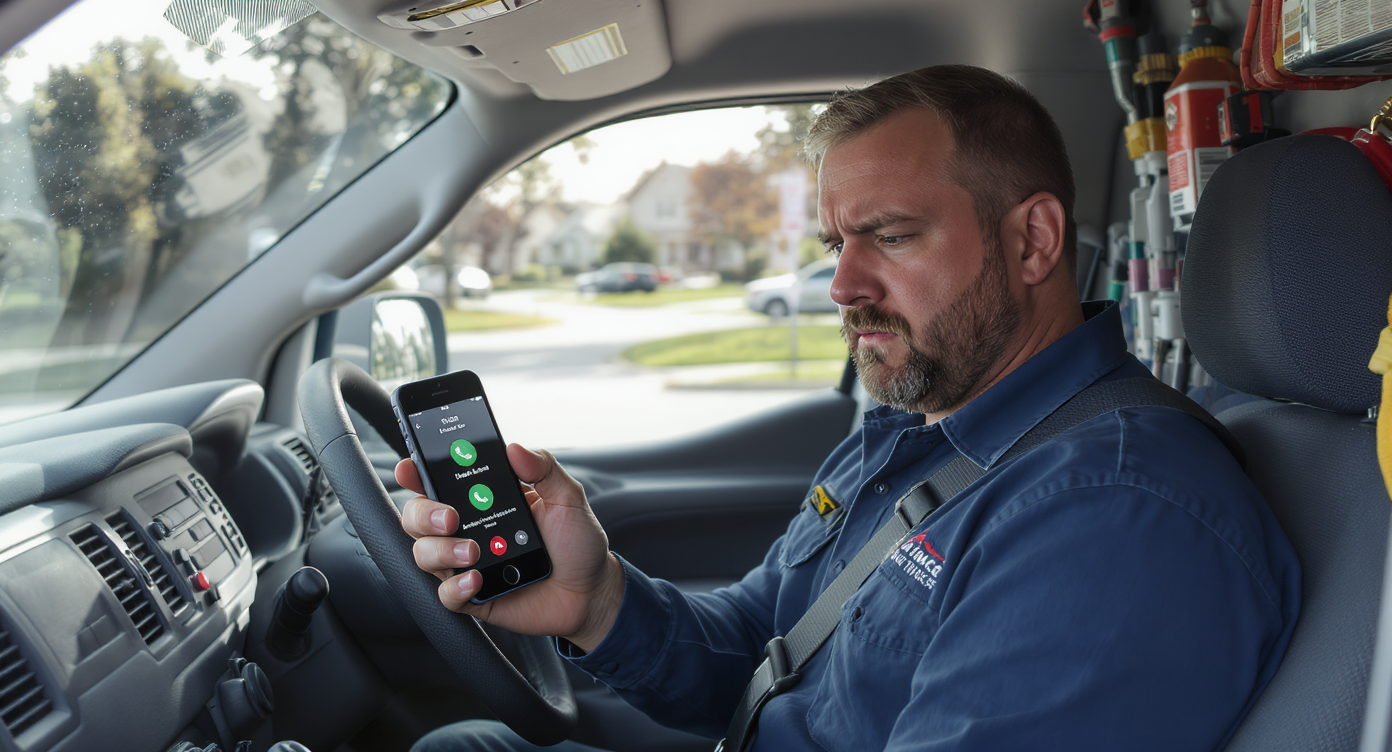
Every unanswered call at your HVAC company is a homeowner who needed help right now. And they’re already dialing your competitor. If you’re wondering how to reduce missed calls for HVAC companies, the answer isn’t just “hire more people.” It’s about building systems that catch every call, even the ones that come in at 2 AM when a furnace dies in January. Sound familiar?
Quick Answer
HVAC companies reduce missed calls by implementing call routing systems, hiring dedicated receptionists or using answering services, setting up voicemail-to-email transcription, training staff on phone protocols, and deploying AI-powered systems that answer calls 24/7. Combining multiple strategies—like call queuing during peak times and automated callbacks—ensures no lead slips through the cracks, directly protecting revenue.
What Are Missed Calls and Why Do They Hit HVAC Companies So Hard?
A missed call is any incoming call your business doesn’t answer live. That includes calls that go to voicemail, ring out, or get dropped during peak hours. For most businesses, it’s a minor inconvenience. For HVAC companies? It’s an emergency.
Here’s why. HVAC customers don’t browse. They call because something broke. According to research from Aira, roughly 62% of business calls go unanswered. That’s staggering on its own. But HVAC calls carry higher urgency and higher ticket values than most service industries. A single missed call during a heat wave could represent a $5,000+ system replacement. And because of that, industry data from SkipCalls estimates that small businesses lose over $26,000 per year from missed calls alone. For HVAC shops running tight margins, that’s not a rounding error. It’s real money walking out the door.
Free weekly newsletter
Growth tips for home service businesses
Every Tuesday — actionable ideas to get more leads, reviews, and repeat customers. No fluff.
When and Why HVAC Companies Miss the Most Calls
Understanding the pattern behind missed calls is the first step toward fixing it. Most HVAC owners assume the problem is random. It isn’t. Missed calls cluster around predictable moments. And each one has a different root cause.
After-Hours and Weekends
HVAC emergencies don’t respect business hours. A frozen pipe at midnight. A broken AC on a Saturday afternoon. Your office phone rings, nobody picks up, and the caller moves on. According to the Federal Reserve’s Small Business survey data, staffing remains one of the top constraints for small firms. Most HVAC companies simply can’t afford round-the-clock front desk coverage. That’s just reality.
Peak Season Call Surges
Summer cooling season and winter heating breakdowns create massive call spikes. Your one or two office staff members get overwhelmed. While they’re booking one appointment, three more calls go unanswered. These aren’t slow-inquiry calls either. Every one of them is someone who needs service today. What does that pressure look like in practice?
Technicians in the Field
Many smaller HVAC operations route calls to the owner’s cell or to technicians who are elbow-deep in ductwork. Obviously, they can’t answer. So calls bounce to a generic voicemail that most callers won’t bother leaving a message on. Research from Voksha shows that the majority of callers who reach voicemail simply hang up and call someone else. They don’t wait around.
📺 Watch: Missed Call Text Back Setup in 5 Minutes
Proven Strategies to Reduce Missed Calls
You don’t need a massive budget to fix this problem. You need the right combination of process changes and technology. Here are the approaches that actually work for HVAC businesses.
Set Up Intelligent Call Routing
A single phone line ringing one device is a recipe for missed calls. Instead, build a call flow that routes calls based on time of day, caller intent, and staff availability. During business hours, ring the front desk first. Then overflow to a backup. After hours, route to a different handler entirely. This alone cuts missed calls dramatically.
Use AI to Handle What Your Team Can’t
AI phone agents have gotten remarkably good. A well-configured AI voice agent can answer calls, qualify whether it’s an emergency or routine maintenance, book the appointment, and answer common pricing questions. No hold music. No voicemail. The caller gets helped immediately. Even at 3 AM.
Deploy Missed-Call Text-Back
For calls that do slip through, an automatic text-back buys you time. When a call goes unanswered, the system immediately sends the caller an SMS: “Sorry we missed your call. How can we help?” This keeps the conversation alive instead of losing the lead entirely. It’s simple but remarkably effective because it meets the customer where they’re at.
Consolidate Your Communication Channels
Many HVAC companies juggle separate systems for calls, texts, website chat, and social media messages. That fragmentation causes things to fall through the cracks. Bringing everything into one inbox means your team sees every customer touchpoint in one place. Nothing gets buried. Nothing gets lost.
Automate Appointment Reminders and Follow-Ups
A surprising number of “missed calls” are actually customers calling back because they never got a confirmation or reminder. Automating these touchpoints reduces inbound call volume, which frees up your lines for new business. Consider these automations:
- Appointment confirmation texts sent immediately after booking
- 24-hour reminder messages with the option to reschedule via text
- Post-service follow-ups that ask for reviews or offer maintenance plans
- Automated responses to common questions like “What areas do you serve?”
What to Look for in a Missed Call Solution
Not every tool on the market actually solves this problem for HVAC companies. Some platforms are built for enterprise call centers. Others focus on outbound sales dialing. What you need is different. Here’s what matters for a service business handling inbound calls.
- 24/7 call answering that doesn’t rely on human staff being available
- Natural-sounding AI voice that doesn’t frustrate callers with robotic responses
- Appointment booking built into the call flow, not bolted on as an afterthought
- Spam blocking so your team isn’t wasting time on junk calls
- Multichannel coverage across phone, text, webchat, and social messages
- Integrations with your existing tools like ServiceFusion, HousecallPro, or QuickBooks
Traditional answering services like Smith.ai or Ruby use human receptionists, which sounds nice but gets expensive fast. You’re paying per call or per minute. And costs scale linearly with volume. During a summer heat wave when call volume triples, your answering service bill triples too. That’s not sustainable for most HVAC operations. Platform solutions like Birdeye focus primarily on reputation management and lack essential call features like IVR, call routing, or AI-powered call handling. They’re built for a different problem.
How SalesCaptain Helps
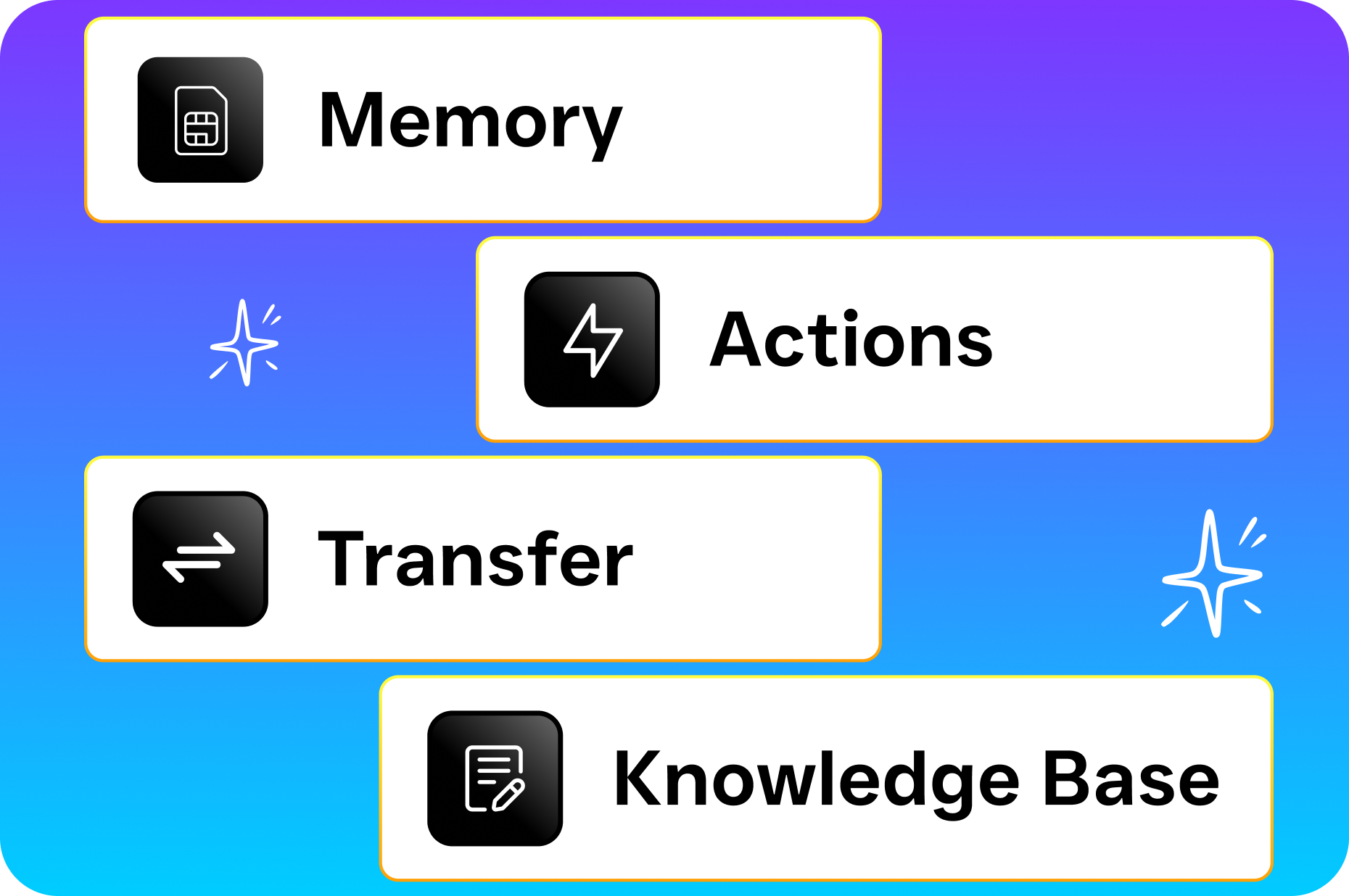
SalesCaptain was built specifically for this problem. Its AI Phone Agent answers every call with a natural-sounding voice. 24 hours a day. It doesn’t just take messages. It qualifies leads, books appointments directly into your schedule, answers FAQs about your services, and blocks spam callers. For HVAC companies, that means the midnight emergency call gets handled just as professionally as the 10 AM tune-up request.
Beyond phone calls, SalesCaptain’s AI Chat Agents cover SMS, webchat, Instagram DMs, and Facebook Messenger with instant responses and lead capture. So if a homeowner texts you after seeing your truck in their neighborhood, they get an immediate reply. Not silence until Monday morning. The missed-call text-back feature ensures that even the rare call that doesn’t get answered still converts into a conversation.
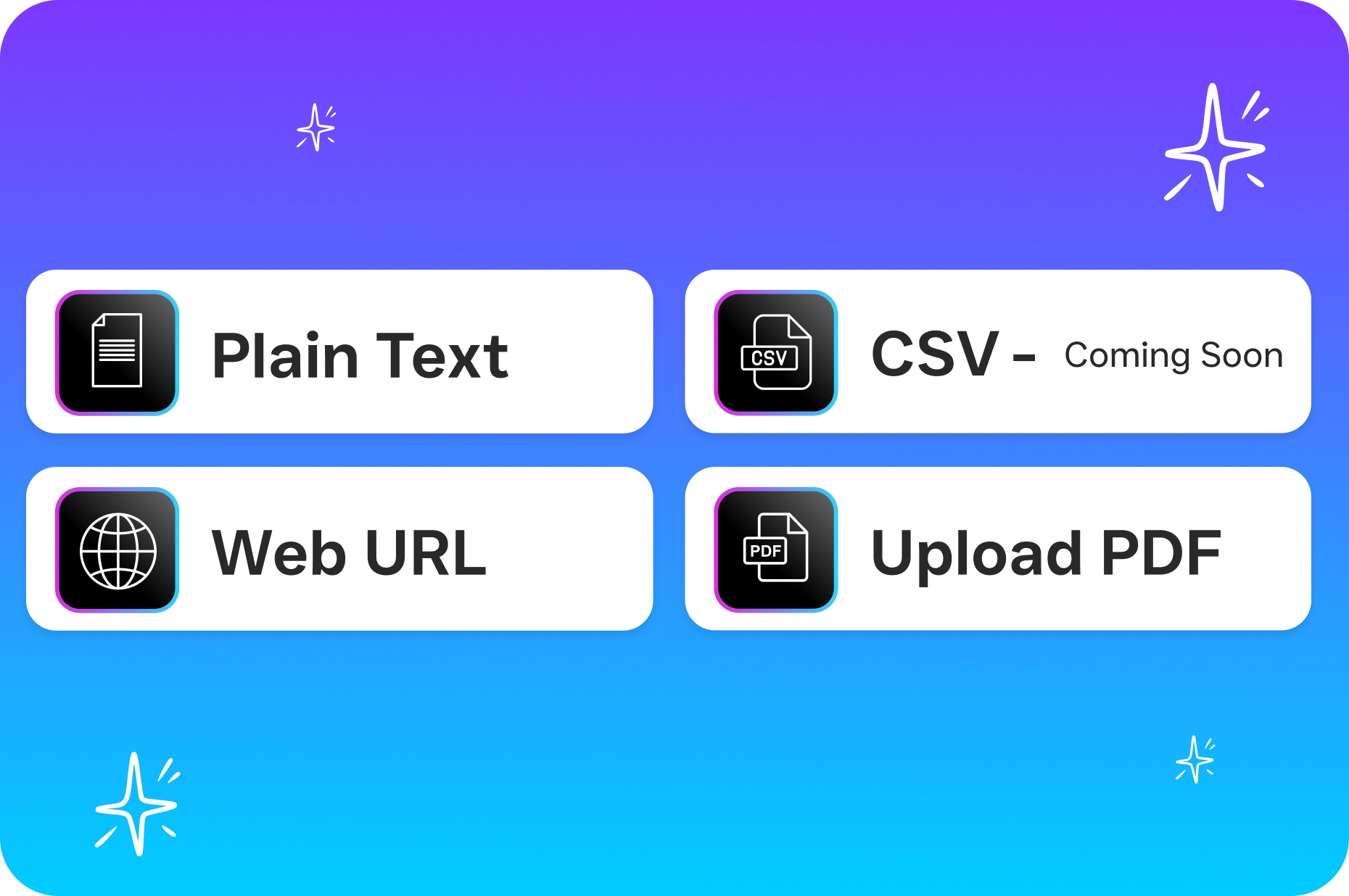
Everything flows into one Unified Inbox where your team can see calls, texts, chats, and social messages in a single view. No switching between apps. No lost leads. And with the drag-and-drop workflow builder, you can automate follow-ups, reminders, and CRM updates without touching code. SalesCaptain integrates natively with tools HVAC companies already use, including HousecallPro, ServiceFusion, and QuickBooks. Pricing starts with a free plan for single locations, with paid plans at $159/month per location. AI call minutes run $0.12/minute, which means the revenue you’re currently losing from missed calls more than covers the cost.
Key Takeaways
Reducing missed calls for your HVAC company isn’t about working harder. It’s about building systems that work when you can’t. The core strategies are straightforward. Intelligent call routing. AI-powered answering. Missed-call text-back. Channel consolidation. Automated follow-ups.
Most HVAC businesses lose tens of thousands of dollars each year to calls that nobody picks up. According to industry analysis from Callsetter, the cost compounds because each missed call doesn’t just lose one job. It loses the lifetime value of that customer, plus every referral they’d have made. The fix doesn’t require hiring more staff or paying per-minute answering service fees. It requires the right technology, configured for how HVAC businesses actually operate. Every call answered is revenue earned.
Frequently Asked Questions
How many calls does the average HVAC company miss per week?
It varies by season and company size, but broad industry data suggests that over half of business calls go unanswered. During peak HVAC seasons, that number climbs even higher as call volume surges beyond what your staff can handle.
Can an AI phone agent really sound natural enough for HVAC customers?
Yes. Modern AI voice agents use conversational speech patterns that sound remarkably human. Callers can ask questions, interrupt, and have a back-and-forth conversation. Most callers won’t realize they’re speaking with AI. And even if they do, they care more about getting their appointment booked.
What’s better for an HVAC company, a live answering service or an AI agent?
Live answering services work but don’t scale affordably. You’re paying per call or per minute. So costs spike during busy seasons. An AI agent handles unlimited concurrent calls at a flat per-minute rate. And it never calls in sick or takes a lunch break. For most HVAC companies, AI offers better coverage at a fraction of the cost.
Will reducing missed calls actually increase my revenue?
Absolutely. Data from multiple sources shows small businesses lose $26,000 or more per year from missed calls. HVAC companies often see higher losses because of the high average ticket value. Capturing even a portion of those missed calls translates directly to booked jobs and revenue.
How quickly can I set up a system to catch missed calls?
With a platform like SalesCaptain, you can configure an AI phone agent with custom call flows in under an hour. There’s no coding required. You use a drag-and-drop builder to set your routing rules, greeting, and booking preferences. Most HVAC companies are fully operational the same day they sign up.
Ready to see it in action?
See how HVAC companies use SalesCaptain to capture every missed call and book more jobs.
Book a Free Demo →See How SalesCaptain Can Help
SalesCaptain gives HVAC companies an AI-powered phone agent, missed-call text-back, and a unified inbox for every channel, all starting with a free plan. Stop losing revenue to unanswered calls.