
AI-powered customer experience marketing (CXM) platform that helps local businesses win.


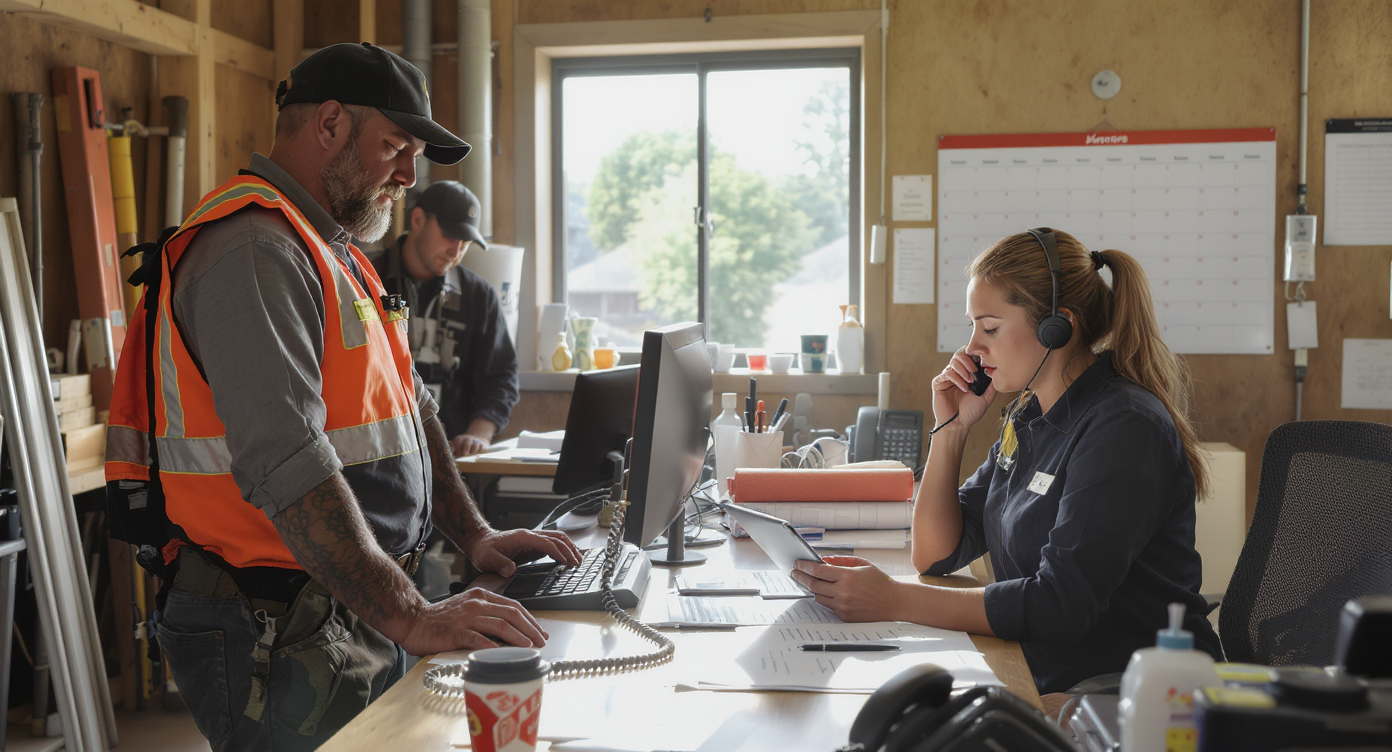
A homeowner’s roof starts leaking at 9 PM on a Tuesday. They call three roofing companies. Two go to voicemail. One picks up, books an inspection for the next morning, and wins a $12,000 job. That’s the reality of missed calls in roofing. Sound familiar? If you’re wondering how to reduce missed calls for roofing companies, the answer isn’t just “hire more people.” It’s about building systems that capture every call, every time, whether your crew is on a roof or your office is closed for the night.
Quick Answer
Roofing companies miss calls due to understaffing, poor phone systems, and no call routing. Implement a dedicated receptionist or virtual answering service, use call tracking software to log every incoming call, set up call forwarding to multiple team members, establish a callback protocol for missed calls, and train staff on phone etiquette. These systems ensure no prospect falls through the cracks and directly increase job conversions and revenue.
What Are Missed Calls and Why Do They Hit Roofers So Hard?
A missed call is any inbound phone call that goes unanswered, gets sent to voicemail, or rings out before a real person (or capable system) responds. For roofing companies, missed calls aren’t just a minor inconvenience. They’re lost revenue. According to research compiled by Aira, a significant percentage of business calls go unanswered, and most callers won’t leave a voicemail or call back.
Roofing is particularly vulnerable to this problem. The work is seasonal and weather-driven, which means call volume spikes unpredictably. After a hailstorm or heavy rain, your phone might ring 50 times in a single afternoon. Your team is on job sites, not sitting by a desk phone. And here’s what makes it worse: roofing leads are high-value. A single residential re-roof can run $8,000 to $25,000. Every unanswered call costs you real money. Analysis from Synvola shows that the cumulative cost of missed calls can reach well into six figures annually for service businesses.
Free weekly newsletter
Growth tips for home service businesses
Every Tuesday — actionable ideas to get more leads, reviews, and repeat customers. No fluff.
Beyond lost jobs, there’s the trust factor. Homeowners dealing with roof damage are anxious. They want someone who picks up immediately and sounds competent. If your competitor answers and you don’t, they’ve already won before you even know the call happened.
Common Reasons Roofing Companies Miss Calls
Before you can fix the problem, you need to understand where calls are slipping through. Most roofing business owners assume they’re just “too busy.” But the real causes are more specific. And they’re fixable.
Your Team Is in the Field
Roofers aren’t desk workers. Your estimators are driving between inspections. Your crew leads are managing jobs. Your office manager—if you even have one—is juggling invoices, permits, and scheduling. When everyone has a primary job that isn’t answering phones, calls inevitably go unanswered. It’s a structural problem, not a people problem.
After-Hours and Weekend Gaps
Homeowners don’t only call between 9 and 5. Storm damage doesn’t wait for business hours. Yet most roofing companies shut their phones off at the end of the workday. According to missed call statistics compiled by SchedulingKit, a large share of inbound service calls happen outside standard business hours. Every one of those after-hours calls? Your competitor’s new customer.
No System for Call Overflow
Even during business hours, call volume can overwhelm a one- or two-person office. When three calls come in simultaneously and you only have one line, two callers hear ringing or get dumped to voicemail. Without call routing, queuing, or overflow handling, you’re leaving money on the table during your busiest moments.
Outdated Phone Setup
Many roofing companies still run on a single cell phone or a basic landline. There’s no IVR menu, no call forwarding rules, no voicemail-to-text. No way to track which calls were answered versus missed. You can’t improve what you can’t measure. According to the Federal Reserve’s small business survey data, many small firms still underinvest in operational technology, leaving gaps in basic customer communication.
📺 Watch: Missed Call Text Back Setup in 5 Minutes
Practical Strategies to Reduce Missed Calls
Now for the actionable part. Reducing missed calls doesn’t require a massive budget or a call center. It does require intentional systems. Here’s what works for roofing companies specifically.
Set Up Intelligent Call Routing and Flows
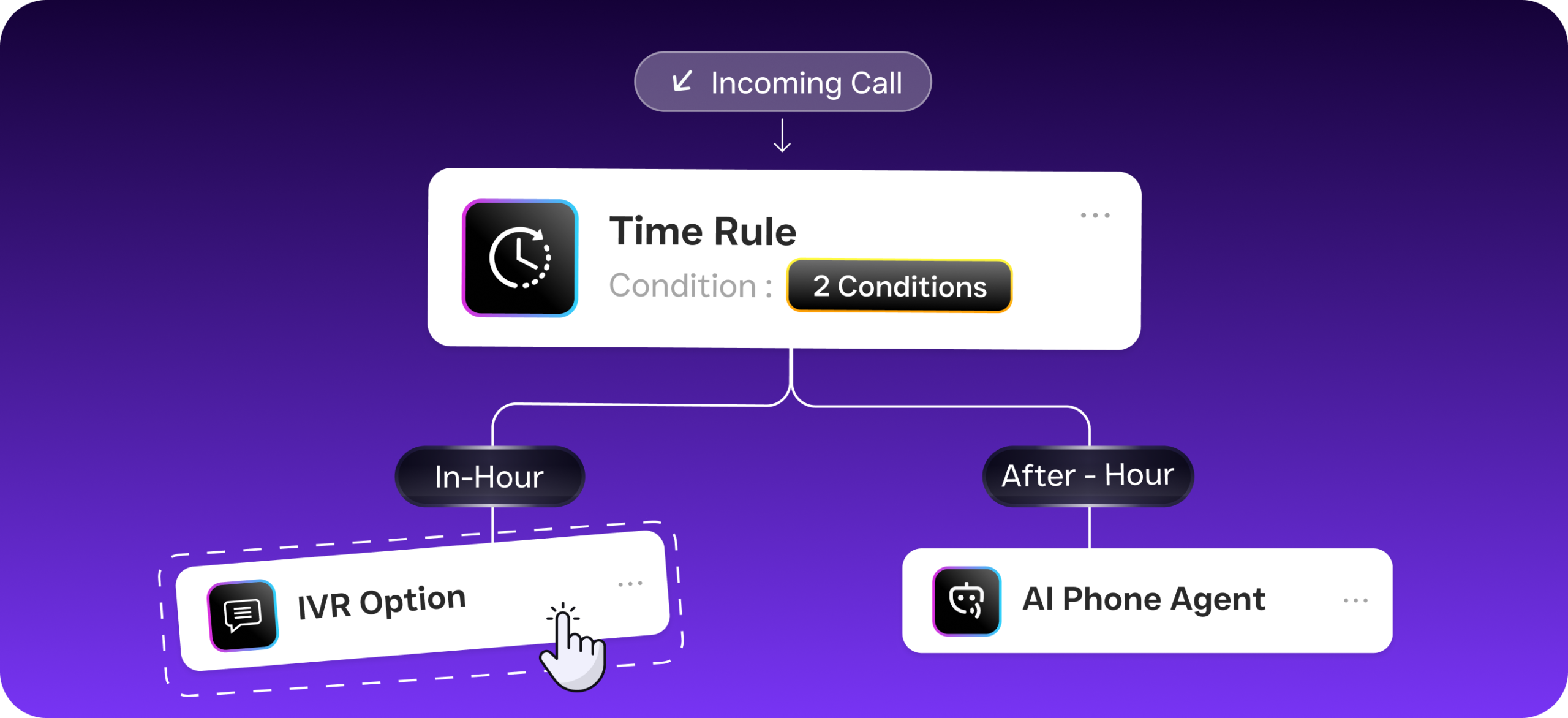
A proper call flow ensures every inbound call follows a defined path instead of just ringing one phone and dying. For a roofing company, that might look like this: the call first rings your office, then forwards to your estimator’s cell after 15 seconds, then routes to an AI agent or voicemail with an automatic text-back if nobody picks up. Layered routing like this cuts your missed call rate dramatically.
Key elements of a strong call flow for roofers include:
- Business hours routing that sends calls to your available staff in a specific sequence
- After-hours rules that automatically shift to AI answering or voicemail with text follow-up
- IVR menus that let callers self-select (“Press 1 for new estimates, Press 2 for existing projects”) so calls reach the right person faster
- Overflow handling for high-volume periods like post-storm surges
Use Missed Call Text-Back
This one feature alone can recover a significant chunk of lost leads. When a call goes unanswered, an automatic SMS fires immediately: “Hey, sorry we missed your call! We’re on a job site right now. Can you share what you need, and we’ll get right back to you?” That text keeps the conversation alive. The homeowner doesn’t call your competitor. They’ve already engaged with you. It’s simple, but surprisingly few roofing companies have it set up.
Deploy AI to Answer When You Can’t
AI voice agents have matured rapidly. A well-configured AI phone agent can answer calls 24/7 with a natural-sounding voice, collect the caller’s information, and answer basic questions about your services. “Do you handle flat roofs? What areas do you serve?” It can even book inspection appointments directly. Recent analysis of AI receptionist options for small businesses shows that these tools now handle the vast majority of routine inbound calls without human intervention.
For roofing companies, this solves two problems at once. You don’t miss calls, and you don’t need to hire a full-time receptionist at $35,000+ per year. The AI handles the intake. Your team handles the actual roofing work.
Consolidate Your Communication Channels
If your calls go to one phone, your texts to another app, your Facebook messages to someone’s personal account, and your website chat to an email inbox nobody checks, you’re going to miss things. Consolidating everything into a single inbox where your team can see calls, texts, social messages, and web inquiries in one place eliminates the chaos. Plus, you’ll spot patterns. Which hours generate the most missed calls? Which channels do your customers prefer?
Track and Measure Your Call Performance
You can’t reduce missed calls if you don’t know how many you’re missing. At minimum, track these numbers:
- Total inbound calls per day and week
- Percentage of calls answered vs. missed
- Average response time for missed call follow-ups
- Conversion rate from answered calls to booked inspections
- After-hours call volume as a share of total calls
These numbers tell you exactly where your gaps are. Maybe you’re fine during business hours but losing 40% of evening calls. Maybe Mondays after storms overwhelm your single office line. Data points you to the fix.
How SalesCaptain Helps Roofing Companies Capture Every Call
SalesCaptain was built for exactly this type of problem. It’s a unified communication platform designed for service businesses like roofing companies, combining AI phone agents, AI chat agents, and a collaborative inbox in one tool.
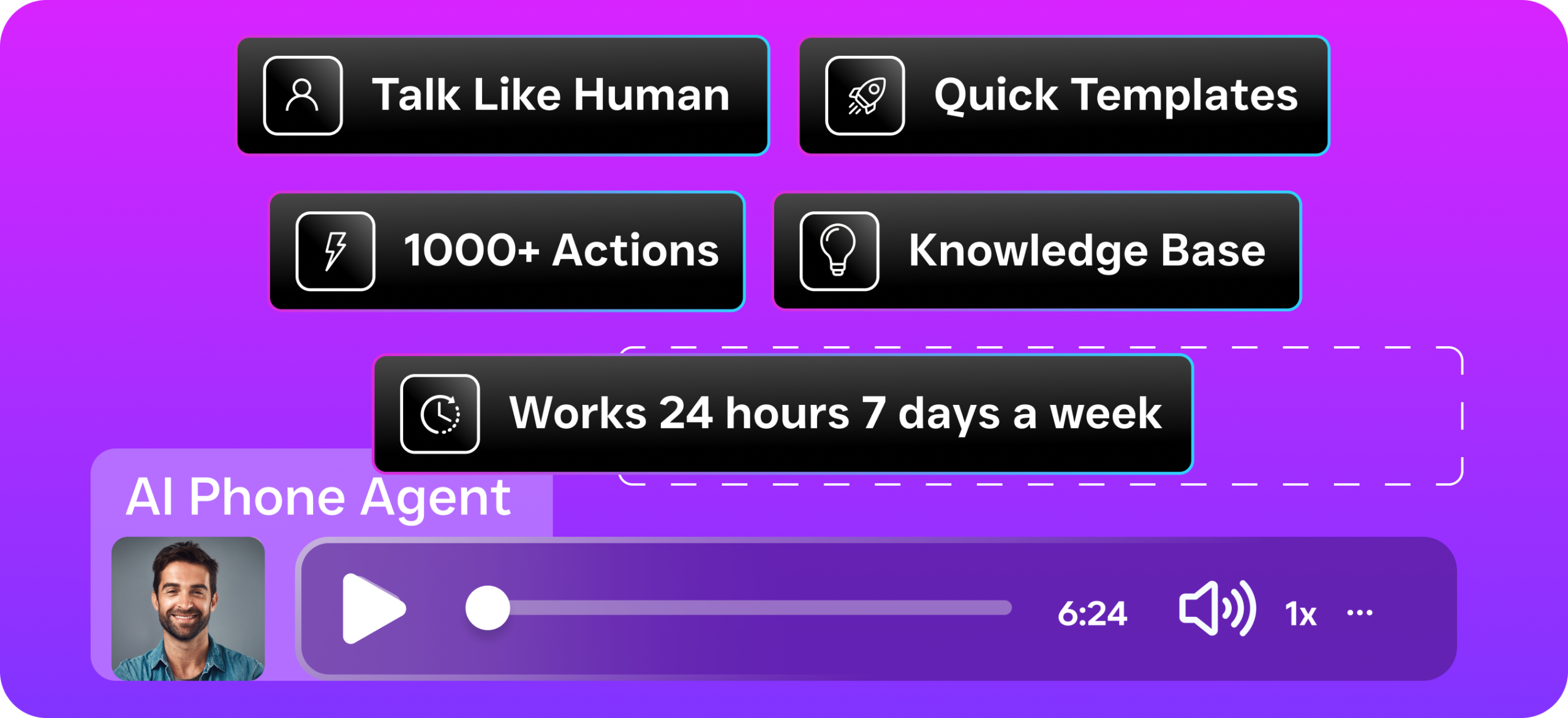
What does that look like in practice for a roofing company? The AI Phone Agent answers every call 24/7 with a natural voice, qualifies leads by asking about the type of roof, the issue, and the address, then books an inspection appointment directly on your calendar. It blocks spam calls so your team isn’t wasting time on telemarketers. And it handles FAQs without any human involvement.
The drag-and-drop call flow builder lets you set up routing rules without any technical expertise. Route calls by time of day, by team member availability, or by caller selection through an IVR menu. After-hours calls automatically shift to the AI agent. So you never miss a storm-damage lead at 10 PM.
On top of voice, SalesCaptain’s AI Chat Agents handle SMS, webchat, Instagram DMs, and Facebook Messenger. When a homeowner texts you a photo of their damaged roof or messages your Facebook page at midnight, they get an instant response. The conversation feeds into your unified inbox alongside call records, transcriptions, and team notes.
For roofing companies running multiple crews or locations, per-location pricing keeps costs predictable. And with integrations into HubSpot, Salesforce, HousecallPro, and Zapier, your lead data flows directly into whatever CRM or scheduling tool you already use. According to the Biz2Credit 2024 small business industries report, construction and home services remain among the fastest-growing small business categories. The competition for every inbound lead is only intensifying.
Key Takeaways
Reducing missed calls for roofing companies comes down to three things: removing single points of failure in your phone system, automating responses for the hours and moments when humans can’t answer, and consolidating your communication channels so nothing falls through the cracks. None of this requires a large staff. Or a six-figure technology budget.
- Missed calls cost roofing companies tens of thousands in lost revenue annually, especially during storm seasons and after hours.
- Intelligent call flows with layered routing, IVR, and overflow rules are the foundation of a reliable phone system.
- Missed call text-back keeps leads engaged even when you can’t pick up.
- AI phone agents now handle 24/7 call answering, lead qualification, and appointment booking at a fraction of the cost of hiring staff.
- A unified inbox for calls, texts, chat, and social messages eliminates the fragmented communication that causes missed opportunities.
- Tracking call metrics reveals exactly where and when your gaps occur, so you can fix them precisely.
Every unanswered call is a roofing job you handed to your competitor. The tools to stop that are available now. They’re affordable. And they’re built for businesses exactly like yours.
Frequently Asked Questions
How many calls does the average roofing company miss per week?
It varies by company size and season, but industry data from Voksha indicates that service businesses commonly miss 20% to 40% of inbound calls. For a roofing company receiving 50 calls a week, that’s 10 to 20 potential customers who never got through. During storm season, that number spikes significantly.
Is an AI phone agent as effective as a human receptionist for roofing calls?
For routine tasks like collecting caller information, answering service area questions, and booking inspections, absolutely yes. Modern AI voice agents sound natural and handle these interactions reliably. They won’t replace your team for complex conversations about insurance claims or custom project scoping. But they’ll capture the lead and get them on your calendar so your team can follow up with full context.
What’s the fastest way to reduce missed calls without hiring anyone?
Set up missed call text-back first. It’s the lowest-effort, highest-impact change you can make. Any call that goes unanswered automatically triggers a text message to the caller, keeping them engaged until your team can respond. Pair that with after-hours call routing to an AI agent. You’ve covered your two biggest gaps without adding headcount.
How much does it cost to set up call flows and AI answering for a roofing company?
Costs range widely depending on the platform. SalesCaptain offers a free plan for a single location, with business plans at $159/month per location and AI call minutes at $0.12/minute. Compare that to hiring a receptionist at $15 to $20/hour. The math is straightforward, especially when the AI works nights, weekends, and holidays without overtime.
Can I keep my existing business phone number?
Yes. Most modern phone platforms, including SalesCaptain, support number porting. You keep the number your customers already know. All the new call flow, routing, and AI features work behind it. There’s no disruption to your existing marketing materials or signage.
Ready to see it in action?
See how roofing companies use SalesCaptain to capture every missed call and book more jobs.
Book a Free Demo →See How SalesCaptain Can Help Your Roofing Company Capture Every Call
SalesCaptain gives roofing companies AI-powered call answering, smart call flows, missed call text-back, and a unified inbox for every customer conversation. Stop losing jobs to voicemail and start closing more leads around the clock.
Visit SalesCaptain.com to explore the platform and set up your AI phone agent today.