
AI-powered customer experience marketing (CXM) platform that helps local businesses win.


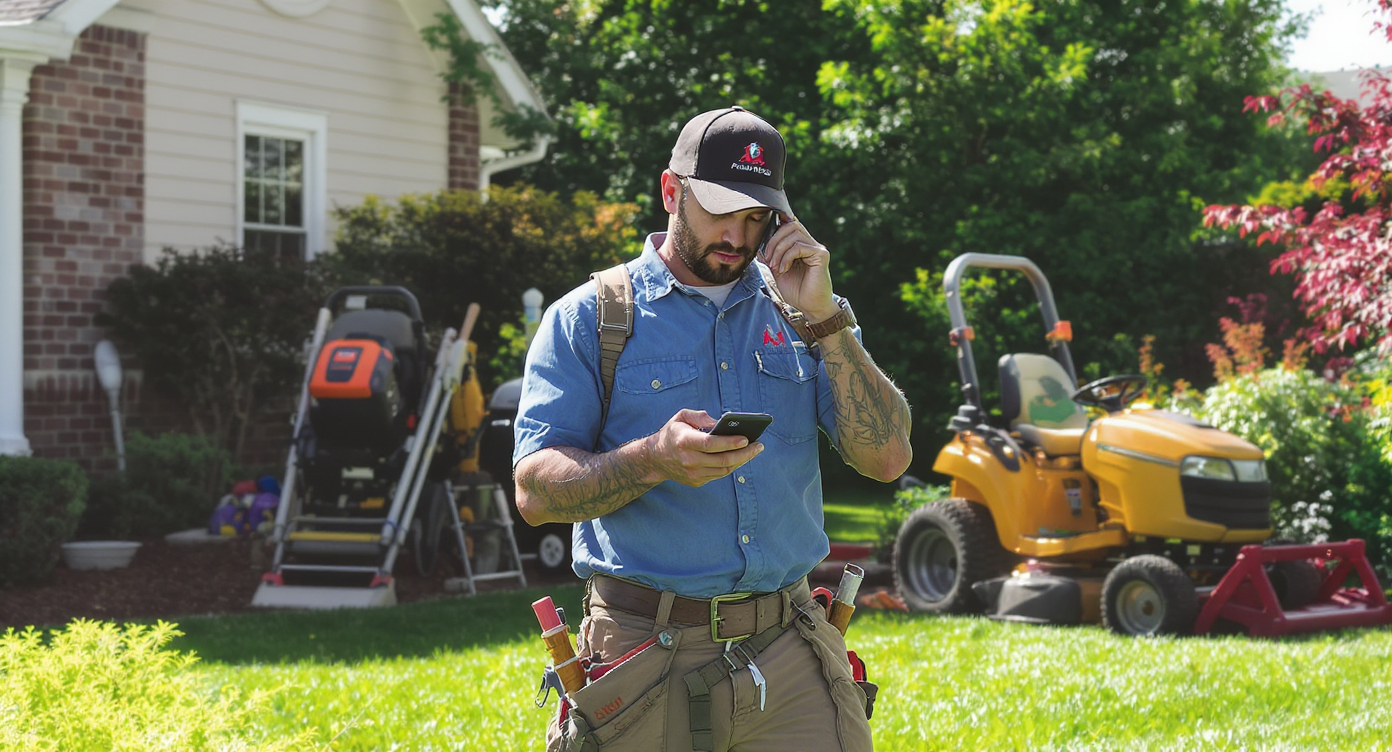
A homeowner searches “landscaper near me,” calls the first company that shows up, and nobody picks up. Within seconds, they’ve dialed the next number on the list. That lead is gone. You probably don’t even know it happened. Learning how to reduce missed calls for landscaping companies isn’t just about better phone habits. It’s about building a system that catches every single call, even when your crew is knee-deep in a job site. Sound familiar?
Quick Answer
Landscaping companies miss calls due to understaffed teams and no call handling system. Reduce missed calls by implementing an automated answering service, routing calls to available staff, using call tracking software, and establishing clear phone protocols. Schedule dedicated call-answer times, hire part-time phone support during peak seasons, and train staff on quick response procedures. Track metrics to identify problem areas.
What Counts as a “Missed Call” for Landscaping Businesses
A missed call is any inbound call that doesn’t reach a live person or a system that can meaningfully handle the caller’s request. That includes calls that ring out, hit a generic voicemail, or get answered by someone who can’t actually help. For landscaping companies, the problem runs deeper. Your team is outside, running equipment, driving between jobs, or meeting with clients. The phone rings during all of those moments.
Here’s what makes this costly. Most residential customers call two or three companies and go with whoever answers first. According to data compiled by Aira, a significant percentage of business calls go unanswered across industries. For field service businesses like landscaping, the rate is often worse because there’s rarely a dedicated receptionist sitting at a desk. Every missed call represents not just a lost conversation, but a lost job that could’ve been worth hundreds or thousands of dollars.
Free weekly newsletter
Growth tips for home service businesses
Every Tuesday — actionable ideas to get more leads, reviews, and repeat customers. No fluff.
Why Landscaping Companies Miss More Calls Than Most Businesses
The landscaping industry has a unique set of challenges that make missed calls almost inevitable without the right systems. Understanding these root causes is the first step toward fixing them.
Your Team Is in the Field, Not at a Desk
Unlike a dental office or law firm, landscaping crews spend their entire day outdoors. Mowers, blowers, and chainsaws make it impossible to hear a phone, let alone have a professional conversation. Even if an owner carries their phone on-site, answering mid-job creates real problems. You’re distracted, you can’t take notes. The caller gets a rushed experience.
Seasonal Call Spikes Are Unpredictable
Spring and early summer bring a flood of calls. Often doubling or tripling your normal volume in weeks. According to the National Association of Landscape Professionals, the industry generates the bulk of its annual revenue during a compressed growing season. That means your busiest months are exactly when you’re least available to answer the phone. Hiring seasonal office staff to handle this spike is expensive and slow.
After-Hours Calls Fall Through the Cracks
Homeowners often search for services in the evening after work. They call at 7 PM, get voicemail, and move on. Research from SkipCalls shows small businesses can lose over $26,000 per year from missed calls alone. For landscaping companies, those evening and weekend calls represent some of the highest-intent leads. People who are ready to book, not just browsing.
📺 Watch: Missed Call Text Back Setup in 5 Minutes
Proven Strategies to Reduce Missed Calls
There’s no single fix that works alone. The most reliable approach layers multiple strategies so that no matter when or how a customer calls, something catches them. Here’s what actually works for landscaping companies.
Set Up Automated Call Routing and IVR
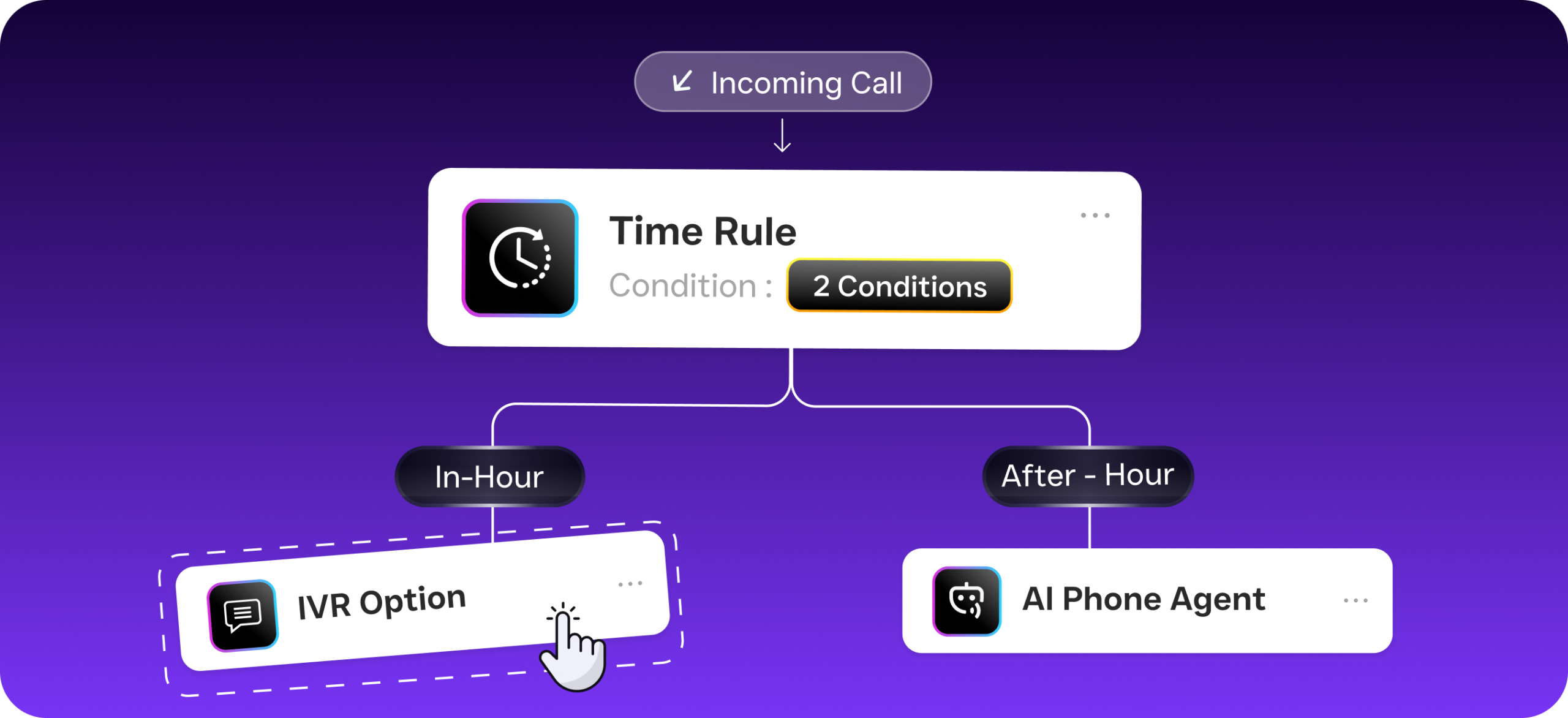
A basic but effective step is routing calls based on time of day, caller intent, or team availability. An IVR (interactive voice response) system lets callers choose options like “press 1 for new quotes, press 2 for existing customers” so calls reach the right person without bouncing around. This alone reduces the number of calls that ring out or go to voicemail.
Use Missed-Call Text-Back
When you can’t pick up, an automatic text response keeps the lead warm. Instead of silence, the caller gets something like “Hey, we’re on a job right now but got your call. Can we help you with a quote?” That instant response buys you time. It dramatically increases the chance the customer waits for your callback instead of dialing a competitor. According to Voksha’s research on missed call costs, the revenue impact of failing to respond quickly compounds across dozens of missed calls each month.
Deploy a 24/7 AI Phone Agent
This is where the biggest shift is happening. An AI phone agent doesn’t just take a message. It answers the call in a natural voice, asks the right questions, qualifies the lead, and can even book an appointment on your calendar. No hold music, no voicemail, no waiting. The caller gets handled immediately, whether it’s 2 PM on a Tuesday or 9 PM on a Saturday.
Traditional answering services like Smith.ai or Ruby use human receptionists, which sounds appealing in theory. But they charge per minute or per call. Costs scale linearly with volume. During your spring rush, that bill can balloon fast. AI agents, by contrast, handle unlimited concurrent calls at a flat or per-minute rate that’s a fraction of human answering service costs.
Automate Appointment Reminders and Follow-Ups
Many “missed calls” aren’t first-time leads. They’re existing customers calling back because they didn’t get a confirmation, forgot their appointment time, or have a quick question. Automating reminders via SMS eliminates a huge chunk of these inbound calls entirely. Fewer unnecessary calls means your line stays open for new business.
- Send booking confirmations automatically the moment a job is scheduled
- Trigger day-before reminders with the date, time, and crew details
- Follow up post-service with a text asking for a review or feedback
- Auto-send seasonal offers to past customers before peak season hits
Consolidate Communication Into One System
If your team is juggling a personal cell phone, a Google Voice number, Facebook messages, and a website contact form, calls and messages will slip through. A unified inbox pulls every channel into one place so nothing gets lost. Your office manager, crew leads, and you as the owner can see what’s been handled and what hasn’t, in real time.
Building Trust and Growing Revenue Beyond the Phone
Reducing missed calls is one piece of the puzzle. The companies that win the most landscaping jobs also build credibility before the phone even rings. A few complementary strategies make your call-reduction efforts even more effective.
Automate Review Requests After Every Job
Homeowners check reviews before they call. If your Google profile has 12 reviews from 2022, you’re losing leads before they even dial your number. Automating a review request via text after each completed job keeps fresh reviews flowing in without your team having to remember. According to Biz2Credit’s 2024 industry report, home services remains one of the top-performing small business sectors. Online reputation is a key differentiator.
Use Digital Quoting and Payment Tools
Every quote you send by text or email instead of over the phone is one less call your team needs to handle. Similarly, collecting payments via text link instead of a phone call saves time on both sides. These tools reduce inbound call volume while speeding up your sales cycle.
- Send quotes digitally so customers can review and approve on their own time
- Accept payments via text to eliminate phone-based billing conversations
- Use scheduling links so customers book directly without calling
How SalesCaptain Helps
SalesCaptain was built for exactly this problem. It’s a unified communication platform with AI agents that answer calls, respond to texts, and handle webchat around the clock, specifically designed for service businesses like landscaping companies.
What does that look like in practice? A homeowner calls your number at 8 PM on a Thursday. SalesCaptain’s AI Phone Agent picks up, greets them naturally, asks about the type of service they need, collects their address, and books an estimate on your calendar. The entire conversation gets transcribed with an AI summary. Your team sees exactly what was discussed the next morning. If someone texts instead of calling, the AI Chat Agent handles it the same way through SMS, webchat, or even Instagram and Facebook Messenger.
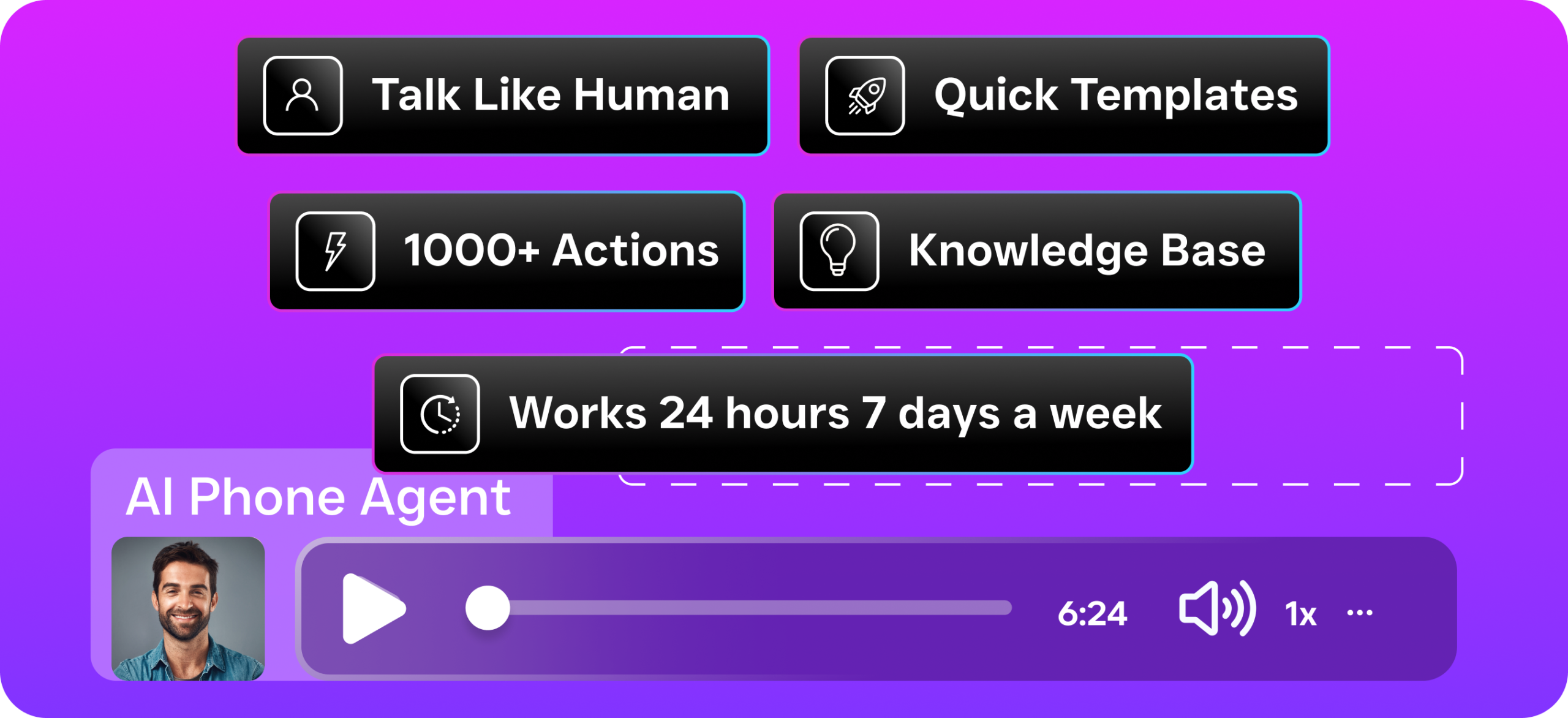
The platform’s features map directly to the strategies covered above:
- AI Phone Agent answers calls 24/7, qualifies leads, books appointments, and blocks spam at $0.12/minute
- Missed-call text-back automatically engages callers you can’t reach in time
- Call Flows builder lets you set up custom IVR, routing, after-hours rules, and voicemail without any technical skills
- Unified Inbox consolidates calls, texts, social DMs, webchat, and email into one collaborative view
- Workflow Automation handles follow-ups, appointment reminders, and review requests on autopilot
- Payments via text and digital quoting reduce unnecessary phone volume
SalesCaptain integrates with tools landscaping companies already use, including HousecallPro, ServiceFusion, QuickBooks, and Zapier. Per-location pricing starts with a free plan, so you can test it with one location before scaling to multiple crews. Compared to per-call answering services, the cost stays predictable even during your busiest months.
Where platforms like OpenPhone offer basic phone features, they lack voicemail drop, call coaching, real-time speech analytics, and call queueing. Birdeye focuses on reputation management but doesn’t offer call routing, IVR, hold music, or AI for calls. SalesCaptain combines all of these capabilities in one platform built for service business owners, not enterprise IT teams.
Key Takeaways
Missed calls aren’t a minor inconvenience for landscaping companies. They’re a direct revenue leak that gets worse during your busiest, most profitable months. The combination of field-based work, seasonal volume spikes, and after-hours demand creates a structural problem that no amount of “just check your phone more often” will fix.
The most effective approach layers multiple strategies together. Automated call routing catches calls when your team is unavailable. Missed-call text-back keeps leads warm. AI phone agents handle calls 24/7 without adding headcount. Workflow automation eliminates the repetitive follow-up calls that clog your lines. And consolidating everything into a unified inbox ensures nothing slips through.
As SchedulingKit’s analysis of missed-call revenue loss makes clear, the businesses that solve this problem don’t just save money. They capture the leads their competitors are losing. For landscaping companies, where every answered call during peak season can mean a $500 to $5,000 job, the math is straightforward. Fix your phone system. Grow without hiring more staff.
Frequently Asked Questions
How many calls does a typical landscaping company miss per week?
It varies by season and company size, but most small landscaping businesses miss anywhere from 20% to 40% of inbound calls. According to Callsetter’s industry data, the financial impact across field service businesses adds up to tens of thousands of dollars annually. During spring and summer, those numbers climb significantly because call volume spikes while crews are fully booked in the field.
Are AI phone agents good enough to handle landscaping calls?
Modern AI phone agents sound natural and can handle the types of conversations landscaping companies receive most often: requests for quotes, scheduling questions, service area inquiries, and basic pricing. They won’t replace a conversation where you’re designing a custom outdoor living space. But they’ll capture the lead and book the consultation so you can have that conversation in person.
What’s the difference between an AI phone agent and a traditional answering service?
Traditional answering services like Smith.ai and Ruby use human receptionists who take messages and sometimes transfer calls. They charge per call or per minute. Costs rise with volume. AI phone agents answer instantly, handle multiple calls simultaneously, and can actually book appointments or qualify leads without human involvement. The per-minute cost is typically a fraction of what human services charge.
Can I reduce missed calls without buying new software?
You can make incremental improvements. Setting up a professional voicemail greeting, designating one team member to monitor calls during work hours, and returning calls within 15 minutes all help. However, these approaches have hard limits. They don’t work after hours, during peak season, or when your entire team is on a job. Software fills the gaps that human effort alone can’t cover.
How quickly can a landscaping company set up an AI call system?
With platforms designed for non-technical users, setup can take as little as a few hours. You’ll configure your business hours, set up call routing rules, customize your AI agent’s script and FAQ responses, and connect your calendar. No coding or IT expertise is required. Most landscaping companies are fully operational within a day.
Ready to see it in action?
See how landscaping companies use SalesCaptain to capture every missed call and book more jobs.
Book a Free Demo →See How SalesCaptain Can Help
SalesCaptain gives landscaping companies an AI-powered phone and text system that answers every call, books appointments, and follows up automatically, all from one platform. Start with the free plan and see how many more leads you capture this season.