
AI-powered customer experience marketing (CXM) platform that helps local businesses win.


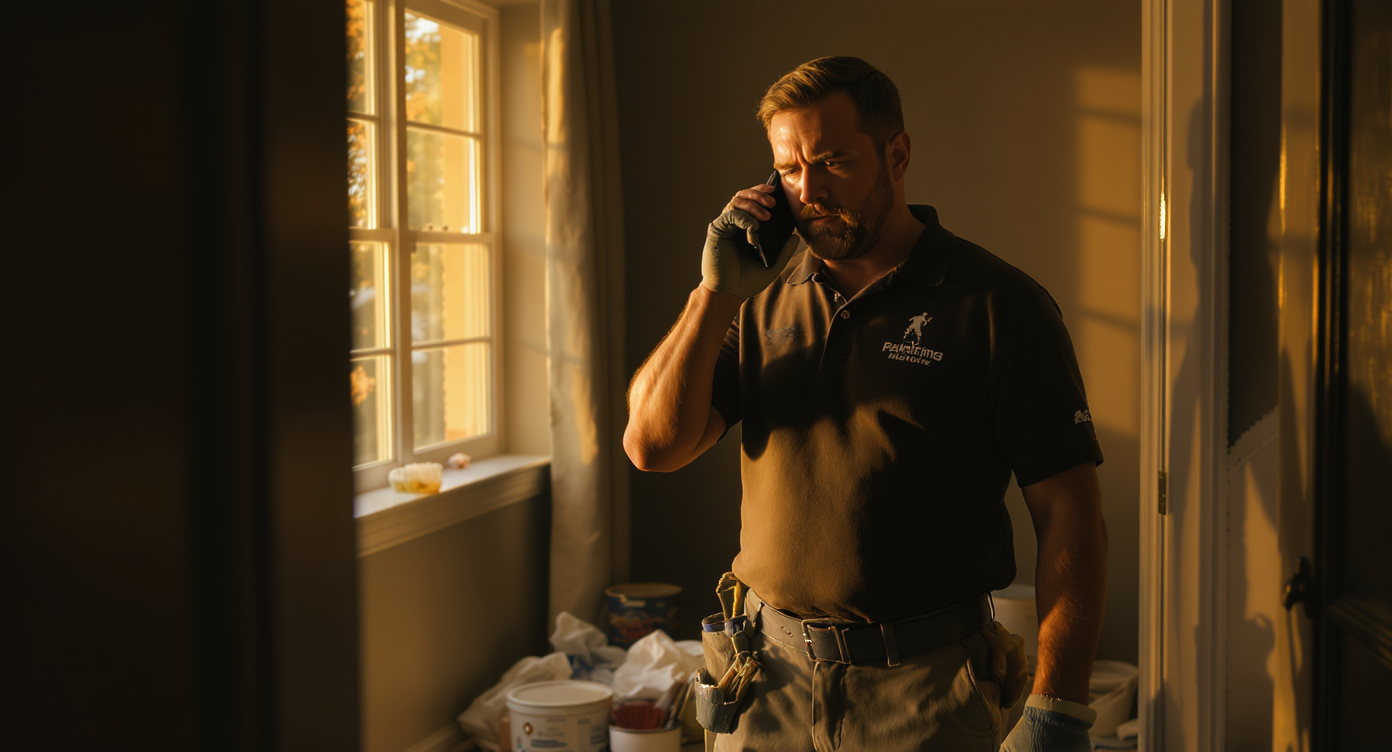
A homeowner finds water damage behind their bathroom wall at 9 PM. They need an emergency repaint before the in-laws arrive Friday. They call three painting contractors. Two go to voicemail. One answers, books the job on the spot, and earns a $2,400 project. If you’re one of the two who didn’t pick up, that revenue is gone forever. Learning how to handle after hours calls for painting contractors isn’t just a nice operational upgrade. It’s the difference between steady growth and quietly bleeding revenue every single night.
after-hours call handling for painting contractors is a system that captures, responds to, and manages inbound calls outside normal business hours—typically 6 PM to 8 AM weekdays and weekends. It prevents lost jobs by ensuring homeowners reach someone, even during emergencies, turning missed calls into booked projects and steady revenue growth.
Quick Answer
Set up an automated answering service that captures after-hours caller information and schedules appointments directly into your calendar. Use a virtual receptionist or AI-powered system to qualify leads, answer common questions, and route urgent calls to on-call staff. This ensures no potential job goes unanswered while you sleep, converting night calls into booked appointments and revenue.
What After-Hours Call Handling Means for Painting Contractors
After-hours call handling is the system your painting business uses to capture, respond to, and manage inbound calls that arrive outside your normal working hours. For most contractors, that window stretches from about 6 PM to 8 AM on weekdays, plus all of Saturday and Sunday. These calls matter. They’re homeowners who’ve finally gotten around to researching painters after their own workday ends, property managers dealing with tenant move-outs, and commercial clients planning renovations on tight timelines.
Free weekly newsletter
Growth tips for home service businesses
Every Tuesday — actionable ideas to get more leads, reviews, and repeat customers. No fluff.
The core challenge is straightforward: you can’t answer the phone while you’re on a ladder or mixing coatings at a job site, and you shouldn’t have to sit by the phone at 10 PM either. Yet according to research from Aira, a significant share of business calls go unanswered across small businesses. Without a deliberate after-hours strategy, you’re letting prospects slip straight to competitors who’ve solved this problem.
Why After-Hours Calls Are Especially Costly for Painting Businesses
The Revenue You Don’t See Leaving
Painting is a high-value, low-frequency purchase for most customers. A single residential exterior job might run $3,000 to $8,000. Commercial contracts can reach six figures. When a prospect calls and gets voicemail, they won’t try again. Most won’t. They’ll scroll to the next result on Google and call that contractor instead. Industry analysis from Synvola shows that missed calls carry a compounding cost, because each one represents not just a lost job but lost referrals, lost reviews, and lost repeat business.
Think about the math for your specific situation. You miss just three after-hours calls per week. Even one of those would’ve converted to a $4,000 job. That’s over $200,000 in annual lost revenue. The numbers get worse during peak painting seasons when call volume spikes.
Customer Expectations Have Changed
Today’s homeowners expect instant responses. They’ve been trained by Amazon, DoorDash, and every other on-demand service to believe that if a business doesn’t respond quickly, it’s either unprofessional or uninterested. According to the SBA’s 2024 small business data, there are over 33 million small businesses in the U.S. Your prospects have plenty of alternatives. Speed of response has become a primary differentiator, especially in competitive local trades.
📺 Watch: After-Hours Call Routing Setup: Never Miss a Lead
Practical Strategies for After-Hours Call Management
Define What Counts as an Emergency
Not every after-hours call requires the same response. Before you build any system, categorize your inbound calls into tiers. Emergencies like water damage paint restoration or commercial deadline-critical touch-ups might justify a callback within the hour. Routine estimate requests and scheduling inquiries can wait until morning, as long as the caller knows you received their message and will follow up.
Here’s a simple triage framework that works for most painting contractors:
- Tier 1 (immediate response): Emergency repaints, insurance-related restoration work, commercial clients with contractual deadlines
- Tier 2 (next business morning): Residential estimate requests, color consultation scheduling, general project inquiries
- Tier 3 (batch weekly): Vendor calls, subcontractor inquiries, supply chain follow-ups
Once you’ve defined these categories, your after-hours system can route each call type appropriately. No more generic voicemail.
Stop Relying on Voicemail Alone
Voicemail is where painting leads go to die. Most callers won’t leave a message. And those who do often provide incomplete information. You’re then stuck playing phone tag the next day, by which point they may have already booked someone else. Analysis from Voksha describes this as revenue “quietly walking out your door,” and that’s exactly what it feels like when you check Monday morning’s voicemail and find five cryptic messages with no callback numbers.
Better alternatives exist today:
- Missed-call text-back: Automatically sends an SMS to any caller you can’t answer, letting them know you received their call and asking for project details
- AI-powered call answering: A virtual agent picks up, asks qualifying questions, and captures lead information in real time
- Call routing with failover: Calls ring your cell first, then a partner or office manager, then an AI agent, so someone always answers
- After-hours chat: Webchat and SMS channels stay active even when the phone line would normally go to voicemail
Build a Consistent After-Hours Call Flow
A call flow is the step-by-step path each incoming call follows. Rather than letting calls ring endlessly or dump into a generic inbox, a well-designed call flow creates a professional experience that captures every lead. For painting contractors, an effective after-hours flow typically looks like this:
- Caller hears a professional greeting identifying your company and confirming they’ve reached you outside business hours
- An automated menu or AI agent asks whether they need an estimate, have a project question, or are calling about an existing job
- New leads get qualified through a few quick questions: project type, approximate square footage, preferred timeline
- Qualified leads receive an automatic confirmation text with your next available callback time
- Emergency situations get routed to a personal cell or on-call number
What makes this approach powerful is consistency. Every caller gets the same professional experience regardless of whether they call at 2 PM or 2 AM. You wake up with a queue of qualified, organized leads instead of a jumbled voicemail box.
Weekend and Holiday Coverage
Weekends are prime time for homeowner project planning. Saturday morning is when someone walks through their house thinking about that accent wall or the peeling trim on the front porch. By Saturday afternoon, they’re calling contractors. If your system treats weekends the same as a Tuesday at midnight, you’re missing prime buying intent.
Consider setting different rules for weekend calls. Maybe Saturday calls from 8 AM to noon ring your phone directly. Everything outside that window goes through your automated system. Holidays deserve attention too, especially the week after major holidays like Thanksgiving and New Year’s, when homeowners start planning home improvement projects with fresh motivation. Data from CallJolt reinforces that the real financial impact of missed calls hits hardest during these high-intent periods.
Using AI to Capture After-Hours Painting Leads
Hiring a full-time receptionist to cover evenings and weekends isn’t realistic for most painting contractors. Traditional answering services charge per call and often lack the context to qualify painting-specific leads properly. They can’t tell the difference between a $500 single-room job and a $15,000 full-exterior project.
AI-powered phone agents have changed this equation. According to a recent comparison of AI answering platforms, natural-sounding voice agents can now handle appointment booking, FAQ answering, and lead qualification without any human involvement. For a painting contractor, that means every call gets answered with industry-relevant questions rather than a generic “please leave a message.”
The best AI call solutions also connect to your existing tools. If you’re using HousecallPro or ServiceFusion for job management, your after-hours system should push captured leads directly into those platforms. Your morning starts with actionable data, not busywork.
How SalesCaptain Helps
SalesCaptain’s AI Phone Agent was built for exactly this scenario. It answers calls 24/7 with a natural-sounding voice, qualifies painting leads by asking about project scope and timeline, books estimates directly onto your calendar, and routes genuine emergencies to your personal line. Every other call gets captured with full details so you can follow up on your schedule.
What sets it apart for painting contractors specifically is the combination of features in one platform:
- Custom call flows you build with a drag-and-drop editor, no technical skills required
- Missed-call text-back that immediately engages callers you can’t reach
- AI transcriptions and summaries of every call, so you know exactly what each prospect needs before you call back
- Unified inbox that pulls calls, texts, webchat, and social media messages into one place for your team
- Workflow automation that triggers follow-up sequences, appointment reminders, and CRM updates automatically
Pricing starts with a free plan for single-location businesses. The AI call minutes run $0.12 per minute. Compare that to a human answering service, which typically charges $1 to $3 per minute, and the ROI becomes obvious fast. SalesCaptain also integrates with tools painting contractors already use, including HousecallPro, Zapier, and QuickBooks.
Key Takeaways
After-hours calls represent some of the highest-intent leads your painting business will ever receive. These are people actively looking for a contractor. They’re ready to make a decision. Letting those calls go to voicemail is the most expensive mistake most painting contractors make without realizing it.
An effective after-hours strategy doesn’t require you to be available around the clock. It requires a system that answers professionally, qualifies leads, captures complete information, and routes emergencies appropriately. AI-powered call handling makes this affordable and practical even for solo operators and small crews. The contractors who solve this problem first in their local market win the lion’s share of evening and weekend leads. That advantage compounds with every season.
Frequently Asked Questions
How many after-hours calls does a typical painting contractor miss per week?
It varies by market and marketing spend. But recent missed call statistics suggest that a significant percentage of all business calls go unanswered. For painting contractors who rely heavily on phone leads, even 5 to 10 missed calls per week can translate to thousands in lost monthly revenue, especially during spring and summer peak seasons.
Is an AI phone agent going to sound robotic to my callers?
Modern AI voice agents sound remarkably natural. They use conversational speech patterns, handle interruptions, and adjust tone based on context. Most callers won’t realize they’re speaking with an AI. The key is choosing a platform that lets you customize the agent’s personality, greeting, and qualifying questions to match your brand.
What information should my after-hours system collect from callers?
At minimum, capture the caller’s name, phone number, project type (interior vs. exterior), approximate scope, and preferred timeline. For painting contractors, it’s also helpful to ask about the property type (residential, commercial, or HOA) and whether they need a color consultation. More detail upfront means faster, more productive callbacks.
Can I set different rules for weekday evenings versus weekends?
Yes. Most modern call flow builders let you create time-based rules. You might route Saturday morning calls to ring your cell phone while sending Tuesday night calls through an AI agent. The goal is matching your availability to caller intent without overcommitting your personal time.
How does AI call handling compare to hiring a traditional answering service?
Traditional answering services use human operators who follow scripts. They’re effective but expensive—typically $1 to $3 per minute. And they can’t ask industry-specific qualifying questions. AI phone agents cost a fraction of that, work without breaks or scheduling conflicts, and can be trained on painting-specific scenarios like lead qualification and emergency triage. According to small business trend data, more service businesses are shifting to AI-powered solutions as the technology matures and costs drop.
Ready to see it in action?
See how painting contractors use SalesCaptain to capture every after-hours lead automatically.
See How SalesCaptain Can Help
SalesCaptain’s AI Phone Agent answers your calls 24/7, qualifies painting leads, books estimates, and sends every detail to your inbox before you start your morning coffee. Plans start free for single-location businesses.
Visit SalesCaptain.com to set up your after-hours call system today.