
AI-powered customer experience marketing (CXM) platform that helps local businesses win.


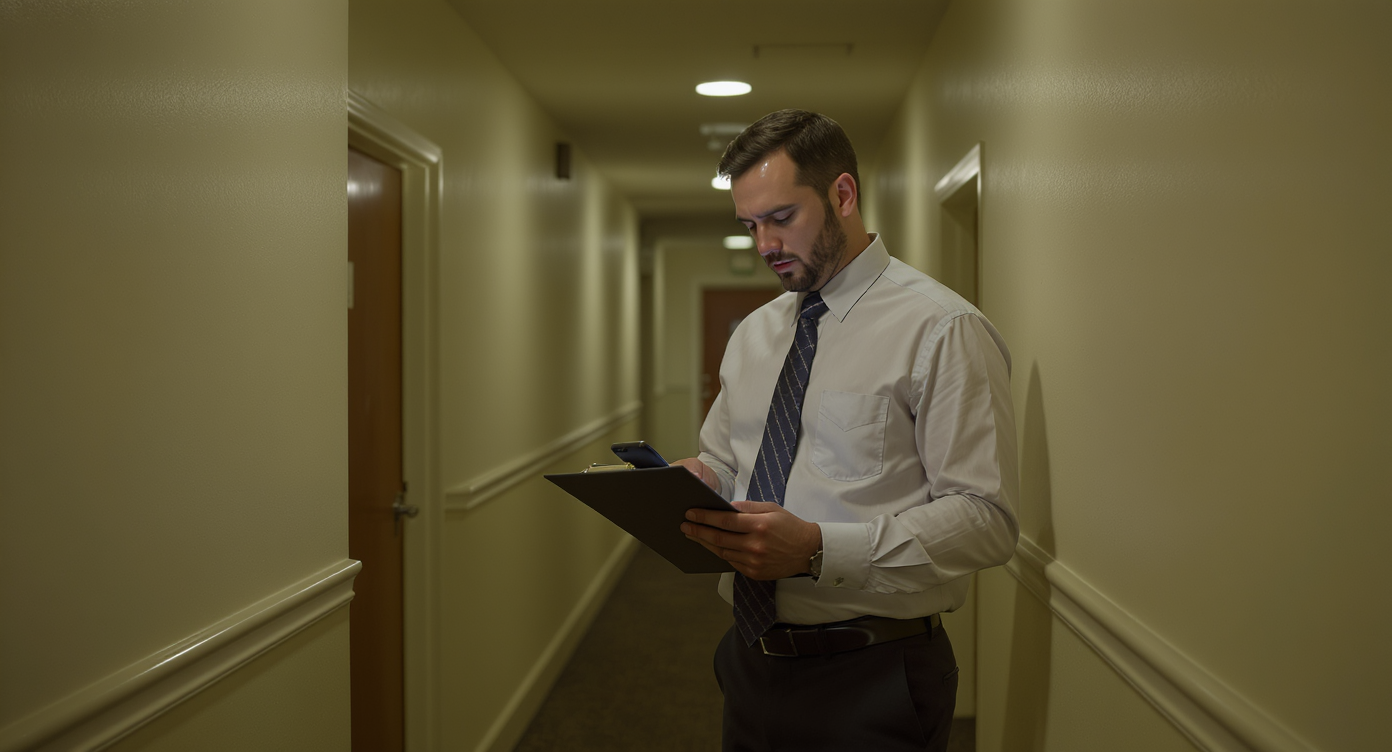
A tenant’s pipe bursts at 11 PM on a Friday. They call your office and hear a voicemail. They call again. No answer. By Saturday morning, you’ve got a flooded unit, an angry tenant, and a repair bill that could’ve been half the cost if someone had picked up. Knowing how to handle after hours calls for property managers isn’t just a convenience thing. It’s the difference between a minor fix and a five-figure disaster. Between a tenant who renews their lease and one who leaves a scathing review on their way out.Handling after hours calls for property managers means having a system to respond to tenant emergencies and inquiries outside business hours. This includes using answering services, call forwarding, automated responses, or on-call staff to address urgent issues like flooding or lockouts while managing non-emergency requests appropriately.
Traditional answering services like Smith.ai and Ruby rely on human receptionists. They work, but the per-call or per-minute cost adds up fast for properties with high call volumes. Plus, staff turnover at these services means your “trained receptionist” might be someone new every few weeks.AI-powered phone agents have changed this equation significantly. According to a comparison of AI answering services, the best options now handle natural conversations and ask triage questions. They route calls based on urgency. All without per-call pricing spikes. For property managers running multiple buildings, this kind of scalability matters.
Quick Answer
Property managers should use an answering service or voicemail system to capture after-hours calls, then implement a callback protocol for non-emergencies during business hours. For genuine emergencies, establish a clear screening process and on-call rotation so tenants reach someone immediately for urgent issues like water leaks or safety concerns, preventing costly damage while respecting your team’s off-hours time.
Free weekly newsletter
Growth tips for real estate professionals
Every Tuesday — actionable ideas to get more leads, reviews, and repeat customers. No fluff.
What Are After Hours Calls in Property Management?
After hours calls are any tenant or prospect calls that come in outside your normal business hours. For most property management companies, that means evenings, weekends, holidays, and early mornings. These calls range from true emergencies—flooding, gas leaks, lockouts—to non-urgent stuff like maintenance scheduling, lease questions, and noise complaints.The challenge isn’t just volume. It’s unpredictability. You can’t staff a front desk around the clock for a handful of calls. But you also can’t ignore them. According to research on missed call costs for small businesses, the financial impact of unanswered calls compounds quickly when you factor in lost leads, tenant churn, and escalated maintenance issues. Property managers sit in a unique position where one missed call can trigger thousands of dollars in liability.Why After Hours Call Handling Matters More Than You Think
The Financial Risk of Missed Calls
Every unanswered emergency call is a gamble. A water leak reported at 9 PM and addressed by midnight might cost $500 to fix. That same leak ignored until Monday morning? Drywall replacement, mold remediation, displaced tenant. The math is straightforward. Most property managers don’t track this data closely enough to see the pattern. According to missed call statistics and revenue loss benchmarks, even non-emergency missed calls carry measurable revenue impact. Prospective tenants just move on to the next listing.Tenant Retention and Reputation
How you respond after hours shapes how tenants feel about your management company. A tenant who reaches a live response—whether human or AI—at 2 AM feels cared for. One who gets a generic voicemail? They feel ignored. That perception directly affects renewal rates. And online reviews from frustrated tenants are public and permanent. The National Association of Residential Property Managers (NARPM) consistently emphasizes responsive communication as a top factor in tenant satisfaction surveys.Legal and Liability Exposure
Some after hours situations create genuine legal exposure. Habitability issues, safety hazards, certain maintenance failures—they carry legal deadlines depending on your state. Failing to respond to a reported gas smell or a broken lock isn’t just bad service. It’s a liability event. So understanding the difference between what’s urgent and what can wait is foundational to any after hours strategy.📺 Watch: After-Hours Call Routing Setup: Never Miss a Lead
How to Build an Effective After Hours Call Strategy
Define What Counts as an Emergency
Before you set up any system, your team and your tenants need a shared definition of “emergency.” Without clear criteria, tenants will call the emergency line for every dripping faucet. Genuine emergencies get buried in noise. Here’s a practical framework:True emergencies that require immediate response:- Water leaks or flooding that can’t be contained by shutting off a valve
- Gas leaks or carbon monoxide detector alarms
- Fire or fire damage
- Complete loss of heating in freezing temperatures
- Lockouts involving safety concerns (stranded children, elderly residents)
- Break-ins or active security threats
- Appliance issues (dishwasher, garbage disposal)
- Minor plumbing drips
- Noise complaints
- Parking disputes
- General maintenance requests
- Lease or billing questions
Create a Response Procedure
Once you’ve defined emergencies, you need a documented workflow that anyone on your team—or any system you use—can follow. A solid response procedure answers these questions:- Who gets notified first, and through what channel?
- What questions should be asked to triage the issue?
- Which vendor or contractor handles each type of emergency?
- What’s the escalation path if the first responder doesn’t answer?
- How is the call and response documented for records?
Ask the Right Questions During Every Call
Triage quality determines response quality. Whether a human or an AI agent is fielding the call, the questions need to be specific enough to guide the next action. Vague intake leads to wasted dispatches. And delayed responses.Effective triage questions for property management after hours calls include:- What’s your name and unit number?
- Is anyone in immediate danger?
- Can you describe exactly what’s happening right now?
- When did it start?
- Have you taken any steps to address it (shutoff valve, circuit breaker)?
- Is the issue getting worse or staying the same?
Be Proactive to Reduce After Hours Volume
The best after hours strategy reduces the number of calls that actually require urgent response. Proactive maintenance and communication prevent a significant portion of emergency calls before they happen.- Schedule seasonal HVAC inspections before extreme weather hits
- Send tenants a “winter prep” guide with instructions for preventing frozen pipes
- Install smart water leak sensors in high-risk units
- Provide tenants with self-help resources for common issues like tripped breakers and clogged toilets
- Use automated reminders for filter changes and smoke detector battery replacements
Choosing the Right Technology for After Hours Coverage
Property managers have several options for after hours call handling. Each comes with tradeoffs. Here’s an honest breakdown:| Option | Pros | Cons |
|---|---|---|
| Personal cell phone / on-call rotation | Free, direct | Burnout, inconsistent, no documentation |
| Traditional answering service | Human touch | Expensive per-call pricing, script limitations, high turnover staff |
| Voicemail with callback | Simple | Delays response, frustrates tenants, misses emergencies |
| AI phone agent | 24/7, consistent, scalable, documented | Requires initial setup, some tenants prefer humans |
How SalesCaptain Helps Property Managers Handle After Hours Calls
SalesCaptain’s AI Phone Agent is built for exactly this scenario. It answers every call 24/7 with a natural-sounding voice. It asks the right triage questions. And it routes emergencies to your on-call team while logging non-urgent requests for the next business day. No hold music purgatory. No voicemail black hole. No burned-out property manager checking their phone at 3 AM for every noise complaint.Here’s what makes the platform particularly useful for property management:- Custom call flows let you set different routing rules for emergencies versus non-emergencies, with after hours rules that differ from daytime handling
- AI Summaries and Transcriptions give you a complete text record of every call, so you’ve got documentation for liability purposes without listening to recordings
- Missed call text-back automatically sends a text to any caller who doesn’t connect, so even non-emergency callers know they’ve been heard
- Workflow automation can trigger follow-up actions like notifying a vendor, updating your CRM, or sending a tenant a confirmation that their request was received
- Unified Inbox pulls calls, texts, and messages from all channels into one place, so your morning team can see everything that happened overnight in a single view
Key Takeaways
Handling after hours calls well isn’t optional for property managers. It protects your tenants, your properties, and your reputation. Start by defining emergencies clearly. Document a response procedure. And train your team or system to ask the right questions. Then use missed call cost data to justify the investment in better coverage.Proactive maintenance reduces call volume. Good triage questions improve response quality. And the right technology—whether human or AI—ensures nothing falls through the cracks at 2 AM. Property managers who treat after hours communication as a core operational function, not an afterthought, consistently outperform those who don’t.Frequently Asked Questions
What should a property manager consider an after hours emergency?
True emergencies involve immediate threats to safety, health, or property. Think flooding that can’t be stopped. Gas leaks. Fire damage. Heating failures in freezing weather. Security breaches. Everything else—minor leaks, appliance issues, noise complaints, parking disputes—can be documented and addressed during business hours. Put your emergency criteria in writing and share it with every tenant at move-in.How much does it cost to hire an after hours answering service for property management?
Traditional human answering services typically charge between $1 and $3 per minute or $5 to $15 per call. For a property with 20+ after hours calls per month, that’s easily $200 to $400 monthly before accounting for holidays or high-volume periods. AI-based solutions like SalesCaptain charge $0.12 per minute, which brings costs down significantly while offering consistent 24/7 coverage.Can an AI phone agent really handle emergency triage for tenants?
Yes. Modern AI phone agents can ask structured questions and assess urgency based on tenant responses. They route calls accordingly. They won’t replace a human maintenance technician. But they absolutely can determine whether a call needs immediate dispatch or can wait until morning. According to small business performance benchmarking data, companies using AI for initial call handling report faster average response times because the triage is consistent and immediate.How do I reduce the number of non-emergency calls I get after hours?
Educate tenants about what qualifies as an emergency through your lease, welcome materials, and signage. Provide self-service options for common questions like maintenance request forms, FAQ pages, and instructional videos for simple fixes. Seasonal preventive maintenance also cuts down on urgent calls caused by neglected systems.What should I look for in an after hours call handling solution?
Prioritize these capabilities: 24/7 availability, customizable call routing based on urgency, automatic documentation and transcription, integration with your property management software, and scalable pricing. You’ll also want missed call text-back so no caller feels ignored. Avoid solutions that require per-seat licensing if you manage multiple properties. Per-location pricing is typically more affordable.Ready to see it in action?
See how property managers use SalesCaptain to handle after hours calls and never lose a tenant lead.
Book a Free Demo →