
AI-powered customer experience marketing (CXM) platform that helps local businesses win.


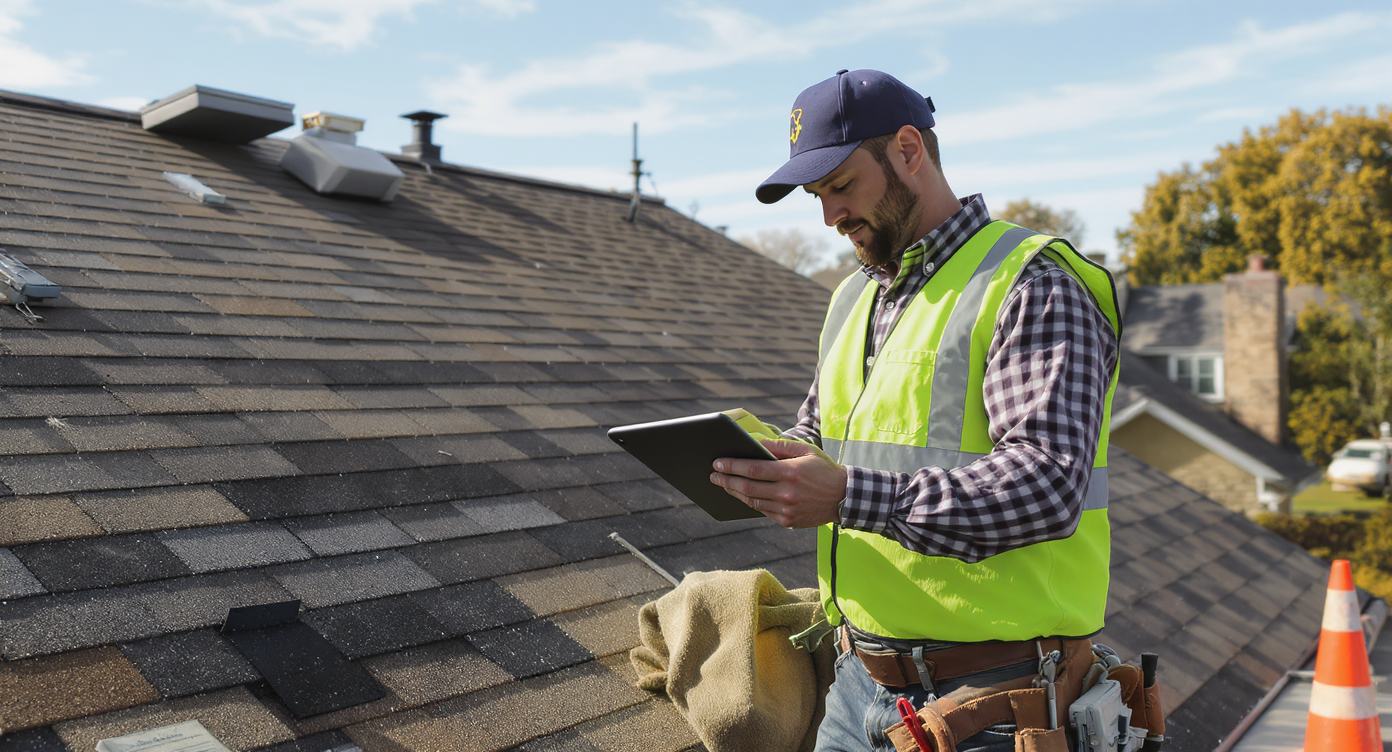
A homeowner calls your roofing company after a storm. Nobody picks up. They leave a voicemail, and your crew promises to follow up. But two days pass, the lead goes cold, and that $12,000 job lands in a competitor’s lap. Sound familiar? If you’re wondering how to automate customer follow up for roofing companies, you’re asking the right question. Manual follow-up is where most roofing businesses quietly bleed revenue.
Automating customer follow-up for roofing companies means using software to send texts, emails, or reminders to leads and customers automatically on a set schedule. Instead of relying on manual outreach, the system handles repetitive contact tasks, ensuring every lead gets timely responses and reducing lost jobs to competitors.
Quick Answer
Automated customer follow-up for roofing companies uses AI-powered systems to send timely emails, texts, and calls to prospects and clients without manual intervention. These tools track customer interactions, schedule reminders based on proposal dates or service completions, and nurture leads through the sales pipeline. Automation ensures no callbacks are missed, increases response rates, and frees your team to focus on closing deals and providing excellent service.
What Is Automated Customer Follow-Up?
Automated customer follow-up is a system that sends messages, makes calls, or triggers reminders to leads and existing customers without your team lifting a finger. Instead of relying on sticky notes, memory, or a spreadsheet with “call back Tuesday” scribbled in it, automation handles the repetitive outreach on a schedule you define. It’s that simple.
Free weekly newsletter
Growth tips for home service businesses
Every Tuesday — actionable ideas to get more leads, reviews, and repeat customers. No fluff.
For roofing companies, this means every lead inquiry, every estimate request, and every post-inspection check-in gets a timely response. Whether it’s an SMS sent five minutes after a missed call or an email sequence that nurtures a prospect over two weeks, the system runs in the background while your crew focuses on the roof, not the phone. According to Zapier’s business automation research, businesses using automation report significant time savings on repetitive tasks. Follow-up is one of the most impactful areas to start.
Why Roofing Companies Lose Revenue Without Automated Follow-Up
Roofing is a high-ticket, low-frequency purchase. Homeowners don’t replace a roof every year. So when they do reach out, that single touchpoint carries enormous value. Miss it, and there’s no second chance. The numbers aren’t pretty either. Research from Voksha’s missed call analysis shows that businesses lose substantial revenue from unanswered calls alone. Roofing companies are especially vulnerable because their teams are often on job sites during peak calling hours.
The Speed-to-Lead Problem
Most roofing leads expect a response within minutes, not hours. Yet the average contractor takes anywhere from several hours to a full business day to return a call. By then, the homeowner has already contacted two or three other roofers. Speed to lead isn’t just marketing talk. It’s the single biggest factor in winning that first conversation.
Here’s what happens without automation in a typical roofing sales cycle:
- Missed calls go unreturned. Field crews don’t check voicemail until the end of the day, and by then the lead has moved on.
- Estimate follow-ups fall through the cracks. Your salesperson delivered three proposals this week but didn’t follow up on any because two emergency repairs came in.
- Post-job reviews never get requested. Happy customers who would’ve left a five-star Google review simply forget because nobody asked them.
- Repeat business disappears. Past customers with aging roofs don’t hear from you again, so they call whoever shows up first in a search.
Each of these failures is preventable. And you don’t need to hire more office staff to fix them.
📺 Watch: How to Create a Lead Follow-Up Sequence
How to Set Up Automated Follow-Up for Your Roofing Business
Getting automation right isn’t about buying the most expensive software. It’s about mapping your customer journey and identifying where leads slip through. Here’s a practical approach that works for any size roofing company.
Step 1: Map Your Follow-Up Gaps
Before you automate anything, audit where you’re losing people. Pull your call logs from the last 30 days. How many calls went unanswered? How many estimates were sent but never followed up on? According to SchedulingKit’s analysis of missed calls and revenue loss, the gap between initial inquiry and first response is where most service businesses lose the highest-value opportunities. For roofers, that gap tends to be wide. Your best people are on ladders, not at desks.
Step 2: Prioritize Your Automation Triggers
Not every touchpoint needs automation on day one. Start with the highest-impact triggers:
- Missed call text-back: When a call goes unanswered, an instant SMS goes out acknowledging the inquiry and asking for details.
- Post-estimate follow-up: Two days after sending a proposal, an automated message checks in to answer questions.
- Appointment reminders: The day before an inspection, a text confirms the time and address.
- Post-job review request: Three days after completing a job, an automated message asks for a Google review with a direct link.
- Annual maintenance check-in: Twelve months after a completed project, a message reminds the homeowner about seasonal inspections.
Each trigger matches a real moment in the roofing sales cycle. That specificity makes automation feel personal rather than spammy.
Step 3: Choose Channels That Match Customer Behavior
Roofing customers prefer phone and text. Email open rates for contractor businesses hover well below SMS rates. So while email has its place, lean heavily on texting and voice calls. A guide from Inkle on small business automation emphasizes that the most effective automation meets customers on the channels they already prefer. For roofing, that’s overwhelmingly SMS and phone calls.
Step 4: Build Workflows, Not One-Off Messages
A single text message isn’t a follow-up system. Real automation involves sequences. For example, after a missed call, the first text goes out immediately. If there’s no response in two hours, a second message offers to schedule a callback. After 24 hours without engagement, a brief voicemail drop reminds them you’re available. Multi-step workflows dramatically improve contact rates.
Best Practices for Roofing Follow-Up Automation
Automation done poorly hurts your reputation. Homeowners can spot a generic, robotic message instantly, and it’ll erode trust before you’ve even met them. Here’s how to keep your automated outreach effective and professional.
Personalize Every Message
Use the customer’s name, reference their specific inquiry, and mention the service they asked about. “Hi Sarah, thanks for reaching out about your roof inspection in Cedar Park” hits completely differently than “Thank you for contacting us.” Dynamic fields in your automation platform make this effortless. According to Aplos AI’s small business automation guide, personalized automated messages see significantly higher engagement rates.
Time Your Messages Thoughtfully
Don’t send texts at 11 PM, even if that’s when the lead filled out a form. Set delivery windows during business hours. Also, space out follow-ups so they don’t feel pushy. A good rhythm for roofing follows this pattern:
- Immediate response within 1-5 minutes of the inquiry
- Second touchpoint 2-4 hours later if no reply
- Third touchpoint the next business day
- Final follow-up 3-5 days later before marking the lead as unresponsive
Track Everything and Adjust
Automation without measurement is just guessing. Track your response rates, booking rates, and which messages perform best. Then adjust your wording, timing, and channel mix based on real data. The National Roofing Contractors Association regularly emphasizes the value of data-driven sales processes. It’s how roofing businesses grow sustainably.
Keep Humans in the Loop
Automation should handle initial outreach and repetitive nudges. But when a lead replies with a detailed question about roof damage, a real person needs to jump in. The best follow-up systems route hot leads to your sales team the moment engagement happens. Your automated workflow becomes a launch pad, not a dead end.
How SalesCaptain Helps
SalesCaptain was built for exactly this scenario: service businesses that can’t afford to miss leads but also can’t hire a full-time follow-up team. For roofing companies, the platform combines several capabilities that work together as a complete follow-up engine.
The AI Phone Agent answers calls 24/7, even when your crew is on a roof or it’s 9 PM on Saturday. It qualifies leads, books inspection appointments, answers common questions about your services, and blocks spam calls. Every call gets transcribed and summarized with AI Summaries and Transcriptions. Your sales team walks into every callback already knowing what the homeowner needs.
When a call goes unanswered, the AI Chat Agents automatically send a missed-call text-back within seconds. The conversation continues over SMS from there. The AI captures lead details, schedules appointments, and sends reminders without human involvement. All of this flows into the Unified Inbox, where your team sees every call, text, webchat message, and social inquiry in one place.
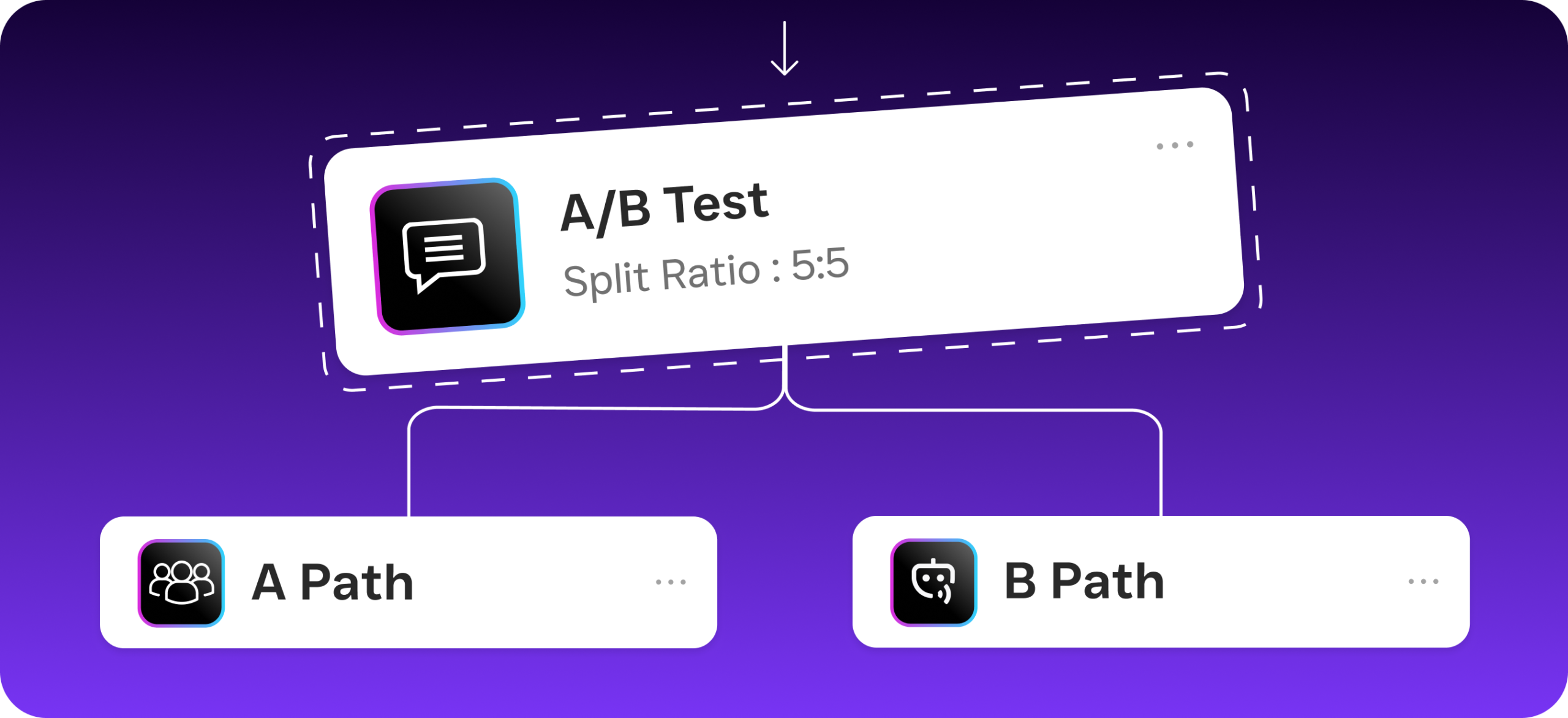
The Workflow Automation builder lets you create multi-step follow-up sequences using a drag-and-drop interface. No coding, no technical setup. You can trigger workflows based on missed calls, new form submissions, completed estimates, or finished jobs. Integrations into HousecallPro, ServiceFusion, Zapier, and QuickBooks keep your follow-up system synced with the tools you already use.
Pricing starts with a free plan for one location. The full feature set is $159/month per location, which works for single-truck operations and multi-location companies alike.
Key Takeaways
Knowing how to automate customer follow up for roofing companies comes down to a few core principles. Respond immediately. Use the channels your customers prefer. Build multi-step workflows. And keep your team in the loop for high-value conversations. What does that look like in practice?
- Missed calls and slow responses are the biggest revenue leak for most roofing businesses.
- Automated follow-up doesn’t replace your sales team. It gives them a massive head start.
- SMS and phone are the highest-performing channels for roofing customer communication.
- Multi-step workflows dramatically outperform single-message follow-ups.
- Personalization and timing separate effective automation from spam.
The roofing companies winning the most bids aren’t necessarily the best roofers. They’re the fastest to respond and the most consistent in following up. Automation closes that gap. There’s no reason to leave it open any longer.
Frequently Asked Questions
How quickly should a roofing company follow up with a new lead?
Within five minutes or less. Research consistently shows that the first contractor to respond wins the job a significant majority of the time. Automated systems can send an instant text-back or have an AI agent answer the call live. You’re never waiting until someone’s free at the office.
Can automation handle follow-up for roofing estimates that haven’t been accepted?
Yes. You can build a workflow that automatically checks in two to three days after sending an estimate. It’ll ask if the homeowner has questions and send a second follow-up a week later. These sequences keep you top-of-mind without your sales team manually tracking outstanding proposals.
Won’t automated messages feel impersonal to my roofing customers?
Only if you use generic templates. Modern automation platforms let you insert the customer’s name, service type, and specific details from their inquiry. When done right, most customers can’t tell the difference. It could be automated or manually sent by your office manager.
What’s the cost of setting up follow-up automation for a roofing company?
Costs vary widely depending on the platform. Some tools charge per user, which gets expensive fast. SalesCaptain uses per-location pricing starting with a free plan. Full automation features are available at $159/month per location. AI call minutes run $0.12/minute, which is a fraction of what a missed lead actually costs you.
Do I need technical skills to set up automated follow-up workflows?
Not with the right platform. Drag-and-drop workflow builders let you create follow-up sequences by selecting triggers, setting time delays, and choosing message templates. If you can set up a smartphone, you can build workflows. No developer or IT person required.
Ready to see it in action?
See how roofing companies use SalesCaptain to automate follow-ups and book more jobs.
Book a Free Demo →See How SalesCaptain Can Help
SalesCaptain gives roofing companies an AI-powered follow-up system that answers calls, texts back missed leads, and automates every step of customer communication. Stop losing jobs to slower competitors. Start capturing every opportunity.